Singapore’s BTO apartments offer a distinct set of window covering considerations. The tropical climate & small living areas make careful decisions that strike a balance between durability, functionality, and aesthetics. This guide examines different window covering options appropriate for HDB BTO units, taking into account the most recent trends and workable solutions for the year 2026 while addressing important issues like heat, sun, privacy, & maintenance. Recognizing the BTO Environment: Space and Climate Factors.
When choosing window coverings for BTO apartments, Singapore’s equatorial climate—which is marked by high humidity and intense sunlight—is crucial. Heat gain from the constant sun can raise interior temperatures and necessitate more air conditioning. Another important consideration is privacy, particularly in densely populated HDB estates where apartments frequently face one another. Also, space-saving solutions are frequently chosen due to the generally practical dimensions of BTO rooms.
Managing the Sun and Heat in Singapore. For many BTO homeowners, reducing the sun’s heat and glare is their main goal. Uncontrolled sunlight can deteriorate flooring, fade furniture, and make a home uncomfortable. By reflecting or absorbing solar radiation before it enters the space, effective window coverings serve as a barrier. Protecting Privacy in HDB Configuration.
Because HDB blocks are so close together, it is crucial to protect privacy in one’s BTO flat. By controlling outside visibility, window coverings enable residents to create a private haven while letting in natural light where they choose. Depending on the covering selected, one can achieve varying degrees of opacity. Optimizing Compact BTO Unit Space.
Despite being contemporary & practical, BTO apartments frequently have smaller rooms than older HDB units or landed properties. This calls for window coverings that don’t obstruct movement or visually overpower the area. In order to preserve an airy & open atmosphere, streamlined designs & integrated systems are frequently preferred.
| Types of Window Coverings | Pros | Cons |
|---|---|---|
| Curtains | Easy to install and change, variety of designs | Require regular cleaning, can block natural light |
| Blinds | Adjustable light control, modern look | May be more expensive, can be difficult to clean |
| Roller Shades | Simple and sleek, easy to clean | Limited light control, fewer design options |
Curtain Options for BTO Apartments. BTO homeowners continue to choose curtains because of their adaptability in terms of design, texture, & light control. Climate-responsive performance fabrics are becoming more popular in 2026 and provide improved functionality for Singapore’s distinct environment. Climate-Responsive Fabric Selection. Performance is greatly impacted by the fabric choice when choosing curtains for a BTO apartment.
Moisture-wicking and mildew-resistant linings are very helpful in places like Singapore, especially in bedrooms or other high-humidity areas. By preventing the growth of mold and mildew, these materials help keep your curtains fresh and long-lasting. Solar-adaptive materials are great for reducing heat and glare because they are made to efficiently reflect or absorb sunlight. Blackout curtains: Perfect for BTO apartment bedrooms, blackout curtains offer the highest level of light blockage, which is essential for restful sleep.
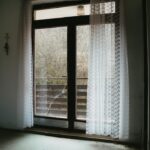
Also, they provide superior heat insulation, which helps keep the room cooler during the day. Dimout curtains are a common compromise because they provide an 80–95% light block. They are ideal for living rooms and study spaces because they considerably lessen heat & glare while still letting in gentle ambient light. Sheer curtains: They let plenty of natural light in while offering privacy during the day. Sheers provide flexible light control & a layered look when paired with heavier curtains or blinds. They can provide a cozy, welcoming ambiance for BTO living spaces.
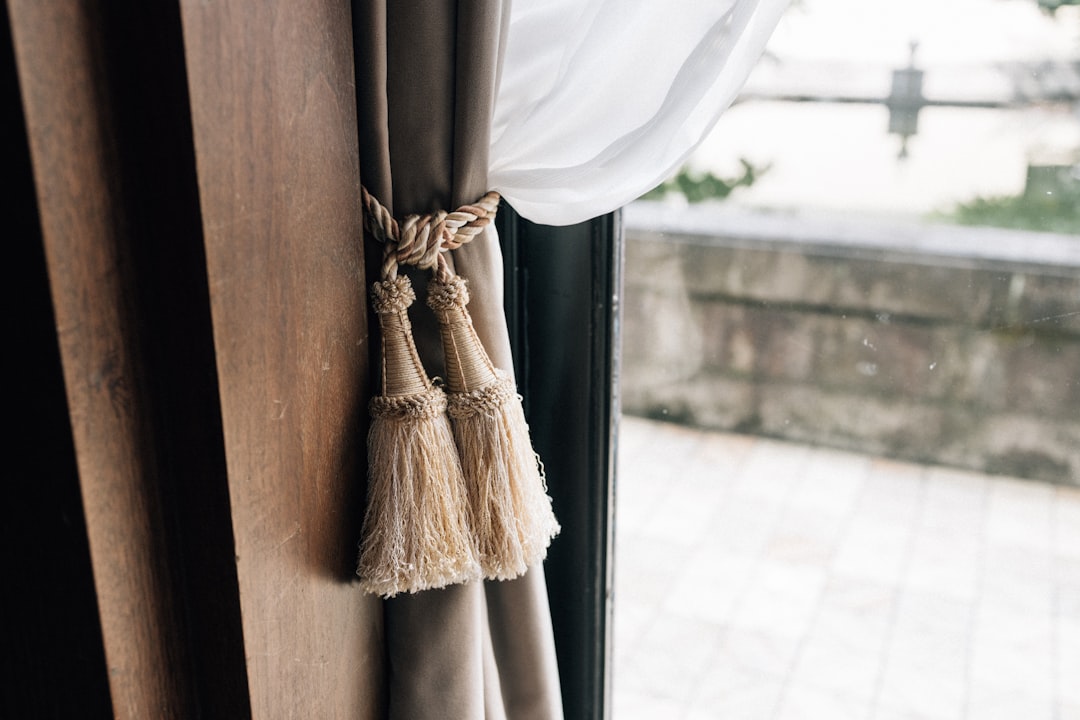
Curtain Designs and BTO Hardware. Matte black tracks and other sleek hardware are popular for modern BTO interiors because they go well with minimalist or contemporary themes. The curtain heading selection (e. A g. pleats, eyelets) can also affect the curtain’s overall appearance & stacking performance when it is open.
A track system that enables curtains to stack neatly to the side can be useful for smaller spaces, maximizing window exposure when desired. Curtain upkeep & durability. Contemporary curtain materials are frequently made to be long-lasting and low-maintenance. Many can be machine-washed or only occasionally need professional dry cleaning.
Dust and allergens can be eliminated by using a brush attachment when vacuuming regularly. Depending on the fabric quality and amount of sun exposure, curtains in a BTO setting can last up to five to ten years with proper maintenance. BTO Flats’ Curtain Price Range. Curtain packages that include dimout curtains for the living room and three bedrooms, as well as tracks, installation, and delivery, can cost between SGD 700 and SGD 1,500 for a typical four-room BTO apartment. An extra SGD 200–400 could be spent on premium options, like day curtains for the living room. Using blinds to improve functionality in BTOs.
Given the small size of BTO apartments, blinds provide a stylish, space-saving substitute or addition to curtains. They come in a variety of designs that can improve the aesthetics of contemporary BTOs and offer exact control over light & privacy. Various Blind Types for BTO Units. Combi Blinds (Day-Night Blinds): With alternating sheer and opaque fabric strips, combi blinds provide exceptional control over light and privacy.
They are very versatile for BTO living rooms and bedrooms because they can be set to provide filtered light, total privacy, or both. Venetian Blinds: These traditional blinds, which come in wood, aluminum, or faux wood, enable precise light control by tilting horizontal slats. Due to their resistance to moisture, aluminum Venetian blinds are especially suitable for humid Singaporean kitchens and bathrooms. Venetian blinds made of faux wood have the appearance of real wood but are less prone to warping in high humidity. Roller Blinds: A popular option for BTOs, roller blinds are straightforward and streamlined.
When they are open, they maximize window space by rolling up compactly. They can accommodate different room requirements, including balcony-facing windows, & come in a range of opacities, from sheer to blackout. Vertical blinds are great for larger window expanses, like those in BTO living rooms or sliding doors leading to a balcony, though they are less common in bedrooms. They can be drawn to one side to completely clear the window and provide good light control. Blind longevity & upkeep.
The material used to make blinds affects how long they last. Venetian blinds made of aluminum are incredibly strong and long-lasting, frequently lasting more than ten years. Fabric blinds, like roller and combi blinds, usually last between five and eight years, depending on the quality of the fabric and the amount of sun exposure.
Frequent dusting with a vacuum brush attachment or a microfiber cloth is usually adequate. Certain stains can be removed by spot cleaning fabric blinds or wiping down individual Venetian blind slats. Blind prices in BTO apartments.
Depending on the type of blinds and materials selected, a package that includes installation for the living room & three bedrooms in a four-room BTO flat can cost anywhere from SGD 600 to SGD 1,200. Roller blinds might be more affordable, while Venetian blinds might be at the higher end of this spectrum. Motorized Solutions: BTO Flats’ Smart Living. Smart home technology integration is becoming more and more common in Singapore, & motorized window coverings provide BTO residents with convenience and improved functionality.
advantages of automated blinds and curtains. Convenience: Motorized blinds and curtains can be opened or closed with a single button press, a remote control, a wall switch, or a smartphone app. This is especially helpful for managing several window coverings at once or for windows that are difficult to reach.
Smart Home Integration: Smart home ecosystems such as Google Home or Amazon Alexa can be integrated with motorized systems for tech-savvy BTO homeowners. By controlling heat gain, this enables voice control and the development of automated schedules, such as opening blinds to let in natural light in the morning or closing them for privacy at dusk. Enhanced Security: The BTO apartment’s security can be improved by integrating motorized window coverings with a smart home system to simulate occupancy while residents are away.
Child & Pet Safety: Motorized options are naturally safer for homes with young children or pets because they don’t have cords, which removes the possibility of strangulation. Options for Control & Power. Motorized systems can be hardwired, requiring expert electrical installation, or battery-operated, requiring periodic battery replacement or recharging. Remote controls, wall-mounted keypads, smartphone apps, and integration with larger smart home hubs are examples of control options. Motorized systems’ durability. Depending on the motor’s quality and frequency of use, its lifespan usually falls between five and ten years.
The lifespan of the blinds or curtains themselves is comparable to that of their manual equivalents. The price range of motorized options in BTO apartments. Because of the additional technology, motorized curtains & blinds are more expensive. A motorized roller blind for a typical BTO window can start at SGD 300–500 per unit, not including smart home system integration fees.
Depending on the complexity of the system and the number of windows, the cost of installing motorized systems in every window of a four-room BTO apartment could be anywhere from SGD 2,000 to SGD 5,000 or more. BTO Balconies Outdoor Blinds. Although not every BTO apartment has a balcony, those that do provide the chance to expand living space outside. These areas can be made more functional with the help of outdoor blinds, especially zip blinds. Zip blinds’ function in BTO balconies.
Zip blinds are made especially to withstand Singapore’s harsh outdoor environment. They successfully convert a balcony into a functional extension of the BTO home by providing complete protection against wind, rain, sun, and insects. The “zip” mechanism creates a sealed environment by ensuring that the blind fabric is firmly held within side channels, preventing flapping in strong winds. Heat & Sun Control: To keep the balcony area cooler and shield outdoor furniture from sun damage, outdoor blinds use weather-resistant fabrics that block a large portion of UV rays and solar heat. Privacy and Wind Protection: They provide great seclusion from nearby apartments and serve as a windbreak, making the balcony more cozy for dining or lounging, even in windy conditions.
Rain Protection: Zip blinds’ sturdy design keeps rain out of the balcony, enabling residents to use the area even when it’s raining. Insect Barrier: Since mosquitoes & other insects are a common problem in Singapore, zip blinds’ sealed design also acts as an effective barrier against them. Outdoor blind longevity and upkeep. Outdoor blinds are designed to be durable.
Usually, their textiles are resistant to tearing, mold, and UV rays. They can last up to ten years if properly cared for. The main part of maintenance is cleaning on a regular basis with water and mild soap to get rid of dirt & grime. The side channels and zipping mechanism are regularly inspected to guarantee smooth operation.
The price range for BTO balcony outdoor blinds. Depending on the size of the balcony and whether manual or motorized operation is selected, the cost of installing zip blinds for a typical BTO balcony can range from SGD 1,500 to SGD 3,500. On this spectrum, motorized options will be at the top. Current trends and useful considerations for BTO window coverings. The layout of the apartment, HDB rules, and the changing trends of 2026 are all important factors to take into account when selecting window coverings for a BTO apartment. Applications Specific to a Room.
Master Bedroom: For the best sleep & heat insulation, blackout curtains with mildew-resistant lining are strongly advised. Convenience may be increased by motorized options. Children’s Bedrooms: Give top priority to blackout features for naps during the day and child-safe blinds (such as motorized or cordless roller blinds). Living Room: You can control light & privacy with a combination of sheer curtains and dimout curtains or combi blinds. The sleek hardware, such as matte black tracks, adds to the contemporary look.
Kitchen: Because of their moisture resistance and ease of cleaning, Venetian blinds (made of aluminum or faux wood) are perfect, especially for BTO kitchens that may encounter high levels of humidity and grease. Venetian or roller blinds provide good light control to reduce screen glare in a home office or study. If you have a balcony, zip blinds are the best option for protecting it from the weather and expanding your usable area. Window coverings & HDB renovation regulations.
It’s important to be aware of any renovation regulations, even though HDB typically does not control the installation of internal window coverings. This is especially important when thinking about replacing windows in addition to new coverings. For instance, replacing windows is subject to special regulations that call for HDB approval and the hiring of qualified contractors.
Direct conflict is unlikely, but it’s crucial to make sure any structural changes follow the law. BTO Flats’ 2026 Window Curtain Trends. For 2026 trends, sustainability and usability remain the main concerns.
In addition to being durable, climate-responsive performance fabrics also improve indoor comfort and encourage energy efficiency. High-performance thermal linings for bedrooms and light-filtering materials for living areas are examples of room-specific decisions that are essential. Also, modern BTO living is complemented by slick hardware and integrated smart home features that provide both practical advantages and visual appeal. In conclusion, choosing window coverings for BTO apartments in Singapore necessitates a thoughtful process that takes into account the local climate, the small living areas, and individual lifestyle preferences.
Homeowners can make well-informed decisions that improve comfort, privacy, and the general functionality of their BTO home by being aware of the wide range of options available and their respective advantages.
.
FAQs
What are the common types of window coverings for BTO flats?
The common types of window coverings for BTO flats include curtains, blinds, shades, and window films.
What factors should be considered when choosing window coverings for BTO flats?
When choosing window coverings for BTO flats, factors to consider include privacy needs, natural light control, interior design style, maintenance requirements, and budget.
Are there any regulations or restrictions for window coverings in BTO flats?
Yes, there are regulations and restrictions for window coverings in BTO flats. These may include guidelines on the type, color, and installation of window coverings to maintain the uniform appearance of the building facade.
How can window coverings help with energy efficiency in BTO flats?
Window coverings can help with energy efficiency in BTO flats by providing insulation to reduce heat loss in winter and heat gain in summer, thus lowering energy consumption for heating and cooling.
What are some popular window covering trends for BTO flats?
Some popular window covering trends for BTO flats include motorized blinds for convenience, sheer curtains for a light and airy feel, and eco-friendly materials such as bamboo or organic cotton for sustainability.