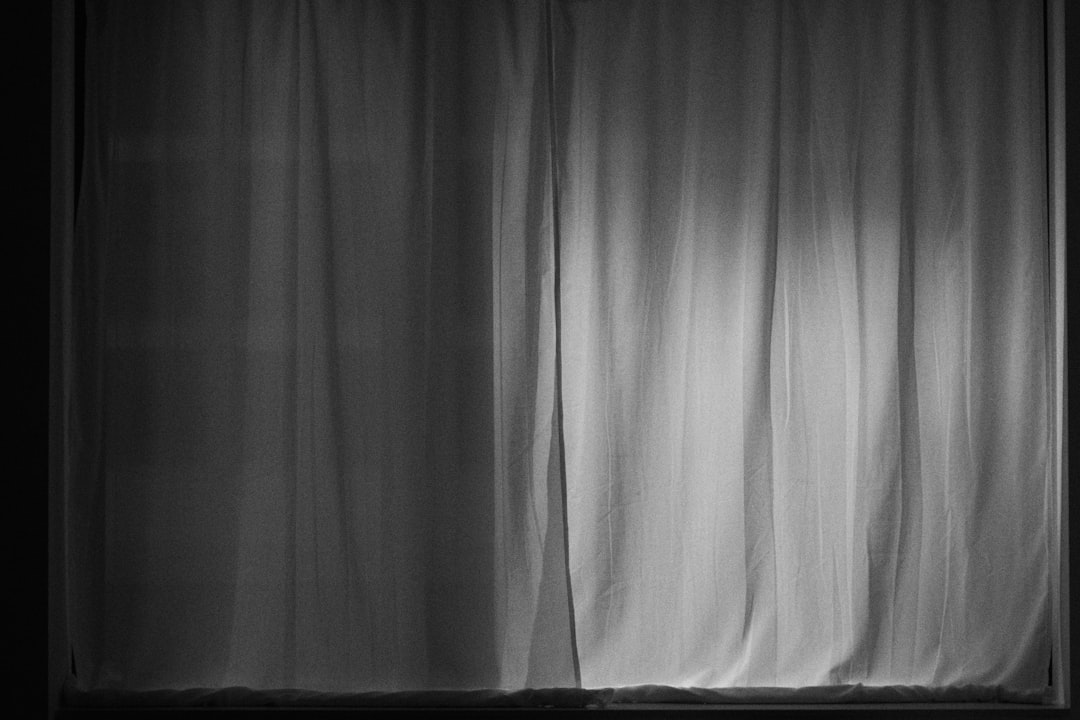
Door curtains, often overlooked, are a fantastic way to add both style and practicality to your home. They’re more than just fabric; they can elevate a room’s aesthetic, offer privacy, and even help with temperature control. Think of them as the unsung heroes of interior design, quietly working to make your space more comfortable and visually appealing.
Let’s face it, not every doorway is meant for a traditional door, and sometimes a solid door isn’t quite right for the vibe you’re going for. This is where door curtains shine.
Softening Hard Lines and Adding Flow
Doors, by their nature, are hard, solid fixtures. A curtain provides a welcome contrast, introducing softness and movement. This can be especially effective in open-plan living areas or between rooms where you want a sense of separation without completely blocking things off. It breaks up linear spaces and encourages a more relaxed, flowing feel.
Boosting Privacy Without Isolation
Sometimes you want a little privacy without completely shutting off a space. A door curtain offers that perfect in-between solution.
Creating a Cozy Nook
Imagine a doorway leading to a home office or a reading nook. A strategically placed door curtain instantly transforms it into a more private, defined area, making it feel more intentional and cozy. It’s like a gentle whisper saying, “This is my space.”
Discreetly Hiding Storage or Utility Areas
Got an open pantry, laundry area, or a storage space that you’d rather not have on full display? A door curtain is a simple, elegant way to conceal these areas without the expense or bulk of a traditional door. It keeps things tidy and out of sight, improving the overall aesthetic of the room.
Enhancing Thermal and Acoustic Comfort
Beyond aesthetics, door curtains can be surprisingly effective at improving your home’s comfort levels.
Keeping the Heat In (or Out)
In colder months, a thicker door curtain can act as an extra layer of insulation, preventing drafts and helping to retain heat. Conversely, in warmer climates, it can block sunlight and reduce heat transfer, keeping your home cooler. This is particularly useful for exterior doors or passageways to less insulated areas like sunrooms or garages.
Muffling Sounds for a Quieter Home
While not soundproofing, a heavy door curtain can certainly help to muffle ambient noise. If you have a busy household or live on a noisy street, a curtain can contribute to a more peaceful environment, reducing sound travel between rooms or from the outside.
If you’re interested in enhancing your home decor with practical solutions, you might find the article on door curtains particularly useful. It explores various styles and materials that can complement your interior while providing privacy and insulation. For more insights, check out this related article on door curtains at Curtain Shop.
Choosing the Right Style and Material
With so many options out there, picking the perfect door curtain can seem a bit daunting. But by considering a few key factors, you can narrow down your choices and find something that truly suits your home.
Considering the Room’s Existing Decor
First and foremost, think about the overall style of the room where the curtain will hang. Is it modern, traditional, bohemian, minimalist? The curtain should complement, not clash with, the existing aesthetic.
Matching Colors and Patterns
Look at the prevailing color palette in the room. You can choose a curtain that matches an accent color, or opt for a neutral tone that blends seamlessly. If the room is already busy with patterns, a solid color might be best. Conversely, if the room is quite plain, a patterned curtain can introduce visual interest.
Harmonizing Textures
Consider the textures present in the room – smooth, rough, woven, metallic. A curtain with a similar texture can tie the room together, or you could introduce a new texture for contrast, as long as it feels intentional and balanced.
Selecting the Right Fabric for Function
The material of your door curtain will heavily influence its look, feel, and performance.
Light and Airy for a Breezy Feel
Lighter fabrics like linen, cotton, or sheer materials are perfect for creating an open, airy atmosphere. They allow natural light to filter through, maintaining a sense of spaciousness. These are great for internal doorways where privacy is less of a concern than allowing light and a gentle flow.
Voile and Lace for Delicate Elegance
For a truly delicate and elegant touch, voile or lace curtains can be beautiful. They offer a hint of privacy while still letting plenty of light pass through, perfect for a romantic or vintage-inspired space.
Heavier Fabrics for Maximum Privacy and Insulation
If privacy, light blocking, or thermal insulation are priorities, opt for heavier fabrics.
Velvet and Velour for Luxury and Warmth
Velvet and velour not only look luxurious but also offer excellent insulation and sound dampening properties. They create a rich, opulent feel, ideal for more formal spaces or bedrooms.
Thick Cotton or Linen Blends for Versatility
Thick cotton or linen blends are wonderfully versatile. They offer good privacy and some insulation while still being relatively easy to care for. They come in a wide range of colors and patterns, making them adaptable to many styles.
Blackout Linings for Ultimate Darkness
For doors leading into bedrooms or media rooms where complete darkness is desired, consider curtains with a blackout lining. This additional layer effectively blocks out light and also enhances thermal insulation.
The Impact of Length and Fullness
How your curtain hangs can dramatically alter its appearance.
Floor-Length for a Classic, Elegant Look
For most interior doorways, a floor-length curtain offers the most polished and elegant look. It should just skim the floor or puddle slightly for a more luxurious feel.
Shorter Lengths for Practicality
In certain situations, a shorter length might be more practical. For instance, if the door is in a high-traffic area where a floor-length curtain might get in the way, or if you want to expose a specific feature near the bottom of the door.
Ensuring Adequate Fullness
A good rule of thumb is for the curtain to be at least 1.5 to 2 times the width of the doorway. This ensures that when the curtain is closed, it has enough fullness to drape beautifully and doesn’t look stretched or skimpy. A fuller curtain also provides better insulation and privacy.
Mounting Your Door Curtain: Options and Considerations

The way you hang your door curtain is just as important as the curtain itself. It affects both functionality and aesthetics.
Rod and Rings for Easy Movement
This is a classic and highly versatile option. A curtain rod with rings allows the curtain to slide smoothly and easily, perfect for doorways that are frequently used.
Decorative Rods as Part of the Design
Choose a rod that complements your room’s decor. Metal rods with decorative finials can add a touch of sophistication, while wooden rods might suit a more rustic or bohemian style. The rod itself can be a design element.
Eyelet or Grommet Curtains for a Modern Look
Curtains with eyelets or grommets thread directly onto the rod, creating a clean, contemporary look with neat, even pleats. They are also very easy to open and close.
Tension Rods for Damage-Free Installation
If you’re renting or simply don’t want to drill holes, a tension rod is a fantastic solution.
Quick and Simple to Install
Tension rods are incredibly easy to install – just twist and extend until they’re snug in the doorway. They are ideal for lightweight curtains and provide a hassle-free setup.
Best for Light Traffic Areas
While convenient, tension rods are generally best suited for doorways with lighter traffic, as heavy curtains or frequent tugging might cause them to slip.
Track Systems for a Streamlined Finish
For a more modern, minimal look, or for very wide doorways, a track system can be an excellent choice.
Smooth Gliding and Discreet Appearance
Track systems allow curtains to glide effortlessly and often have a lower profile than rods, making them less obtrusive. They can be ceiling-mounted for a dramatic floor-to-ceiling effect.
Ideal for Heavy Curtains or Blackout Solutions
Because track systems distribute the weight evenly, they are particularly well-suited for heavier curtains or those with blackout linings, ensuring smooth operation.
Creative Door Curtain Ideas for Specific Areas

Now that we’ve covered the basics, let’s explore some specific applications where door curtains can truly shine.
Enhancing Entryways and Hallways
Your entryway sets the tone for your home. A door curtain here can create a welcoming first impression.
Adding Warmth to a Cold Front Door
If your front door tends to be drafty or lets in too much cold air in winter, a thick, insulated door curtain can make a remarkable difference. It adds a layer of warmth and coziness, making your entryway feel more inviting.
Creating a Sense of Arrival
Even a simple sheer curtain can define the entryway space, subtly separating it from the rest of the home and creating a more distinct sense of arrival.
Softening Room Dividers
Open-plan living is great, but sometimes you want to delineate spaces without putting up permanent walls.
Defining Zones in an Open Layout
Use a door curtain to playfully separate a dining area from a living room, or a home office from a common space. It offers flexibility – open it up for an expansive feel, or close it for a more intimate setting.
Adding Architectural Interest
A well-chosen door curtain can act as an architectural feature in itself, adding color, texture, and a focal point to an otherwise plain opening.
Practical Solutions for Non-Traditional Openings
Not every opening is a standard doorway. Door curtains are brilliant for these unconventional spaces.
Concealing Laundry Nooks
Many homes have laundry areas tucked into closets or alcoves. A door curtain is a much softer and often more attractive alternative to bifold doors or a plain cabinet door, allowing easy access while keeping the machines out of sight.
Skirting Under-Stair Storage
That awkward space under the stairs is perfect for storage, but often looks messy. A simple door curtain can neatly hide away boxes, shoes, or forgotten items, instantly tidying up the area.
If you’re considering enhancing your home’s ambiance and energy efficiency, a door curtain can be an excellent choice. These versatile additions not only provide privacy but also help in regulating indoor temperatures. For more insights on how to choose the right door curtain for your space, you can check out this informative article on curtain options. By selecting the perfect style and material, you can elevate your home’s decor while enjoying the practical benefits that door curtains offer.
Maintenance and Care Tips
| Metrics | Data |
|---|---|
| Energy Savings | Up to 30% |
| Material | PVC or Fabric |
| Installation | Easy and Quick |
| Effectiveness | Reducing heat loss by 80% |
To keep your door curtain looking its best, a little care goes a long way.
Regular Dusting and Vacuuming
Just like any fabric in your home, door curtains can collect dust. Give them a gentle shake or use your vacuum’s upholstery attachment regularly to keep them fresh.
Following Fabric-Specific Washing Instructions
Always check the care label on your curtain. Different fabrics require different cleaning methods.
Machine Washing for Durability
Many cotton or linen curtains can be machine washed on a gentle cycle with cold water. It’s often best to use a mild detergent and air dry to prevent shrinking or damage.
Dry Cleaning for Delicate or Lined Curtains
Velvet, silk, and heavily lined curtains are usually best off being dry cleaned to maintain their delicate structure and prevent shrinkage or damage to the lining.
Dealing with Stains
Address spills and stains promptly. Blot, don’t rub, with a clean cloth. For tougher stains, use a fabric-appropriate stain remover, testing it on an inconspicuous area first.
In conclusion, a door curtain is much more than just a piece of fabric hanging in a doorway. It’s a versatile design element that can transform the look and feel of your home, offering privacy, insulation, and a significant boost in style. By carefully considering your room’s aesthetic, choosing the right fabric, and installing it thoughtfully, you can unlock the full potential of this often-underestimated home accessory. Go ahead, give your doorways the attention they deserve!