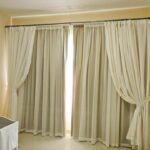
In Singaporean homes, balcony blinds can be used for a variety of purposes, such as improving privacy in high-density living spaces like HDBs & condos or offering protection from the tropical sun. Japandi-inspired balcony blinds are a great option for people who live in BTO apartments or landed properties and want to incorporate a calm, minimalist style into their outdoor areas. This design philosophy emphasizes natural materials, clean lines, & a muted color scheme to create a peaceful haven right on your doorstep. It is a harmonious fusion of Scandinavian functionality and Japanese minimalism. The emphasis on understated elegance, natural elements, and simplicity is what defines Japandi.
This translates into choices for balcony blinds that provide both useful advantages and a tranquil aesthetic. Singaporean homeowners who deal with intense heat and sun exposure can use Japandi principles to design a cozy and beautiful outdoor space. The focus on light diffusion & natural textures is especially important for controlling heat & glare while preserving a connection to the outdoors. fundamental ideas of Japanese design.
For those looking to enhance their minimalist outdoor spaces, Japandi balcony blinds offer a perfect blend of functionality and aesthetic appeal. These blinds not only provide privacy but also complement the serene and uncluttered design ethos of Japandi style. To explore more about creating harmonious outdoor environments, you can read a related article on privacy policies and design considerations at Curtain Shop.
Japanese design is known for its timeless style and practicality. This entails selecting materials for balcony blinds that are both long-lasting & low-maintenance while also enhancing a minimalist look. Walnut, charcoal, warm greige, taupe, muted sage, and eucalyptus greens are examples of the color scheme’s tendency toward warmer, moodier tones. These hues not only go well with the natural surroundings but also contribute to a calming ambiance that is a pleasant diversion from Singapore’s bustling city.
Japanese Balcony Blinds: Material Selection. A key component of the Japandi style is natural materials. This frequently involves linen, bamboo, or woven wood for balcony blinds. These materials complement the design philosophy’s emphasis on authenticity by adding texture and organic warmth to the area. Natural fibers, as opposed to synthetic ones, can provide diffused light instead of total darkness, which is essential for preserving an outdoor atmosphere in Singapore.
The tropical climate of Singapore poses particular difficulties for balcony areas, mainly because of heat, sun exposure, & the ongoing need for privacy, particularly in HDB and condo settings. Japandi balcony blinds are particularly well-suited to solve these issues, providing practical & aesthetically pleasing solutions that adhere to minimalist design principles. Controlling the Sun and Heat. The Singapore sun’s extreme heat and UV rays can quickly make a balcony unusable. Japandi blinds are excellent at blocking out sunlight because they are frequently made from eco-friendly wood shades or natural woven materials like bamboo.
For those looking to enhance their minimalist outdoor spaces, Japandi balcony blinds offer a perfect blend of functionality and aesthetic appeal. These blinds not only provide privacy but also complement the serene and uncluttered design typical of Japandi style. If you’re interested in exploring more about creating harmonious living spaces, you might find this article on balcony design ideas particularly helpful. By incorporating elements like Japandi blinds, you can transform your balcony into a tranquil retreat that reflects your personal style.
| Product Name | Material | Size | Color | Price |
|---|---|---|---|---|
| Japandi Balcony Blinds | Bamboo | Various sizes available | Natural wood color | 120 |
| Japandi Outdoor Roller Blinds | Polyester fabric | Customizable | White, beige, gray | 90 |
| Minimalist Outdoor Bamboo Shades | Bamboo | Standard sizes | Natural wood color | 80 |
The balcony’s ambient temperature is considerably lowered by this light diffusion, which also lessens glare. Light Filtration vs. Options for Blackouts.
For those looking to enhance their minimalist outdoor spaces, exploring Japandi balcony blinds can be a game-changer in achieving a serene and stylish atmosphere. These blinds not only provide privacy but also complement the clean lines and natural materials characteristic of Japandi design. If you’re interested in learning more about how to elevate your outdoor areas with such elegant solutions, check out this insightful article on the benefits of incorporating these elements into your home. You can find it here: explore more about balcony blinds.
Some woven wood shades have blackout liners, but the main Japandi style favors light diffusion to preserve a gentle, organic glow. These liners can be a useful addition for balconies with direct west sun or those that need the most privacy and heat reduction. Light-filtering options, on the other hand, are typically preferred for a more authentic Japandi feel because they enable a subtle interplay of light and shadow, simulating the soft, diffused light of Shoji screens. The advantages of air circulation. Many natural woven blinds permit some air circulation, in contrast to solid barriers.
This is crucial because it helps avoid stuffiness and creates a more comfortable atmosphere in Singapore’s humid climate. In particular, materials like bamboo can provide efficient sun protection without totally obstructing airflow, which is an essential advantage for outdoor areas. improving privacy.
Many Singaporean homeowners, particularly those in HDB and condo units with closely spaced buildings, have serious privacy concerns. Blinds for balconies provide an efficient and quick fix. Day and Night Privacy. Natural woven blinds that filter light can block views from the balcony during the day while still letting light in. Light-filtering blinds may provide less privacy at night, particularly when interior lights are on.
Considerations for improving evening privacy on a balcony could include choosing materials with tighter weaves or combining blinds with strategic lighting. Weave and Opacity of Material. Privacy is directly impacted by the chosen material’s weave density. More seclusion can be achieved by using a privacy liner behind natural materials or tighter weaves. In addition to providing a balance between light filtration & visual obstruction, polyester options that are intended for minimalist privacy can also complement Japandi’s muted color scheme.
For Singaporean homeowners, balcony blinds’ durability and ease of upkeep are crucial considerations. Outdoor fixtures can be harmed by high humidity, persistent sun exposure, and heavy rainfall. Japandi balcony blinds, while emphasising natural materials, also embrace practical design for durability and simple upkeep.
Both material resilience and humidity. Certain natural materials may find it difficult to withstand Singapore’s high humidity levels, which could cause mold growth or warping. However, these problems can be lessened by particular treatments and material selections. Both treated wood and bamboo.
When treated and cared for properly, bamboo, a common material in Japanese design, is naturally quite resistant to humidity. In a similar vein, some treated woods used to make woven blinds can tolerate humidity without suffering appreciable deterioration. When choosing materials for a balcony, especially outdoor blinds, homeowners should ask about the materials’ resistance to mildew & moisture. Steer clear of untreated fiber. Highly absorbent untreated natural fibers might not be the best choice for fully exposed balconies in Singapore.
Selecting materials that are more moisture-resistant by nature or that have been specially treated for outdoor use is recommended for such areas. upkeep to prolong life. Any balcony blind in Singapore can be made to last longer with routine maintenance. Materials that are easy to clean are preferred in Japanese design aesthetics. Dust and debris elimination.
Vacuuming with a brush attachment or light dusting can remove accumulated dust & debris from natural woven blinds. Making sure the blinds are easily wiped down or hosed off (if the material is appropriate) can be helpful for balconies where rain may be a problem. Resolving Stains and Mildew.
If mildew develops, a mild cleaning solution (e. The g. Usually, it can be fixed with water and mild soap, followed by complete drying. To prevent harming the material, certain cleaning solutions suggested by the manufacturer should be applied to organic stains.
In order to avoid long-term staining or material deterioration, prompt action is essential. Lifespan Issues. Balcony blind longevity in Singapore is impacted by material quality, exposure levels, and upkeep. When properly maintained, high-quality bamboo or natural woven blinds can endure for many years.
However, they will inevitably live shorter lives if they are exposed to the sun & rain for extended periods of time without proper protection. Even in a Japandi setting, taking into account certain “outdoor blinds” made for harsher environments for highly exposed balconies might be a sensible option if they complement each other aesthetically. Balcony blind installation needs careful thought, particularly in HDB and condo settings.
Also, incorporating these blinds into a smart home system can greatly improve climate control and convenience. Balconies in Singapore: Installation Options. Given the unique structures of HDB, condo, and landed properties, balcony blinds usually offer a variety of installation techniques, each with unique benefits.
Relaxed versus. Surface mounting. Because recessed roller blinds are discreetly tucked away when not in use, they can provide a very clean, minimalist appearance that is typical of Japan. When the design of the balcony permits it, this choice is perfect.
In many HDB and condo balconies, where recesses might not be present, surface-mounted options are more adaptable and can be mounted on walls or ceiling structures. There may be more options for balconies on larger landed properties. Zip & outdoor blinds. Zip blinds, or other sturdy “outdoor blinds,” provide better protection for balconies that are more exposed and vulnerable to strong winds or heavy rain. Modern versions can be found in colors and materials that complement the subdued Japandi palette, such as natural tones or muted greys, even though they are typically associated with highly functional spaces.
They can effectively seal off the balcony, reducing heat gain and shielding outdoor furniture from the weather. For added convenience, consider motorized blinds. With their easy control over light, heat, & privacy, motorized blinds & curtains are a major advancement in convenience.
The functional aspect of Japanese design is seamlessly integrated with this technology. advantages of motorization. Motorization removes the need for manual operation, which can be especially difficult for large or difficult-to-reach blinds, for Singaporean homeowners, especially those in high-rise condos or landed homes with spacious balcony areas. These blinds allow for precise control over the amount of heat and sunlight entering the room with a single button press or voice command. Integration of smart homes.
Blinds with motors can be incorporated into current smart home systems. This enables automated scheduling, such as retracting the blinds in the evenings to take advantage of the night breeze or deploying them during the hottest parts of the day to lessen the load on the air conditioner. Such integration contributes to a more comfortable living environment and improves energy efficiency, which is consistent with Japandi’s “practical elegance” concept. Setting aside money for balcony blinds is a crucial part of any Singaporean home renovation project. Depending on the material, size, and whether or not motorization is included, the price varies greatly. It’s important to comprehend the typical price ranges and how these blinds can be used successfully in different kinds of Singaporean homes.
Singapore’s balcony blind price ranges. Balcony blind prices are subject to significant variation. Custom-made, motorized natural woven woods or sturdy zip blinds are typically at the higher end of the spectrum, while simpler, manual light-filtering polyester options are typically at the lower end. Manual Basic Options. Simple manual light-filtering polyester blinds could cost several hundred dollars for a small HDB balcony.
If selected in suitable Japandi hues like warm greige or subdued sage, these provide an affordable means of controlling sun and privacy while adding a simple, minimalist look. Bamboo and natural-woven blinds. Depending on size and features, bamboo blinds, linen Roman shades, or natural woven wood shades can cost anywhere from a few hundred to more than a thousand dollars each. “g.”. options without cords).
To achieve the true Japanese look, these are strongly advised. High-end, motorized outdoor blinds. High-performance outdoor blinds like zip blinds or motorized versions of natural woven blinds are more expensive, potentially costing between $1,000 and several thousand dollars per unit, particularly for custom sizes. For many homeowners, especially those with landed properties or large condo balconies, the higher price point is justified by the added functionality and durability against Singapore’s elements. Singaporean homes with room-based use cases.
Japandi balcony blinds, which provide customized solutions for various Singaporean home types, can transform a variety of outdoor spaces. Balconies from HDB & BTO. Japandi balcony blinds can give the impression of a bigger, calmer outdoor space for residents of HDB and BTO, where space is frequently at a premium. Solar string lights combined with light-filtering bamboo blinds can create a “zen ambience” on a tiny terrace, offering a much-needed respite without overpowering the small area.
Controlling the sun and privacy in close quarters is very useful. condominium balconies. Condo balconies, which are frequently larger than those of HDBs, have the potential to truly expand the living area. Natural-textured Shoji-inspired panels or recessed roller blinds can diffuse natural light to create an outdoor-inspired area that blends seamlessly with the interior. Here, motorized options are especially desirable because they make handling larger spans more convenient.
Patios and balconies of landed houses. Larger balconies, patios, or even outdoor living spaces are common on landed properties. This is where Japandi balcony blinds can reach their full potential.
Natural-toned, heavy-duty outdoor blinds can offer significant glare and heat protection in addition to privacy for entertaining or unwinding. Larger outdoor areas that encounter a variety of weather conditions greatly benefit from these options’ robustness and low maintenance requirements. The performance and visual integration of balcony blinds are significantly impacted by Singapore’s distinct climate. In this context, Japandi design provides solutions that are both useful and aesthetically pleasing due to its emphasis on natural materials and thoughtful functionality.
adjusting to humidity and heat in the tropics. Choosing materials and designs that won’t deteriorate in the face of extreme heat and constant humidity is the main challenge. Natural wovens with texture, especially those made of bamboo or treated wood, are more resilient than some synthetic materials, which can occasionally deteriorate or turn discolored when exposed to strong UV light. preventing fading and mildew.
In Singapore, all balcony blinds should receive specific treatments for mildew resistance. Also, maintaining the Japandi aesthetic over time can be achieved by choosing materials that are naturally resistant to fading or by choosing colors that withstand sun exposure with grace. In addition to being fashionable, warmer, moodier color schemes like taupe, walnut, and charcoal are also more tolerant of fading or wear in direct sunlight.
incorporating outdoor landscaping. Because Japandi blinds are simple, they should enhance any existing outdoor landscaping on the balcony rather than overshadow it. Think about how the palette is affected by the greens from vertical gardens or potted plants. When used as window treatments, muted sage and eucalyptus greens can blend in wonderfully with organic vegetation.
Softening views of cities. Japandi blinds provide an opportunity to create a private haven on balconies with less-than-ideal urban views. A harsh urban view can be transformed into a softer, more serene backdrop by the Shoji-inspired light diffusion & the natural textures, highlighting introspection & serenity, which are essential to the Japandi philosophy.
In Singapore’s busy environment, this gives homeowners a mental & visual escape.
.
FAQs
What are Japandi balcony blinds?
Japandi balcony blinds are a type of outdoor blinds that are inspired by the minimalist design principles of both Japanese and Scandinavian aesthetics. They are designed to create a clean, simple, and functional outdoor space.
What are the key features of Japandi balcony blinds?
Japandi balcony blinds typically feature natural materials such as bamboo or linen, neutral colors, and a simple, streamlined design. They are often designed to provide privacy, shade, and protection from the elements while maintaining a minimalist aesthetic.
How do Japandi balcony blinds enhance minimalist outdoor spaces?
Japandi balcony blinds contribute to minimalist outdoor spaces by providing a clean and uncluttered look. They offer a simple and elegant way to control light and create a serene and peaceful outdoor environment.
What are the benefits of using Japandi balcony blinds in outdoor spaces?
The benefits of using Japandi balcony blinds include creating a sense of privacy, controlling sunlight and glare, protecting outdoor furniture from the elements, and adding a touch of natural, minimalist beauty to the outdoor space.
How can Japandi balcony blinds be incorporated into different outdoor settings?
Japandi balcony blinds can be incorporated into various outdoor settings such as balconies, patios, terraces, and gardens. They can be customized to fit different sizes and shapes of outdoor spaces and can complement a range of architectural styles.