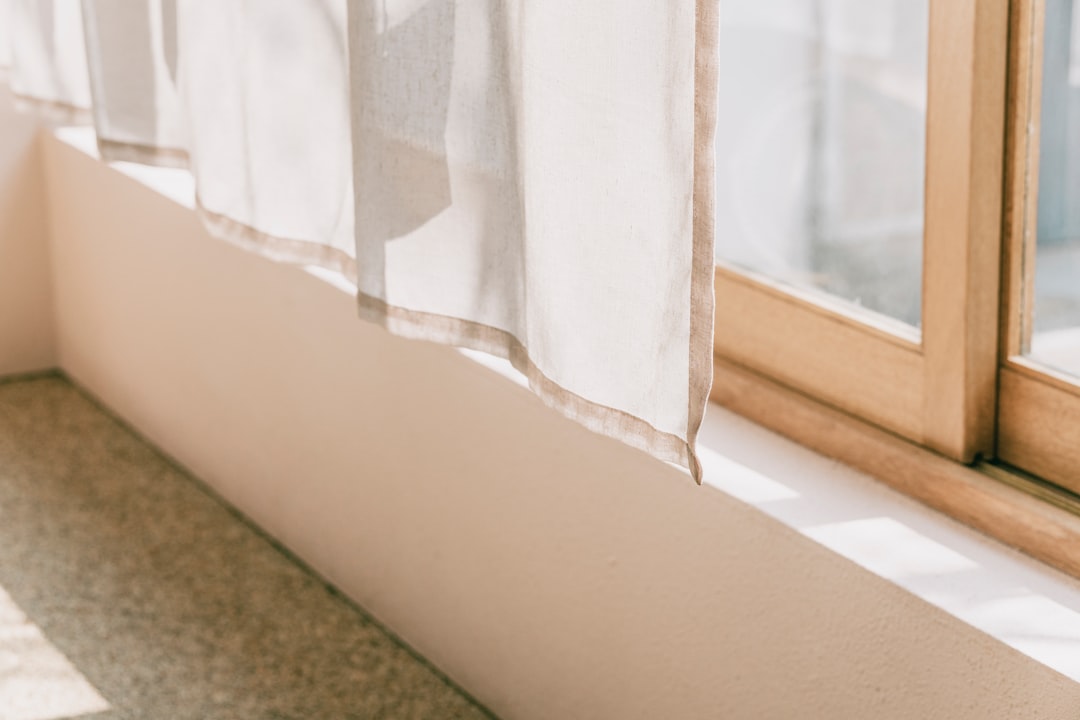
Let’s talk about making your sliding glass doors look great. These big windows are fantastic for bringing the outdoors in, but they can also be real energy vampires and privacy nightmares if left bare. The good news is, stylish drapes are a super practical and attractive solution. They can add serious flair to your room while also dealing with harsh sunlight, drafts, and prying eyes.
The Big Picture: Why Drapes are Your Sliding Door’s Best Friend
Sliding glass doors offer a sweeping view and easy access to patios or balconies. However, they often lack insulation, can create glare, and offer little in the way of privacy. This is precisely where thoughtfully chosen drapes come in. They’re not just about covering up; they’re about enhancing functionality and aesthetics. Think of them as the perfect finishing touch that ties your room together.
If you’re looking to enhance the aesthetic appeal and functionality of your sliding glass doors, you might find the article on choosing the right drapes for sliding glass doors particularly helpful. It offers insights into various fabric options, styles, and installation tips that can transform your space. To learn more, visit the article here: Choosing the Right Drapes for Sliding Glass Doors.
Choosing the Right Fabric: Texture, Weight, and Light Control
When you’re picking out drapes for those large glass expanses, the fabric is your starting point. It’s the foundation for how your drapes will look, feel, and perform. Don’t just grab the first pretty pattern you see; consider what you actually need them to do.
Light Control: From Sunbeams to Snooze-Fest
This is probably the most immediate benefit of drapes on sliding doors. How much light do you want to block or filter?
Blackout Drapes: For Ultimate Darkness
If your sliding door faces east and morning sun is your arch-nemesis, or if you want to create a home theater vibe, blackout drapes are your go-to. They have a special lining that effectively stops nearly all light from entering. This is also fantastic for bedrooms or media rooms where darkness is key. They can also make a significant difference in keeping a room cooler by blocking solar heat gain.
Room Darkening Drapes: A Softer Alternative
Not everyone needs total darkness. Room darkening drapes offer a good compromise. They’re usually made with denser fabrics or a tighter weave, which significantly reduces light but still allows some ambient light to filter through. This can be lovely for living rooms or dining areas where you want to soften the light without making the space feel cave-like.
Light Filtering Drapes: Gentle Ambiance
For a more natural, soft glow, light filtering drapes are the way to go. They allow soft daylight to come in, creating a pleasant atmosphere while still diffusing harsh rays and reducing glare. Linen blends, sheer cottons, or certain polyester fabrics often fall into this category. They’re great for areas where you want to enjoy the natural light but still need a bit of a buffer.
Sheer Drapes: Delicate Privacy and Style
Sheer drapes are all about aesthetics and a light touch of privacy. They’re fantastic for layering with other drapes or for adding a delicate softness to a room without blocking much light at all. They’re more about dressing up the window and providing a subtle barrier than serious light control or insulation. Think of them as ethereal veils that soften the view.
Material Matters: Beyond Just Looks
The material you choose will heavily influence the drape’s drape (yes, that’s a real term!), durability, and how it interacts with light and temperature.
Natural Fibers: Linen, Cotton, and Blends
Linen is a classic for a reason. It has a beautiful natural texture that looks sophisticated and relaxed. It drapes well and offers moderate light filtering. Cotton is also popular, offering a slightly softer feel and more versatility in terms of weaves and patterns. Think about cotton blends, which can offer the best of both worlds – the look of linen with the durability and ease of care of synthetics. Be aware that 100% natural fibers can be prone to fading if exposed to direct sunlight for extended periods.
Synthetic Fabrics: Polyester, Blends, and Performance Materials
Polyester and its blends are workhorses for drapes. They’re generally more durable, wrinkle-resistant, and fade-resistant than natural fibers, making them a practical choice, especially for high-traffic areas or rooms with lots of sun. Many performance fabrics are also available now, designed to be extra durable, stain-resistant, and even antimicrobial.
Velvet and Heavier Fabrics: For Drama and Insulation
For a touch of luxury and serious insulation, consider velvet or other heavier fabrics. Velvet adds incredible depth and richness to a room, and its density makes it excellent for blocking light, sound, and drafts. These are best suited for rooms where you want a more formal or dramatic feel, and where temperature regulation is a high priority.
Texture and Pattern: Adding Personality
Don’t underestimate the power of texture and pattern to elevate your space.
Subtle Textures: Adding Depth Without Overpowering
Think about fabrics with inherent texture, like slubby linens, woven jacquards, or even a subtle pindot pattern. These add visual interest and a tactile quality without being too busy, making them a safe yet stylish choice for large expanses of glass.
Bold Patterns: Making a Statement
If you’re feeling adventurous, a large-scale pattern can be a fantastic way to introduce personality and a focal point to your room. Just make sure the pattern complements your existing decor and doesn’t overwhelm the space. Consider the scale of the pattern relative to the size of the door and the room.
Measuring and Hardware: The Practicalities of Getting it Right
Getting the measurements and hardware wrong can turn your dream drapes into a frustrating mess. Precision here is key.
How to Measure for Drapery Panels
This is crucial for achieving that polished, professional look. You don’t want drapes that are too short, too long, or too narrow.
Width: Ensuring Coverage and Accordion Folds
For sliding doors, you’ll typically need wider panels than you might for a standard window. The general rule of thumb is to measure the width of your door opening and multiply it by 1.5 to 2.5. This ensures that when the drapes are open, they can stack neatly to the side without looking skimpy, and when closed, they provide full coverage and a pleasing fullness. If you have multiple panels, factor in the overlap where they meet in the center.
Length: Floor-Length is Usually Best
For sliding glass doors, floor-length drapes are almost always the most stylish and practical choice. They add a sense of grandeur and formality to the space. Measure from where the rod will be installed down to the floor. Decide if you want them to just touch the floor, skim it, or have a slight puddle. A slight puddle (about half an inch to an inch) adds a luxurious, relaxed feel but can be a tripping hazard or attract dust.
Choosing Your Hanging System: Rods and Tracks
The hardware you use to hang your drapes matters both for aesthetics and functionality.
Traverse Rods: For Easy Opening and Closing
Traverse rods are arguably the most practical option for sliding glass doors. They have an internal mechanism that allows you to open and close your drapes with a cord or wand. This is especially useful for large, heavy drapes that would be difficult to move manually. They also ensure that the drapes pull evenly.
Decorative Curtain Rods: For a Statement Piece
If you prefer the look of a decorative rod, opt for something sturdy and appropriately sized for the span of your sliding door. Think about the finials (the decorative ends) and how they complement your room’s style. You’ll still need to consider how easy it will be to open and close the drapes. Consider using rings or hooks that slide smoothly.
Ceiling-Mounted Tracks: Sleek and Space-Saving
For a minimalist look and excellent light blockage, ceiling-mounted tracks are a fantastic option. They are installed directly into the ceiling, allowing the drapes to hang from floor to ceiling. This creates a seamless look and can make your ceilings appear higher. They also offer excellent control over light and drafts.
Styling Your Drapes: Beyond the Basic Hang
Once you’ve chosen and hung your drapes, it’s time to think about the finer points of styling. This is where you can really personalize your space.
Layering Drapes: The Best of All Worlds
Layering is a fantastic way to achieve both style and function.
Combining Sheers with Heavier Panels
A popular and highly effective method is to layer sheer drapes with heavier, more functional panels. The sheers provide diffused light and a soft visual filter during the day, while the heavier panels can be drawn at night for privacy and light control. This also adds a beautiful depth and dimension to your windows.
Using Valances or Cornices for Added Flair
While not always necessary, a valance or cornice can add a decorative flourish and help conceal the hardware. Valances are fabric top treatments, while cornices are typically more rigid and can be made of wood or upholstered. They can add a touch of formality or a more casual feel depending on the style.
Decorative Touches: Tie-Backs and Hardware
Small details can make a big difference.
Tie-Backs: Functional and Ornamental
Tie-backs are not just for holding drapes open; they can be a decorative element in themselves. You can choose from fabric tie-backs, ropes, tassels, or even metal or wooden embellishments. Ensure they’re positioned correctly to allow your drapes to stack neatly when open.
Embellishments: Tassels, Fringe, and Trims
Don’t shy away from adding a bit of personality with tassels, fringe, or decorative trims along the edges of your drapes. These can add a touch of vintage charm, bohemian flair, or modern sophistication, depending on the style.
If you’re considering enhancing your sliding glass door with stylish drapes, you might find it helpful to explore options that offer both functionality and aesthetics. For instance, motorised curtains can provide a seamless solution for daily convenience, allowing you to easily control light and privacy with just a touch of a button. To learn more about how these innovative window treatments can transform your living space, check out this informative article on motorised curtains.
Frequently Asked Questions: Clearing Up Common Concerns
Let’s address some of those nagging questions you might have.
What’s the best way to clean drapes for sliding doors?
The cleaning method will depend on the fabric. Always check the care label first. For many synthetic fabrics, a good vacuuming with an upholstery attachment is sufficient for regular maintenance. For more thorough cleaning, consider professional dry cleaning, especially for delicate fabrics like velvet or silk. Some lighter fabrics might be machine washable on a gentle cycle, but always air dry to prevent shrinkage or damage.
How do I prevent drafts from sliding glass doors?
Well-chosen drapes, especially those made from heavier fabrics or with thermal linings, can significantly reduce drafts. Ensuring that your drapes hang close to the floor and reach the sides of the door frame without large gaps is also important. You might also consider adding draft stoppers along the bottom of the door itself if drafts are a persistent problem.
Can I use blinds or shades in addition to drapes?
Absolutely! Combining drapes with blinds or shades can provide excellent layered light control and privacy. For example, you could use cellular shades that offer insulation and light filtering, and then add drapes for a softer aesthetic and added privacy. Or, roller shades can be a sleek, minimalist option that complements drapes beautifully.
By now, you’ve got a much clearer picture of how stylish drapes can transform your sliding glass doors from a functional necessity to a design feature. It’s about finding the right blend of practicality and personal style that makes your space feel comfortable, inviting, and uniquely yours.