Looking to make your patio door more than just an exit? Investing in the right curtains can transform the feel of your outdoor space, adding privacy, style, and even a bit of practical magic. Instead of leaving your patio door bare, consider how curtains can enhance both the inside and outside of your home. They’re not just for windows anymore; patio door curtains offer a fantastic way to control light, improve insulation, and bring a touch of design flair to a often-overlooked area.
The material of your patio door curtains is probably the most crucial decision you’ll make. It directly impacts their performance, durability, and overall aesthetic. Think about what you need most from your curtains before diving into styles.
Opacity Levels: Balancing Light and Privacy
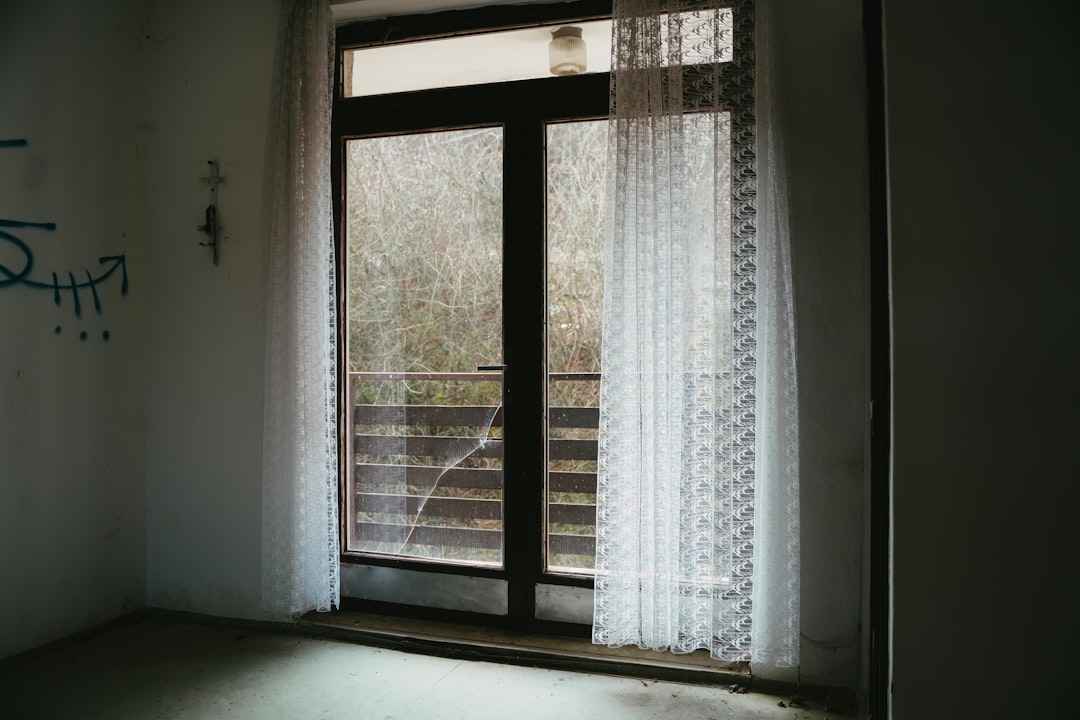
- Sheer Fabrics: If your main goal is to soften the light and add a gentle, airy feel without sacrificing much natural light, sheers are a great pick. They offer a touch of privacy during the day but become more transparent at night when interior lights are on. Think light linen or voile for an elegant, breezy look. They’re perfect for bright spaces where you want to maintain a connection with your outdoor view while still adding a decorative touch.
- Light-Filtering Fabrics: These fabrics strike a good balance. They let a fair amount of light through, creating a warm glow, but offer more privacy than sheers. Common choices include cotton blends, faux silk, or textured polyesters. They’re ideal for living areas or dining rooms where you want brightness without the harsh glare, and where you want to obscure the view from outside without completely blocking it.
- Room-Darkening/Blackout Fabrics: For bedrooms, media rooms, or any space where you need maximum light control and privacy, blackout curtains are your go-to. They are often made with a special backing or tightly woven fabric that blocks almost all incoming light. Beyond light, they also offer significant thermal insulation, keeping heat in during winter and out during summer. These are also excellent for shift workers or anyone who needs to sleep during daylight hours.
Durability and Maintenance: Outdoor Elements and Longevity
- Weather-Resistant Fabrics: If your patio door is exposed to direct sunlight, humidity, or even occasional splashes, consider weather-resistant options. Solution-dyed acrylics (often used for outdoor furniture) or specially treated polyesters are excellent for preventing fading, mildew, and general wear and tear from the elements. These fabrics are engineered to withstand harsh UV rays without deteriorating in color or strength.
- Easy-Care Materials: For busy households, machine-washable fabrics are a lifesaver. Cotton, linen, and many synthetic blends can be tossed in the wash, making maintenance a breeze. Always check the care label before purchasing, especially for more delicate or specialty fabrics. Ease of cleaning is a huge factor, particularly for patio doors which can be high-traffic areas and prone to getting dirty.
- Insulating Properties: Beyond just light, some fabrics are better at insulating. Thermal-backed curtains can make a noticeable difference in energy efficiency, reducing drafts and helping to regulate indoor temperatures. This can translate to real savings on your heating and cooling bills, making them a practical choice for any climate.
When considering the aesthetic and functional aspects of your home, patio door curtains can play a significant role in enhancing both style and comfort. For those looking to improve their overall living environment, you might find it interesting to explore how bedroom curtains can also contribute to better sleep quality. To learn more about this topic, check out the article here: Bedroom Curtains That Improve Sleep Quality.
Curtain Styles for Patio Doors: Beyond the Basic Panel
Patio doors often present unique challenges compared to standard windows due to their size and frequent use. The style you choose isn’t just about looks; it’s about functionality and how easily you can access your outdoor space.
Panel Curtains: The Classic and Versatile Choice
- Single Panel: For a sleek, minimalist look, a single wide panel can cover your entire patio door. This works well if you don’t frequently open the door or prefer to sweep the curtain neatly to one side when you do. The major consideration here is ensuring the curtain rod extends far enough beyond the door frame to allow the panel to be fully pulled back without obstructing the doorway.
- Bi-Parting Panels: This is a popular and practical choice, especially for French doors or wider sliding doors. Two panels meet in the middle, allowing you to draw them open to either side. This symmetrical look is aesthetically pleasing and offers convenient access. This style also allows for more flexibility in light control, as you can open them partially from the center.
Door-Mounted Options: For a Seamless Look
- French Door Curtains (Tie-Backs): These are designed specifically for French doors. Each curtain panel is attached directly to the door itself, often at the top and bottom with small rods or magnetic clips. This means the curtains move with the door when opened, preventing them from catching and keeping them neat. Tie-backs are typically used to gather the fabric in the middle, allowing light in when desired. They offer a tailored, custom fit.
- Sliding Panel Systems: For very wide patio doors or multi-panel sliders, a sliding panel system is a modern and highly functional choice. These consist of large, flat fabric panels that glide along a track. They stack neatly when open and provide a very clean, contemporary look when closed. They’re excellent for large expanses of glass where traditional curtains might feel bulky.
Alternative Treatments: Beyond Fabric Panels
- Vertical Blinds: While not fabric in the traditional sense, modern vertical blinds come in a variety of materials and textures beyond the old plastic varieties. They are highly practical for patio doors, allowing for precise light control and easy traversal. Many now offer sleek designs that are far more attractive than their predecessors.
- Roman Shades: If you love the clean lines and tailored look of Roman shades, they can be adapted for patio doors. They stack neatly at the top when raised, offering an unobstructed view and easy access. However, ensure they are mounted high enough to clear the top of the door when fully raised. Due to their stacking nature, you’d likely need individual shades for each door panel.
- Roller Shades: For a minimal, almost invisible solution, roller shades tuck away discreetly at the top of the door frame. They offer excellent light control, especially in blackout versions, and are very easy to operate. They are particularly good for modern or minimalist décors where you want the focus to be on the view rather than the window treatment.
Hardware Matters: The Rod, Track, and Finials
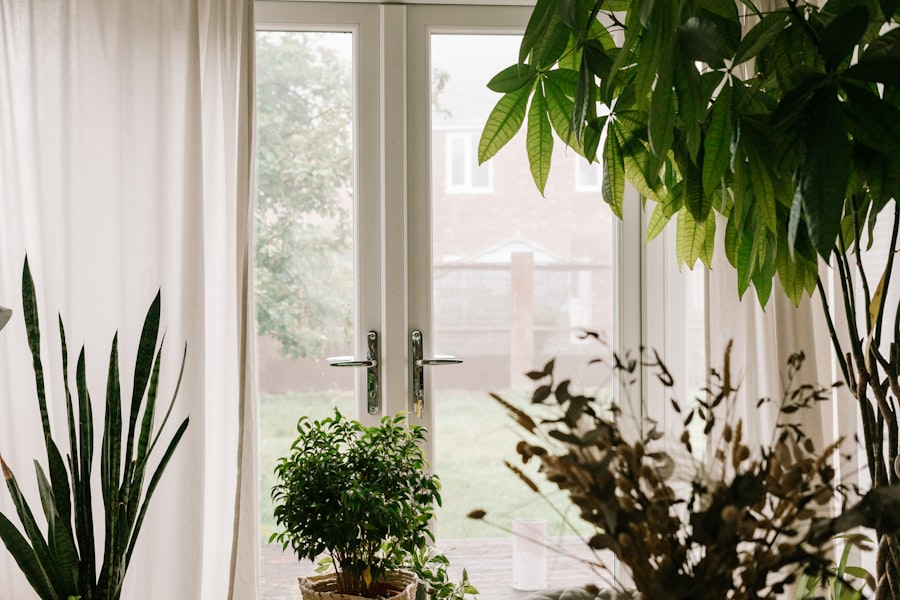
Don’t underestimate the impact of your curtain hardware. It’s not just functional; it’s an integral part of the overall design and can profoundly influence how your curtains look and operate.
Rod Style and Material: Form Meets Function
- Standard Rods: These are the most common and versatile, available in various diameters, materials (metal, wood, composite), and finishes (brushed nickel, oil-rubbed bronze, black, white, natural wood). Choose a rod sturdy enough to support the weight of your chosen curtains, especially if they are heavy or wide. The finish should complement your existing decor and other metal accents in the room.
- Traverse Rods: If you want your curtains to open and close smoothly with a cord or wand, a traverse rod is ideal. They have internal carriers that the curtains attach to, preventing snagging and ensuring an effortless glide. This is particularly useful for very wide patio doors or curtains that will be opened and closed frequently.
- Magnetic Rods: Specifically for French doors or metal doors, magnetic rods offer a no-drill solution. They attach directly to the door frame with strong magnets, making installation incredibly simple. They’re perfect for lightweight curtains and provide a clean, integrated look.
- Track Systems: For sliding panel systems or very modern aesthetics, a ceiling-mounted or wall-mounted track system can be incredibly sleek. The track is often recessed or minimal, allowing the focus to remain on the fabric panels. These offer very smooth movement and can handle significant weight.
Finials and End Caps: The Finishing Touch
- Decorative Finials: These are the decorative caps on the ends of your curtain rod. They come in an endless array of designs, from simple balls and classic scrolls to more intricate, artistic shapes. They should complement the rod style and the overall room decor, acting like jewelry for your windows.
- Minimalist End Caps: If your aesthetic is more modern or understated, simple end caps offer a clean, unobtrusive finish to the rod. They provide a tidy look without drawing attention away from the curtains themselves.
Projection and Clearance: Practical Considerations
- Clearance from Wall: Ensure your hardware provides enough projection from the wall for your curtains to hang freely without rubbing against the wall or window frame, especially if you have deep trim. This is especially important for wider doors where the curtain will stack back.
- Door Opening Clearance: Crucially, if you opt for curtains that extend beyond the door frame, make sure the stacking curtains don’t interfere with the door opening fully. The rod may need to extend significantly past the door’s width to allow the fabric to stack completely off the glass. Measure twice, install once!
Installation Tips: Getting It Right the First Time
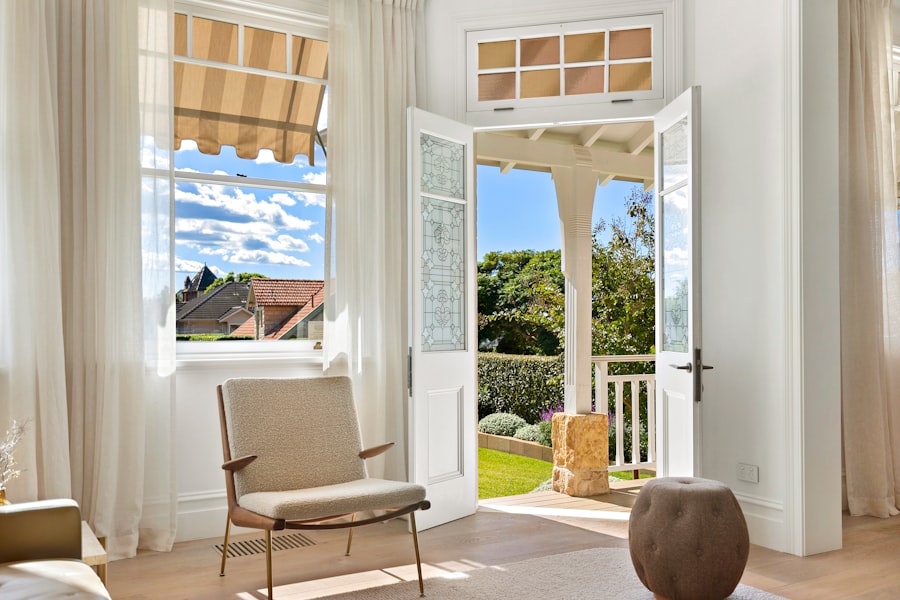
Proper installation is key to both the look and functionality of your patio door curtains. A perfectly chosen curtain can look sloppy if hung incorrectly, or worse, hinder access to your outdoor space.
Measuring Accurately: The Foundation of Success
- Width: For a standard, non-door-mounted curtain, measure the width of your patio door’s frame, then add 8-12 inches (20-30 cm) to each side. This extended width ensures that when the curtains are open, they clear the glass entirely, allowing for an unobstructed view and full door access. For fullness, your curtain fabric should be 1.5 to 2 times the total width of the rod.
- Length: Decide if you want your curtains to “kiss” the floor (just touching), “break” (pooling slightly), or “puddle” (gathering more dramatically). Measure from where you plan to install your rod down to your desired length. Always opt for curtains that are too long rather than too short; hemming is much easier than adding fabric. For door-mounted curtains, measure the exact height of the glass section you wish to cover and add a couple of inches for hemming or rod pockets.
Mounting Height: Creating an Illusion of Grandeur
- High and Wide: A general rule of thumb for curtains, especially for patio doors, is to mount the rod 4-6 inches (10-15 cm) above the door frame (or even higher, closer to the ceiling, if space allows). This draws the eye upward, making the door and the room feel taller and more expansive. Extending the rod wider than the door frame also optically widens the space.
- Hardware Strength: Given the size and potential weight of patio door curtains, ensure your hardware is robust and securely installed into wall studs or with appropriate wall anchors. There’s nothing worse than a beautiful curtain rod coming down on a busy patio door.
Understanding Heading Styles: The Top of Your Curtains
The way the top of your curtain panel is constructed, known as the heading, affects its drape and overall appearance.
- Grommet: Large metal rings are punched directly into the fabric. They slide easily along the rod and create a modern, wavy fold. They’re excellent for frequently opened and closed patio door curtains due to their smooth gliding action.
- Rod Pocket: A channel sewn into the top of the fabric through which the rod slides. This creates a gathered, soft look. While elegant, they tend to be harder to slide open and closed, so they’re best for curtains that are mainly decorative or opened infrequently.
- Back Tab: Loops sewn on the back of the curtain panel create a clean, pleated look from the front while largely concealing the rod. They offer a more tailored look than rod pockets and slide a bit more easily.
- Pleated (Pinch Pleat, French Pleat): These are more formal and custom-looking, offering a precise, tailored drape. They attach to a rod with rings and clips or can be used with a traverse rod for easy operation. They’re often heavier and more substantial.
When considering the best options for enhancing your patio space, it’s essential to explore various styles and functionalities of curtains. For instance, if you’re looking for innovative solutions that combine aesthetics with practicality, you might find this article on Alpha Shading particularly insightful. It discusses how the right choice of patio door curtains can not only improve your home’s energy efficiency but also elevate its overall design.
Beyond Aesthetics: Practical Benefits of Patio Door Curtains
| Metrics | Data |
|---|---|
| Search Volume | 5,000 monthly searches |
| Click-through Rate | 3.5% |
| Conversion Rate | 10% |
| Competition | Medium |
While style is certainly a driver, patio door curtains offer a multitude of tangible benefits that go beyond just making your space look good.
Enhancing Privacy: Your Own Oasis
- Daytime vs. Nighttime Privacy: Sheer or light-filtering curtains offer a degree of privacy during the day without blocking natural light entirely. However, for true nighttime privacy, especially when interior lights are on, room-darkening or blackout curtains are essential to prevent outsiders from seeing directly into your home. This is particularly important for ground-floor patio doors or those facing busy areas.
- Obscuring Undesirable Views: Sometimes, your outdoor view isn’t exactly postcard-perfect. Curtains can soften or entirely obscure an unattractive view, such as a neighbor’s fence, a busy street, or an unkempt area, creating a more pleasant internal environment.
Improving Energy Efficiency: Save on Bills
- Thermal Insulation: Patio doors, especially older single-pane models, can be major culprits for energy loss. Thermal-backed or heavier, tightly woven curtains act as an extra layer of insulation. They can significantly reduce heat transfer, keeping warm air in during colder months and blocking heat gain during summer. This translates directly into lower heating and cooling costs.
- Blocking Drafts: Curtains can effectively block cold drafts that often seep in around door frames, making rooms feel more comfortable and reducing the need to crank up the thermostat or air conditioning.
Light Control: From Glare to Gentle Glow
- Glare Reduction: Direct sunlight through a patio door can cause uncomfortable glare, making it difficult to watch TV, work on a computer, or even just relax. Curtains allow you to filter or block this harsh light, creating a more comfortable ambiance.
- UV Protection: Harsh UV rays aren’t just uncomfortable; they can also fade furniture, flooring, and artwork over time. Curtains provide a protective barrier, extending the life of your interior furnishings and decor. This is a subtle but very important long-term benefit.
- Adjustable Ambiance: The ability to adjust curtains means you can dial in the perfect amount of light for any activity or mood—from bright and airy to dim and cozy. This flexibility is a huge advantage over bare glass.
Noise Reduction: A Quieter Home
- Sound Absorption: Fabric, especially heavier or lined curtains, naturally absorbs sound waves rather than reflecting them. This can measurably reduce outside noise pollution (traffic, neighbors, wind) and also improve the acoustics within a room by reducing echo. This is especially beneficial for patio doors that face busy streets or communal outdoor areas.
By thinking through these practical aspects alongside the aesthetic ones, you can choose patio door curtains that not only look fantastic but also make your home a more comfortable, energy-efficient, and private sanctuary.