So, you’ve got those big, beautiful sliding glass doors. They’re great for letting in light and giving you that seamless indoor-outdoor feel. But when it comes to dressing them up with curtains, it can feel a little… well, tricky. The good news is, it’s totally doable to make them both look fantastic and work practically. You don’t have to end up with heavy, awkward drapes that get in the way or a bare doorway that offers zero privacy. Let’s dive into some stylish solutions that will make your sliding doors a real asset to your home.
Before we get into the fun stuff about styles and fabrics, it’s important to think about what you actually need your curtains to do. Sliding doors often cover a significant portion of a wall, so the curtains you choose will have a big visual impact. Plus, they need to function well without being a constant hassle.
Light Control: From Bright and Airy to Cozy and Dark
This is usually one of the top priorities. Do you want to block out the sun almost completely, or are you happy with diffused light?
Blackout Curtains: For Serious Darkness
If your sliding doors face east or west and the morning or evening sun is intense, blackout curtains are your best friend. They have a special lining that blocks out nearly all light. This is also fantastic for home theaters or bedrooms where you need total darkness.
Room Darkening Curtains: A Good Compromise
These offer significant light blocking but might let a little bit of light peek through around the edges. They’re great for living areas where you want to reduce glare but don’t need complete darkness.
Sheer Curtains: For Privacy and Softness
If light is your primary goal and privacy is secondary, sheers are a fabulous choice. They offer a bit of diffusion and privacy during the day without blocking out your view or natural light.
Privacy: Keeping Your Space Yours
Sliding doors can sometimes feel like the whole world is looking in. Curtains are a straightforward way to reclaim your privacy.
How Much Privacy Do You Need?
Think about your location. Are you in a bustling city with lots of foot traffic, or a secluded spot with just the occasional curious squirrel? What time of day are you most concerned about privacy?
Fabric Opacity Matters
Even without a blackout lining, denser fabrics will offer more privacy than lighter ones. Double-check the “light filtration” or “privacy level” on curtain descriptions.
Insulation: Keeping the Temperature Just Right
Large glass areas can be a source of heat loss in winter and heat gain in summer. The right curtains can help.
Thermal Curtains: Your Seasonal Saviors
These are designed with layers that trap air, providing a barrier against extreme temperatures. They can significantly reduce your energy bills and make your home more comfortable year-round.
Layering for Maximum Effect
Consider layering a thicker curtain over a sheer panel. This gives you flexibility – open the sheers for light and close the thicker panel for insulation and privacy.
Aesthetics: Making a Statement or Blending In
Beyond function, curtains are a key design element. They can be the star of the show or a subtle complement to your decor.
Matching Your Style
Are you going for a minimalist, modern vibe, or something more traditional and cozy? The fabric, color, and pattern of your curtains will heavily influence this.
The Impact of Color and Pattern
Bold colors or patterns can add a focal point, while neutral tones can create a sense of calm and spaciousness.
When considering the best window treatments for your home, it’s essential to explore various options that complement your style and functionality needs. For instance, if you’re looking for alternatives to curtains for sliding glass doors, you might find it helpful to read about Venetian blinds, especially in tropical climates. These blinds offer a practical solution that allows for light control and privacy while maintaining a sleek appearance. To learn more about this option, check out the article on Venetian blinds in tropical climates at this link.
Curtain Types That Work Best for Sliding Doors
Not all curtain styles are created equal when it comes to spanning a large sliding door. Some are simply more practical and look better.
Pleated Curtains: Classic Elegance and Control
Pleated curtains offer a refined look and excellent functionality for sliding doors. The way the fabric drapes and folds makes them a popular choice.
Pinch Pleats: Structured and Sophisticated
These are formed by pinching three or more fabric layers together at evenly spaced intervals along the top of the curtain. This creates a compact, elegant fold that hangs beautifully. They require special hardware, usually traverse rods, which are ideal for large spans.
Goblet Pleats: A More Formal Touch
Similar to pinch pleats, but the “pinch” is fuller, creating little cup-like shapes at the top. These are luxurious and best suited for more formal interiors.
Ripple Fold Curtains: Modern and Sleek
This is a fantastic modern option. The fabric folds in a continuous wave when opened and closed, creating a very clean and streamlined look. They hang from a special track system, making them glide effortlessly. This is a great choice if you want a contemporary feel and minimal bulk.
Grommet Curtains: Contemporary and Easy to Move
Grommet curtains (also called eyelet curtains) have metal rings sewn into the top edge, which slide directly onto a decorative rod.
The Look of Grommets
They create large, flowing folds of fabric that provide a decidedly modern and casual aesthetic. They’re easy to open and close, which is a big plus for sliding doors.
Rod Considerations
You’ll need a sturdy rod that can handle the weight of the curtains and the repeated movement. Extended or extra-long rods are often necessary for sliding doors.
Rod Pocket Curtains: Simple and Classic
These have a channel at the top where you slide the curtain rod through. They create a gathered look.
The Appeal of Rod Pocket
They offer a softer, more relaxed look than grommets or pleats. However, they can be a bit trickier to slide open and closed, especially on longer rods, which might lead to some bunching or snagging.
Best for Less Frequent Use
If you plan to open and close your curtains often, you might want to consider another style to avoid wear and tear on the rod pocket.
Tab Top Curtains: Casual and Whimsical
Similar to rod pocket, but the tabs are loops of fabric sewn onto the top edge.
A Relaxed Vibe
Tab tops offer a slightly more casual, bohemian, or even country feel. The tabs can be quite decorative.
Functionality Check
Like rod pocket, sliding them can be a bit of a workout on longer runs. Ensure the tabs are wide enough for your rod.
Hardware Matters: The Foundation of Your Curtain Setup
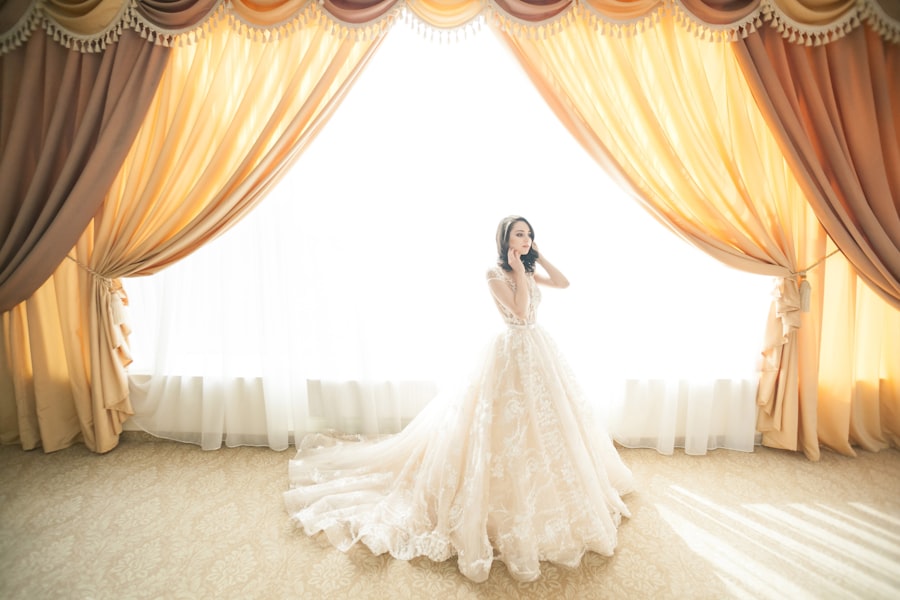
Choosing the right hardware is just as important as picking the curtains themselves. It dictates how easily they move, how they hang, and the overall look.
Traverse Rods: For Effortless Operation
These are the workhorses for sliding door curtains. A traverse rod has a cord or wand system that allows you to open and close the curtains smoothly from one side.
The Benefits of a Cord System
It’s incredibly practical for large expanses of fabric, preventing you from having to pull the heavy material directly, which can cause wear and tear on the fabric and the rod.
Single vs. Double Traverse Rods
You can opt for a single rod where curtains meet in the middle, or a double rod if you want to layer sheers and heavier drapes.
Decorative Rods with Rings: For Style and Functionality
While sometimes less practical for very heavy curtains, decorative rods with rings can work, especially if you opt for sheer or medium-weight fabrics.
Using Rings for Better Glide
Using rings with clips or hooks can create a smoother sliding action than directly threading certain curtain types onto a rod.
Embracing the Aesthetic
Decorative rods can add a significant design element. Think about finials and rod finishes that complement your room.
Track Systems: The Ultimate in Smoothness
For a truly seamless and modern look with maximum ease of operation, track systems are unbeatable.
Ceiling-Mounted Tracks: Space-Saving and Sleek
These are fitted directly into the ceiling, offering a very clean and contemporary look. They are particularly good for making rooms feel larger.
Wall-Mounted Tracks: Versatile and Discreet
These are mounted to the wall above the door. They often have a low profile, making them blend in well.
Why They’re Great for Sliding Doors
The gliders in these tracks are designed for smooth, consistent movement, even with heavy fabrics. They can also be bent to accommodate curved windows or unusual angles.
The Importance of Width and Extension
Don’t underestimate the need for a rod or track that’s wide enough. Ideally, curtains should extend beyond the actual door frame on both sides when fully open.
Why Extend Beyond the Frame?
This allows the maximum amount of light to enter and makes the curtains look more substantial and visually appealing when they’re open.
Measuring is Key
Always measure the total width of your sliding door area, and then add extra for overlap and extension.
Fabric Choices: Balancing Beauty and Durability
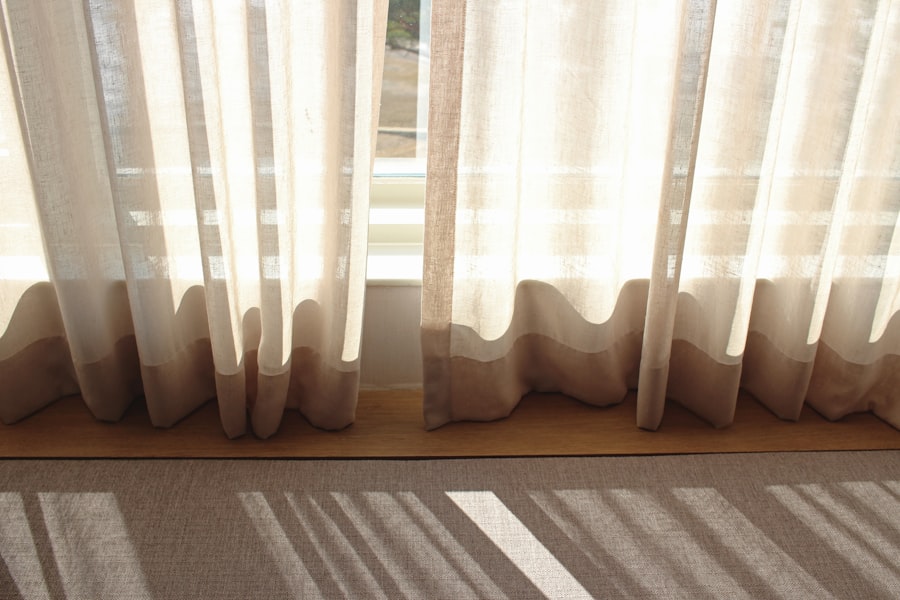
The material of your curtains plays a huge role in both their appearance and their practicality for sliding doors.
Natural Fibers: Timeless and Breathable
Linen, cotton, and blends offer a classic look and feel.
Linen: Casual Chic
Linen curtains have a beautiful texture that drapes well and adds a touch of understated elegance to any room. They filter light softly and offer a natural, breathable quality. They can wrinkle, which is part of their charm, but they are generally durable.
Cotton: Versatile and Easy Care
Cotton is widely available in countless colors and patterns. It’s relatively affordable and easy to care for. Heavier cottons can offer good light blockage and insulation.
Blends: The Best of Both Worlds
Cotton-linen blends or cotton-polyester blends often combine the desirable qualities of natural fibers with the wrinkle resistance and durability of synthetics.
Synthetic Fibers: Performance and Practicality
Polyester, nylon, and acrylic offer durability and specific performance features.
Polyester: The Everyday Hero
Polyester is incredibly durable, wrinkle-resistant, and fade-resistant. It’s also generally more affordable and comes in a vast array of textures and weights. Many performance fabrics, like those with blackout or thermal properties, are polyester-based.
Velvet: Luxurious and Insulating
For a touch of opulence and excellent insulation, velvet curtains are a fantastic choice. They absorb sound and offer a rich, cozy feel. They can be quite heavy, so ensure your hardware can support them.
Microfiber: Softness and Durability
Microfiber fabrics are known for their softness and fine weave, offering good durability and light filtration.
Performance Fabrics: Added Benefits
Beyond basic materials, consider fabrics with built-in benefits.
Blackout Linings: For Maximum Darkness
These are often a separate piece of fabric sewn to the back of your main curtain. They’re essential for bedrooms or media rooms.
Thermal Linings: For Insulation
These thicker linings help regulate temperature, keeping your room warmer in winter and cooler in summer.
Sun-Blocking Treatments: For UV Protection
Some fabrics are treated to block harmful UV rays, protecting your furniture and flooring from fading.
When considering the best options for enhancing privacy and style in your home, curtains for sliding glass doors can be a fantastic choice. They not only provide a functional solution but also add a decorative touch to your living space. For more insights on how to choose the right curtains for various areas in your home, you can check out this informative article on curtain options for different spaces. This resource can help you explore various styles and materials that complement your interior design while ensuring that your sliding glass doors remain both stylish and practical.
Styling Tips for Sliding Doors
| Metrics | Data |
|---|---|
| Number of curtains | 1 or 2 |
| Material | Fabric, sheer, blackout |
| Size options | Standard or custom |
| Color options | Various colors and patterns |
| Installation method | Rod, track, or grommet |
Okay, we’ve covered the practicalities. Now for the fun part: making them look amazing.
Fullness is Key: Don’t Skimp on Fabric
For sliding doors, you need ample fabric to create those beautiful drapes. Aim for at least 2 to 2.5 times the width of your window area.
Why So Much Fabric?
This “fullness” ensures your curtains hang with lovely pleats and folds, rather than looking flat and limp. It also allows for proper overlap when closed.
The Visual Impact of Fullness
More fabric equals more luxury and a more polished appearance.
Consider the Stack-Back Space
When your curtains are open, where will they go? Make sure you have enough clearance.
Allowing for Full Opening
The goal is to have the curtains stack neatly to the sides, leaving as much of the glass open as possible for light and views.
Measuring Your Stack-Back
This is crucial for ensuring your open curtains don’t block pathways or look awkward.
Layering for Flexibility and Style
Layering curtains offers both practical benefits and a sophisticated look.
Sheer Base Layer: Soft Light and Privacy
A sheer panel as your base layer provides diffused light and a measure of privacy during the day without completely obscuring the outside.
Heavier Top Layer: Blackout or Insulation
Over the sheer, you can add a heavier, more decorative curtain that provides blackout capabilities, insulation, or simply adds texture and color. This gives you complete control over light and ambiance.
Height Treatments: Drawing the Eye Upward
The height at which you hang your curtains can dramatically affect the perception of your room.
Floor-to-Ceiling: Creates Drama and Height
Hanging curtains so they just skim the floor, or even puddle a little, draws the eye upward, making ceilings appear higher. This is a very elegant solution for sliding doors.
Sill Length: Practical for High-Traffic Areas
If your sliding doors lead directly to a high-traffic area or outdoor space, you might opt for curtains that end just at the windowsill. This prevents them from getting caught or dirty. However, for sliding doors, floor-length is usually the more stylish and practical choice.
Color and Pattern Coordination
Think about how your curtains will interact with your existing decor.
Complementary Colors: Harmonious Spaces
Choose colors that are already present in your room’s palette, or colors that naturally complement your existing scheme.
Accent Colors: A Pop of Interest
If your room is largely neutral, a bold color or pattern in your curtains can serve as a striking accent and focal point.
Don’t Forget the Back of the Curtain
If your curtains will be visible from the outside, consider how the back of the fabric looks. Some fabrics have different colors or textures on each side, so it’s worth checking.
Accessorizing: Tie-Backs and More
Don’t overlook the smaller details that can enhance your curtain setup.
Decorative Tie-Backs: Functional and Fashionable
Stylish tie-backs can hold your curtains neatly to the sides when open, and they can also be a decorative element in themselves, adding flair and personality.
Holdbacks: Elegant and Permanent
For a more permanent and polished look, wall-mounted holdbacks offer a great way to keep curtains elegantly positioned.
By considering these practical needs and then exploring the various stylish solutions available, you can transform your sliding glass doors from a potential design challenge into a beautiful and functional feature of your home. It’s all about finding the right balance between form and function.