Creating a living space that is both aesthetically pleasing & highly functional is crucial in Singapore’s urban landscape, where space can be limited & the tropical climate presents special challenges. For HDB apartments, BTOs, condos, and landed homes throughout the island, the Japandi design philosophy—a deliberate blend of Scandinavian coziness and Japanese minimalism—offers an alluring option. This method of interior design easily extends to window styling, turning what could be thought of as a purely functional component into a crucial part of the general efficiency and tranquility of a house. By applying Japandi principles to their living room windows, Singaporean homeowners can greatly improve privacy, climate control, and the general atmosphere of their home, transforming their living area into a real haven. accepting unobstructed views & natural light. Natural light is revered as a fundamental element of Japanese design.
Even though it can be quite intense at times, Singapore’s plentiful sunshine can be used to create light-filled, spacious, and inviting living areas. Large, unobstructed windows that let natural light flood the space & create a sense of openness by fusing the indoors with the tropical outdoors are a common feature of Japanese window design. Because lots of natural light can make smaller spaces feel much larger, this emphasis is especially helpful in HDB and condo units where space optimization is crucial. Minimalist Care for Optimal Effect.
For those looking to enhance their Japandi living room aesthetics, you may find inspiration in our related article on window styling, which offers practical tips and ideas to harmonize your space. Discover how to seamlessly blend natural materials and minimalist designs to create a serene atmosphere by visiting our guide here: Window Styling Guide.
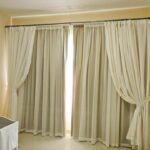
Window treatments that are elaborate or heavily layered are avoided in the Japandi style. Functionality and simplicity are prioritized instead. This strategy is ideal for Singapore’s need for workable solutions that also promote a calm home environment. Sheer curtains: Transparent, lightweight materials like blends of cotton or linen work best.
They soften the harsh Singaporean sun while maintaining a connection to the outside world by diffusing it. For ground-floor HDB apartments or condos facing nearby buildings, these curtains provide a certain level of privacy during the day without totally obstructing the view or light. Their muted hues—consider whites, off-whites, delicate beiges, & light greys—blend in perfectly with the Japandi color scheme, reflecting the calming hues of the natural world. Simple Wooden Blinds: Natural-finished wooden or faux wood blinds are a great option for settings that call for more robust light control and privacy.
Their natural materials and simple lines complement Scandinavian & Japanese design elements. With their adjustable slats, homeowners can precisely regulate the amount of light that enters the room & control solar glare, which is particularly important during Singapore’s midday heat. Windows Left Uncovered: Leaving windows partially or completely uncovered can make a striking Japandi statement in properties with complete privacy, such as some landed homes or high-floor units with unobstructed views. This enhances natural light and air circulation while honoring the architecture, adding to the openness that is highly prized in the design philosophy.
For those looking to enhance their Japandi living room window styling, it’s essential to consider how the right curtains can contribute to the overall aesthetic and functionality of the space. A well-chosen window treatment not only complements the minimalist and natural elements of Japandi design but also plays a significant role in improving the ambiance of your home. If you’re interested in how different types of curtains can enhance your living environment, you might find this article on bedroom curtains that improve sleep quality particularly insightful, as it explores the impact of fabric and design on your daily life.
| Window Styling Element | Description |
|---|---|
| Natural Light | Maximize natural light by using sheer or light-colored curtains |
| Minimalist Blinds | Opt for simple, neutral-colored blinds for a clean look |
| Shoji Screens | Incorporate traditional Japanese shoji screens for a touch of authenticity |
| Indoor Plants | Place small potted plants on the windowsill to bring nature indoors |
| Low Furniture | Avoid obstructing the window with tall furniture to maintain an open feel |
However, given Singapore’s climate, privacy and heat gain must be carefully considered. intelligent airflow and ventilation. Japandi window design subtly takes airflow into account in addition to aesthetics. When properly designed, large, unobstructed windows allow for cross-ventilation, which is essential for reducing heat and humidity in Singapore. This natural cooling method can lessen the need for air conditioning, which has financial and environmental advantages.
For those looking to enhance their Japandi living room, exploring different window treatments can significantly elevate the overall aesthetic. A great resource to consider is an article that discusses the benefits of curtains versus blinds for modern Singapore homes. This insightful piece offers valuable information that can help you make informed choices about window styling. You can read more about it in this detailed guide that complements your Japandi design vision perfectly.
Choosing window treatments strategically for Singapore’s climate. A Japandi living room in Singapore requires careful consideration of both practical climate considerations and aesthetic adherence when selecting window treatments. The choice of materials & mechanisms is greatly influenced by the strong tropical sun, high humidity, and need for privacy in densely populated areas. Handling Sun and Heat. Managing Singaporean homes’ constant heat & intense UV rays is the main challenge. Natural materials are preferred according to Japanese principles, but they must be strong enough to endure the local climate.
UV Filtering Sheers: Although conventional Japandi sheers are thin, choosing ones with built-in UV filtering capabilities can lessen heat gain and shield interior furniture from sun damage without sacrificing the airy appearance. Wooden Venetian blinds are a great way to regulate the temperature. It is possible to deflect direct sunlight while retaining some visibility by angling the horizontal slats. Darker wood tones may absorb more heat in places with especially strong afternoon sun, so lighter wood or faux wood options are frequently chosen to reflect heat more efficiently. Also, faux wood has better resistance to moisture, which keeps it from warping. Zip Blinds (for Balconies/Outdoor Living Areas): Although primarily an outdoor solution, zip blinds can be essential for extending the Japandi style to a patio or balcony that is connected, thereby adding another “room.”.
These sturdy outdoor blinds provide excellent sun protection, glare reduction, and defense against wind, rain, and insects. When selected in muted colors that complement the facade, their streamlined, minimalist style complements Japandi. By obstructing solar radiation before it reaches the window, they can considerably cool nearby indoor living areas. Handling Privacy Issues.
Due to Singapore’s high urban density, privacy is frequently a major concern, particularly in living rooms in HDBs and condos. Dual Layering: Although Japandi frequently prefers simplicity, high privacy can be achieved without clutter by using a subtle dual layering technique. Flexibility can be achieved by combining sheer curtains with basic wooden Venetian blinds or a more opaque roller blind. Sheers distribute light during the day, while Venetian or roller blinds offer total privacy at night.
The aesthetic integrity is ensured by sticking to a neutral color scheme. Smart Glass or Window Film: When not in use, smart glass (switchable privacy glass) or premium, non-reflective privacy window film can offer instant privacy while preserving the unobstructed view for homeowners looking for a very high-tech yet minimalist solution. Although they are more expensive initially, these options provide a genuinely clean appearance. Humidity and upkeep.
To avoid mold, mildew, & warping, careful material selection is necessary due to Singapore’s high humidity. Moisture-Resistant Materials: Faux wood blinds are a great substitute for real wood, providing the same visual appeal but better moisture & humidity resistance. Although high-quality natural linen with anti-mildew treatments can be found, synthetic sheers made from sturdy polyester blends may also be more resistant to mildew than natural fibers. Simple Surfaces: Japandi places a strong emphasis on cleanliness & order. Treatments for windows should be simple to maintain.
The best materials are smooth surfaces, washable textiles, and easily cleaned blinds. This lessens the strain of routine cleaning, which is a useful factor for busy Singaporean homes. Motorized curtains and blinds are a smart home technology integration. For efficiency and convenience, smart technology is frequently incorporated into modern Singaporean homes.
This is in line with the Japandi values of thoughtful living and practical simplicity. Without sacrificing the minimalist look, motorized curtains and motorized blinds provide a sophisticated way to incorporate technology into the living area, improving security, comfort, and energy efficiency. Climate control & smooth operation.
Automated Schedules: Natural light can be maximized all day long by programming motorized systems to open and close at predetermined times. This is especially helpful for controlling Singapore’s strong morning sun or afternoon glare. For example, blinds can automatically close to minimize heat gain during the hours of maximum sunlight, which lowers the cost of air conditioning.
In the evening, they can open to let cooler air flow through. Sensor Integration: Light or temperature sensors can be incorporated into certain sophisticated motorized systems. The motorized blinds can automatically adjust to maintain a comfortable indoor climate without human intervention if the living room gets too bright or warm. A consistently pleasant home environment is facilitated by this predictive functionality.
Convenience and Accessibility: Using a wall switch, remote control, or voice command via a smart home assistant to operate blinds and curtains offers unmatched convenience. This is particularly helpful for people who have mobility issues or for large or difficult-to-reach windows. Considerations for durability and appearance.
Concealed Mechanisms: Maintaining a neat, uncluttered appearance is a major benefit of motorized systems in a Japanese setting. In order to preserve the window treatment’s simple lines, the motors and wiring can frequently be hidden inside the valance or window frame. Durability and Lifespan: Superior motorized components are made to last a long time & function smoothly. When compared to manual operation, the continuous, controlled movement of motorized blinds and curtains minimizes wear and tear, possibly increasing the window treatments’ lifespan. The long-term advantages in terms of convenience, energy savings, & product lifespan can be significant, despite the higher initial investment.
Robust engineering guarantees that outdoor options, such as motorized zip blinds on a balcony, can effectively withstand Singapore’s weather conditions. Cost factors and room-based use cases. When applying Japandi window styling principles, a Singaporean home’s particular function and location are taken into account. Depending on the materials and technologies selected, the financial consequences also differ considerably.
Living Rooms, HDB & BTO. Privacy, heat reduction, and light diffusion are the main concerns. Suggestions: Sheer linen curtains for daytime privacy and diffused light, combined with lightweight wooden Venetian blinds or neutral-toned roller blinds for evening privacy & more effective sun control. Optimize cross-ventilation in light of the climate.
Give humidity-resistant materials top priority. The range of prices. SGD 150 to 500 per window for sheer curtains, depending on the size and quality of the fabric. Roller blinds cost between SGD 100 and 400 per window.
Venetian blinds made of wood or faux wood cost between SGD 180 and 600 per window. Additional motorized options: SGD 300–800 per system or motor (plus blind cost). Living rooms (including balconies) in condos. The main focus is on sophisticated privacy, advanced climate control, and the blending of indoor and outdoor spaces. Suggestions: Sheer curtains for the main windows with elegant roller blinds or motorized wooden or faux wood Venetian blinds for adjustable lighting and seclusion.
Motorized zip blinds are a powerful Japandi-aligned option for attached balconies, expanding the living area and offering shade and rain protection. Climate Considerations: All-inclusive solutions for rain on balconies, heat, wind (on higher floors), & sun glare. Sturdy materials are necessary. The range of prices. Premium sheer curtains cost between SGD 300 and 800 for each window.
Motorized wooden or faux wood Venetian blinds cost between SGD 500 and SGD 1500 per window. Depending on size and material, motorized zip blinds for balconies cost between SGD 1,500 and 4,000 per section. Living rooms of a landed house. Maximizing views, blending in with garden landscapes, and providing strong, integrated climate control are the main priorities.
Large, uncomplicated window expanses are advised, possibly left open where privacy permits. For larger windows, use sturdy wooden Venetian blinds or premium motorized sheer curtains to control soft light. For a more genuine Japanese touch, think about sliding shoji-style screens that provide light filtering and flexible room division. Climate considerations include controlling large glass areas for heat gain, making sure there is ventilation for humidity on the ground floor, & preserving continuous views of the garden.
The price range. Large or custom sheer curtains cost between SGD 500 and 1,500+ per window. Large or motorized wooden Venetian blinds cost between SGD 800 and 2,500+ per window. SGD 1,000 to 5,000+ for sliding Shoji-style screens (depending on size, material, and customization).
SGD 150 to 500 per square meter (installation not included) for smart glass or film. Lifespan & Maintenance Advice for Japanese Window Treatments. Window treatments need routine, easy maintenance to keep a Japandi living room looking immaculate and uncluttered. This is particularly important in the humid climate of Singapore.
Practices for general maintenance. Frequent Dusting: To avoid accumulation, which can draw moisture and cause mildew, dust blinds on a regular basis using a soft cloth or duster. A light vacuum with an upholstery attachment works well on curtains. Spot Cleaning: Take care of spills or stains right away.
Use water & a mild detergent, dabbing lightly on textiles. In most cases, a moist cloth will do for blinds. Ventilation: To stop moisture from sticking to textiles and blinds, make sure there is adequate airflow around windows, particularly after it has rained. Particular Upkeep by Category.
Sheer curtains: The majority of linen or cotton sheers can be hand-washed or machine washed on a mild cycle in cold water. Verify the manufacturer’s labels at all times. To avoid shrinkage and preserve the integrity of the fabric, let it air dry. Lifespan: 5 to 10 years, depending on fabric quality and sun exposure. Wooden Venetian Blinds: Use a slightly damp cloth to clean the slats on a regular basis.
Steer clear of too much water as it can lead to warping or discoloration. To preserve shine, use furniture polish made especially for wood. A quick wipe with a moist cloth works well for fake wood.
Lifespan: 10–15 years for high-quality wood, 15–20 years or longer for fake wood. Use a moist cloth and a gentle detergent to clean roller blinds. To avoid mold, make sure they are completely dry before rolling up. Duration: 7–12 years. Outdoor Zip Blinds: Use a mild soap solution to clean the fabric or hose it down on a regular basis.
Make sure there is no debris on the tracks to ensure smooth operation. Every year, check the mechanism. Eight to fifteen years is the lifespan, depending on the material and exposure.
Motorized Systems: Other than making sure the power supply is steady, motors usually require little upkeep. Professional servicing is advised if any problems develop. Keep controls & remote controls dry and clean.
By adhering to these Japandi principles and practical considerations, Singaporean homeowners can create living room window styles that are not only aesthetically serene and harmonious but also incredibly effective in managing the unique challenges of the tropical climate, enhancing comfort and contributing to a truly tranquil home environment.
. Lifespan: Integrated blinds and curtains according to their material; motors last ten to fifteen years.
FAQs
What is Japandi style?
Japandi style is a fusion of Japanese and Scandinavian design elements, combining the minimalism and functionality of Scandinavian design with the simplicity and elegance of Japanese aesthetics.
How can I style my living room windows in Japandi style?
To style your living room windows in Japandi style, consider using natural materials such as wood or bamboo for window treatments, opting for simple and clean lines, and incorporating elements of nature such as indoor plants or natural light.
What are some key elements of Japandi window styling?
Key elements of Japandi window styling include using light and airy window treatments, incorporating natural textures and materials, and embracing a minimalist approach to window decor.
What colors are commonly used in Japandi window styling?
Neutral colors such as white, beige, and light wood tones are commonly used in Japandi window styling to create a sense of calm and tranquility.
How can I incorporate Japandi window styling into my existing living room decor?
You can incorporate Japandi window styling into your existing living room decor by adding natural elements such as wooden blinds or bamboo shades, decluttering the window area, and using a neutral color palette to create a cohesive look.