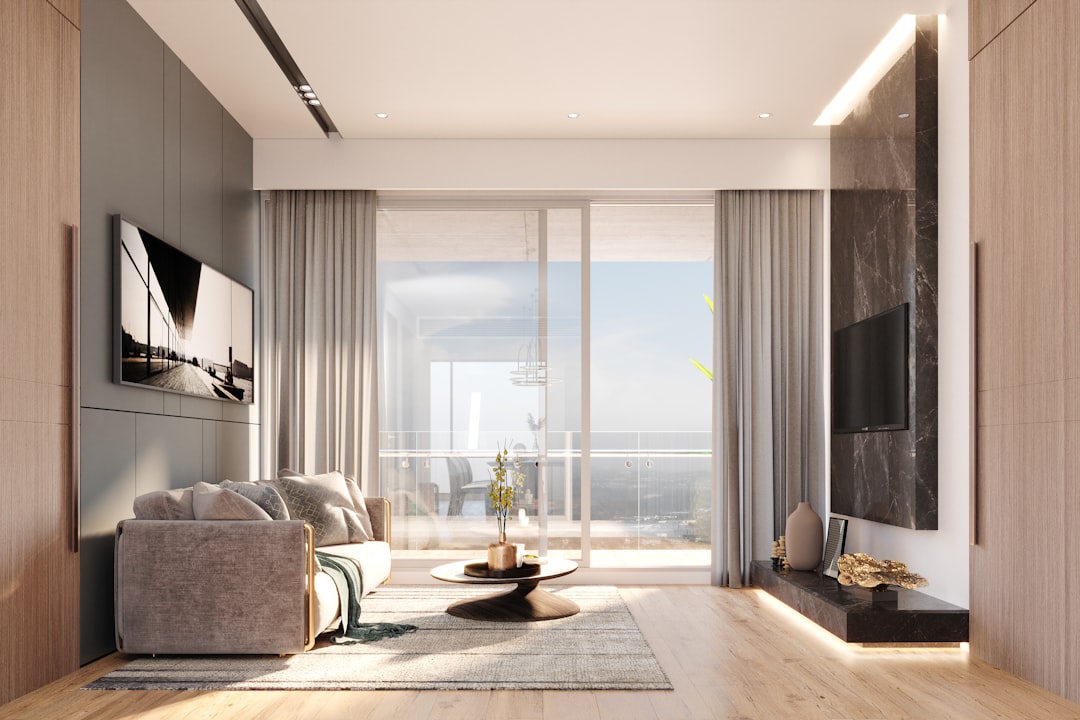
Homeowners of HDB apartments, condos, BTOs, and landed properties in Singapore’s dynamic, frequently fast-paced urban environment are increasingly looking for peaceful havens within their homes. With its deep appreciation of imperfection and transience, the Wabi-Sabi aesthetic offers a distinctive approach to interior design that profoundly connects with this yearning for peace. The living room, the center of the house where families congregate & visitors are greeted, is the place where this has the biggest impact.
Wabi-Sabi living room curtains, which emphasize natural textures, subdued hues, and modest finishes, can turn this area into a sanctuary of understated elegance and peaceful reflection, ideal for Singapore’s varied living arrangements and tropical climate. Wabi-Sabi philosophy in curtain design. Wabi-Sabi is a worldview based on Japanese aesthetics that honors the beauty of imperfections, impermanence, & incompleteness rather than just a style. When it comes to living room curtains, this translates into a preference for finishes and materials that convey genuineness rather than manufactured perfection.
If you’re looking to enhance your living room with a touch of Wabi-Sabi aesthetics, consider exploring various curtain ideas that embrace simplicity and natural beauty. For additional inspiration on window treatments that complement this philosophy, check out the article on the best window coverings for HDB flats at Curtain Shop. This resource offers a range of options that can help you achieve a serene and harmonious atmosphere in your home.
Wabi-Sabi curtains provide a useful & aesthetically pleasing solution for Singaporean homes, where the interaction of light, heat, and humidity is a constant concern. They create a tranquil living room atmosphere and elegantly address environmental factors. Accepting authenticity and imperfections. A fundamental principle of Wabi-Sabi is accepting one’s imperfections and the aging process. This entails choosing curtains with an organic, unadulterated feel.
Consider materials that have obvious slubs, minor weave irregularities, or even purposefully unhemmed edges that could eventually fray. This method offers a more human, tactile experience that reflects a sense of history and belonging, countering the sterile precision frequently found in modern interiors. According to designer James Gomez, it’s a “shift in attitude” that values the natural world and gives priority to sensory experience. The foundation of wabi-sabi is natural materials. The Wabi-Sabi style strongly supports natural, rustic textiles for curtains. This is where raw silk, hemp, cotton, and linen come into their own.
These fibers have innate qualities that perfectly complement the philosophy. Linen: Known for its lovely drape, subtle sheen, & natural wrinkles, linen is arguably the most iconic Wabi-Sabi fabric. Because of its exceptional breathability, it’s a great option for controlling temperature in Singapore’s warm climate. It improves tranquility by filtering light, which produces a gentle, diffused glow.
If you’re looking to enhance your living space with the beauty of Wabi-Sabi, exploring various curtain ideas can be a great start. Incorporating natural materials and earthy tones can create a serene atmosphere that embraces imperfection. For more inspiration on how to choose the right curtains that align with this aesthetic, you might find this article on curtain options particularly helpful. It offers insights into blending functionality with the organic charm that Wabi-Sabi embodies, ensuring your living room feels both cozy and stylish.
| Wabi-Sabi Living Room Curtain Ideas |
|---|
| Natural materials such as linen, cotton, or bamboo |
| Earthy and muted colors like beige, brown, or olive green |
| Simple and minimalistic designs with imperfections |
| Lightweight and flowing fabrics for a relaxed look |
| Handmade or hand-dyed textiles for a personal touch |
Cotton: Organic cotton has a more robust yet natural appearance due to its soft hand & uncomplicated appeal. It is less likely to wrinkle than linen and offers a feeling of calm comfort. Hemp: A very sustainable fiber, hemp shares the durability and breathability of linen but has a slightly coarser texture. It adds to a genuine, grounded atmosphere with its earthy feel.
Raw Silk: In contrast to polished silk, raw silk maintains a more textured, nubby surface, providing a hint of subtle luxury without being ostentatious. It adds a soft shimmer that exquisitely captures the light. These materials frequently have unlined finishes that highlight their inherent texture & let in more light. Their natural flaws add to the feeling of a genuine, peaceful living room.
Color schemes and lighting filters. The Wabi-Sabi style favors a particular spectrum of hues that evoke the natural world and promote tranquility. These options are also very useful for controlling light & heat in living rooms in Singapore. Muted hues & earthy tones. Earthy hues predominate in the Wabi-Sabi color scheme.
Contemplate. Warmth and natural light are provided by beiges and creams, which serve as adaptable neutrals that give an airy, roomy atmosphere without being stark. They are perfect for reducing sun glare in bright apartments in Singapore.
Soft Greys: These create a sophisticated and serene background and range from warm greys with a hint of brown to cooler, stormy greys. Muted Greens: Sage, olive, and moss green provide a subtle pop of color without overpowering the eye, bringing the outside in and tying the living area to the natural world. Washes of clay and terracotta: These warmer, deeper hues can provide a subtle grounding effect, particularly in areas with lots of natural light.
The harmonious blending of these subdued color schemes creates a peaceful & unified atmosphere. These softer, lighter hues also add to the feeling of space in HDB and condo living rooms, where there may not be much room. Optimal Light: Sheer and Loose-Weave. Managing heat and glare while optimizing natural light is essential in Singapore’s sunny climate. Here, wabi-sabi curtains work especially well with sheer or loose-weave linen.
Light Filtration: These lighter materials efficiently filter intense sunlight, reducing its intensity without completely obstructing it. This lessens the need for artificial lighting during the day by producing a soft, diffused light that is both pleasing and energy-efficient. Privacy without Isolation: Sheer or loose-weave curtains provide some privacy during the day while still allowing light and a connection to the outside for HDB or condo living rooms facing adjacent units. Floor-to-ceiling windows, which are common in contemporary condos, can be layered with a heavier panel or paired with blinds for increased privacy at night. Wabi-Sabi curtain styling in Singaporean homes.
Incorporating Wabi-Sabi curtains into a Singaporean living room requires careful consideration of the hardware, the surrounding decor, and the particular requirements of the area in addition to the curtains themselves. Hardware that is minimalist for continuous flow. Curtain hardware should be straightforward & inconspicuous in order to preserve Wabi-Sabi’s subtle elegance. Because they provide a subtle contrast without detracting too much from the fabric, matte black rods are a popular option. Other appropriate choices are as follows. Natural Wood Rods: The organic feel of the curtains can be enhanced by unstained or lightly stained wooden rods.
Slim Metal Rods: These provide a simple, minimalist appearance in brushed nickel, aged bronze, or even plain white. Concealed Tracks: Concealed tracks can give the impression that the curtains are suspended from the ceiling for a genuinely smooth and streamlined look, particularly in contemporary condo designs. The intention is to let the fabric and its texture take center stage, with hardware acting only as a supporting, functional element. Increasing Calm through Careful Positioning. The best environments for Wabi-Sabi curtains are those with natural light.
This enables the natural wrinkles and texture of the fabric to be exquisitely highlighted as light flows through. Full-Length Drapes: Hang curtains so they barely touch the floor for a genuinely opulent & soothing effect, or puddle slightly for a more laid-back, bohemian feel. In both HDB and condo living rooms, this lengthens the windows and gives the space a sense of height. Floor-to-Ceiling Installation: In smaller HDB living rooms, hanging curtains higher than the window frame and extending them to the ceiling can create the illusion of a larger, taller space.
complementing a variety of home designs. Wabi-Sabi’s versatility is its beauty. Despite its natural tendency toward minimalism, it can go well with a variety of Singaporean home styles. Minimalist Homes: It adds warmth and texture without being overly busy, enhancing the minimalist look.
Layered Homes: Wabi-Sabi curtains offer a soothing anchor in homes with more eclectic or layered décor, keeping the room from feeling overpowered. Character-Filled Homes: By providing a muted background, Wabi-Sabi curtains can draw attention to BTO or landed homes with distinctive architectural elements. For practicality, combine with blinds.
Wabi-Sabi curtains alone are often insufficient to manage light and heat in Singapore due to the city’s strong sun and high temperatures. This is where it becomes extremely useful to combine Wabi-Sabi curtains with other window treatments. UV & Heat Protection: Combining Wabi-Sabi curtains with blinds is a practical solution for living rooms that receive intense, direct sunlight for extended periods of time, particularly those with large windows or balcony access. Roller Blinds: During the hottest parts of the day, roller blinds can be lowered to block UV rays & drastically reduce heat gain. They are easy to use, efficient, and come in a variety of opacity levels. The Wabi-Sabi aesthetic is not diminished by their simple design.
Honeycomb/cellular blinds are a great option for energy efficiency in Singapore because they provide excellent insulation and trap air to keep the room cooler. Blackout Blinds: A blackout roller blind can be discreetly installed behind the Wabi-Sabi curtain for people who occasionally want total darkness, like on movie nights. With this layered approach, homeowners can benefit from improved privacy, sun protection, & heat reduction when needed, all while enjoying the beautiful and gentle light of Wabi-Sabi curtains. Homes in Singapore: Climate Considerations.
The tropical climate of Singapore offers unique opportunities & challenges for Wabi-Sabi curtain selections. Controlling Humidity & Heat. The natural materials that are commonly used to make Wabi-Sabi curtains—linen, cotton, and hemp—are naturally breathable. Given the warm, humid climate of Singapore, this is a big benefit.
Air Circulation: Compared to densely woven synthetic fabrics, looser weaves allow air to move more freely, preventing stuffiness and fostering a more comfortable interior temperature. Moisture Wicking: Natural fibers allow moisture to evaporate more easily than synthetic ones, which helps them manage humidity better even though they are not moisture-proof. Thermal Regulation: Although sheer Wabi-Sabi linen isn’t as insulating as specialty thermal blinds, its light-filtering qualities can still lessen localized heat gain from direct sunlight, making a living room cooler. Furnishings with UV protection. Long-term exposure to Singapore’s intense UV rays can cause artwork, flooring, and furniture to fade. Sheer Wabi-Sabi curtains may not provide total protection, but they do filter some UV light.
This emphasizes even more how sensible it is to use them with roller or honeycomb blinds, particularly for large windows or if expensive furniture is close to the light source. Singaporean Lifespan and Cost Ranges. Singaporean homeowners should be aware of the cost associated with Wabi-Sabi curtains. Cost ranges that are estimated. Depending on the type of fabric and where it comes from, the price of Wabi-Sabi inspired curtains in Singapore can vary greatly (e.g. The g.
organic, handwoven), the intricacy of the design (although Wabi-Sabi is typically straightforward), and whether they are ready-to-hang or custom-made. Cost-effective (between S$50 and S$150 per panel): Look for ready-to-hang cotton or linen blend curtains from nearby home goods stores or internet merchants. Instead of genuinely authentic, hand-finished items, they may offer a Wabi-Sabi “inspired” look. Mid-Range (S$150–S$400 per panel): Higher-quality, hemp or pure linen curtains, possibly with custom sizing options, are frequently found in this range.
Good organic linen is available online from artisanal vendors (e.g. (g). Etsy, where smaller-sized organic linen panels may start at €20+ each, shipping not included. Premium (S$400 to S$1000+ per panel): Handmade curtains with bespoke finishing made from premium raw silk or extremely fine, possibly hand-loomed linen. (g).
particular fraying at the edges), would be included. Because of labor and material sourcing, custom options can be expensive in Singapore. These are approximations for basic fabrication and materials; installation costs for custom solutions would be different. These numbers should multiply by the number of panels needed for a complete living room set.
longevity and robustness. Natural fibers, such as hemp and linen, are incredibly resilient. Linen: With the right maintenance, linen, which is renowned for its strength, can endure for decades. With age, it might become softer & better, which is exactly in line with the Wabi-Sabi appreciation of patination. Hemp and cotton are likewise durable and sturdy.
If Wabi-Sabi curtains are cleaned and maintained on a regular basis, their lifespan in Singapore can easily surpass ten to fifteen years. Compared to intricate blinds, their straightforward design also means that fewer mechanical components will break. The very concept of “imperfection” implies that minor imperfections or wear indicators can be accepted as a feature of their personality rather than being viewed as defects that need to be fixed right away. Wabi-Sabi curtain upkeep advice. It’s easy to keep Wabi-Sabi curtains beautiful and long-lasting, especially in Singapore’s humid climate, by giving them gentle care that preserves their natural texture.
Cleaning on a regular basis keeps things fresh. Dusting: Using a lint roller or a soft brush attachment on a vacuum cleaner on a regular basis can help prevent dust buildup, which is particularly crucial for people with allergies & in urban settings. Weekly or biweekly is the recommended frequency for this. Spot Cleaning: Using a moist cloth and mild soap, spot cleaning small spills or marks is advised right away.
Start with a discreet area to test. Steer clear of harsh chemicals as they can harm natural fibers. Cleaning & drying. The majority of natural fiber curtains will have care instructions, but the following are general recommendations.
The majority of linen and cotton curtains can be machine washed on a gentle cycle using cold or lukewarm water and a mild detergent. Steer clear of hot water as it can cause shrinkage. Handwashing: Handwashing might be the best option for delicate raw silk or extremely fine weaves. Air Drying: Air drying is the best technique for Wabi-Sabi curtains. Allow them to gently fall into shape by hanging them partially damp on a clothesline or curtain rod. This keeps their natural wrinkles intact and stops them from creasing too much.
When drying, stay out of direct, harsh sunlight to prevent color fading. Steer clear of over-drying in a machine dryer as this can result in excessive stiffness and shrinkage. If you’re using a dryer, set it to low heat and take it out while it’s still a little damp. Ironing (Optional): In keeping with the Wabi-Sabi style, accepting wrinkles is part of the appeal.
Iron on a low-medium setting while the fabric is still a little damp if you want a smoother appearance. Preventing Mildew and Humidity. Because of Singapore’s high humidity, it’s critical to keep natural fabrics free of mildew.
Good Ventilation: Make sure your living room has adequate air circulation. Fans & frequent window openings can be beneficial. Prevent Dampness: Don’t let curtains get wet for long. If it rains and gets them wet (e. (g). make sure they completely dry (on a window facing the balcony).
Frequent Inspection: Look for mildew on the back of the curtains, particularly in folds or close to the bottom. Treatment is made easier with early detection. Your Wabi-Sabi living room curtains will maintain their true beauty and contribute to a calm home environment for many years if you follow these maintenance guidelines. They are a classic option for any Singaporean home looking to embrace quiet reflection and understated style because of their understated elegance & inherent durability.
.
FAQs
What is Wabi-Sabi style?
Wabi-Sabi is a Japanese aesthetic that embraces imperfection, simplicity, and the beauty of natural materials. It values authenticity and the passage of time, and seeks to create a sense of tranquility and harmony in living spaces.
How can I incorporate Wabi-Sabi into my living room curtains?
To incorporate Wabi-Sabi into your living room curtains, consider using natural materials such as linen or cotton, and opt for simple, unadorned designs. Embrace imperfections and irregularities, and choose earthy, muted colors that evoke a sense of calm and serenity.
What are some Wabi-Sabi living room curtain ideas?
Some Wabi-Sabi living room curtain ideas include using lightweight, sheer curtains to allow natural light to filter through, opting for hand-dyed or hand-woven fabrics, and embracing the beauty of frayed edges and subtle textures. Consider using curtains with a relaxed, unstructured drape to create a sense of effortless elegance.
Where can I find Wabi-Sabi inspired curtains for my living room?
You can find Wabi-Sabi inspired curtains at home decor stores that specialize in natural, organic materials and artisanal craftsmanship. Online marketplaces and independent retailers may also offer a selection of curtains that embody the Wabi-Sabi aesthetic.
What other elements can complement Wabi-Sabi living room curtains?
To complement Wabi-Sabi living room curtains, consider incorporating other natural elements such as wooden furniture, handmade pottery, and foraged botanicals. Embrace a minimalist approach to decor and focus on creating a sense of warmth and authenticity in your living space.