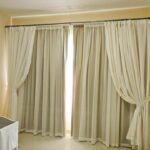
Japandi window coverings, which combine Scandinavian functionality with Japanese minimalism, are becoming more popular among Singaporean homeowners looking for calm and useful interiors. Due to Singapore’s intense afternoon sun and constant heat, window treatments are crucial for residents of HDB apartments, condos, BTOs, and landed properties, especially those with west-facing units. In order to address issues of heat mitigation, light control, privacy, and durability in a tropical climate, this article investigates the application of Japandi principles to window coverings for west-facing units. Because of Singapore’s equatorial climate, windows facing west are exposed to direct sunlight for extended periods of time, especially in the late afternoon.
Significant heat gain, higher energy use for air conditioning, and possible glare problems are the outcomes. The orientation of their apartments frequently determines the daily experience of light and temperature, especially for HDB and condo residents. Control of UV and heat radiation. West-facing windows’ strong solar radiation can significantly affect indoor temperatures. Effective window coverings are essential for preventing UV & infrared radiation, which can eventually fade flooring and furniture in addition to contributing to heat.
If you’re looking to enhance the aesthetic appeal and functionality of your west-facing unit, consider exploring the concept of Japandi window coverings. These designs blend the minimalist elegance of Japanese style with the warmth of Scandinavian decor, making them perfect for creating a serene atmosphere in your home. For more insights on how to choose the right window coverings for your space, you can check out this related article: Window Coverings for West-Facing Units.
When used properly, Japandi’s focus on natural materials can help with this. Visual comfort and glare control. In addition to heat, glare can cause serious discomfort by impairing screen visibility and general visual comfort.
In order to create a gentle, ambient glow & reduce harsh reflections, window treatments that diffuse light rather than totally block it are frequently chosen. Privacy factors. Privacy is a major concern for many Singaporean homes, particularly those in nearby condo blocks or densely populated HDB estates.
West-facing units need solutions that provide seclusion without totally sacrificing natural light, especially if they are at eye level with nearby buildings. Simplicity, organic textures, and subdued color schemes are the hallmarks of the Japandi style. This means that in 2026, moodier, warmer hues like taupe, soft charcoal, warm greige, & subdued sage will take the place of stark whites. The key to creating this comfortable, flawed look is the use of natural materials like linen, bamboo, jute, and woven wood. Material Choice and Texture. A key component of the Japanese ethos is material selection.
When considering Japandi window coverings for west-facing units, it’s essential to think about how they can enhance both aesthetics and functionality. The unique blend of Japanese minimalism and Scandinavian coziness can create a serene atmosphere, especially in spaces that receive intense afternoon sunlight. For those interested in improving their overall living environment, you might find it helpful to explore how specific types of curtains can contribute to better sleep quality. You can read more about this in the article on bedroom curtains that improve sleep quality here.
| Unit Type | Sunlight Exposure | Recommended Window Coverings |
|---|---|---|
| Apartment | West-facing | Japandi-style blinds or curtains with light-filtering fabric |
| Condo | West-facing | Japandi-inspired bamboo shades or sheer curtains |
| Townhouse | West-facing | Minimalist Japandi roller shades or natural fiber blinds |
Usually made of bamboo, grasses, or reeds, woven wood shades provide a natural light filter and an organic texture. For homeowners who care about the environment, bamboo in particular is a renewable and sustainable resource. A beautiful and diffused light quality is produced by linen, which is renowned for its breathable and slightly textured weave. Application of a Color Palette. Homeowners can choose materials in warm greige, taupe, or soft charcoal to follow the 2026 trends.
These muted, earthy hues create a soothing background and go well with the natural wood accents frequently found in Japanese interior design. Another popular color that can add a faint pop of color without overpowering the minimalist look is muted sage. While preserving a unified visual theme, these colors are good at absorbing some solar radiation. Light Diffusion is emphasized.
Japandi design frequently emphasizes diffusing harsh light rather than completely blocking out windows. The atmosphere becomes softer and cozier as a result. For this purpose, materials that let in natural light while reducing its intensity, like linen or loosely woven bamboo shades, are perfect. Effective Japandi design relies heavily on layering window treatments, especially for west-facing apartments in hot climates like Singapore. This method enables adaptable control over thermal comfort, light, & privacy all day long.
combining sheer panels with shades. One important layering technique is to combine sheer linen panels with a primary shade, like bamboo or woven wood. To block direct sunlight and minimize heat gain, the woven shades can be lowered during the hottest hours of the day.
When drawn, the sheer linen panels provide seclusion & softly disperse incoming light, preserving a bright but subdued atmosphere. This combination works especially well for striking a balance between the need for natural light and the requirement for heat control. Layering has advantages. Layering offers advantages that go beyond aesthetics. By capturing a layer of air between the window and the inner treatment, it provides improved insulation and can aid in controlling interior temperatures.
Residents of HDB & condos, where there are few options for external insulation, will particularly benefit from this. Also, layered treatments offer more flexibility in light management; depending on the time of day and personal preference, one can change the opacity from complete sun blockage to a soft, filtered glow. harmony in tones that are neutral. Neutral tones must be consistent in order to preserve the Japandi style.
Make sure the sheer panels and shades you choose complement each other in terms of color & texture when layering. For example, an off-white or cream linen sheer combined with a warm taupe woven wood shade produces a peaceful and harmonious appearance. The objective is to create the serene and harmonious aesthetic that characterizes Japanese interior design.
The practical difficulties of west-facing windows in Singapore are addressed by a number of window coverings that complement the Japandi style. Wooden Shades with Weave. For units facing west, these shades—made of bamboo, jute, or natural grasses—are a great option. Their natural makeup provides some insulation and naturally filters light. Advantages: Natural texture, warm appearance, good light diffusion, moderate heat reduction, & eco-friendliness (bamboo, jute).
Cons: Certain variations may be vulnerable to humidity if improperly treated, and they may be less effective at total blackout if not lined. Rooms: Bedrooms, dining rooms, & living rooms. They can offer a chic way to combat afternoon sun in an HDB living room. Climate considerations: Generally resilient in Singapore’s humid climate, but if ventilation is inadequate, careful material selection is advised to avoid mildew. Price range (Singapore): S$50 to S$150 per foot width, contingent on customization and material.
5–10 years if given the right care.
linen sheets and curtains. Japandi looks great with linen, especially in its natural, unbleached forms or subdued hues. Versatility can be achieved by layering sheer linen with a denser linen curtain or woven shade.
Advantages: Elegant drape, natural aesthetic, breathability, soft light diffusion, and ease of cleaning (if detachable). Cons: It is prone to wrinkling and might not offer enough heat insulation or light blockage for west-facing units. Room-based use: Living rooms, study spaces, & bedrooms (layered). Perfect for softening a condo bedroom. Climate considerations: Extremely breathable, which is advantageous in Singapore’s humid climate; however, if exposed to persistently high humidity levels without drying, it can absorb moisture.
Sheers range in price from S$40 to S$100 per foot width in Singapore, while denser linen ranges from S$80 to S$200. Lifespan: 7–15 years, depending on the quality and maintenance of the fabric. Duette/Honeycomb blinds are cellular shades. Cellular shades, especially in earth tones or made from woven-look fabrics, can be used in a Japandi scheme even though they are less obviously “natural texture.”. They provide excellent heat insulation because of their honeycomb structure’s remarkable ability to retain air.
Advantages: Good light control, a variety of opacity options, a clean, minimalist appearance, excellent thermal insulation that greatly reduces heat transfer, & energy efficiency. Cons: Less aesthetically pleasing than woven woods; if cells aren’t cleaned frequently, dust can build up inside. Room-based use: Home offices, bedrooms (particularly for BTOs and HDBs where sun exposure is a major concern), and spaces that need the most heat control.
Climate considerations: Because of their insulating qualities, they are very effective at controlling humidity and heat. Singaporean prices range from S$70 to S$200 per foot of width. Duration: 8–12 years. Roller blinds (made of materials that look natural). Simple roller blinds made of textured, natural-looking materials (e.g. (g).
those that resemble jute or linen weave) can offer a simple, practical solution. They provide simple lines that are consistent with Japanese minimalism. Pros: Easy to use, clean appearance, space-saving (perfect for smaller HDB balconies or windows), and a variety of fabric options for light & heat control.
Cons: Less texture than woven woods; if fabric selection is careless, it may feel less organic. Room-based use: Balconies, functional areas, bathrooms, and kitchens. Because of their usefulness, balcony windows in condos are a common option. Climate considerations: Usually resilient.
In humid environments, certain fabric treatments can improve resistance to mold growth. Depending on the fabric & features, the price range in Singapore is S$50 to S$150 per foot width.
5–10 years of life. Technology integration with natural aesthetics is a growing trend for homeowners in 2026. Although they are not traditional Japandi features, motorized blinds and curtains provide important advantages in controlling the light and heat from west-facing units, which is consistent with the style’s practical aspect.
Automated Lighting and Heating Control. Heat and light control can be optimized without human intervention by programming motorized blinds and curtains to open and close at predetermined times of the day. This entails raising the shades earlier in the morning for light and automatically lowering them in the late afternoon to prevent heat buildup for a west-facing unit in an HDB. Because air conditioners don’t have to work as hard, this clever automation can result in significant energy savings. integration with systems for smart homes.
These automated window coverings can be incorporated into larger smart home ecosystems, which are frequently seen in more recent BTOs and condos. This enables voice commands, smartphone apps, & integration with environmental sensors that measure sunlight and temperature. Even when you’re not home, imagine your blinds automatically adjusting to the sun’s intensity to keep your house cool and UV-protected. The climate of Singapore is practical. Because of Singapore’s humid climate, motorized systems’ convenience is especially beneficial.
By preventing unintentional damage from improper handling, less manual contact with window coverings can also increase their lifespan. Also, by giving the appearance of occupancy when residents are not present, smart systems can enhance a home’s security. To extend the life of your window coverings, especially in Singapore’s humid and frequently dusty climate, regular and proper maintenance is essential. routine cleaning procedures.
Woven Wood Shades: Use a soft brush or a vacuum cleaner with a brush attachment to dust them frequently. Spot clean with a damp cloth and a mild detergent for a deeper clean, making sure to dry completely to avoid mildew. Linen Sheers and Curtains: The majority of linen curtains can be dry cleaned or machine washed on a gentle cycle using cold water. The manufacturer’s instructions should always be followed. Dust can be avoided in between washes by routinely vacuuming with a soft brush attachment.
Cellular Shades: Use a vacuum on low or a feather duster to gently dust. Clean stains with a moist cloth and a little soap. Roller Blinds: Use a moist cloth and a gentle detergent to clean the surfaces.
To stop the growth of mold, make sure fabric roller blinds are completely dry before retracting. Mould and Humidity Prevention. The high humidity levels in Singapore pose a problem for every type of home furnishings. For window coverings to be free of mold and mildew, adequate ventilation is essential.
To allow for air circulation, make sure windows are open whenever possible. If a room is especially damp, think about using a dehumidifier. Choosing moisture-resistant treatments when buying textiles can be advantageous. Singaporean Lifespan Considerations. In Singapore, humidity & exposure to direct sunlight frequently affect how long window coverings last.
Their longevity can be increased with high-quality materials and routine upkeep. In general, you can anticipate:. Woven Wood Shades: 5–10 years. Sheers and linen curtains: 7–15 years.
8–12 years old are cellular shades.
Roller blinds: five to ten years. These approximations may differ depending on the quality of the particular product, the degree of sun exposure, and the careful use of maintenance procedures. A west-facing Singaporean home must carefully balance aesthetics and functionality when incorporating Japandi window coverings.
Homeowners can create calm, energy-efficient, and aesthetically pleasing living spaces that withstand the tropical heat and sunlight by selecting the appropriate materials, layering well, & embracing contemporary automation.
.
FAQs
What are Japandi window coverings?
Japandi window coverings are a combination of Japanese and Scandinavian design elements. They typically feature clean lines, natural materials, and a minimalist aesthetic.
Why are Japandi window coverings suitable for west-facing units?
Japandi window coverings are suitable for west-facing units because they can help control the amount of sunlight and heat entering the space. Their light-filtering properties can help reduce glare and UV exposure, while still allowing some natural light to enter the room.
What are the benefits of using Japandi window coverings in west-facing units?
The benefits of using Japandi window coverings in west-facing units include their ability to provide privacy, control light and heat, and enhance the overall aesthetic of the space. Additionally, their natural materials and minimalist design can create a calming and peaceful atmosphere.
What types of Japandi window coverings are available for west-facing units?
Common types of Japandi window coverings for west-facing units include bamboo blinds, linen curtains, and shoji screens. These options offer varying levels of light control and privacy, allowing homeowners to choose the best option for their specific needs.
How can I incorporate Japandi window coverings into my west-facing unit?
To incorporate Japandi window coverings into a west-facing unit, consider choosing natural materials such as bamboo or linen, opting for neutral colors, and keeping the design simple and uncluttered. Additionally, consider layering different types of window coverings for added versatility and functionality.