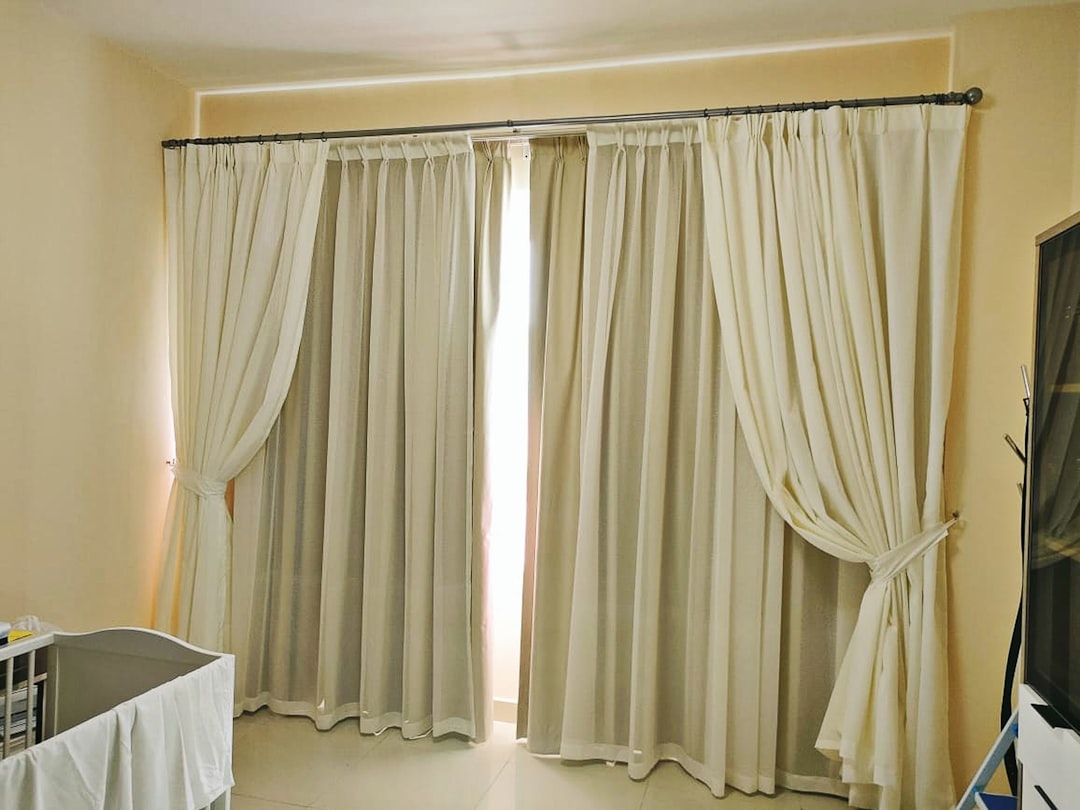
The way Singaporean homeowners manage their living spaces is rapidly changing due to the incorporation of technology. Motorized curtains provide a compelling solution that improves both form and function for those who embrace the minimalist and practical aesthetic of Japandi design, which skillfully combines Scandinavian and Japanese influences. This article examines the function and advantages of motorized curtains in the context of Japanese smart homes in Singapore, taking into account the region’s distinct climate and way of life. The Japanese design ethos places a high value on tranquility, natural materials, and simplicity. It eschews ostentation in favor of deliberate practicality & subtle elegance.
In this context, motorized curtains become more than just a practical feature; they become an essential component that upholds the fundamental principles of the style. Effective light and heat management is crucial in a country like Singapore because of its tropical climate, high humidity, and intense sunlight. The Japanese emphasis on creating a calm and comfortable living environment is perfectly aligned with the precise control that motorized curtains provide over these elements. The expanding global market for electric curtains, which is expected to reach notable numbers in the upcoming years, is evidence of their growing ubiquity, which is fueled by trends toward energy efficiency and smart homes. It is crucial for Singaporean homeowners, especially those in HDB apartments, condos, BTO developments, & landed properties, to comprehend how these cutting-edge window treatments can enhance their way of life and interior design. The living experience is enhanced beyond aesthetics when curtain operation can be automated and seamlessly integrated with other smart home appliances.
Motorised curtains are an excellent addition to Japandi smart homes, seamlessly blending functionality with minimalist aesthetics. For those looking to enhance their living spaces, understanding the best window coverings is crucial. A related article that provides valuable insights on this topic is available at Best Window Coverings for HDB Flats, which explores various options that complement the Japandi style while offering modern conveniences.
Using motorized curtains to improve the Japanese aesthetic. Clean lines, subdued color schemes, and a profound respect for natural textures are characteristics of Japanese design. When carefully selected, motorized curtains can enhance these attributes.
The style’s uncluttered appearance is enhanced by the lack of obvious cords or manual operating mechanisms. Without detracting from the minimalist appeal, the smooth, automated movement of the curtains can also subtly add a sense of luxury and contemporary sophistication. smooth interaction with ecosystems for smart homes. Motorized curtains are now more adaptable than ever thanks to the development of smart home technology.
Easy integration with current systems is made possible by compatibility with major smart home platforms, such as those that support Matter. This implies that homeowners can use voice commands to operate their curtains via virtual assistants or specific smartphone apps. Voice Control: Picture yourself lounging on your couch and using a straightforward voice command to change your curtains.
Motorised curtains are becoming an essential feature in Japandi smart homes, blending functionality with minimalist aesthetics. These innovative window treatments not only enhance the overall design but also provide convenience and energy efficiency. For those interested in exploring more about the benefits and features of motorised curtains, a related article can be found at Curtain Shop, which delves into various options and tips for integrating them into your home. Embracing such technology can truly elevate the ambiance of your living space while maintaining the serene and uncluttered vibe characteristic of Japandi style.
| Features | Benefits |
|---|---|
| Automated opening and closing | Convenience and energy efficiency |
| Integration with smart home systems | Seamless control and customization |
| No cords or chains | Enhanced safety and sleek design |
| No manual operation required | Effortless operation and modern aesthetic |
This hands-free function eliminates the need for physical interaction with window treatments, particularly when carrying objects or entertaining guests, in line with the Japandi concept of effortless living and convenience. App Control: A specialized app offers fine-grained control over curtain placement, enabling exact modifications to regulate natural light throughout the day. This is especially helpful for increasing indoor comfort and minimizing screen glare, which improves living areas’ usability. Automated Scenarios: Automation is where smart integration really shines. Motorized curtains can be set to open and close at predetermined times.
Motorised curtains are an excellent addition to Japandi smart homes, seamlessly blending functionality with minimalist aesthetics. These innovative window treatments not only enhance convenience but also contribute to energy efficiency by regulating indoor temperatures. For homeowners looking to improve their living spaces, understanding how to effectively block heat from west-facing windows can be crucial. You can explore more about this topic in a related article that offers valuable insights on managing heat and light in your home. Check it out here.
For example, they can be programmed to open gradually at sunrise to mimic a natural wake-up experience or to automatically draw at sunset to improve privacy. This ability fits in perfectly with the Japanese ideal of harmony and harmony with the natural rhythms. Handling Heat and Light in Singapore’s Climate. The equatorial climate of Singapore poses special difficulties for homeowners, chief among them being high humidity and intense sunlight.
In addition to improving comfort and energy efficiency, motorized curtains provide a sophisticated way to control these variables. Sunlight Control: Singapore’s unrelenting sun can cause homes to gain too much heat. Motorized curtains make it possible to precisely control the amount of light that enters. By programming their curtains to automatically close either fully or partially during the hottest parts of the day, homeowners can drastically cut down on the amount of solar radiation that enters the house.
Maintaining a comfortable indoor temperature without depending entirely on air conditioning requires this. Whether for work, leisure, or entertainment, the ability to schedule these changes guarantees that ideal light levels are maintained throughout the day. Heat Reduction: Motorized curtains function as an efficient passive cooling technique by carefully blocking direct sunlight. This can result in noticeable reductions in the electricity costs related to air conditioning use, which is consistent with the efficiency and sustainability principles of smart homes. Humidity Management: Controlling sunlight can have an indirect effect on indoor humidity levels, even though curtains cannot directly control humidity.
Reducing solar heat gain reduces the need for air conditioning, which occasionally results in drier air. Nonetheless, efficient ventilation continues to be the main remedy for Singapore’s consistently humid climate, with curtains serving a supporting function in controlling the thermal environment. Security and privacy improvement. Singaporean homeowners place a high value on privacy, particularly in crowded neighborhoods with lots of high-rise structures. A quick and easy way to improve privacy is with motorized curtains, especially in bedrooms & common areas. Instant Privacy: You can quickly create a private haven by drawing the curtains with a voice command or a simple tap on a smartphone.
This is very helpful when unexpected guests show up or when family time is needed to ensure peace of mind. Scheduled Privacy: Curtains can be set to close at night and open in the morning for extra security and privacy. An extra degree of security for landed properties and even higher floors in condos can be provided by this simulated occupancy, which can discourage possible intruders. The Different Kinds of Motorized Curtains and Their Use. The phrase “motorised curtains” refers to a variety of solutions, ranging from more integrated systems to conventional drapes with additional motorization.
The budget, functionality, and desired aesthetic all influence the decision. Curtains and motorized tracks. Possibly the most popular type of motorized curtain is this one. Curtains can be smoothly opened and closed thanks to a track system that is powered by a hidden motor.
Suitability for Japandi: The principles of Japandi design are very compatible with this system. The motor can be discreetly hidden in a pelmet or the ceiling to preserve the straight lines. Natural materials like linen, cotton blends, or lightweight wools in subdued tones improve the aesthetic, so fabric selections are important here. A sleek and modern appearance can be produced by using ripple folds or inverted pleats on the track.
Durability and Maintenance: Long-lasting electric motors are built to last. Maintenance usually entails making sure the motor unit is dust-free and cleaning the track on occasion. Depending on the material, the fabrics themselves will need to be cleaned professionally or dusted on a regular basis. Cost: Depending on the complexity of the track system, the features of the motor, and the fabric selected, this option typically represents a moderate to high investment.
Automated Blinds. Although curtains are the main focus, it’s crucial to remember that motorized blinds also fit into this category and, in some situations, can enhance a Japanese aesthetic. Roller blinds are straightforward, inconspicuous, and can be constructed from materials that blend well with natural fibers. The sleek appearance of motorized roller blinds makes them perfect for minimalists. Roman Blinds: Roman blinds can be incorporated into Japandi schemes because they provide a soft, textured appearance when motorized. When elevated, the stacking effect can provide subtle visual interest.
Venetian Blinds: Although historically a more conventional window treatment, contemporary, simple Venetian blinds in muted colors or natural wood can also be automated. The slats are very useful because they can be precisely tilted to control light and privacy. They may, however, differ from the softer textures typically associated with Japandi curtains due to their slatted appearance. Cutting-edge technology and clever features. Numerous technological developments brought about by the evolution of motorized curtains have improved their usability and appeal, particularly in the context of smart homes.
Smooth movement and quiet operation. Modern motors are designed to run almost silently and move smoothly and gently. This is essential for fostering serenity & a calm atmosphere, which are pillars of the Japanese philosophy. The soft-start and stop features help create a calm atmosphere by preventing the curtains from jerking or making abrupt noises.
Control and Connectivity Settings. Wi-Fi and Bluetooth Connectivity: The majority of contemporary motorized curtain systems provide Wi-Fi or Bluetooth connectivity, allowing smartphone apps to be used for control. Hub Integration: These systems frequently connect to a central hub for more sophisticated smart home integration, enabling smooth communication with other smart devices. AI-Driven Light Management: New technologies include sensors that can measure ambient light levels and automatically change curtains to maximize natural light or maintain constant interior lighting, further improving comfort and energy efficiency.
Unique Window Shapes with Bendable Tracks. Bendable tracks for motorized curtains provide a customizable solution for homes with curved or oddly shaped windows. This makes it possible for all window styles to have a unified aesthetic, guaranteeing that the minimalist appearance is preserved throughout the house, even in difficult architectural areas. Battery-Powered Accessibility & Retrofitting Options.
Battery-powered motorized curtain systems provide a practical option for homeowners wishing to update their current window treatments without making significant renovations. Since these motors don’t need direct wiring, installation is simple & doesn’t interfere with interior design. For residents of older HDB apartments or condos, where extensive electrical work may be difficult or limited, this accessibility is a huge benefit. Room-Specific Uses in Singaporean Households. Because of their adaptability, motorized curtains can be successfully installed in different rooms of a Singaporean home and customized to meet the unique requirements of each area.
The living room. Motorized curtains can make it easier to move between social events and quiet times of relaxation in the living room. Daytime: Designed to partially close when the sun is at its strongest to lessen heat & glare on televisions, or to open gradually in the morning to welcome natural light. Evening: Close completely for privacy when entertaining or spending time with family.
can be programmed to close every night at a predetermined time. Intelligent Integration: Connect to the scene. A “Movie Night” scene, for instance, might close the curtains and turn down the lights at the same time. bedroom. Since the bedroom is a haven for relaxation, careful light control is crucial. Sunrise Simulation: Set up curtains to open gradually to simulate daylight, which is a much more pleasant wake-up call than startling alarms.
Total Darkness: Close the curtains completely at bedtime to ensure total darkness for restful sleep. In Singapore, where ambient city light could otherwise disrupt sleep, this works especially well. Privacy: Use a straightforward voice command to instantly control privacy. Outside areas and balconies. Outdoor blinds are frequently used in homes with balconies, particularly in HDBs and condos.
More convenience is provided by motorized versions. Heat and Sun Protection: To prevent the intense afternoon sun from entering the living area and lower heat gain within the apartment, motorized outdoor blinds or zip blinds can be automatically or on demand deployed. Privacy: Construct a more enclosed & private outdoor space for dining or resting. Weather Protection: Certain outdoor blinds provide shelter from wind & light rain, increasing the balcony’s usability.
Zip blinds are especially useful for sealing off spaces. Dining rooms and the kitchen. Although they are less common, motorized curtains can be helpful for regulating light in dining areas during meals. Ambient Lighting: Whether it’s a bright morning meal or a more private evening setting, adjust the curtains to create the desired ambience for dining.
Diminished Glare: During mealtimes, avoid glare on surfaces. Durability and Climate Considerations in Singapore. The tropical climate of Singapore creates unique requirements for window treatments, & motorized curtains are made to satisfy these. Humidity and Mould Resistance: Since mould & humidity are prevalent problems in Singapore, curtain fabrics should ideally be resistant to both. For this kind of resistance, a lot of contemporary curtain fabrics are treated.
Also, the motor mechanisms are made to work well in humid environments. UV Protection: Long-term, direct exposure to UV radiation can deteriorate textiles. By enabling regulated exposure, motorized curtains can contribute to the fabric’s longevity. Usually, protective casings are used to house the motors. Durability: High-quality motors have a long operational lifespan because they are designed for endurance and are frequently rated for thousands of cycles. Typically, the tracks are constructed from durable materials that can tolerate frequent use.
Maintenance: The motorized components typically require little upkeep, aside from fabric cleaning, which can be handled by qualified services to guarantee material integrity. It usually suffices to dust exposed tracks and make sure the power supply is steady. Singaporean Motorized Curtain Cost Considerations. Due to the additional convenience and technology, motorized curtains typically require a larger initial investment than manual ones. Initial Investment: Depending on the type of motor, track system (straight or curved), fabric choice, & whether or not professional installation is needed, the price will vary greatly.
Depending on size and complexity, a basic motorized curtain system for a typical HDB flat or condo could cost anywhere from SGD 800 to SGD 3000 or more per window. Long-Term Value: Although the initial cost is higher, long-term value is increased by the advantages of improved comfort, convenience, and energy savings. The long lifespan & robustness of high-quality systems also make up for the initial investment.
Energy Savings: Over time, the system’s overall cost-effectiveness may be enhanced by cumulative electricity bill savings resulting from the reduction of air conditioning usage brought about by efficient solar heat management. longevity and upcoming trends. The motor is the main part that may eventually need to be serviced or replaced, and a well-maintained motorized curtain system can last ten to fifteen years or longer. Future iterations of smart home technology should offer even more integration, energy efficiency, and user-friendliness due to the rapid advancements in this field.
Motorized curtain systems will become more accessible & affordable as the smart home market expands, making them an even more essential component of contemporary, comfortable living in Singapore. These systems will continue to be applicable and compatible with the changing smart home environment thanks to the trend toward smooth integration with new standards like Matter.
.
FAQs
What are motorised curtains for Japandi smart homes?
Motorised curtains for Japandi smart homes are automated curtain systems that can be controlled remotely through a smart home system. They are designed to seamlessly integrate with the minimalist and functional aesthetic of Japandi interior design.
How do motorised curtains work in Japandi smart homes?
Motorised curtains in Japandi smart homes are typically operated using a remote control or a smartphone app. They can be programmed to open and close at specific times, or in response to changes in lighting or temperature, providing convenience and energy efficiency.
What are the benefits of using motorised curtains in Japandi smart homes?
The benefits of using motorised curtains in Japandi smart homes include convenience, energy efficiency, and the ability to create a seamless and minimalist aesthetic. They also offer enhanced privacy and security, as well as protection for furniture and flooring from sun damage.
Are motorised curtains compatible with other smart home devices in Japandi homes?
Yes, motorised curtains can be integrated with other smart home devices in Japandi homes, such as lighting, thermostats, and security systems. This allows for a cohesive and interconnected smart home experience.
What should I consider when choosing motorised curtains for my Japandi smart home?
When choosing motorised curtains for a Japandi smart home, it’s important to consider factors such as the compatibility with existing smart home systems, the design and material of the curtains to ensure they complement the Japandi aesthetic, and the level of automation and control options available.