Singapore offers a distinctive setting for interior design since it is a dynamic city where contemporary living frequently contrasts with a profound respect for the natural world and cultural heritage. The Wabi-Sabi aesthetic has gained a lot of popularity as homeowners look to create peaceful retreats that show a connection to nature. Wabi-Sabi is fundamentally a celebration of imperfection, fleeting nature, & the beauty of subtlety.
According to this theory, curtains are essential components that influence a room’s mood and ambiance, going beyond simple window coverings. This article explores how layered curtains in a Wabi-Sabi design can improve your Singaporean home, whether it’s a landed property, a BTO project, a stylish condo, or a small HDB apartment. In the particular climate of Singapore, we will look at how layering can address practical issues like heat, sun, humidity, & privacy while also taking cost, durability, and the expanding trend of smart home integration into account. In a Wabi-Sabi setting, curtains—which are typically thought of as practical objects—become vehicles for communicating a mindful living philosophy.
Layered curtains are an essential element in Wabi-Sabi design, as they beautifully embody the principles of simplicity and natural beauty. For those looking to explore this aesthetic further, a related article can be found at Curtain Shop Articles, where you can discover more about how to incorporate layered textiles into your home decor while embracing the imperfections that define Wabi-Sabi.
According to the trend forecast for 2024–2026, there will be a significant shift toward layered textures, with tactile, natural materials taking center stage. This is in perfect harmony with the Wabi-Sabi philosophy, which finds beauty in the unfinished, the raw, and the naturally developing. This translates to a chance for Singaporean homeowners to add a feeling of authenticity and tranquility to their living areas, which is a welcome change of pace from the busy city.
The Fundamentals of Wabi-Sabi for Curtain Choice. Wabi-Sabi is more than just a style; it’s a way of looking at the world that accepts life’s fleeting nature and finds beauty in flaws. This translates to a focus on materials, textures, and finishes that evoke a sense of time, nature, & peaceful contemplation when it comes to curtain design. Textures that are tactile and natural.
The use of natural fibers is clearly emphasized by recent design guidelines. This means that materials like linen, cotton, hemp, & other organic textiles are preferred for Wabi-Sabi curtains. Because of their natural origins, these fabrics have a subtle irregularity and an inherent texture. Natural fibers acquire a distinctive patina over time, adding to their Wabi-Sabi appeal, in contrast to synthetics or highly processed materials.
Layered curtains play a significant role in enhancing the aesthetic of Wabi-Sabi design, which embraces the beauty of imperfection and transience. For those looking to explore more about how different curtain styles can complement this philosophy, you might find the insights in a related article particularly helpful. It discusses various approaches to incorporating natural materials and textures in home decor, which aligns beautifully with the principles of Wabi-Sabi. To read more about this topic, visit here.
| Aspect | Details |
|---|---|
| Material | Organic fabrics like linen, cotton, or hemp |
| Color | Earthy tones such as beige, brown, or muted green |
| Texture | Soft and natural textures with a slightly worn look |
| Layering | Multiple layers of curtains for a relaxed and imperfect look |
| Placement | Hang curtains close to the ceiling and let them puddle on the floor |
These materials’ tactile qualities encourage touch & give your interior spaces a sensory dimension that goes beyond the purely visual. Linen: Known for its delicate slub texture and breathability, linen drapes exquisitely and gradually softens. Because of its organic, lived-in vibe, it’s a popular option. Cotton: Unbleached, organic cotton can have a pleasing texture, even though it is softer than linen.
It gives a space a soft, reassuring embrace. Hemp: Strong and long-lasting, hemp’s slightly coarser texture can give it an earthy, raw feel. With use, it softens & becomes more flexible as it ages gracefully. Blends: A special harmony of texture, drape, and durability can be achieved by combining these natural fibers. Unlined & relaxed drapes: the beauty of imperfection. The embrace of an unlined, relaxed drape is a defining feature of Wabi-Sabi curtains.
The clean, formal tailoring frequently found in more traditional window treatments stands in stark contrast to this. The subtle creases, intentional flaws, and the fabric’s organic fall are what make it so beautiful. This method honors the material itself, letting its natural attributes come through naturally. Imagine curtains that seem effortlessly styled, as though they have aged gracefully. Unlined Options: The texture and weave of the fabric can be fully appreciated when unlined curtains are chosen. Also, this makes it feel lighter and airier, which is advantageous in Singapore’s tropical climate.
Relaxed Tailoring: Steer clear of excessively structured hems & sharp seams. The emphasis is on fluidity and a presentation that is far more characterful despite not being flawless. Intentional Wrinkles: The contemporary Wabi-Sabi style welcomes minor wrinkles as an indication of genuineness & a worn-in appearance. This is a deliberate appreciation of the fabric’s inherent behavior rather than a sign of neglect.
Minimal contrast and soft neutral tones. Soft, subdued, earthy neutral color schemes are preferred in Wabi-Sabi interior design. This fosters a feeling of peace and tranquility and lets the furniture’s forms and textures take center stage.
The best colors are beige, grey, flax, clay, and stone. Instead of using strong contrasts or bold patterns, the focus is on tonal variation. Earth Tones: Sandy browns, muted greens, soft greys, and warm off-whites are key colors that reflect the natural environment.
Layered Tonal Variation: Wabi-Sabi layering is an art form that uses shades of the same color family. Without being overbearing, this adds depth and visual interest. For example, a slightly darker clay-toned dim-out curtain layered on top of a light flax sheer curtain produces a delicate, elegant interplay. Lack of Bold Patterns: Wabi-Sabi usually avoids complex patterns or loud prints. The material and its intrinsic properties are the main focus.
The Art of Layering: Harmonizing Aesthetics and Function. Layering curtains is a sophisticated technique that improves your window treatments’ visual appeal & practical functionality. This layering should be done mindfully in the context of Wabi-Sabi design, carefully choosing textures & materials that go well together & represent the philosophy’s central ideas.
Sheer curtains with dim-out or blackout shutters. Layering sheer curtains with blackout or dim-out blinds is a popular and very successful styling technique. This combination preserves the Wabi-Sabi style while providing a dynamic solution for thermal regulation, light control, and privacy.
Sheer curtains: They create a soft, ambient glow by softly diffusing natural light. A layer of subtle texture and visual softness is added by them. Sheers provide a break from the intense light in Singapore by blocking out harsh rays without totally blocking the natural light or the view. Blackout or dim-out blinds: Located behind the sheer curtains, these greatly reduce light penetration and provide total privacy when needed.
This is especially important in bedrooms or during the day to create a relaxing atmosphere. A more substantial blackout material and a gauzy sheer can have a visually pleasing textural contrast. To add depth, layer natural textures. In order to create a richer textural experience, Wabi-Sabi layering can also entail combining various natural fabrics in addition to the sheer-and-block combination. This could entail combining linen with finely woven cotton or layering two distinct weights or weaves of linen.
Textural Contrast: A softer, smoother linen curtain layered over a slightly rougher hemp curtain can produce an engaging tactile interaction. Tonal Harmony: Make sure the layered fabrics’ colors stay in a muted, harmonious palette. Subtle changes in color and texture, rather than striking contrasts, are the aim.
Practical Things to Think About for Homes in Singapore. For curtain selection, Singapore’s tropical climate and particular housing types offer special opportunities & challenges. Wabi-Sabi curtains with layers can provide useful answers to these problems.
Sun & Heat Management. Singapore’s high humidity and strong tropical sun can have a big effect on energy use and indoor comfort. Curtains with multiple layers can function as a strong barrier. Sheer Layers: Although lovely, sheer curtains don’t provide much heat protection on their own.
They can, however, lessen the sun’s ray intensity. Dim-Out/Blackout Layers: The backing layer is essential for reducing heat. Although Wabi-Sabi tends to avoid overtly technical appearances, the principles of light and heat blocking can be achieved through fabric density and weave.
Dim-out or blackout blinds, which are frequently made with denser fabrics or specialized coatings, can significantly reduce heat gain from direct sunlight. This lessens the need for air conditioning & keeps interiors cooler. Balcony and Outdoor Areas: Specialized outdoor blinds are crucial for HDB, condo balconies, & outdoor areas in landed properties. For a unified Wabi-Sabi style, these can be layered with lighter, natural-fabric curtains inside.
Zip blinds & roller blinds made of weatherproof materials are examples of outdoor blinds that are essential for controlling Singapore’s intense sun and rain. Controlling humidity & privacy. For homeowners, privacy is a universal concern, but it is especially important in Singapore’s densely populated area. Also, humidity is a persistent problem.
Privacy: Flexible privacy control is provided by the layered approach. A certain amount of privacy is offered during the day by the sheer curtains, which block direct views but let in light. When total privacy is needed, the blackout or dim-out layer can be used. This is perfect for living rooms, bathrooms, & bedrooms that face busy roads.
Humidity: Because natural materials like cotton and linen are breathable, they can lessen the feeling of stuffiness in humid settings. Regardless of the type of curtain chosen, it is imperative to guarantee adequate ventilation in Singapore to stop the growth of mold and mildew. The breathability of curtains can help create a more comfortable microclimate, even though they don’t actually dehumidify. When you can, think about opening windows to allow for cross-ventilation.
Moisture-trapping materials should be avoided or carefully ventilated. upkeep & durability. Although practical maintenance is still crucial for longevity, the Wabi-Sabi aesthetic accepts the natural aging of materials. Natural Fabric Care: Cotton and linen typically need to be treated gently. It’s usually advised to machine wash in cold water with a mild detergent on a delicate cycle.
Steer clear of high heat drying or harsh chemicals as these can harm the fibers’ natural texture. In order to avoid mold, it is crucial to ensure complete drying due to Singapore’s high humidity. Wrinkle Management: The true Wabi-Sabi spirit is found in embracing the fabric’s natural drape, though light ironing on a low setting may be an option if a smoother look is desired. Durability: With the right maintenance, natural fibers can endure. Hemp is especially robust.
The fabric’s quality and weave often determine how long it lasts. The beauty of wabi-sabi is that, rather than losing its beauty as it ages & softens, the fabric frequently gains it. Applications of Layered Wabi-Sabi Curtains for Rooms. Because of their adaptability, layered Wabi-Sabi curtains can improve a number of areas in your Singaporean home.
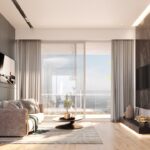
Living rooms are calm and inviting. Layered Wabi-Sabi curtains in living rooms provide a calm and welcoming ambiance. Daytime: The bright Singapore sun is diffused by a layer of sheer linen, which casts a gentle glow & fosters a calm atmosphere. Evening: Use the dim-out or blackout layer to create a comfortable environment for entertainment or relaxation and to improve privacy. The subdued hues go well with potted plants, natural wood furniture, & other components that support an organic look. Think about how they work with other window treatments, such as venetian blinds; a sheer curtain could make wooden venetian blinds appear softer.
Bedrooms: A Restful Haven. Bedrooms are places of refuge, & Wabi-Sabi’s emphasis on tranquility makes them perfect. Light Control: The main purpose of this is to efficiently block light so that you can sleep soundly. It is imperative to have a high-quality blackout or dim-out layer. Atmosphere: By adding texture and softness, the sheer layer lessens the starkness of the blackout layer.
A feeling of security & comfort is enhanced by the textiles’ tactile quality. Dining rooms: subtle elegance. The understated elegance of Wabi-Sabi can be advantageous in dining areas.
Ambiance: During meals, sheer curtains can provide a soft backdrop. The dim-out layer can create a cozier atmosphere when entertaining. Connection to Outdoors: Sheer curtains can frame the greenery in homes with garden views, strengthening the bond with the natural world. Indoor and Outdoor Integration: Balconies and Outdoor Areas.
Controlling the elements is essential for patios in landed properties and balconies in HDBs & condos. Sun & Rain Protection: Sturdy outdoor blinds are essential for practicality, even though interior curtains add to the Wabi-Sabi style. Strong outdoor blinds would be necessary for layering (e.g. (g). weather-resistant zip blinds) and then adding lighter, natural-fabric curtains inside the enclosed area for more privacy and softness. You can more comfortably enjoy your outdoor living space throughout the day with this method. Climate-related considerations for Singapore.
When selecting window treatments, Singapore’s distinct climate requires careful consideration. Humidity and Ventilation: Although natural fibers are typically favored due to their breathability, Singapore’s high humidity levels require careful consideration of ventilation. If your curtains come into contact with moisture, make sure they can dry completely.
To avoid mold and mildew, which are common concerns for HDB and condo residents, regular airing of rooms is essential. Heat and Sunlight Intensity: Effective light and heat management is necessary due to the unrelenting tropical sun. With a dim-out or blackout backing, layered curtains are a great way to cut down on solar heat gain and keep interior temperatures lower without constantly using air conditioning. Rain: It rains a lot in Singapore.
Although curtains are mainly used indoors, take into account how close they are to windows that could be opened during light showers. Materials that dry quickly are beneficial. The outside layer of balconies, such as zip blinds, needs to be weatherproof.
layering in smart homes. There are new opportunities for window treatments inspired by Wabi-Sabi as smart home technology becomes more integrated. Motorized Blinds and Curtains: A variety of contemporary textiles can be integrated into motorized systems. This satisfies a need for effortless comfort by enabling automated control of light & privacy.
Imagine your blackout layer closing in the afternoon to fight the heat, or your sheer curtains softly opening at sunrise to awaken you organically, all at predetermined times or managed by your smartphone. Smooth Integration: Smart technology doesn’t have to come at the expense of the Wabi-Sabi style. Discreet integration of motorized systems ensures that the natural fabrics’ beauty and loose drapes continue to be the main attraction.
This preserves the serene, flawed charm that characterizes Wabi-Sabi design while enabling sophisticated functionality. Financial factors. Depending on the fabrics you choose, the intricacy of the layering, and the size of your windows, the price of layered Wabi-Sabi curtains in Singapore can vary greatly.
Fabric Selection: Compared to basic cotton or synthetics, natural fibers like linen and hemp can be more costly. The cost will also be influenced by the weave density and any unique finishes. Layering Complexity: Because multiple layers require more intricate hanging systems & more fabric yardage, the total cost will inevitably rise. Motorization: The cost of motorized curtains and blinds will be substantial.
The kind of motor & control system (e.g.) will determine the cost. “g.”. remote, app-based), as well as the incorporation with your current smart home configuration. General Range: Depending on fabric choice and fullness, Singaporean homeowners can anticipate paying between SGD $30 and SGD $80 per linear foot for unmotorized, layered natural-fabric curtains.
Depending on the complexity, motorized systems can cost an additional SGD $200–$500+ per window. lifetime. In Singapore, the longevity of layered Wabi-Sabi curtains is determined by a number of factors, such as the fabric’s quality, the amount of sunlight and moisture exposure, and the maintenance schedule. Fabric Quality: Natural fabrics of superior quality that are tightly woven will typically last longer.
Sunlight Exposure: Over time, natural fibers may fade and weaken due to direct, prolonged exposure to strong UV rays. Curtains can last longer if they are positioned to minimize direct sunlight during peak hours. Moisture and Mould: To avoid mould and mildew, which can drastically reduce the lifespan of curtains, adequate ventilation and frequent drying are essential in Singapore’s humid climate. Maintenance: The integrity and beauty of the fabrics can be maintained by washing them gently & avoiding harsh treatments. Typical Lifespan: High-quality natural fabric curtains can last anywhere from five to fifteen years with the right maintenance and depending on the aforementioned factors.
The motor’s lifespan, which normally ranges from 7 to 10 years depending on usage & quality, is another factor to take into account for motorized systems. Because Wabi-Sabi embraces aging, fabrics can continue to contribute to a lovely, imperfect aesthetic even as they soften and fade slightly. Layered curtains can create a tranquil and lovely haven in your Singaporean home by carefully blending natural materials, subdued hues, and an attitude that welcomes imperfection.
In addition to addressing the practical needs of tropical living, the Wabi-Sabi approach to textiles offers a distinctive way to interact with your surroundings, discovering beauty in the fleeting & the tactile.
.
FAQs
What is Wabi-Sabi design?
Wabi-Sabi is a Japanese aesthetic that embraces imperfection, simplicity, and the beauty of natural materials. It values authenticity and the passage of time, and it often incorporates asymmetry and roughness in its design.
How are layered curtains used in Wabi-Sabi design?
Layered curtains in Wabi-Sabi design are used to create a sense of depth and texture in a space. They often consist of natural, lightweight fabrics such as linen or cotton, and are layered to allow for diffused natural light to enter the room.
What are the key characteristics of layered curtains in Wabi-Sabi design?
Layered curtains in Wabi-Sabi design are characterized by their simplicity, natural materials, and imperfect, organic textures. They are often neutral in color and have a relaxed, casual drape.
How can layered curtains enhance the Wabi-Sabi aesthetic in a space?
Layered curtains can enhance the Wabi-Sabi aesthetic by adding a sense of warmth, softness, and depth to a space. They can also create a feeling of intimacy and tranquility, which are key elements of Wabi-Sabi design.
What are some tips for incorporating layered curtains in Wabi-Sabi design?
When incorporating layered curtains in Wabi-Sabi design, it’s important to choose natural, breathable fabrics and to embrace the imperfections and irregularities in the materials. Additionally, consider layering different textures and lengths to create a sense of depth and visual interest in the space.