
So, you’re looking to find window blinds near you that are both stylish and functional? That’s a smart move to spruce up your home’s look and feel! The good news is, you’ve got plenty of options when it comes to finding the right blinds locally. It’s not just about blocking light; it’s about adding a touch of personality to your rooms. Let’s dive into how you can find those perfect window coverings without too much fuss.
When you’re on the hunt for window blinds right in your neighborhood, the first step is usually to figure out where to look. Think about places that specialize in home furnishings or offer services that include window treatments. This isn’t usually a “grab and go” type of purchase, so taking your time to explore local options can make a big difference.
Local Home Improvement Stores
These are often your go-to for a wide range of home decor items, and blinds are a staple. You’ll find big box stores, of course, but also smaller, local hardware or building supply shops that might have a surprisingly good selection.
Exploring the Aisles
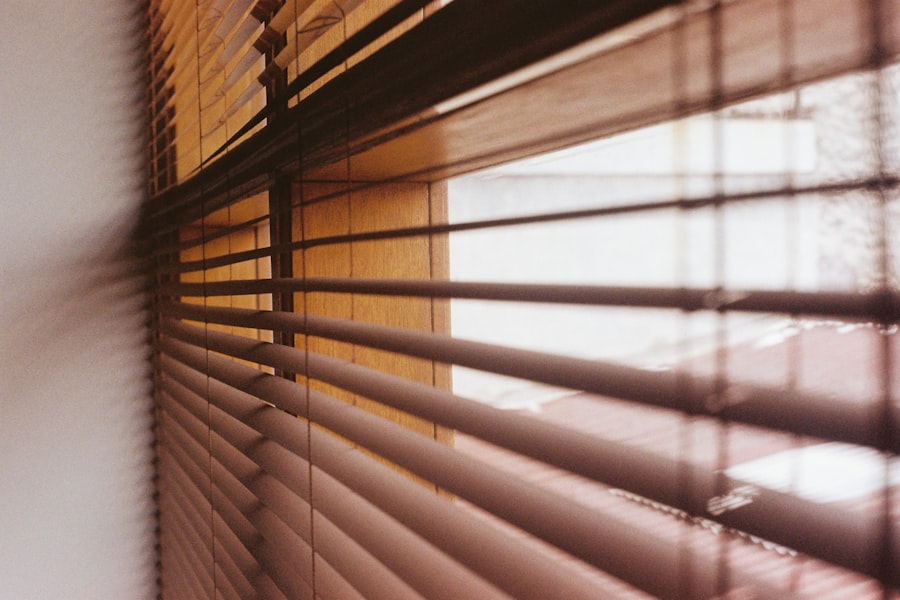
Walk through the window treatment section. You’ll see different types of blinds, like the classic Venetian (horizontal slats) or vertical blinds. You can get a feel for the materials, the different slat widths, and even see some functioning models. Don’t be shy about touching them to gauge the quality.
Measuring and Installation Services
A huge plus of going to a physical store is the potential for in-person consultations. Many of these places offer free measuring services, which is crucial because, let’s be honest, measuring windows can be a bit tricky. They can also discuss installation options, whether you want to DIY or have a professional do it.
Specialty Window Treatment Boutiques
These are the hidden gems. If you’re looking for something a bit more unique or want expert advice specifically tailored to your windows, a dedicated window treatment store is your best bet. They often carry higher-end brands and offer a more personalized experience.
The Advantage of Expertise
The staff at these boutiques live and breathe window coverings. They can guide you through the vast array of materials (wood, faux wood, aluminum, fabric), operating systems (corded, cordless, motorized), and styles that you might not even know exist. They’re excellent at helping you match blinds to your existing decor and specific needs, like light control or privacy.
Customization is Key
Many specialty stores excel at custom blinds. This means you can get blinds made to exact specifications for oddly shaped or unusually sized windows. They can also help you choose specific colors, textures, and hardware to perfectly complement your interior design.
Interior Design Centers and Showrooms
Sometimes, you can find excellent window blind options within larger interior design centers. These spaces are designed to showcase various home decor elements together, so you can see how blinds might visually integrate with furniture, paint colors, and other design choices.
Seeing the Blinds in Context
It’s one thing to see a blind on a rack, and another to see it in a fully designed room setting. This can be incredibly helpful for visualizing how light will filter through and how the blinds will affect the overall ambiance of your space.
Consultation with Designers
Often, these centers have design consultants on hand who can help you make informed decisions. They can offer advice not just on the blinds themselves, but on how they fit into your broader interior design goals.
If you’re looking for the best window blinds near you, you might find it helpful to check out this informative article on various styles and materials available in your area. It provides insights into choosing the right window coverings to enhance your home’s aesthetics and functionality. For more details, visit this link to explore options that suit your needs.
Understanding Your Local Blind Options
Once you know where to look, the next step is to understand what’s actually available to you locally. It’s not just about the brand name; it’s about the type of blind and what it can do for your home. Thinking about style and function before you go shopping will save you a lot of time.
Types of Blinds You’ll Find
The world of window blinds is more diverse than you might think. Knowing the basic categories can help you narrow down your search considerably.
Horizontal Blinds
These are the classic choice and come in various materials.
Venetian Blinds:
These are the most common horizontal blinds, featuring adjustable slats that tilt to control light and privacy. They are widely available in aluminum, vinyl, and wood. Aluminum and vinyl are budget-friendly and easy to clean. Real wood offers a warm, natural look but can be more expensive and sensitive to moisture.
Faux Wood Blinds:
A popular alternative to real wood, these are made from composite materials that mimic the look of wood but are more durable and moisture-resistant. They are an excellent choice for bathrooms and kitchens where humidity can be an issue. They are also generally easier to clean than real wood.
Mini Blinds:
These are typically aluminum blinds with narrower slats (often 1/2 inch or 5/8 inch). They offer a sleek, modern look and are a cost-effective option for many situations.
Vertical Blinds
These are ideal for larger windows, sliding glass doors, and patio doors.
Fabric, Vinyl, or PVC Blinds:
Vertical blinds consist of individual slats or vanes that hang from a track. They can be made from various materials like fabric for a softer look, or vinyl and PVC for durability and ease of cleaning. They offer excellent light control as you can rotate the vanes almost 180 degrees.
Motorized Options:
Many vertical blinds, especially those for large doors, are now available with motorized controls, which adds a significant convenience factor.
Roller Shades
These are a single piece of fabric that rolls up onto a rod when raised.
Blackout, Light-Filtering, and Sheer Fabrics:
Roller shades come in a huge variety of fabrics, offering different levels of light control – from complete blackout for bedrooms to light-filtering for living areas, and sheer for a touch of privacy without obscuring the view. They provide a clean, minimalist look.
Cordless and Motorized Systems:
Modern roller shades often come with cordless or motorized systems for enhanced safety (especially for homes with children or pets) and ease of use.
Roman Blinds
These offer a more elegant and decorative appeal than roller shades.
Concertina Effect:
When raised, Roman blinds fold up in a beautiful, soft pleat that creates a stacked effect. They are available in a wide range of fabrics, from luxurious silks to durable linens and cottons, allowing for extensive customization.
Hard or Soft Styles:
Roman blinds can be structured with reinforcing slats for a crisp appearance (hard Roman) or be more free-flowing and soft (soft Roman).
Functional Considerations for Your Home
Beyond just aesthetics, think about what you need your blinds to do. This will heavily influence your material and style choices.
Light Control and Privacy Needs
Do you need to block out sunlight completely for a home theater or nursery? Or are you just looking for diffused light for a living room? This will determine if you lean towards blackout blinds, light-filtering roller shades, or adjustable Venetian slats.
Insulation and Energy Efficiency
Some blinds, particularly those with cellular or honeycomb structures (though sometimes categorized as shades rather than blinds), can offer significant insulation benefits, helping to keep your home cooler in summer and warmer in winter. This can lead to energy savings.
Durability and Maintenance Requirements
Consider the environment of the room. A busy kitchen or a child’s playroom might require durable, easy-to-clean materials like vinyl or faux wood. High-moisture areas like bathrooms are best suited for water-resistant options.
Child and Pet Safety Features
If you have young children or pets, corded blinds can be a safety hazard. Look for cordless options or blinds with secure cord management systems. Motorized blinds are another excellent safe alternative.
Visiting Local Showrooms and Making the Purchase

Once you have a better idea of what you’re looking for, visiting local showrooms or stores is the next logical step. This is where you can really get hands-on and make the final decisions.
The Importance of Seeing and Touching
Online shopping is convenient, but for window blinds, seeing them in person is often essential. You can feel the quality of the materials, get a sense of how the slats operate, and check the colors and textures under different lighting conditions.
Material Quality Checks
Run your hand over the slats. Do they feel flimsy or solid? Is the finish smooth? This tactile experience is hard to replicate online. For wood or faux wood blinds, check for consistency in grain or texture.
Color Matching and Light Demonstration
Colors can look very different online compared to real life. Bring fabric swatches or paint chips from your home to see how the blind colors truly complement your decor. Ask to see how the blinds block light when tilted or lowered to understand their effectiveness.
Getting Expert Advice and Measurements
Don’t underestimate the value of talking to professionals at your local blind store. They can offer insights you might not have considered.
In-Home Consultations
Many reputable local blind companies offer in-home consultations. This is incredibly valuable because they can assess your windows, offer personalized recommendations based on your home’s specific needs and your style preferences, and take precise measurements. This often reduces costly errors down the line.
Understanding Warranty and After-Sales Service
When buying locally, you often have a more direct line for warranty claims and after-sales support. Ask about the warranty period for different types of blinds and what it covers. Good customer service can be a lifesaver if any issues arise.
The Ordering and Installation Process
After you’ve chosen your blinds, you’ll need to understand what happens next.
Custom vs. Ready-Made
Decide if you need custom-made blinds for perfect fit, or if standard-sized blinds will work. Custom blinds may take longer to produce but ensure no gaps and a more polished look.
Professional Installation Options
While many blinds are designed for DIY installation, it can be a fiddly job, especially if you have multiple windows or a height to contend with. Many local retailers offer professional installation services, which is often worth the investment for peace of mind and a perfect finish.
Exploring Online Options from Local Retailers
While we’ve focused on brick-and-mortar, many local retailers also have an online presence. This can be a convenient way to browse their full catalog and sometimes even start the ordering process.
Checking Local Retailer Websites
Many of the home improvement stores and specialty boutiques you visit locally will have websites. These can be a great resource for seeing their product lines, checking specific brands they carry, and understanding their service areas.
Browsing Catalogs and Special Offers
You can often find detailed product descriptions, specifications, and even customer reviews on their websites. Keep an eye out for local sales or promotions that might be exclusive to their online or in-store customers.
Scheduling Appointments or Consultations Online
Some retailers allow you to schedule in-home consultations or in-store appointments directly through their websites, streamlining the process.
Understanding Local Delivery and Pickup
If you’re ordering online from a local company, figure out the logistics.
Local Delivery Zones and Fees
Confirm that they deliver to your area and understand any associated delivery charges. For larger orders or custom items, delivery might be included or a flat fee.
In-Store Pickup Convenience
If you’re happy to transport them yourself, in-store pickup can be a good way to save on delivery fees, especially for smaller ready-made blinds. This also gives you a chance to inspect the product before leaving the store.
If you’re looking for effective ways to enhance your home’s comfort, especially during the hot summer months, consider exploring options for window blinds near you. Not only do they provide privacy and style, but they can also help regulate indoor temperatures. For instance, you might find it helpful to read this informative article on how to block heat from west-facing windows, which discusses various solutions including the use of blinds. You can check it out here: how to block heat from west-facing windows.
DIY vs. Professional Installation: Weighing the Pros and Cons
| Location | Distance | Rating |
|---|---|---|
| Downtown | 0.5 miles | 4.5 stars |
| East Side | 2 miles | 4.0 stars |
| West Side | 1.5 miles | 4.2 stars |
Deciding whether to install your blinds yourself or hire a professional is a common dilemma. Your local options can often provide guidance on both.
The DIY Approach: Saving Money and Gaining Satisfaction
If you’re handy and enjoy a good project, installing blinds yourself can be a rewarding experience and a great way to save money.
Tools and Skills Required
Most standard blind installations require basic tools like a drill, screwdriver, measuring tape, and a level. Some blinds have intricate mechanisms, so reading instructions carefully is key.
Potential Pitfalls of DIY
Mistakes can happen. Incorrect measurements can lead to blinds that don’t fit properly, and misaligned installation can affect the operation and appearance of the blinds. If you’re not comfortable working at a height or with power tools, it’s probably best to reconsider.
Professional Installation: Convenience and Guaranteed Results
Hiring a professional installer offers convenience and typically ensures a flawless finish.
Time Savings and Expertise
A professional has the experience and tools to install blinds quickly and correctly, saving you time and potential frustration. They can handle complex window types and ensure the blinds are securely mounted.
Peace of Mind and Warranties
Many professional installers offer guarantees on their work, and if any issues arise, you have a professional to turn to. This is especially valuable for higher-end or custom window treatments.
Making the Right Choice for You
The best option depends on your budget, your comfort level with DIY projects, and the complexity of the blinds you’re choosing. Don’t hesitate to ask your local retailer for their recommendations based on your specific situation. They often have trusted installers they work with or can advise if DIY is a reasonable option for the product you select.
By considering these aspects and doing a bit of local exploration, you’ll be well on your way to finding window blinds that not only dress your windows perfectly but also contribute beautifully to your home’s overall style.