The popular Japanese aesthetic known as Wabi-Sabi, which finds beauty in imperfection, transience, and simplicity, has found resonance in Singaporean homes. This way of thinking honors the peaceful harmony found in understated elegance, the subtle nuances of texture, & the natural aging process. Adopting Wabi-Sabi for window treatments entails eschewing overtly polished materials and designs in favor of ones that convey genuineness and a soft embrace of nature. Natural-toned blinds are ideal for this aesthetic because of their innate connection to nature and capacity to soften light, turning landed homes, BTO apartments, HDB apartments, and condos into sanctuaries of mindful living. Accepting Failure: Singapore’s Wabi-Sabi Philosophy.
Wabi-Sabi is about appreciating the beauty that results from natural processes rather than striving for perfection. This translates to an aesthetic that honors the organic, weathered, and subtle. When it comes to home décor, this means choosing materials that age well, asymmetrical designs, and a color scheme that is inspired by nature. Wabi-Sabi provides a way to design areas that are not only aesthetically beautiful but also profoundly peaceful and contemplative for Singaporean homeowners looking for a haven from the tropical heat and busy city life. Substance over superficiality, a connection to nature over artificiality, & a deep sense of tranquility are all prioritized in this approach to interior design. Maintaining immaculate interiors can be difficult in Singapore’s humid climate due to the constant sun and seasonal downpours.
Natural-toned blinds are an excellent choice for Wabi-Sabi homes, as they embody the beauty of imperfection and simplicity that this aesthetic celebrates. For those interested in exploring how different window treatments can complement modern interiors, a related article discusses the comparison between curtains and blinds specifically for contemporary Singaporean homes. You can read more about this topic in the article here: Curtains vs. Blinds for Modern Singapore Homes.
In essence, wabi-sabi recognizes and embraces this; it is a perfect philosophy for homes in our tropical climate because it honors the patina of time and the mild weathering of materials. The Key to Natural Tones: Material & Color Selections. Wabi-Sabi blinds’ color scheme and the materials used to make them are their main features.
The Wabi-Sabi method promotes delicate, earthy colors that evoke a sense of grounding and tranquility; forget about bold patterns and glossy finishes. Imagine the gentle off-white of natural cotton, the warm beige of aged linen, the soft grey of weathered stone, or the subdued tones of sand after a rainstorm. These hues are naturally soothing and work well with other natural materials to create a unified and peaceful ambiance.
Equally important are the materials. Because of their texture, breathability, and capacity to age gracefully, natural fibers like bamboo, linen, and cotton are preferred. Artificial alternatives frequently lack the natural warmth and tactile quality of these materials. The Wabi-Sabi ideal of accepting imperfection is embodied by linen’s distinctive slubby texture and propensity to crease. Cotton has a soft, natural feel, especially when it’s raw or unbleached. Because of its strength & organic growth patterns, bamboo brings a bit of nature indoors.
Natural-toned blinds are an excellent choice for Wabi-Sabi homes, as they complement the aesthetic of simplicity and imperfection that defines this design philosophy. By incorporating these blinds, you can enhance the organic feel of your space while allowing natural light to filter through gently. For those interested in exploring how different types of blinds can be adapted to various environments, a related article discusses the benefits of Venetian blinds in tropical climates, which can also inspire your home decor choices. You can read more about it here.
| Blind Type | Material | Color | Light Filtering | Price Range |
|---|---|---|---|---|
| Roman Shades | Bamboo | Natural Tan | Light Filtering | 50 – 150 |
| Roller Shades | Grasscloth | Earthy Beige | Light Filtering | 40 – 120 |
| Wooden Blinds | Basswood | Warm Oak | Light Filtering | 60 – 200 |
The objective when choosing window treatments for a Wabi-Sabi house is to choose materials that, when exposed to light and mild wear, will tell a story over time and develop a distinctive character. This stands in stark contrast to the current trend of flawlessly uniform and smooth window coverings that are meant to withstand time. Rather, we look for materials that it improves.
Tactile & Visual Harmony: Texture and Light. Texture is essential to wabi-sabi, which is as much about how a room feels as it is about how it looks. Natural-toned blinds provide a rich tactile experience, particularly those made of linen or textured cotton. Authenticity is enhanced by the subtle flaws in the fibers and the unevenness of the weave. When these blinds are combined with other organic materials like raw wood, unglazed ceramics, or rough-hewn stone, this effect is enhanced.
These different textures interact to produce a multi-layered sensory experience that is both luxurious in its subtle elegance and grounding. Another key component of Wabi-Sabi design is the management of natural light. The goal is to diffuse light, lessen its intensity, & produce a soft, ambient glow rather than completely block it out. Blinds with natural tones excel in this regard. Because of their opacity, they can filter the intense tropical sun, keeping Singaporean interiors from getting too hot while still allowing a good amount of natural light. By avoiding the glare & starkness that can be connected to unadulterated sunlight, this selective light control promotes serenity & introspection.
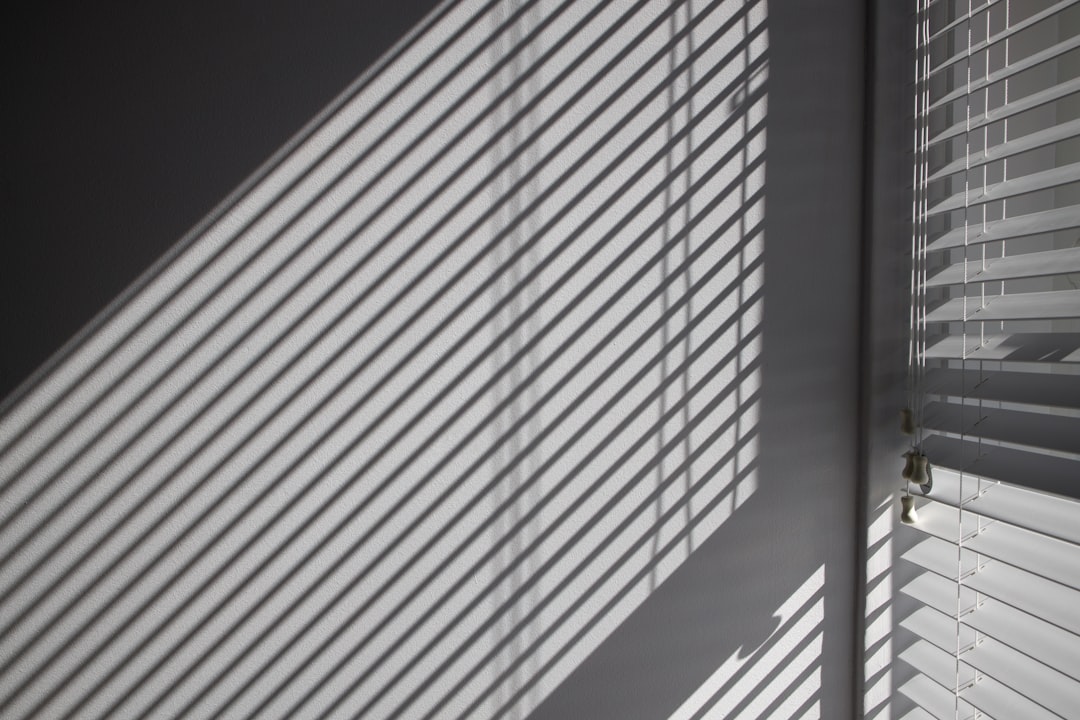
A classic Wabi-Sabi moment is when light passes through a beautifully woven linen blind, highlighting the texture of the fabric and creating gentle shadows. This is especially important given Singapore’s frequently intense daylight, where the comfort and ambiance of a home can be greatly impacted by the ability to modulate light. Natural-Toned Blind Types for Wabi-Sabi Style. While the overall feeling and material are given priority in the Wabi-Sabi aesthetic, some types of blinds are especially well suited to this philosophy.
Choosing patterns that go well with the natural hues & textures we’ve covered is crucial. Roller blinds made of natural materials. Because of their simplicity and clean lines, custom linen or cotton roller blinds are a popular option that complement Wabi-Sabi’s minimalist principles.
Choosing natural fabrics that are unlined or loosely lined results in a softer drape and a more diffused light effect. A lovely, ethereal glow can be produced by the slight translucence. The Wabi-Sabi vibe can be further enhanced by asymmetry in the installation or a slightly uneven hem. These blinds are simple to operate and can be installed on most types of windows, from the large views of landed property balconies to the square apertures in HDB apartments. Living-in-style Roman blinds.
The Wabi-Sabi style can also be embodied by Roman blinds with their gentle folds, particularly if they are constructed from textured natural fabrics. The fabric’s organic quality adds the desired imperfection, while the distinctive pleats produce natural vertical lines that can add a subtle sense of order. Roman blinds with purposefully raw or slightly frayed edges, which enhance the feeling of authenticity and artisanal craft, are a great option for a genuinely Wabi-Sabi touch. These work especially well in living rooms or bedrooms where a cozier, more inviting ambiance is preferred.
Natural-Looking Venetian Blinds. Venetian blinds can be modified for a Wabi-Sabi home with careful material and color selection, despite their traditional association with a more structured appearance. Avoiding glossy or highly varnished options, wooden Venetian blinds with a natural, matte finish can blend in beautifully. Consider subdued wood hues like walnut, reclaimed wood, or pale oak. For Singaporean homes, the ability to tilt the slats allows for precise control over light & privacy.
The Wabi-Sabi appeal will be enhanced by the minor flaws in the wood’s grain and finish. Zip blinds and their uses outside. For areas like balconies, patios, or even large open-plan living spaces in condos and landed homes, zip blinds made from natural-coloured, durable outdoor fabrics can extend the Wabi-Sabi aesthetic beyond the interior. These blinds have a soft, natural appearance while providing outstanding protection from the weather, including Singapore’s strong sun and humidity.
When lowered, the zip system guarantees a taut fabric that reduces flapping in the wind and provides efficient containment. These outdoor zip blinds will blend in perfectly with their surroundings if you choose earthy, subdued colors. Blinds and curtains with motors: subtle integration. Although Wabi-Sabi values the tactile and handcrafted, contemporary technology is not always excluded. A Wabi-Sabi home can discreetly incorporate motorized curtains and blinds.
The secret is to make sure the motorized mechanism is discrete and operates silently & smoothly, which promotes effortless tranquility rather than obtrusive high-tech disturbance. For example, motorized roller blinds made of natural fabric can be operated remotely, providing a useful way to control heat and light in a Singaporean home without sacrificing style. This harmonizes technology with the tranquil Wabi-Sabi philosophy by enabling the enjoyment of natural light control at the push of a button. Room-Based Uses and Things to Think About in Singaporean Homes. The Wabi-Sabi style and, consequently, the selection of natural-toned blinds can be tailored to meet the unique requirements of various rooms in a Singaporean home. Creating a Calm Center for Living Spaces.
Creating a peaceful area for socializing and relaxation is the goal of living rooms. Roman blinds or rollers made of natural-toned linen are perfect for blocking out the intense tropical sunlight. Their capacity to reduce light contributes to a soothing atmosphere, making the area more welcoming for relaxing after a demanding day.
The fabric’s texture gives it warmth and depth. Outdoor zip blinds in comparable natural tones can extend the tranquil ambiance to the outdoor spaces of homes with balconies, creating a smooth transition between indoor and outdoor living. Bedrooms: Encouraging relaxation and renewal. Wabi-Sabi principles are ideal for creating a tranquil sleeping environment, and bedrooms are havens of rest.
When lined properly, off-white or light beige cotton Roman blinds can provide a subtle blackout effect without sacrificing their soft, natural appearance. The overall feeling of security & comfort may be enhanced by the fabric’s tactile quality. Simple linen roller blinds, which provide dappled, soothing light, are also a great option for people who want a more minimalist look. Dining rooms & kitchens are naturally functional spaces. The emphasis switches to practicality & a natural aesthetic in dining rooms and kitchens.
Because they are simple to clean & provide great control over light & privacy, natural-toned Venetian blinds with a matte wood finish can be useful. The wood’s warmth will go well with the natural materials that are frequently found in kitchens, like stone countertops & wooden cabinets. Outdoor zip blinds in muted earth tones can preserve the aesthetics of more open-plan dining areas while offering weather protection, especially in condos with adjacent balconies. The Sanctuary is extended with balconies and outdoor areas. In Singapore, outdoor areas & balconies are an extension of the house, so it’s important to preserve the Wabi-Sabi style.
These spaces are ideal for outdoor zip blinds made of sturdy, weather-resistant natural fabrics. They create a cozy and private haven by providing shelter from the sun, rain, & wind. These blinds’ natural hues will complement any greenery, and their resilience to Singapore’s humid climate makes them a sensible option. Even in windy conditions, the zip mechanism guarantees a clean & orderly appearance.
Climate Considerations: Navigating Singapore’s Tropical Environment. When selected carefully, natural-toned blinds can provide practical solutions for the particular problems posed by Singapore’s tropical climate. Control the sun and heat. Homes can be considerably heated by the strong tropical sun. Natural-toned blinds provide significant insulation & light diffusion, especially those composed of thick cotton & linen.
They reduce heat gain by absorbing and reflecting sunlight before it enters the space. The harsh glare that can pass through ineffective window treatments is quite different from this. Precise control of solar heat gain is made possible by the ability to adjust the opacity of roller blinds or the angle of Venetian blind slats, which results in a cooler and more comfortable interior environment all year round. airflow and humidity.
Another consistent element in Singapore is humidity. Air circulation is facilitated by the general breathability of natural materials like cotton and linen. But it’s crucial to make sure that blinds don’t collect moisture.
The ability to fully open blinds allows for maximum airflow, which is essential for proper ventilation in the home. Specifically made weather-resistant fabrics for zip blinds are made to resist moisture & mildew, guaranteeing longevity and preserving their visual appeal in outdoor settings. Important maintenance procedures include routine cleaning & making sure blinds are completely dry after being exposed to rain.
Preserving the Wabi-Sabi Charm: Maintenance & Durability. Wabi-Sabi’s durability & the way materials age are what make it so beautiful. This way of thinking should be reflected in how natural-toned blinds are maintained.
Basic Cleaning Techniques. Dust accumulation can typically be avoided by routinely dusting linen and cotton blinds with a soft brush or a vacuum cleaner attachment. A moist cloth with mild soap can be used for spot cleaning, but it’s important to let the fabric dry completely and avoid oversaturating it.
A quick wipe with a dry or slightly damp cloth works well for Venetian blinds. It is usually advised to rinse outdoor zip blinds with water and a mild detergent and then let them air dry. Instead of using harsh methods, the key is to provide gentle, consistent care.
Aging and Lifespan with Grace. The quality of the material and the particular application determine how long natural-toned blinds last. When properly cared for, premium linen or tightly woven cotton blinds can endure for many years and eventually develop a lovely patina. Venetian blinds made of wood, particularly those treated for outdoor use, can also be quite resilient. This aging process is celebrated by the Wabi-Sabi aesthetic, which views minor fading from sun exposure or a slight softening of the fabric as a part of the material’s narrative rather than a flaw.
Because they are constructed of sturdy materials, outdoor zip blinds are meant to last a long time and be resistant to the weather. Singaporean Natural-Toned Blind Cost Considerations. The material, design complexity, and type of window treatment can all have a big impact on how much natural-toned blinds cost in Singapore. materials & personalization.
Due to the inherent cost of the natural fibers and their production, pure linen and premium cotton blinds are typically more expensive than synthetic alternatives. Roman or roller blinds made to order will also cost more, particularly if they have complex folds or particular lining specifications. Wooden Venetian blinds will cost more than their uPVC or aluminum equivalents, especially if they are constructed from high-quality hardwoods.
Both installation and motorization. For larger windows or intricate systems like motorized blinds, the cost of professional installation is an important consideration. The cost of the motorization technology and its integration will make motorized curtains & blinds more expensive even though they provide convenience and a contemporary edge. Cost ranges. Depending on the size and fabric, natural-toned roller and Roman blinds made of high-quality cotton or linen typically cost between S$200 & S$600 per window. For premium wood and custom widths, wooden Venetian blinds can start at S$300 and cost up to S$800 or more.
Depending on the size of the opening and the material selected, outdoor zip blinds for balconies can cost anywhere from S$500 to S$1500 or more. The total cost of the blinds may increase by an extra thirty to fifty percent with motorized options. The supplier and particular design decisions may have an impact on these approximations. To sum up, natural-toned blinds provide an elegant & soulful method of window treatments that perfectly encapsulates Wabi-Sabi.
For Singaporean homeowners in HDB flats, condos, BTO apartments, & landed houses, embracing these blinds provides a pathway to creating interiors that are not only beautiful & serene but also deeply connected to the principles of nature, imperfection, and mindful living. They are the perfect option for people looking for a genuinely authentic and peaceful home because of their ability to withstand the tropical climate, their timeless aesthetic appeal, and the grace with which they age.
.
FAQs
What are natural-toned blinds?
Natural-toned blinds are window coverings made from materials such as bamboo, wood, or other natural fibers that are left in their original, untreated state to showcase their natural color and texture.
What is Wabi-Sabi style?
Wabi-Sabi is a Japanese design aesthetic that embraces imperfection, simplicity, and the beauty of natural materials. It values authenticity, organic shapes, and a sense of tranquility.
How do natural-toned blinds complement Wabi-Sabi homes?
Natural-toned blinds complement Wabi-Sabi homes by adding warmth, texture, and a connection to nature. They enhance the natural, unrefined beauty of the space and create a sense of harmony and simplicity.
What are the benefits of using natural-toned blinds in Wabi-Sabi homes?
Using natural-toned blinds in Wabi-Sabi homes can help create a calming and peaceful atmosphere, bring the outdoors in, and contribute to a sense of balance and harmony within the space.
What are some popular types of natural-toned blinds for Wabi-Sabi homes?
Popular types of natural-toned blinds for Wabi-Sabi homes include bamboo blinds, wooden blinds, and woven grass shades. These materials reflect the principles of Wabi-Sabi and add a touch of natural elegance to the space.