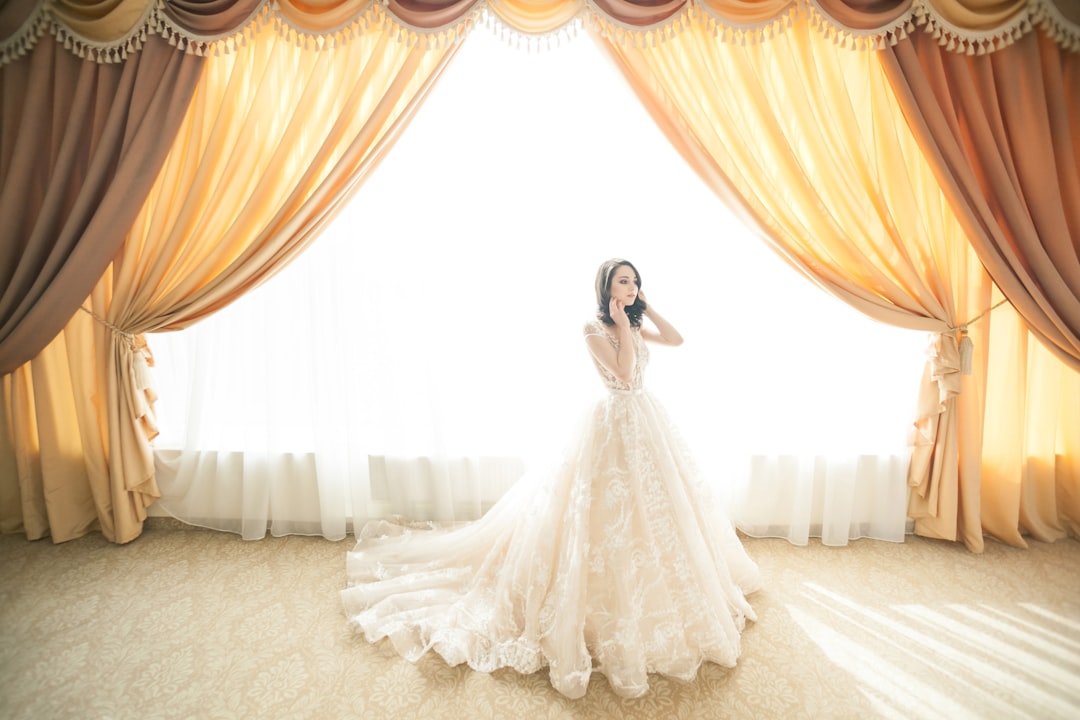
Curtains are more than just fabric scraps; they’re a key player in how your living room looks and feels. Choosing the right ones can transform a room from plain to polished, making it more comfortable, stylish, and functional. It’s all about finding that sweet spot between aesthetics and practicality.
Sure, they block out light, but their job goes deeper than that. Curtains influence everything from privacy and noise levels to the overall character of your living room. They can be the subtle backdrop that lets your furniture shine, or they can be the star of the show.
Beyond Basic Functionality
Think of curtains as an extension of your interior design. They’re a significant visual element that can tie a room together, add a pop of color, or introduce a new texture. Ignoring them is like leaving a painting unframed – you’re missing out on a crucial finishing touch.
Setting the Mood and Tone
Want a cozy, inviting space? Heavy, textured drapes can do that. Aiming for something light and airy? Sheers are your friend. The mood of your living room is heavily influenced by how much light comes in and how the windows are dressed.
If you’re looking to enhance the aesthetic of your living room with stylish curtains, you might find the article on the importance of choosing the right fabric particularly helpful. This resource discusses various materials and their impact on light control and ambiance, making it a great companion to your curtain selection process. For more insights, check out this informative piece on curtains for your living room at Curtain Shop.
Navigating Curtain Styles and Fabrics
The sheer variety of curtain styles and fabrics can be overwhelming, but understanding the basics will help you narrow down your choices. Each option brings its own unique advantages to the table.
Understanding Different Curtain Styles
From classic to contemporary, there’s a curtain style for every taste. Knowing the characteristics of each will help you decide what fits your living room’s vibe.
Panel Pair Curtains
These are the most common style, featuring two curtain panels that meet in the middle when closed. They offer great versatility in terms of light control and can be dressed up or down depending on the fabric and hardware. They’re a safe and reliable choice for most living rooms.
Single Panel Curtains
As the name suggests, this is one wide panel that covers the entire window. It’s often used for smaller windows or to create an asymmetry that can be quite chic. Think of a single panel elegantly swept to one side, adding a touch of drama.
Pleated Curtains
These curtains have permanent folds sewn into the top, giving them a formal and structured look. Common pleats include pinch pleats, goblet pleats, and box pleats. They hang beautifully and are ideal for more traditional or sophisticated spaces. They tend to be a bit pricier due to the tailoring involved.
Tab Top Curtains
Featuring fabric loops (tabs) at the top that slide directly onto a curtain rod, tab tops offer a relaxed and casual aesthetic. They’re easy to install and remove, making them a good option for rooms where you might want to change curtains frequently. However, they can sometimes let more light through the top than other styles.
Grommet Top Curtains
Grommets are metal rings inserted into the top of the fabric, through which the curtain rod passes. They create deep, even folds that are modern and streamlined. Grommet tops are very easy to open and close, making them practical for windows you access often. They offer a contemporary look.
Rod Pocket Curtains
These have a channel sewn into the top of the fabric, creating a pocket for the curtain rod. They provide a gathered, softer look and are often used with lightweight fabrics. While elegant, they can be a bit tricky to slide open and closed, so they’re better suited for curtains that will remain largely stationary.
Café Curtains
Designed to cover only the bottom half of a window, café curtains provide privacy while still allowing plenty of natural light into the upper portion. They create a charming, informal look and are great for kitchens or living rooms where full coverage isn’t necessary.
Tie-Up Curtains
These curtains feature ties that allow you to adjust their length and create decorative pleats or folds. They offer a relaxed, customizable look and are great for adding a touch of rustic charm or casual elegance. They’re all about controlled informality.
Swags and Valances
These aren’t full curtains but decorative treatments for the top of a window. Swags are draped fabric, often in graceful curves, while valances are shorter, stiffer fabric panels that cover the top of the window frame. They are used to add a decorative touch, hide curtain hardware, or soften the architectural lines of a window. They work well layered over blinds or other curtain styles.
Choosing the Right Fabric
The fabric choice significantly impacts the drape, light control, and overall feel of your curtains. It’s not just about color; texture and weight play a huge role.
Cotton
A versatile and widely available option, cotton curtains come in various weaves and weights. They are breathable, easy to clean, and offer a crisp, clean look. Lighter cottons provide a soft filter for light, while heavier weaves can offer more privacy.
Linen
Known for its natural texture and relaxed elegance, linen drapes beautifully but tends to wrinkle easily. It allows for a soft diffusion of light and creates an airy, sophisticated atmosphere. It’s a great choice for a relaxed, yet chic living room.
Silk
For a luxurious and formal feel, silk is unparalleled. It drapes elegantly and has a beautiful sheen, but it’s delicate and prone to sun damage. Faux silk can be a more durable and cost-effective alternative, mimicking the look without the high maintenance.
Velvet
Velvet curtains offer rich texture, excellent insulation, and a sense of opulence. They block out light effectively and contribute to a cozy, inviting atmosphere. Ideal for a classic or glam aesthetic, they’re a statement piece.
Sheer Fabrics (Voile, Organza)
These lightweight, translucent fabrics are perfect for maintaining privacy while still allowing maximum light to enter the room. They soften the view and add an ethereal quality without blocking the outside world completely. They also layer beautifully with heavier drapes.
Blackout Fabrics
Specifically designed to block out nearly all light, blackout curtains are perfect for maximizing privacy and controlling room temperature. They are often used as a lining for other curtain fabrics, offering a practical solution for bright rooms or those needing ultimate darkness.
Blends
Many curtains are made from fabric blends, combining the best properties of different materials. For example, a polyester-cotton blend might offer the durability of polyester with the natural feel of cotton. Blends often provide a good balance of cost, durability, and aesthetics.
Hardware: The Unsung Hero
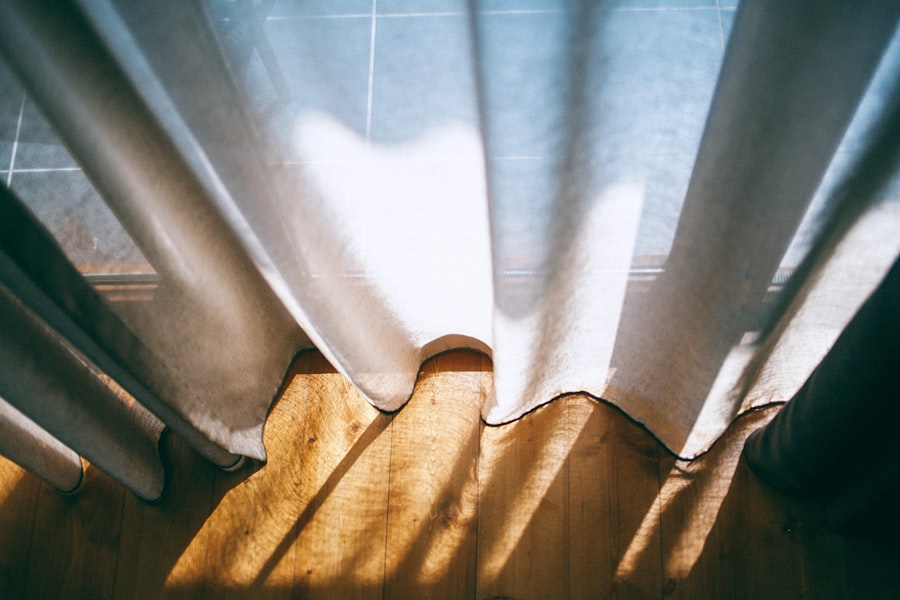
Curtain hardware (rods, finials, rings, tie-backs) might seem like minor details, but they’re crucial for both function and style. The right hardware can elevate the entire look of your window treatment.
Selecting the Right Rod
The curtain rod is the foundation upon which your curtains will hang. Its style, strength, and placement are all important.
Material and Finish
Curtain rods come in various materials like wood, metal (brass, wrought iron, chrome, stainless steel), and even acrylic. Choose a finish that complements your existing metallic accents and overall room aesthetic. A dark rod can ground a light curtain, while a metallic rod can add sparkle.
Rod Size and Thickness
Ensure the rod is strong enough to support the weight of your chosen curtains, especially if they are heavy or lined. The diameter of the rod should also be appropriate for the style of curtain and the size of the window. A thin rod on a large window with heavy drapes will look spindly and be prone to bending.
Rod Length
A common design tip is to extend the curtain rod beyond the window frame by at least 6-12 inches on each side. This allows the curtains to be pulled back fully, maximizing natural light when open and making the window appear larger.
Finials: The Decorative Ends
Finials are the decorative caps on the ends of the curtain rod. They’re a small detail that can make a big impact, adding a touch of personality or formality.
Styles and Materials
From simple caps to elaborate sculpted designs, finials come in endless styles. Choose ones that match the overall design intent. Ornate finials suit traditional rooms, while sleek, minimal designs work well in contemporary spaces.
Rings, Hooks, and Clips
These elements connect the curtains to the rod, allowing for smooth operation.
Curtain Rings
Curtain rings make it easy to open and close pleated or flat panel curtains. They can be plain or decorative and often come with clips or small hooks to attach to the fabric. They create a smart, tailored look.
S-Hooks or Pin Hooks
These are used with pleated curtains, where the hooks are inserted into the pleat and then onto a ring or directly into a traverse rod carrier.
Clip Rings
These rings have clips attached, making it simple to hang flat panel curtains without the need for sewing. They offer an easy, informal way to hang curtains.
Tie-Backs and Holdbacks
These are functional and decorative elements used to hold curtains open.
Tie-Backs
Fabric tie-backs, often made from the same material as the curtains, can be practical or purely decorative. They gather the curtain and are tied to a hook on the side of the window.
Holdbacks
These are rigid, decorative pieces that attach to the wall on either side of the window. Curtains are simply pushed behind them to hold them open. They often come in metal or wood and can be quite sculptural, adding another decorative touch.
Mastering Curtain Installation and Length

Getting the installation right is crucial for achieving that polished, professional look. Incorrect hanging can make even the most expensive curtains look cheap.
The Ideal Curtain Length
This is perhaps the most debated aspect of curtain hanging, and for good reason—it drastically affects the room’s look.
Puddle Length
Curtains that “puddle” on the floor by several inches offer a romantic, luxurious, and relaxed look. This style works best with heavier fabrics like velvet or linen and in more formal or traditional settings where curtains aren’t frequently opened and closed. Aim for 6-10 inches of extra length.
Break Length
For a slightly less dramatic but still soft look, curtains can have a “break” or kiss the floor, meaning they touch the floor and barely gather. This offers a tailored look that still feels relaxed. An extra 1-3 inches beyond floor length is usually sufficient.
Floor Length
This is the most common and practical choice. Curtains that just skim the floor (or hover about ½ inch above it) look clean, tailored, and are easy to operate. This length works well in almost any room and with most curtain styles.
Sill Length
Curtains that end at the windowsill (or just below it) are typically used for café curtains or in areas where a full-length curtain would be impractical, like above a radiator or a window seat. These create a more casual, light-filled atmosphere.
Height Matters: Hanging Your Rod
Where you hang the curtain rod above the window frame significantly impacts the perceived size of the window and the room.
Wider Than the Window Frame
As mentioned before, extend the rod 6-12 inches beyond the window frame on each side. This allows the curtains to be fully pulled back, exposing the entire window and maximizing natural light. It also makes the window appear wider.
Higher Than the Window Frame
Mount your curtain rod at least 4-6 inches above the top of the window frame. For even greater impact, consider mounting it closer to the ceiling. This draws the eye upward, making the windows and the room feel taller and more expansive. The general rule of thumb is to hang them as high as you comfortably can.
Achieving the Perfect Fullness
Curtain fullness refers to the amount of fabric used relative to the width of the window. More fabric creates a richer, more luxurious look.
Standard Fullness
A good rule of thumb is to have curtains that are 2-2.5 times the width of your window. So, if your window is 36 inches wide, you’d want curtain panels that, when combined, measure 72-90 inches in width. This creates nice, soft folds when the curtains are closed.
Sheer Fullness
Sheer curtains can often benefit from even more fullness, sometimes as much as 3 times the window width, to achieve a soft, billowy effect while still allowing light through.
Minimal Fullness
For a very modern, streamlined look, you can opt for 1.5 times the window width, but be aware that this can look a bit sparse, especially with lightweight fabrics.
When selecting the perfect curtains for your living room, it’s essential to consider not only the style but also the color that will complement your space. A great resource for understanding the latest trends in curtain colors is an article that discusses the top five curtain colors in Singapore. You can explore this insightful piece by clicking on this link, which provides valuable information to help you make an informed decision for your home decor.
Practical Considerations for Everyday Living
| Feature | Measurement |
|---|---|
| Length | 84 inches |
| Width | 52 inches |
| Material | Polyester |
| Color | Beige |
| Style | Modern |
Beyond aesthetics, there are several practical aspects to consider when choosing and maintaining your living room curtains.
Light Control and Privacy
Think about how much light you want in at different times of the day, and how much privacy you need.
Sheer Curtains for Light Filtering
These are ideal for rooms where privacy is a secondary concern but you want to soften harsh sunlight and maintain some natural light. They create an inviting, airy atmosphere.
Room Darkening vs. Blackout
Room darkening curtains significantly reduce light but don’t completely block it out. Blackout curtains, on the other hand, are designed to block almost all light. Consider if you need complete darkness for movie watching or naps in your living space.
Layering for Versatility
The best solution for both light control and privacy is often layering. Combine sheer curtains for daytime diffusion with heavier drapes for nighttime privacy and light blocking. This offers maximum flexibility.
Insulation and Energy Efficiency
Your curtains can actually help you save on energy bills.
Thermal Lined Curtains
Curtains with a thermal lining provide an extra layer of insulation, helping to keep heat in during winter and cool air in during summer. This can be especially beneficial for large windows or in areas with extreme climates.
Heavier Fabrics
Fabrics like velvet, suede, or heavy interlined cotton naturally offer more insulation than lighter materials. These can contribute significantly to temperature regulation in your living room.
Maintenance and Care
Let’s be honest, cleaning curtains isn’t anyone’s favorite job, but choosing the right fabric can make a big difference.
Washable Fabrics
For ease of care, look for curtains made from machine-washable cotton, linen blends, or synthetic materials. Always check the care label before washing, as some fabrics may shrink or be damaged.
Dry Clean Only
Silk, velvet, and other delicate fabrics often require professional dry cleaning. Factor this into your budget and consider how often you’ll need them cleaned, especially if you have pets or children.
Spot Cleaning
For minor spills or marks, spot cleaning can be a lifesaver. Keep a gentle fabric cleaner on hand and test it on an inconspicuous area first.
Regular Dusting
Even if you don’t wash them often, curtains collect dust. A regular gentle vacuuming with a brush attachment or a shake-out can keep them looking fresh and minimize allergens.
When choosing the perfect curtains for your living room, it’s essential to consider not only the aesthetic appeal but also functionality. For instance, if you’re looking to enhance your space while minimizing glare and heat, you might find it helpful to explore a related article that discusses effective window coverings. This resource provides valuable insights on how to select the right options for your home. You can read more about it in this article on reducing glare and heat with window coverings.
Pulling It All Together: Pro Tips for Selection
Making all these decisions can feel like a lot, but a few guiding principles can help you choose curtains that truly enhance your living room.
Consider Your Existing Decor
Your curtains should complement your living room’s existing color palette, furniture style, and overall theme. Are you going for modern, bohemian, traditional, or minimalist?
Color Harmony
Choose a curtain color that either blends seamlessly with your wall color for a cohesive look, or provides a striking contrast as a focal point. Don’t be afraid to pull a color from an existing piece of art or an accent pillow.
Pattern Play
If your living room has a lot of patterns (patterned rug, upholstered furniture), opt for solid curtains. If your furniture is mostly solid, patterned curtains can add much-needed visual interest. Just make sure the scale of the pattern is appropriate for the room size.
Texture Talk
Mix and match textures to add depth and interest. A smooth velvet sofa looks great with textured linen curtains, for example.
Think About Scale and Proportion
The size of your windows and the room itself should influence your curtain choices.
Small Windows
Don’t overwhelm small windows with heavy, dark drapes. Light-colored sheers or café curtains can make them feel larger and brighter. Hanging the rod wider and higher than the window frame will also help.
Large Windows or Patio Doors
These are opportunities for grand, full-length drapes that make a statement. Consider multiple panels or a single, very wide panel.
Don’t Forget Samples
Always get fabric samples before committing. Hold them up against your wall color, furniture, and in different lighting conditions throughout the day. What looks good in a store under fluorescent lights might look completely different in your home.
Budget Wisely
Curtains can range from very affordable to a significant investment. Establish a budget and then explore options within that range. Remember that higher quality fabrics and custom-made curtains will naturally be more expensive, but they often offer better longevity and a more tailored fit.
By paying attention to these details, you can select curtains that not only look fantastic but also solve practical problems, making your living room a more comfortable and inviting space. It’s about combining function with a flair for design.