The article that follows is written in English. Tropical Interior Design in Japan. For interior designers, Singapore’s tropical climate offers special opportunities and challenges. Because of the intense sunlight, high humidity, and constant heat, designing comfortable and aesthetically pleasing living areas requires careful consideration.
A surprisingly useful framework for addressing these tropical considerations is provided by Japandi design, a harmonious combination of Scandinavian functionality and Japanese minimalism. With its focus on natural materials, uncluttered areas, and a serene, contemplative atmosphere, this design philosophy can be modified to produce homes that are both exquisite & incredibly useful for the Singaporean setting. The fundamental principles of Japandi—simplicity, practicality, and a respect for nature—fit in nicely with the demands of tropical living. Homeowners can create a calm and sustainable living area that thrives in Singapore’s climate by concentrating on materials that breathe, neutral color schemes that reflect heat, & layouts that promote airflow. This Japandi adaptation embraces a practical sensibility that improves comfort and well-being, going beyond simple aesthetics.
Japandi interior design, which beautifully blends Japanese minimalism with Scandinavian functionality, can be adapted to suit tropical climates by incorporating natural materials and vibrant colors that reflect the surrounding environment. For those interested in exploring how to harmonize this aesthetic with the warmth and humidity of tropical regions, a related article can be found at Curtain Shop, where you can discover tips on selecting the right fabrics and decor elements that enhance both style and comfort in a tropical setting.
Comprehending the Japandi Principles. Japandi is a balanced way of living that incorporates ideas from two different cultural philosophies, not just a fad. Japanese interiors are renowned for their careful attention to detail, emphasis on natural materials, & Zen-like simplicity. On the other hand, Scandinavian design emphasizes practicality, coziness, and a light, airy look, which is frequently accomplished by using light hues and lots of natural light.
When combined, these ideas result in areas that are calm & livable, devoid of excess but full of warmth and texture. minimalism and living without clutter. Japandi is fundamentally about intentionality. The focus is on having fewer, better-quality objects that are enjoyable and fulfilling.
This results in a clutter-free atmosphere, which is very advantageous in tropical regions where an overabundance of furniture can make a space feel stuffy. Decluttering makes rooms feel more spacious and improves air circulation, which is essential for controlling humidity. Purpose and Function. Practical utility is valued in both Scandinavian and Japanese design traditions.
Japandi interior design harmoniously blends Japanese minimalism with Scandinavian functionality, making it an appealing choice for tropical climates. This style emphasizes natural materials, light colors, and a connection to nature, which can help create a serene and refreshing atmosphere in warm environments. For those interested in exploring how to adapt Japandi principles specifically for tropical settings, a related article can provide valuable insights. You can read more about it in this informative piece that discusses incorporating elements of this design style while considering the unique challenges posed by humid weather.
| Aspects | Details |
|---|---|
| Color Palette | Neutral colors like white, beige, and light wood tones with pops of muted greens and blues |
| Materials | Natural materials such as wood, bamboo, rattan, and linen for furniture and decor |
| Plants | Incorporation of indoor plants such as bonsai trees, bamboo, and orchids for a touch of nature |
| Lighting | Natural light emphasized with large windows and minimalistic light fixtures |
| Functional Furniture | Multi-functional furniture pieces to maximize space and functionality |
| Minimalism | Clean lines, uncluttered spaces, and minimal decor for a serene and calming atmosphere |
Every component in Japanese spaces has a purpose. In order to preserve the minimalist look, furniture frequently incorporates clever storage solutions in addition to being aesthetically pleasing. This idea is especially important for Singaporean homes, which are sometimes small and need to make effective use of available space. textures and natural materials. A key component of Japanese design is the use of natural materials.
Consider tactile materials like linen, rattan, and bamboo in addition to light woods like oak, ash, and beech. These materials work well in humid conditions in addition to adding warmth & personality. They have a natural beauty that reduces the need for extra ornamentation, & they are breathable, which helps control indoor humidity. Customizing Japandi to the Climate of Singapore.
When using Japandi design, Singapore’s distinctive tropical climate—which is marked by high temperatures, humidity, and intense sunlight—requires particular considerations. The fundamental ideas are still the same, but in order to guarantee comfort, longevity, & a general feeling of coolness, their implementation must be modified. The choice of materials for heat & humidity. The selection of materials is crucial in a tropical climate. Heat and moisture can be trapped by heavy, dark woods or synthetic materials, intensifying the effects of humidity.
Here, Japandi’s innate preference for airy, light-colored materials is especially helpful. Bamboo and light wood. For flooring, furniture, & cabinets, light wood finishes like ash, maple, or pale oak are perfect. Compared to darker or denser hardwoods, these woods are less likely to warp or swell in humid environments and reflect light, making spaces feel brighter and colder.
Bamboo is another great option because of its natural strength & sustainable qualities. Better humidity control is made possible by its naturally porous structure, which permits some air permeability. Fibers from nature.
Japanese interior design heavily relies on textiles. It is crucial for Singapore to choose breathable, natural fibers. One excellent example is linen, which has a relaxed, textured appearance and good breathability.
Woven baskets, accent chairs, and ornamental screens are examples of how jute and rattan, which are frequently used in outdoor furniture, can be used inside. These substances help to disperse humidity and provide organic warmth. Color schemes for airiness and lightness. Japanese aesthetics tend to favor muted and neutral color schemes.
This has two functions in Singapore: it actively fights the heat while also fostering a tranquil atmosphere. Earth tones and white. Soft beiges, off-whites, and warm whites are the main colors used in many Japanese interior designs. By reflecting sunlight, these hues contribute to a feeling of openness and coolness in spaces. When combined with earthy hues like light browns, grays, and subdued greens, they produce a calm and soothing ambiance.
These color schemes support the biophilic element of the design by bringing residents closer to the natural world. They are evocative of natural landscapes. Refrain from using dark hues.
Because dark colors absorb heat, a space feels warmer. Deep blacks, browns, and strong colors should be used sparingly in a tropical setting, especially on large surfaces like floors or walls. It is best to use these colors sparingly if you want them for accent pieces. improving natural light & ventilation. Both Scandinavian & Japanese design philosophies place a strong emphasis on maximizing natural light and encouraging efficient airflow, which makes them ideal allies for Japandi in Singapore as they fight the tropical climate.
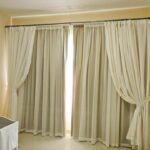
window treatments. Japanese interior window treatments are usually subtle and practical. For Singapore, this entails selecting solutions that manage the bright sun without completely obstructing light. A layer of diffusion can be created with lightweight, neutral-colored linen curtains. Adjustable light control and privacy can be provided by roller blinds or Venetian blinds constructed from natural materials like bamboo.
Layering these with sheer curtains to minimize direct solar gain while allowing ambient light may be advantageous given the heat. Furniture arrangement that is strategic. The arrangement of furniture should allow for unhindered ventilation. This entails staying away from big, heavy objects that obstruct doors or windows.
Instead, choose furniture with elevated legs so that air can flow beneath it. Creating open spaces between rooms promotes airflow. This idea, which favors fewer, strategically placed objects, is in perfect harmony with the minimalist approach. Japandi in Various Singaporean Home Types.
Japandi’s versatility makes it appropriate for a range of Singaporean residential environments, from roomy landed properties to small HDB apartments. BTOs and HDB apartments. Japandi’s focus on minimalism and effective storage is especially helpful for HDB apartments and BTO units, which are frequently small. making the most of space. The secret is to use built-in storage solutions and declutter.
Multipurpose furniture, like coffee tables with built-in drawers or ottomans with hidden storage, can improve functionality without sacrificing style. Strategic mirror placement and light colors can give the impression of more room. integration of the balcony. Rattan chairs and bamboo flooring are examples of natural materials that can be used to turn balconies in HDBs into living space extensions.
As a result, a peaceful outdoor haven that connects the indoors and outdoors is created, which is crucial for tropical living. When necessary, straightforward, practical outdoor blinds can shield this area from the weather. The condos. Singaporean condos frequently have contemporary designs and can profit from Japandi’s fusion of practical comfort and understated elegance. Living Open-Concept. Open-concept living is popular in condos.
Japandi enhances this by emphasizing the use of furniture arrangement and subtle material changes to create distinct zones within open spaces. For example, a light wood desk can distinguish a workspace, while a woven rug can define a living area. Integration with a smart home. Smart home technology is part of Japandi’s innate functionality. Convenience and energy efficiency are provided by motorized blinds and curtains.
Imagine using a remote control or pre-programmed schedules to automatically open curtains to welcome morning light or adjust blinds to block the afternoon sun. By eliminating the need for numerous controls and manual adjustments, this blend of contemporary technology and traditional design improves comfort and helps create a clutter-free environment. Landed residences. Singaporean landed properties can fully adopt the Japandi ethos due to their generally larger footprints & potential for more extensive indoor-outdoor integration.
Outdoor-Indoor Flow. The boundaries between indoor and outdoor areas should be blurred, according to Japandi principles. Large sliding doors, uniform flooring that extends from indoor to outdoor spaces, and the addition of indoor plants can all help achieve this. building havens.
With more room, landed homes can designate specific areas for rest and reflection, like a calm bedroom or a simple reading nook. Calm and wellbeing are promoted by the use of tactile materials, natural light, and a subdued color scheme. The idea of mindful consumption and well-curated spaces helps prevent the buildup of superfluous items, preserving the peaceful Japanese atmosphere even in larger homes. Singapore-specific practical considerations.
Beyond aesthetics, the practicalities of living in Singapore have a big impact on how Japanese interiors work. For homeowners, cost, upkeep, & durability are crucial considerations. resilience in humid conditions. Singapore’s high humidity can be problematic for some materials. It is crucial to select long-lasting, climate-appropriate solutions.
treatments for wood. Make sure any wood flooring or furniture you use has been properly treated with moisture-resistant finishes. Dark woods that are heavily varnished or unsealed are more susceptible to moisture damage than light woods with strong sealing. Alternative Resources. Consider using materials like treated bamboo, stone, or high-quality laminate with good water resistance in areas that are prone to high moisture, such as those close to open bathrooms or kitchens.
Also, tightly packed, treated rattan blinds are more resilient to humidity than looser weaves. upkeep and cleaning. Japandi design’s minimalism frequently results in simpler upkeep. Dusting is reduced when there are fewer ornamental items. Fabric maintenance. Regular vacuuming with an upholstery attachment is advised for linen upholstery and curtains.
Blotting spills quickly & cleaning them gently are essential. Deep stains on natural fibers may need to be professionally cleaned. upkeep of floors. Usually, light wood floors need to be vacuumed or swept, then mopped with a pH-neutral cleaner. Steer clear of watering wood finishes too much, as this can eventually cause damage.
Expense considerations. Depending on the level of customization and the quality of the materials used, the price of Japanese interiors can vary greatly. Spend money on quality. Japandi promotes spending money on durable, high-quality items. Furniture made of solid light woods or high-quality natural textiles may initially cost more, but over time, these pieces frequently prove to be more cost-effective and long-lasting than less expensive alternatives that require frequent replacement.
Utilize space wisely. By removing the need for separate pieces of furniture, the emphasis on multipurpose furniture and effective storage can result in cost savings for smaller homes. In a similar vein, careful window treatments can save energy by lowering the need for air conditioning.
The Development of Japan in 2026 and Later. Japandi’s development foreshadows a shift toward even more tactile warmth and emotional serenity. This entails maintaining the focus on natural light while adding softer textures and rounded shapes. Curves & cozy minimalism. As the trend develops, soft curves will be used more frequently in architectural details and furniture.
This balances the naturally straight lines that are frequently connected to minimalism and gives a softer feel. This warmth can be further increased by adding throws made of natural fibers or soft, textured rugs. Integration of Biophilic Design. Japandi’s already strong bond with nature will probably grow stronger. Creating tranquil havens is becoming more and more dependent on the use of indoor plants, natural light, & views of greenery.
This is a perfect fit with Singapore’s own initiatives to become a Garden City. longevity & sustainability. Sustainability is still a top priority, & eco-friendly and ethically sourced goods are preferred. This mindfulness includes selecting long-lasting items, cutting waste, and encouraging a more thoughtful approach to consumption.
This long-term outlook is one of the main advantages of the Japandi philosophy. In conclusion, Japandi interior design provides a sophisticated and incredibly useful method for building cozy, beautiful, and useful homes in Singapore’s tropical climate. Homeowners can create calm, spacious spaces that are ideal for the particular requirements of living in a warm and humid environment by adopting its principles of minimalism, functionality, and the thoughtful use of natural materials. This approach also aligns with new trends for warm minimalism and improved well-being.
.
FAQs
What is Japandi interior design?
Japandi interior design is a fusion of Japanese and Scandinavian design styles. It combines the minimalism and functionality of Scandinavian design with the simplicity, natural elements, and craftsmanship of Japanese design.
How does Japandi interior design work in tropical climates?
In tropical climates, Japandi interior design can be adapted by incorporating natural materials such as bamboo, rattan, and teak, as well as using light and airy color palettes to create a sense of openness and airiness.
What are some key elements of Japandi interior design for tropical climates?
Key elements of Japandi interior design for tropical climates include incorporating indoor plants, using light and natural materials, embracing simplicity and functionality, and creating a harmonious balance between the two design styles.
How can I incorporate Japandi interior design into my home in a tropical climate?
You can incorporate Japandi interior design into your home in a tropical climate by decluttering and embracing minimalism, using natural materials and textures, incorporating Japanese and Scandinavian furniture and decor, and creating a sense of balance and harmony in your space.
What are the benefits of Japandi interior design in a tropical climate?
The benefits of Japandi interior design in a tropical climate include creating a calming and serene environment, embracing natural elements and sustainability, promoting functionality and simplicity, and achieving a timeless and elegant aesthetic.