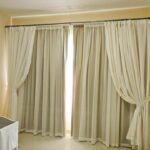
Singaporean Japanese homes should use neutral curtain colors. The Japandi style has become increasingly popular among homeowners in HDB apartments, condos, BTOs, and landed properties in Singapore’s changing interior design scene. Simplicity, natural materials, and a calm environment are given top priority in this design philosophy, which is a tasteful fusion of Scandinavian functionality and Japanese minimalism. In order to achieve & preserve this unique style, color selection is crucial for window treatments, especially curtains. Given Singapore’s tropical climate, where light management, heat control, and privacy are vital, warm neutral tones are not just a preference but a fundamental component in creating the serene, welcoming, & sophisticated atmosphere typical of Japanese homes. The Japanese Neutral’s Essence.
Understated elegance & a connection to nature are central to the Japandi aesthetic. This philosophy has a direct impact on the choice of curtain colors, shifting away from striking designs and toward a color scheme that enhances rather than overpowers the living area. The ideal neutral curtain color can effectively diffuse harsh light, reduce heat gain, and maintain the desired peaceful ambience in Singapore, where natural light can be abundant and the sun can be intense.
When designing a Japandi home, selecting the right neutral curtain colors is essential to enhance the serene and minimalist aesthetic characteristic of this style. To complement your interior while ensuring functionality, you might find it helpful to explore options like motorised curtains, which offer both convenience and elegance. For more insights on how motorised curtains can elevate your living space, check out this related article on daily convenience: Motorised Curtains for Daily Convenience.
Comprehending the 2026 Warm Neutral Palette. In contrast to the stark whites & cool greys typically associated with more traditional modern minimalist designs, the anticipated Japandi palette for 2026 places a strong emphasis on warm neutrals. This change acknowledges the psychological comfort these tones offer and reflects a desire for more coziness and warmth in minimalist settings. Warm taupe, soft whites, ivory, stone beige, cream, light beige, oatmeal, pearled ivory, and greige—a sophisticated combination of grey and beige—are important colors in this spectrum.
These colors were chosen because they can create a seamless background, evoke a sense of tranquility, and let other natural elements in the house—like wood furniture & greenery—stand out without being overpowered. Keep Cool Greys & Stark Whites at bay. Contrary to the “cozy minimalist” aspect of Japandi, stark whites and cool greys can occasionally introduce an excessively sterile or austere feel, despite the fact that white and grey are traditionally minimalist colors.
For example, the warm undertones of oatmeal, cream, and greige naturally soften the light and create a more welcoming atmosphere. This is especially helpful when balancing the potentially harsh glare of the Singaporean sun through a large HDB or condo window. This subtlety in color choice is essential for homeowners who want to genuinely embody the Japanese culture. Japanese curtains’ materiality and texture. In a Japanese home, curtain material & texture are just as important as color. Light filtration, thermal insulation, durability, and the overall tactile experience are all directly impacted by the fabric selection, and these factors are crucial in Singapore’s tropical climate.
When designing a Japandi home, choosing the right neutral curtain colours can greatly enhance the serene and minimalist aesthetic that this style embodies. For those looking to explore the differences between curtains and blinds, a related article provides valuable insights on how to select the best window treatments for modern Singapore homes. You can read more about this topic by visiting this informative guide, which offers tips that complement the calming palette of Japandi interiors.
| Colour | Hex Code | Light Transmission | Material Recommendation | Japandi Style Suitability | Notes |
|---|---|---|---|---|---|
| Soft Beige | #D6C9B4 | Medium | Linen | High | Warm and inviting, complements natural wood tones |
| Muted Taupe | #8B7E74 | Low to Medium | Cotton Blend | High | Neutral and grounding, adds subtle depth |
| Warm Gray | #A8A29E | Medium | Silk Blend | High | Soft and elegant, pairs well with minimalist decor |
| Off-White | #F5F5F0 | High | Sheer Cotton | High | Brightens space, enhances natural light |
| Stone Gray | #7D7A75 | Low | Heavy Linen | Medium | Provides contrast, good for larger windows |
Natural textiles include cotton, silk, ramie bamboo, & linen. The use of natural materials is fundamental to Japanese design. For curtains, this means materials like cotton, silk, linen, and ramie bamboo. Linen: A classic Japandi fabric, linen is highly valued for its inherent texture, resilience, and exquisite drape. Its slightly wrinkled look complements the raw aesthetic by adding an organic, lived-in feel.
The breathability of linen is advantageous in Singapore because it permits air circulation while maintaining some privacy and light diffusion. Its organic, understated elegance is a perfect fit for the Japanese culture. Cotton: A more affordable and adaptable material than linen, cotton has a softer drape while maintaining a similar minimalist appearance.
In particular, organic cotton is in line with Japan’s eco-conscious values. It is a sensible option for HDB and BTO homes because it is long-lasting and simple to maintain. Silk: Silk can be used to add a hint of sophisticated luxury without compromising the minimalist style. Raw silk feels more natural than highly polished silk because of its textured slubs. It can add a subtle sheen and provide good light filtering, giving the neutral color scheme more depth.
However, homeowners may weigh Singapore’s humidity against the need for more cautious maintenance for silk. Bamboo & ramie are two lesser-known natural fibers with distinctive textures and outstanding sustainability credentials. Ramie resembles linen in that it is robust and somewhat glossy.
Bamboo offers an earthy, renewable alternative & is frequently woven into lighter fabrics or used in blinds (which can be paired with curtains). Textural interest & basic designs. Japandi curtains usually have straightforward patterns rather than ornate embellishments or patterns. Rather, the fabric’s inherent beauty is highlighted.
On the other hand, subtle textures are greatly appreciated. The intrinsic texture of plain weave linen or loosely woven cotton in an oatmeal or greige hue can add visual interest. Simple stripes, subtle geometrics, or abstract designs in muted, tone-on-tone colors can enhance the aesthetic without overpowering it for those looking for a very subtle pattern. Maintaining a sense of peace & visual quiet is always the guiding principle.
Suggested Curtain Designs for Japanese Houses. In order to create a unified Japandi interior, the type of curtain selected is just as crucial as its color and material. The goal is to satisfy functional needs like heat and light management while producing a sleek, uncluttered appearance. Linen curtains that are light and sheer to filter light. For Japanese spaces, sheer or light linen curtains in ivory, soft white, or natural linen tones are essential, particularly in Singapore where maximizing natural light while minimizing direct sunlight is crucial.
Without substantially obstructing views or totally blocking light, these curtains diffuse harsh sunlight, giving the space a gentle, ethereal glow. For balconies & living rooms in HDBs and condos, this enables a brighter interior without the annoyance of glare or extreme heat. During the day, they provide a minimal degree of privacy. Roman shades or thin blackout rollers for layering.
Layering is a popular and successful Japandi solution to the need for increased privacy and total darkness, especially in bedrooms for a peaceful sleep. Behind sheer or light linen curtains, thin blackout roller blinds or Roman shades can be installed. This method provides flexibility: the blackout layer can be used at night or when the highest level of privacy is needed, and the sheer curtains can be drawn during the day for diffused light. Roman linen shades provide light control and preserve the minimalist style with their soft yet structured folds.
Bamboo/woven shades or Shoji screens. Shoji screens can be used for a more noticeable Japanese touch. They provide excellent light diffusion and a strong visual connection to the Japanese design lineage, even though they are not strictly curtains. Another option is to use linen draperies with bamboo or woven shades. These natural, textured blinds offer adjustable light control and add another organic element.
They add a layer of texture and privacy when lowered, which is especially helpful for ground-floor HDB units or landed homes. When raised, they recede, making the linen curtains stand out. Climate Considerations for Homes in Singapore. The tropical climate of Singapore poses unique opportunities & challenges for Japanese home curtain selection. The need for efficient ventilation, the strong sun, and the high humidity must all be taken into account when selecting materials & planning operations.
Heat & Sun Control. In Singapore, curtains’ primary purpose frequently goes beyond aesthetics to include vital heat and sun management. Japanese neutral curtains, particularly those composed of natural fibers, can have a big impact. Interiors stay cooler because lighter colors reflect more sunlight. Even though they let light through, materials like linen can act as a barrier to stop direct heat transfer. A layered strategy with blackout or thermally insulated linings (even if in a neutral tone on the visible side) can be very effective in lowering interior temperatures and reducing reliance on air conditioning for windows facing direct afternoon sun, especially in HDBs & condos with large glass panels.
Humidity and upkeep. Singapore’s high humidity necessitates fabrics that are either easily cleaned & dried or resistant to mold and mildew. Since natural fibers like cotton & linen typically breathe well, moisture buildup may be lessened.
However, to avoid any humidity-related problems, routine maintenance is necessary, such as routine vacuuming or washing in accordance with fabric care guidelines. Moisture damage must be prevented with special attention for materials such as silk. In a humid setting, the fabric’s durability becomes crucial in order to guarantee that the curtains maintain their integrity and appearance over time. ventilation and air flow.
In Singapore, this frequently entails optimizing natural ventilation, as Japanese design places a strong emphasis on a connection to the natural world. Sheer curtains are appropriate for areas where windows are frequently opened because they permit airflow even when they are drawn. Interior curtains can provide aesthetic continuity & an extra degree of control over light and privacy in rooms with zip blinds or outdoor blinds on balconies.
Maintaining adequate airflow throughout the house requires the ability to draw curtains back completely or to open & close them with ease. Useful Applications by Type of Room. The right Japandi neutral option depends on the particular requirements for curtains in each room of a Singaporean home. Living Rooms (Landed, HDB, and Condos). Light sheer or semi-sheer linen curtains in light beige, ivory, or soft white are perfect for living rooms, which are frequently the social center and gain the most from natural light.
They enhance the feeling of space and produce a gentle, inviting glow by diffusing the bright tropical sun. An underlying roller blind in a neutral tone can be used for evenings if you want more privacy. The flowing drapery of neutral linen curtains can ease the transition to the outdoor area in condos or landed homes with large windows or balcony access. HDB, BTO, condo bedrooms.
Privacy & light control are critical for a good night’s sleep in bedrooms. It is strongly advised to use a layering approach. A blackout lining or a blackout roller blind placed behind can guarantee total darkness when needed, while soft white, greige, or warm taupe linen curtains can offer daytime softening and visual appeal.
This combination provides both practical functionality and aesthetic appeal, which is important in Singapore’s highly urban setting where nearby buildings or streetlights may interfere. Dining Spaces (Landed, Condo, HDB). Diffused light that is not too harsh is beneficial for dining areas. An inviting ambiance can be produced with lightly textured linen or cotton curtains in shades of cream, oatmeal, or a delicate shade of grey.
Since complete blackout capabilities are typically not needed in these areas, the emphasis is still on light diffusion and artistic integration with the overall Japandi theme. Home office and study (HDB, condo, BTO). Visual comfort is essential for study or home office spaces. Warm taupe or stone beige curtains can lessen screen glare while preserving a peaceful, concentrated atmosphere.
Here, the decision frequently strikes a balance between the need to keep focus and avoid reflections & light entry. In smaller HDB study spaces, the organic textures of linen or even bamboo blinds can lessen harsh acoustic reverberations. Outdoor areas & balconies (landed, condominium). Although the topic of this article is interior curtains, it’s important to consider how they work with outdoor solutions.
Japandi neutral indoor curtains look great with outdoor blinds or zip blinds in condos and landed homes with balconies. A unified flow is produced and the tranquil Japandi style is extended to the transitional areas if the outdoor blinds are likewise in neutral hues. This makes it possible to manage heat, sunlight, and privacy across the indoor-outdoor boundary in a flexible manner.
Singaporean price ranges. The price of curtains in Singapore can vary greatly depending on a number of factors, including material, design complexity, brand (which affects pricing but isn’t specifically mentioned here), and installation. Natural materials are the main focus for Japanese neutral curtains. Entry-Level: Blends of cotton and simple polyester, simple installation. Standard HDB/BTO window prices range from SGD $150 to $400.
Standard window condos cost between SGD $250 and $600 each. Mid-Range: linen, premium cotton, and simple motorized choices. SGD $300 to $800 per window for HDB/BTO. SGD $500 to $1200 per window for condos and landed homes with larger windows. High-End (Premium linen, raw silk, custom-dyed, integrated motorized systems):.
Large or multiple windows in a condo or landed unit: SGD $800 to $2500+ per window. Although they are more convenient, motorized blinds & curtains also add to the higher end of this spectrum by providing features for smart home integration. These are only approximations; precise measurements and fabric selections will determine actual costs.
Upkeep Advice for Japanese Neutral Curtains. It is crucial to preserve the longevity and immaculate appearance of Japandi neutral curtains, particularly in Singapore’s climate. Frequent cleaning. Light cleaning on a regular basis is essential. Dust and other airborne particles can be removed from curtains by vacuuming them once a week or every two weeks using a brush attachment.
This keeps the particles from deeply penetrating the fabric. In urban areas where dust can build up quickly, this is especially crucial for HDBs & condos. On-site cleaning. It is advised to use a damp cloth and mild detergent to clean small spills or marks right away (patch test first).
Steer clear of harsh chemicals that can harm or discolor natural fibers. Expert housekeeping. For a deeper clean, professional dry cleaning or laundry services may be needed, usually once every one to two years, depending on the fabric. Always adhere to the care guidelines that come with the curtains from the manufacturer.
It is frequently possible to wash linen gently on a cold cycle using a mild detergent, then line dry it to preserve its original texture. Controlling humidity. Mildew can be avoided by making sure rooms have adequate ventilation. To promote air circulation, open windows and pull back curtains on a regular basis. Keep damp objects away from curtains.
Durability & longevity. Japandi neutral curtains, especially those composed of natural materials, can last anywhere from five to fifteen or more years, depending mostly on the fabric’s quality, exposure to direct sunlight, and upkeep habits. After five to seven years, lower-end cottons may begin to fade and show signs of wear, especially if they are exposed to a lot of sunlight. Strong cottons & high-quality linen will hold their color & structure for 8 to 12 years with proper care.
High-end natural fibers (e. The g. pure raw silk, premium linen): If properly cared for and shielded from extended exposure to the sun, which can deteriorate fibers and cause fading, it can last ten to fifteen years or longer. UV radiation plays a major role in curtain deterioration in Singapore’s climate. Interior curtains can be protected from intense direct sunlight by using linings, even sheer ones, or by combining them with external solutions like outdoor blinds.
Because they require less manual handling, motorized curtains can last longer by reducing wear and tear. In summary, choosing neutral curtain colors for a Japanese house in Singapore requires careful consideration of both practical climate concerns & aesthetic preferences. Homeowners can create a calm, useful, and long-lasting Japandi sanctuary by embracing warm, neutral color schemes, giving priority to natural materials, and implementing suitable styles and maintenance practices.
.
FAQs
What are Japandi homes?
Japandi homes combine Japanese and Scandinavian design principles, focusing on simplicity, minimalism, and functionality. This style emphasizes natural materials, clean lines, and a calming, neutral color palette.
Why are neutral curtain colors recommended for Japandi interiors?
Neutral curtain colors complement the Japandi aesthetic by maintaining a calm and harmonious atmosphere. They blend seamlessly with natural materials and muted tones, enhancing the minimalist and serene environment typical of Japandi design.
Which neutral curtain colors work best in Japandi homes?
Popular neutral curtain colors for Japandi homes include shades of beige, soft gray, off-white, taupe, and muted earth tones. These colors help create a warm, inviting space without overpowering the room’s natural elements.
What materials are commonly used for curtains in Japandi style?
Curtains in Japandi homes are often made from natural fabrics such as linen, cotton, or hemp. These materials add texture and warmth while aligning with the eco-friendly and organic ethos of the style.
How can neutral curtains enhance the overall Japandi decor?
Neutral curtains enhance Japandi decor by providing subtle visual interest and softness without detracting from the room’s simplicity. They allow natural light to filter gently, contributing to a peaceful and balanced living space.