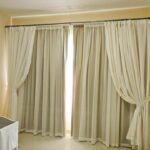
Managing window treatments in a small Singaporean home offers a special set of opportunities and challenges, especially when adopting the tranquil Japandi style. The principles of Japandi, which combine Scandinavian functionality and Japanese minimalism in a harmonious way, are ideal for designing peaceful, clutter-free environments. The selection of window treatments is crucial in determining how space is perceived in Singapore, where apartments—whether HDBs, condos, BTOs, or even small landed properties—are frequently at a premium. Every choice you make in this area is a calculated step toward your home’s overall design, where less is definitely more.
Intentionality, simplicity, & a profound respect for natural materials are at the core of the Japandi style, which goes beyond simple aesthetics. This translates to window treatments in small apartments, which means eschewing ostentation and fuss in favor of simple lines and functionality that improves the quality of life. Think of your window as a canvas, a doorway to the world outside that you want to curate carefully. A large, ornate curtain can overpower a small space & detract from the canvas itself. Japandi supports treatments that highlight the light and the view rather than overpowering them. This approach is guided by the following fundamental principles.
When considering Japandi window treatments for small apartments, it’s essential to also think about how to effectively manage heat and light. A related article that provides valuable insights on this topic is available at How to Block Heat from West-Facing Windows. This resource offers practical tips on selecting the right materials and styles that not only enhance the aesthetic appeal of your space but also improve energy efficiency, making it a perfect complement to your Japandi-inspired decor.
Functionality & simplicity. The core goal of Japandi is to get rid of unnecessary things. This entails choosing window treatment designs that accomplish a specific goal without adding visual clutter. Consider it a form of window cleaning.
Every hanging system, material selection, and pleat should add to the overall feeling of ease and order. In a small apartment, this emphasis on functionality extends to useful aspects like privacy and light control, where astute design can have a big impact. The idea is to make the room feel airy so that natural light can become an essential component of the design. natural textures & materials. Nature is a major influence on the Japandi palette. Naturally, window treatments also reflect this preference.
Wood, bamboo, linen, and cotton are preferred materials because of their soft textures, organic feel, and capacity to evoke feelings of coziness and warmth. In smaller spaces, it is especially important that these materials have a lower visual weight. For example, a thick velvet curtain can absorb light and create the illusion of a smaller space. On the other hand, sheer linen may add a light, dreamy feel.
When it comes to enhancing the aesthetic of small apartments, Japandi window treatments offer a perfect blend of functionality and style. These designs not only maximize natural light but also create a serene atmosphere that complements minimalist decor. For those looking to explore more about how to effectively use window treatments in compact living spaces, you can check out this insightful article on [window treatments for small apartments](https://curtainshop.sg/join-us-2/). Embracing the Japandi style can truly transform your space into a cozy retreat.
| Metric | Value | Notes |
|---|---|---|
| Light Control | Medium to High | Japandi window treatments often use natural materials that filter light softly |
| Material | Bamboo, Linen, Cotton | Natural, sustainable materials preferred for Japandi style |
| Space Efficiency | High | Minimalist designs that do not take up much room, ideal for small apartments |
| Privacy Level | Moderate | Allows light while maintaining privacy, suitable for urban living |
| Color Palette | Neutral tones (beige, soft gray, white) | Matches Japandi aesthetic of calm and simplicity |
| Installation Type | Wall-mounted or ceiling-mounted | Maximizes space and maintains clean lines |
| Maintenance | Low to Moderate | Natural fibers may require gentle cleaning |
| Cost Range | Moderate | Affordable options available, balancing quality and simplicity |
Without requiring visual attention, these materials’ tactile qualities also add a layer of sensory depth. palettes of neutral colors. Typically, Japandi interior design uses muted color schemes that draw inspiration from the natural world.
Consider the subdued colors of a Zen garden or the subdued hues of Scandinavian landscapes. Earthy beiges, soft greys, creams, whites, & ivories are typical. In addition to being soothing, these muted colors work incredibly well in tiny spaces. Because of their ability to reflect light, areas appear lighter and more spacious. Also, they offer a flexible background that lets other aspects of your décor take center stage while preserving the intended look of subtle elegance.
Your greatest asset in a tiny apartment is light. A small space can be transformed into a welcoming and roomy sanctuary by the invisible architect. Because of their exceptional ability to capture natural light, Japanesedi window treatments actively contribute to the design of your house. In order to create a soft, diffused illumination that heightens the feeling of openness, it is important to use treatments that let light in rather than completely block it.
Sheer curtains made of cotton and linen are the foundation of light diffusion. For small apartments, sheer curtains made of natural fibers like cotton or linen are arguably the classic Japanese window treatment. They serve as both conduits for sunlight and protectors of your privacy.
Light Filtering and Privacy: The delicate translucency of these textiles allows for privacy. In the daytime, they provide a comfortable degree of privacy by blocking out direct views from the outside, but they also let in a good deal of natural light. The room feels more open and inviting thanks to the soft diffusion that avoids harsh shadows and produces a soft, ambient glow.
They bring the essence of nature indoors without overpowering your senses, like a delicate veil softening the edges of the visual world outside. Airiness & Movement: These curtains hang naturally fluidly because linen and cotton are lightweight materials. Even the smallest breeze causes them to sway gently, giving the space a subtle sense of movement.
This visual movement improves the room’s perception of space by encouraging airiness and dispersing any static elements. For your windows, they are like a soft breath of fresh air. Maximizing Light in Compact Spaces: Using sheer curtains is a smart move in spaces with few windows or that receive less direct sunlight.
They let you make the most of the natural light that is available, which is essential for making tiny apartments feel cozier & larger. Your living spaces stay bright & cheery because there are no heavy draperies to absorb light. Clean-Drape Lightweight Panels. Just as crucial as the fabric is how a curtain hangs.
Clean, simple lines are the focus of the Japandi style for tiny apartments. Visual Clutter Elimination: Heavy tie-backs, intricate pleating, and valances are avoided. Rather, simple, clean-lined panels are the main focus. These frame the window without drawing too much attention to themselves because they hang naturally. A fundamental component of the minimalist approach, this simplicity keeps the window area from becoming the center of visual noise.
Increasing Space: Clean, lightweight panels that hang neatly appear to “take up” less room. The eye can freely move because of their sleek silhouette against the window. This helps create the appearance of more width & height, which is important when working with a small amount of space.
Warm whites, creams, and ivorys are examples of the power of neutral hues. A small apartment’s ambiance can be greatly influenced by the color of your window treatments. The warm, natural tones that Japandi prefers are especially useful for establishing a feeling of calm & space. Light Reflection Amplified: Warm white, cream, or ivory hues are particularly good at reflecting natural light. These warmer tones give the light a reassuring glow in contrast to frigid, stark whites that can occasionally feel dry. The room’s brightness & airiness are further enhanced when this amplified light reflects off neutral walls.
Preventing Excessive Drapery: These light hues have a lower visual weight by nature. The window treatments don’t seem like heavy additions to the space because they help create an airy & uncluttered look. In small spaces, where every visual component must be carefully considered, this is crucial. A hint of organic simplicity in bamboo blinds. Bamboo blinds provide a distinctive and appropriate option for small apartments with a Japanese design for those looking for a complementary or alternative to fabric curtains.
Practical Simplicity: Bamboo blinds are a perfect example of the Japanese dedication to practical simplicity. Because of their inherent naturalness, they give the room an organic feel. They have a simple, utility-focused design. Light Filtering, Not Blocking: One of the main features of bamboo blinds is that they can filter light instead of completely blocking it.
Sunlight filters through the bamboo weave’s natural variations, creating delicate patterns of light and shadow that add visual interest without compromising brightness. The desire of the Japanese for a diffused, natural light experience is perfectly satisfied by this. An Alternative to Fabric: They can be used alone or in layers, & they provide a textural contrast to fabric curtains.
Sometimes they can visually enlarge a small window with their horizontal lines. Simple design is essential, but in a small apartment, layering your window treatments strategically can greatly improve their functionality, especially when it comes to striking a balance between privacy and light control requirements. With this method, you can adjust to changing weather and time of day without sacrificing the Japandi aesthetic. A useful harmony is the combination of sheer and roller. Pairing sheer curtains with thin roller blinds—especially ones with light control or blackout features—is one of the best layering strategies for small apartments in the Japanesedi style.
Prioritizing Light Maximization: As previously mentioned, the sheer curtain is the main component that lets natural light into the room. When total darkness is not required, the roller blind can be fully retracted, letting the sheer fabric do its magic. Introducing Privacy and Light Control: The roller blind can be partially or completely lowered when more privacy is needed or during periods of the day when the sun’s glare is too strong.
It is essential to choose a thin roller blind in order to preserve the illusion of lightness and prevent bulkiness. You can precisely control the amount of light and visibility with this combination, which provides a flexible solution. Preserving the Aesthetic: “thin” is crucial in this situation. The clean lines & airy feel of the sheer curtains are preserved when a sleek, inconspicuous roller blind is raised.
In accordance with the Japandi principles, this multi-layered approach guarantees that you have the best of both worlds: an abundance of natural light for a large portion of the day & the flexibility to improve privacy or lessen glare as necessary. Japandi window treatments can be carefully applied to various rooms in a small apartment, customizing the style to fit the unique purpose and atmosphere of each area. Living Spaces: Establishing an Open and Friendly Environment.
The goal in designing the living room is to make it feel as airy and light-filled as possible. Sheer Linen for Large Windows: Sheer linen or cotton curtains in warm white or cream are perfect for apartments with larger living area windows. They will help create an open, spacious feeling, soften the light, & offer some seclusion from onlookers.
Bamboo Blinds for Control or Accent: For a more defined light control & added textural element, bamboo blinds can be layered behind sheer curtains or used for smaller windows. When applied as the only treatment on a window with an exceptionally lovely frame, they can also provide a distinctive look. Avoid long, bulky drapes that can overpower the room’s aesthetics. If space is at a premium, choose floor-length panels that form a crisp vertical line, or for a more minimalist appearance, think about treatments that finish just below the windowsill. Bedrooms: Finding a Balance Between Comfort and Use.
A different balance is required in the bedroom, where the need for privacy and morning light meets the need for peaceful darkness. Layering for the Best Sleep: Here, a thin blackout roller blind works especially well with sheer curtains. The sheers preserve a spacious, serene ambiance during the day.
You can lower the roller blind to block out light at night or for a deep sleep. Soft, Natural Colors: Proceed with ivories, creams, or warm whites. These colors help people relax because they are soothing to the eyes and foster a sense of calm. Treatments for Windows on Balcony Doors: If your bedroom faces a balcony, think about applying the same multi-layered style to the doors. A functional roller or even a lightweight zip blind (if the balcony is enclosed) can provide more robust privacy and light control, while sheer curtains will preserve the connection to the outside.
Dining rooms and kitchens: where functionality and style collide. Functionality frequently takes precedence in the dining & kitchen areas, but the Japandi aesthetic can still be tastefully incorporated. Fabrics That Are Easy to Clean: Although natural fibers are ideal, take into account cleaner treatments because these areas may receive a lot of steam & grease. A sensible middle ground could be a performance fabric in a natural color or even a blend of tightly woven linen. Shorter Lengths or Blinds: Use lightweight venetian blinds, bamboo blinds, or shorter draperies in places where overhead cabinets restrict the length of curtains or where window splashes are an issue.
Venetian blinds maintain horizontal lines while providing superior light and privacy control thanks to their adjustable slats. Preserving Light Flow: Despite pragmatic concerns, give priority to treatments that let in plenty of light. Cooking and dining in a bright kitchen feels more roomy and comfortable. Even when choosing window treatments, Singapore’s tropical climate poses unique considerations that need to be taken into account.
A careful consideration of material and design selections is required due to the interaction of heat, humidity, and sunlight. Controlling Sun Exposure and Heat. All year long, Singapore is hot & exposed to high levels of solar radiation. One important way to lessen these effects in your house is with window treatments. Light-Coloured Fabrics: As was already mentioned, light colors help keep interior spaces cooler because they reflect more sunlight than dark colors. In order to fight the tropical heat, this is a basic idea.
Breathable Materials: You want to reduce heat, but you also don’t want to create a humid, stagnant atmosphere. Because natural fibers like cotton & linen are breathable, air can move freely, which is essential in humid climates. Layering for Insulation: Using sheers & a working roller blind in a layered fashion can provide some insulation.
Heat transfer may be lessened by the air space between the sheer and the roller blind and between the sheer and the window. The durability of materials and humidity. Over time, Singapore’s high humidity levels can damage some materials and cause possible problems like mold or mildew. Natural Fibres & Ventilation: Although natural fibres are aesthetically pleasing in Japan, it’s crucial to make sure there is enough ventilation to avoid moisture accumulation.
It is crucial to regularly air out rooms and, if at all possible, open windows to let fresh air in. Choosing and Maintaining Materials: While some synthetic materials may be more resistant to humidity, they may take away from the natural look. If you choose natural fibers, make sure they receive the right care.
The lifespan of heavier curtains can also be increased by rotating them so they are less exposed to direct moisture (if used in less humid areas). Examining Zip Blinds and Outdoor Uses: Zip blinds can provide efficient security for enclosed balconies. Even in enclosed areas, though, make sure there is adequate ventilation because materials can still be impacted by extended exposure to high humidity. Higher moisture and UV resistance materials are essential for applications that are truly outdoor in Singapore’s climate.
For any homeowner, especially in a busy city like Singapore, window treatments’ longevity & ease of maintenance are crucial factors. With its focus on long-lasting quality and simplicity, Japandi fits in nicely with this pragmatic issue. Expectations for the lifespan. Window treatments’ lifespans can differ greatly depending on the material, construction quality, and environmental conditions. Natural Fibres (Cott, Linen): When properly cared for, fine linen and cotton curtains can endure for a decade or longer. Regular use won’t harm them because of their inherent strength.
However, fading may result from extended exposure to Singapore’s intense sunlight. Bamboo Blinds: In general, bamboo blinds are very resilient. Depending on the bamboo’s quality and the roller mechanism, they can last anywhere from five to ten years. If they are not properly maintained, they can warp in extremely high humidity. Roller Blinds: Although a roller blind’s fabric can last five to fifteen years, the mechanism itself may need to be maintained or replaced sooner—possibly as soon as five to ten years, especially if it is used frequently. Tips for Singaporean Home Maintenance.
In Singapore’s climate, maintaining your Japandi window treatments calls for a gentle approach that maintains both their functionality and appearance. Frequent Dusting and Vacuuming: The first line of defense for the majority of fabrics and blinds is routine dusting with a soft cloth or a vacuum cleaner with a brush attachment (on a low setting). This keeps allergens and dust from building up. Washing Sheer Curtains: You can usually use cold water & a mild detergent to machine wash linen and cotton sheers on a gentle cycle.
To protect the fabric, it is advised to use a mesh laundry bag. Always let them air dry; tumble drying can damage and shrink them. They will keep their shape better & require less ironing if you hang them slightly damp. Cleaning Bamboo Blinds: A slightly moist cloth should be used to wipe down bamboo blinds. Keep them from getting too wet, as this may cause warping or mildew.
To remove stubborn dust, use a dry brush. Spot Cleaning: This technique is frequently the most successful for small stains. Gently blot with a clean cloth and a mild soap solution. First, test any cleaning solution on a discrete area. Ventilation as a Maintenance Tool: Maintaining adequate air circulation around your window treatments is essential in Singapore’s humid climate.
Regularly ventilating spaces reduces the accumulation of moisture and inhibits the growth of mold. You can create a peaceful and roomy haven in your tiny Singaporean apartment by following these guidelines: light, natural materials, and strategic simplicity. This will perfectly capture the calm and practical essence of Japanese design. Your home’s overall harmony is influenced by every decision you make, from the fabric’s weave to how it hangs.
.
FAQs
What are Japandi window treatments?
Japandi window treatments combine Japanese minimalism and Scandinavian functionality, focusing on simple, natural materials and clean lines to create a calm and airy atmosphere.
Why are Japandi window treatments suitable for small apartments?
Japandi window treatments are ideal for small apartments because they emphasize simplicity and light control, helping to maximize natural light and create a sense of spaciousness without clutter.
What types of materials are commonly used in Japandi window treatments?
Common materials include natural fibers like linen, cotton, bamboo, and wood, which contribute to the organic and minimalist aesthetic typical of Japandi design.
How do Japandi window treatments help with privacy in small apartments?
Japandi window treatments often use lightweight fabrics or adjustable wooden blinds that allow for privacy while still letting in diffused natural light, balancing openness and seclusion.
Can Japandi window treatments be customized for different window sizes in small apartments?
Yes, Japandi window treatments can be tailored to fit various window sizes and shapes, ensuring a perfect fit that complements the apartment’s design and maximizes functionality.