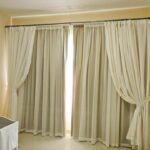
Beyond furniture and décor, the fusion of Scandinavian functionality and Japanese minimalism, or “Japandi,” has had a big impact on Singaporean interior design choices. From HDB apartments to landed homes, this style offers a novel take on window treatments for Singaporean homes. It is distinguished by its use of natural materials, subdued color schemes, and an emphasis on peaceful, practical living.
With Japandi window solutions, homeowners in Singapore’s tropical climate can create homes that are calm, practical, and weatherproof—not just aesthetically pleasing. In order to address the particular requirements of Singaporean living, such as heat reduction, sun protection, privacy, humidity management, maintenance, cost considerations, durability, and the integration of smart home technology, this article explores the application of Japandi principles to curtains and blinds. Deliberate simplicity and careful incorporation of nature are what define Japandi. This translates into a focus on texture, natural fibers, & a limited color scheme for window treatments.
For homeowners in Singapore looking to enhance their interiors with a blend of Japanese minimalism and Scandinavian functionality, Japandi curtains and blinds are an excellent choice. These designs not only provide aesthetic appeal but also promote a sense of tranquility and simplicity in living spaces. To explore more about the latest trends and options available for Japandi-style window treatments, you can check out this informative article on the subject. For further details, visit this link.
When feasible, the boundaries between indoor & outdoor areas should be blurred in order to create a sense of peace & order, which is especially appealing in a city like Singapore. The fundamental components of Japandi window treatments. Japandi window design is fundamentally functional without compromising on subtle elegance. This entails choosing materials that work well in Singapore’s harsh tropical climate in addition to being aesthetically pleasing.
Material Selections. Natural fibers are essential to Japanese design. This means choosing fabrics like linen, cotton blends, & even bamboo for curtains.
These materials complement the Japandi aesthetic with their soft texture, breathable quality, & gentle drape. The fabric’s weave is important; a tighter weave can provide better privacy and light filtering, while a looser weave lets more air and light through, giving the impression of space. Bamboo, woven wood, & natural wood—often in lighter or matte black finishes—are the best materials for blinds. These give the room a grounded, organic touch.
When considering the perfect window treatments for your Singapore home, Japandi curtains and blinds can beautifully blend functionality with aesthetic appeal. These designs not only enhance the overall decor but also offer practical benefits such as light control and privacy. For those looking to improve energy efficiency, it’s essential to explore options that help block heat, especially from west-facing windows. You can find valuable tips in this informative article on how to block heat from west-facing windows, which complements the serene and minimalist vibe that Japandi style embodies.
| Metric | Value | Notes |
|---|---|---|
| Average Curtain Length | 2.4 meters | Standard for Singapore apartment windows |
| Popular Fabric Types | Linen, Cotton, Bamboo | Natural materials favored in Japandi style |
| Common Color Palette | Neutral tones (beige, grey, off-white) | Reflects Japandi minimalism and warmth |
| Blinds Type Preference | Wooden Venetian, Roller Blinds | Combines functionality with natural aesthetics |
| Average Installation Time | 2-3 hours | Includes measurement and fitting |
| Light Control Level | Medium to High | To balance natural light and privacy in tropical climate |
| Maintenance Frequency | Monthly dusting, quarterly deep cleaning | Recommended for longevity and appearance |
| Price Range | Moderate to Premium | Depends on fabric and customization |
The selection of synthetic materials is based on their ability to accurately replicate natural textures, frequently incorporating subtle irregularities or patterns that provide depth. Colour Palette. Inspired by the muted tones of nature, the Japandi color scheme is purposefully restrained. Imagine the delicate colors of serene stone formations, sandy beaches, & misty forests. The following are typical colors.
For homeowners in Singapore looking to enhance their interiors with a blend of Japanese minimalism and Scandinavian functionality, Japandi curtains and blinds are an excellent choice. These window treatments not only provide privacy and light control but also contribute to a serene and stylish atmosphere. To explore more about how to incorporate these elegant designs into your home, you can check out this informative article on the topic. For further insights into the latest trends and options available, visit this link.
Oats, stone grey, soft beige, taupe, & off-white are examples of neutrals. Terracotta, sand, and subdued browns are earth tones. Greens that are inspired by nature include olive, sage, and moss.
These hues are frequently employed in monochromatic or similar schemes to produce a calming and harmonious atmosphere. Also, they are very good at reflecting sunlight, which can be a big help in Singapore’s heat-related problems. Both form and function.
Clean lines and simple shapes are embraced in Japanese design. This frequently entails choosing the elegant, flowing S-fold (wave) headings for curtains. This modern pleating technique offers a sophisticated and contemporary appearance that is in perfect harmony with Japandi principles. It produces consistent, tidy waves that hang beautifully from the track.
This gets rid of the traditional pleated curtains’ visual busyness. The focus for blinds is on smooth operation and basic, geometric shapes. Although its form is secondary, it is just as important to consider how the blind controls light and privacy. Combining Japanese and Singaporean culture. Particular opportunities & challenges for window treatments arise from Singapore’s distinct climate and living conditions. Important factors that Japandi-inspired solutions can successfully address include the high humidity, the strong tropical sun, & the requirement for strong privacy.
Fighting the Sun and Tropical Heat. Singapore’s equatorial location results in strong solar radiation and consistently high temperatures. When chosen carefully, japandi window treatments can significantly reduce these impacts. Light-Colored Fabrics: Choosing lighter, more neutral hues for curtains and blinds is a key tactic. Inherently, these colors reflect more sunlight than darker ones, which lowers the amount of heat that enters the window. Material Breathability: Japandi’s cotton and linen, which are natural fibers, are breathable.
Even though they might not provide total blackout, their breathability helps to circulate air and avoid a stuffy environment. Layering for Performance: Using a more opaque roller blind in addition to sheer curtains can provide a flexible solution. When greater heat & light control is needed, a light-filtering or blackout blind can be used behind the sheer curtains to diffuse sunlight & lessen its intensity. Also, this layering enables sophisticated privacy control throughout the day.
Blinds made of woven wood or bamboo are examples of natural materials that can diffuse light & add texture. Their natural composition and inherent opacity can act as a small temperature buffer. regulating air quality and humidity.
In Singapore, high humidity is a constant factor. To ensure adequate air circulation & to stop the growth of mold and mildew, careful material selection is necessary. Resilience of Natural Fibers: Although natural fibers can absorb moisture, many of them—like linen—are inherently more resistant to mold and mildew than some synthetic materials when properly cared for.
Regular broadcasting is essential. Ventilation Strategies: Natural ventilation pathways shouldn’t be blocked by Japandi window treatments. Choosing curtains that are simple to tie back or blinds that can be fully retracted promotes airflow. Sheer curtains permit some air flow even when they are closed. Avoid Heavy, Untreated Fabrics: In Singapore’s climate, mold can grow on heavy, synthetic fabrics that retain moisture.
The Japanese preference for natural, lighter materials comes in handy in this situation. Ensuring Privacy. Homeowners in Singapore are very concerned about privacy, especially in HDB apartments & condos where apartments may be close to one another. Japandi solutions provide discrete yet efficient means of accomplishing this.
Layered Curtains: A versatile option is to combine heavier, opaque curtains for privacy at night and sheer curtains in natural weaves for privacy & light diffusion during the day. Even when drawn, opaque curtains in the S-fold style retain their clean appearance. Textured roller blinds: Without totally obstructing light, roller blinds with textured finishes, like a faint wood grain or a sand-like weave, can effectively provide privacy during the day. Their simplicity complements the Japanese aesthetic.
Blinds made of woven wood: These can provide a decent amount of privacy, particularly if the weave is tighter. They preserve a feeling of openness while guaranteeing personal space by producing a soft, diffused view from the outside. According to the Japandi framework, Singaporean homes pair especially well with a number of window treatment types. In terms of aesthetics, practicality, and suitability for the tropical climate, each provides distinct advantages. The pinnacle of Japanese flow is S-fold curtains.
The wave curtain or S-fold curtain is practically a byword for the contemporary Japanese style. Its pleats, which are continuous and resemble waves, produce a flowing, graceful drape that conveys a sense of peace & order. Benefits and features. Aesthetic Appeal: Without the bulk of conventional pleats, the uniform waves provide a sophisticated & modern appearance. Japandi design revolves around this simple line. Diffusion of Light: S-fold curtains can effectively diffuse intense sunlight, producing a gentle, ambient light, when they are composed of natural, slightly sheer materials like linen blends.
Space Efficiency: Compared to conventional curtain rods and hardware, the S-fold track system is typically sleeker and requires less wall space, which helps create a minimalist appearance. Simple Operation: Gliders on a track are frequently used in contemporary S-fold systems to guarantee even and smooth fabric movement. Use cases based in rooms. Living Areas: Use a plain wood or matte black track with light beige or oat-colored linen blend S-fold curtains to create a calm ambiance.
This creates a soft background for rest and softens the light. Bedrooms: S-fold curtains in soft grey or a subdued sage green would make a peaceful haven. Complete darkness is possible when a separate blackout roller blind is layered behind. Dining Areas: Add a touch of elegance to meals with flowing S-fold curtains made of a natural textured fabric. This lets light filter in and creates a cozy atmosphere. Climate Considerations:.
Compared to bulky, synthetic curtains, S-fold curtains made of linen blends are great in Singapore for increasing airflow and lowering perceived heat. They provide good protection from the midday sun because they can be drawn to nearly completely cover the window. Roller blinds combine simplicity & functionality. A window treatment that is both practical and adaptable, roller blinds blend in perfectly with the Japanese style thanks to their selection of materials and colors.
They are useful in a variety of settings due to their simple design and simplicity of use. Benefits and Features. Unobtrusive Design: When folded up, they nearly vanish, preserving the window frame’s crisp edges.
Customization: From sheer to blackout, a wide range of materials, textures, and opacities are available. This makes customized light & privacy control possible. Easy Maintenance: In general, they are simple to clean, which is very advantageous in Singapore’s humid climate.
Thermal Insulation: Some textiles can provide some thermal insulation, which aids in controlling the temperature inside a space. Use cases that are room-based. In kitchens, choose a neutral-toned fabric that can withstand moisture. For this high-traffic area, they are practical due to their ease of cleaning. Home offices: To reduce glare on computer screens & preserve a calm, professional atmosphere, install light-filtering roller blinds with a subtle wood grain texture.
Children’s rooms: Blackout roller blinds in subdued hues can guarantee the best possible sleep, which is crucial for developing kids. Balconies: Simple roller blinds can provide privacy & light control in zones with less direct exposure, but zip blinds (discussed later) are frequently more appropriate for enclosed balconies. Climate Considerations:.
In Singapore, choosing roller blind fabrics with UV protection is essential to keep the material from deteriorating from extended sun exposure and to shield furniture from fading. Another way to help block solar heat is to use fabrics with a reflective backing. Roman Blinds: Elegant Texture. With their distinctive folds that add a subtle texture, Roman blinds have a softer appearance than roller blinds.
Typically, natural textiles in muted hues are used in Japanesedi designs. Advantages and Features. Textural Depth: The folds produce a visual texture that is sophisticated and cozy without being unduly elaborate. Natural Materials: Usually offered in cotton, linen, & blends of linen, these materials are ideal for Japandi’s material tastes.
Versatile Opacity: Features light-filtering and blackout options that enable flexible light control and privacy. Classic Appeal: They maintain a timeless elegance that goes well with a variety of interior design styles, despite their modern application. Room-Based Use Cases.
Bedrooms: Use natural, opaque textiles in soothing hues like taupe or soft beige to create a cozy, enveloping atmosphere. Living Rooms: A linen Roman blind can enhance a minimalist design with a layer of texture and light control. Study rooms can benefit from a light-filtering Roman blind with a natural weave, which can provide a calm yet concentrated environment that is perfect for reading or working. Climate Considerations:. Roman blinds made of natural fibers require consideration of humidity, just like roller blinds.
To avoid mold, look for stain-resistant fabrics & make sure there is enough ventilation. Also, there may be a small insulating advantage to their layered construction. Warmth from woven wood blinds: natural.
A defining feature of Japanese design, woven wood blinds, which are frequently constructed from bamboo, reeds, or wood veneers, offer an unquestionable organic warmth and texture. Advantages & Features. Natural Texture: The weave’s subtle variations and innate texture add depth and visual interest.
Light Diffusion: They naturally disperse sunlight, producing a pleasingly dappled light effect. Eco-Friendly Appeal: The mindful nature of Japandi is in line with the fact that a large portion of the woven wood materials are sourced responsibly. Durability: They can last a long time if given the right care & attention.
Use cases centered in rooms. Living Areas: To provide a touch of organic warmth & texture. The purpose of bedrooms is to create a natural, peaceful retreat.
Enclosed balconies can offer a chic privacy solution and function as a sunblock. Climate Considerations:. Despite their aesthetic appeal, woven wood blinds may warp and become wet in high humidity if they are not properly sealed. It’s crucial to dust frequently & keep away from direct water. They might work better in areas that are less exposed to direct moisture in extremely humid climates.
Zip blinds: An Outdoor Space’s Practicality. The gap between indoor comfort & outdoor living is bridged by zip blinds, particularly those made for outdoor use. In Singapore, they are a useful way to increase the amount of usable space on the commonly used patios and balconies. Benefits and Features.
Weather Protection: Balconies are made to be more usable all year round by providing protection from sun, wind, and rain. A barrier that keeps insects out of enclosed outdoor spaces. Privacy Control: When reduced, provide a substantial degree of privacy. Sleek Integration: A clean, streamlined appearance is produced by the “zip” mechanism, which keeps the fabric taut within side channels. Room-Based Use Cases.
Balconies: Their main use is to make balconies into cozy, weatherproof extensions of the living area. Patios: They can provide privacy and shade for alfresco dining or relaxing spaces. Open-air courtyards: To offer a movable shield from the sun and precipitation. Climate Considerations:. Zip blinds are made to withstand Singapore’s climate by nature.
Generally, materials are water-repellent and UV-resistant. It’s still advised to clean frequently to avoid the growth of mold and mildew. Singapore is not an exception to the growing global trend of integrating smart home technology.
Modern convenience and style are combined in motorized Japandi window treatments. Motorized systems’ advantages. Convenience: Use a voice command, smartphone app, or remote to control lights & privacy. This is especially helpful for people with mobility issues or for windows that are difficult to reach. Blinds can be programmed to open & close at predetermined times, maximizing natural light when needed and offering insulation & security when not in use.
Heat management: Reduce heat gain and air conditioning expenses by automatically lowering blinds during the hottest parts of the day. Uniformity: For a unified appearance and best control, make sure every blind in a room or house works in unison. types of Japandi treatments that are motorized. Motorized S-Fold Curtains: S-fold curtains’ smooth movement across their tracks can be precisely controlled by electric motors. Motorized roller blinds: A popular & useful application that makes it simple to raise and lower the blinds.
Motorized Roman Blinds: The sophisticated folding mechanism of Roman blinds is made more convenient by motorization. Motorized Zip Blinds: Especially for large or numerous units, automating the deployment of zip blinds on balconies greatly improves their functionality. Use cases that are room-based. High-Floor Units: Motorized blinds can be set to automatically adjust to the strong sun in condos and HDB apartments on higher floors, saving energy and enhancing comfort. Living Rooms: To balance natural light & heat control, schedule the curtains to open in the morning and close in the late afternoon. Bedrooms: To achieve total darkness for sound sleep without getting out of bed, use voice commands or scheduling.
Integration of Home Automation: Link motorized blinds to a smart home system to control security, lighting, and temperature all at once. Climate Considerations:. For controlling Singapore’s intense sun, motorized systems are especially useful. Blinds can be scheduled to only be drawn when needed, maximizing natural light in the cooler hours of the day & effectively blocking heat during the busiest times of the day. In Singapore’s climate, the durability and maintenance of Japanesedi window treatments rely on the selection of materials and regular maintenance. Tips for Home Maintenance in Singapore.
Frequent Dusting: To avoid dust accumulation, which can aggravate allergies & shorten the life of materials, dust must be regularly removed from all kinds of blinds and curtains using a microfiber cloth or a vacuum cleaner with a brush attachment. Spot Cleaning: For the majority of textiles, minor stains can be removed with a mild detergent solution. Test first in a discrete location at all times. Washing Curtains: Blend curtains made of linen and cotton can frequently be machine washed in cold water on a gentle cycle. However, pay close attention to the care label. It’s essential to let everything air dry completely to avoid mold and shrinkage.
To preserve smooth creases, it is best to iron them while damp or rehang them while slightly damp, especially for S-fold. Roller, Roman, and Venetian blinds can typically be cleaned with a moist cloth. Use a dry brush or vacuum attachment for certain materials, such as woven woods. Ventilation: To avoid moisture accumulation, especially in humid environments, make sure there is adequate ventilation surrounding window treatments.
As much as you can, open windows frequently. Motorized Systems: When cleaning or maintaining motors and control systems, refer to the manufacturer’s instructions. Make sure they don’t get too much moisture. Expectations for the lifespan.
Japandi window treatments can have very different lifespans depending on the manufacturing, maintenance, and material quality. Curtains: When properly washed and cared for, high-quality natural fiber curtains can last five to ten years, or even longer if they are kept out of direct sunlight for extended periods of time. Roman and roller blinds can last anywhere from seven to fifteen years, depending on the fabric and mechanism.
Fabrics treated with UV light will last longer in Singapore. Woven Wood Blinds: They can last seven to twelve years if properly cared for & shielded from excessive moisture. Zip blinds: Depending on the degree of weather exposure, these are made to last outdoors & can last five to ten years with proper cleaning & upkeep. Electronic and motorized components can have varying lifespans; high-quality systems usually have a lifespan of 5–10 years, but they may eventually need to be replaced due to wear and tear.
Cost-related factors. Material quality, customization, & whether or not motorization is included all affect how much Singaporean window treatments with a Japanese design cost. The cost of basic roller blinds can vary from SGD 50 to SGD 150 per panel, contingent on fabric and size.
Roman Blinds: The average cost of a panel of natural fiber Roman blinds is between SGD 100 and 250. The cost of S-fold curtains varies according to the track system, pleat fullness, and fabric selection. Set aside SGD 150–400 for each panel. Woven wood blinds typically cost between SGD 100 & SGD 300 per panel. Zip blinds: Because of their specialized mechanism and weather-resistant materials, these are frequently more expensive, costing between SGD 300 and SGD 800 per panel.
Motorization: Depending on the system and brand, adding motorization can raise the price of curtains or blinds by SGD 100–300 per unit. These prices are estimates for Singapore & are subject to significant variation. Blackout lining, particular tracks, and finishes are examples of customization that will affect the final cost. Although the initial cost of certain materials may be higher, their long-term value may be improved by their resilience & performance in Singapore’s climate. For example, purchasing UV-resistant materials for roller blinds will increase their lifespan and possibly result in cost savings over time.
For Singaporean homeowners looking for window treatments, Japandi curtains and blinds present an appealing option. This style offers solutions that are not only aesthetically pleasing but also useful for overcoming the difficulties of a tropical climate by embracing natural materials, a calm color scheme, & an emphasis on functionality. Every room and taste can be accommodated with options ranging from the organic warmth of woven wood to the versatile simplicity of roller blinds and the flowing elegance of S-fold curtains. Motorization further improves performance and convenience by enabling intelligent control over privacy, heat, & light.
The secret to choosing Japandi window treatments for your Singaporean HDB, condo, or landed property is to strike a balance between the practical requirements of the environment and the visual appeal. For many years to come, your window treatments will contribute to a serene, cozy, and lovely living area if you select high-quality components, know how to maintain them, and choose the appropriate materials.
.
FAQs
What are Japandi curtains and blinds?
Japandi curtains and blinds combine Japanese minimalism with Scandinavian functionality and warmth. They typically feature simple, clean lines, natural materials, and neutral or muted colors, creating a calm and cozy atmosphere in the home.
Why are Japandi curtains and blinds popular in Singapore homes?
Japandi style suits Singapore homes because it emphasizes simplicity and natural elements, which help create a serene indoor environment amidst the city’s busy lifestyle. The use of light-filtering fabrics and natural textures also complements Singapore’s tropical climate by allowing ventilation and soft natural light.
What materials are commonly used for Japandi curtains and blinds?
Common materials include linen, cotton, bamboo, and wood. These natural fibers and materials align with the Japandi aesthetic of sustainability and simplicity, while also being practical for Singapore’s humid weather.
How do Japandi curtains and blinds contribute to energy efficiency?
Japandi curtains and blinds often use light-filtering or insulating fabrics that help regulate indoor temperature by reducing heat gain during the day and retaining warmth at night. This can lower the need for air conditioning, making them an energy-efficient choice for Singapore homes.
Can Japandi curtains and blinds be customized for different window sizes in Singapore homes?
Yes, Japandi curtains and blinds can be tailored to fit various window sizes and shapes commonly found in Singapore homes. Customization ensures a perfect fit and maintains the clean, minimalist look characteristic of the Japandi style.