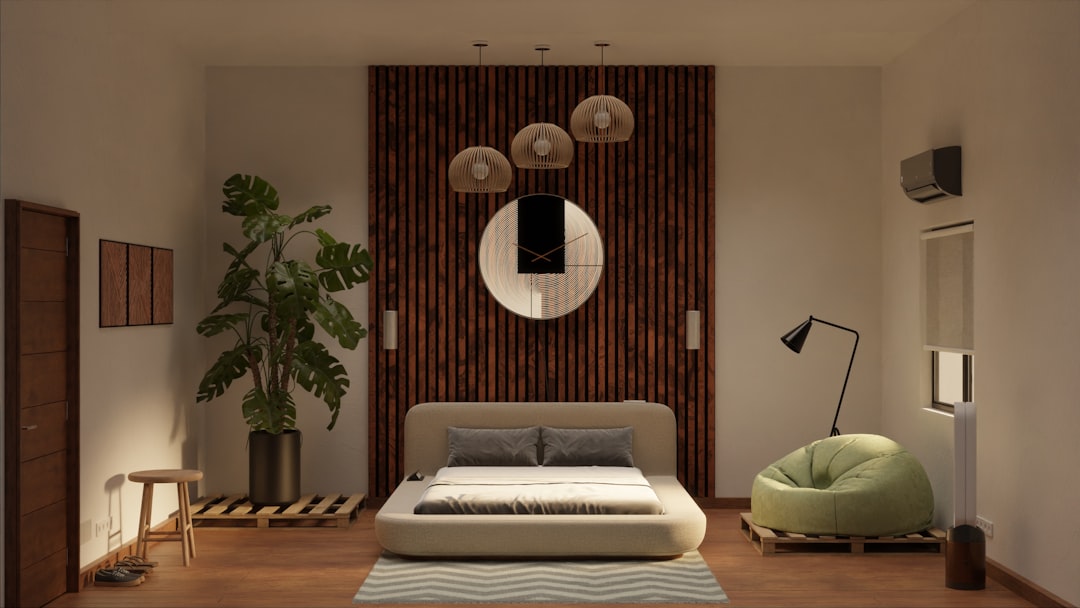
Interior design is becoming more influenced by the tranquil beauty of Wabi-Sabi and the quiet charm of Japandi, especially for Singaporean homeowners who want to create peaceful havens in their small living areas. These designs provide a welcome alternative to trendy, frequently excessively cluttered aesthetics for small bedrooms. Both Wabi-Sabi and Japandi can turn a small space into a peaceful haven by emphasizing natural materials, simplicity, and a thoughtful approach to design. In order to create a feeling of space, tranquility, and personal sanctuary, this article explores how these design philosophies can be successfully applied to small bedrooms in Singapore’s HDB flats, condos, and BTOs.
Japandi, a tasteful blend of Scandinavian practicality and Japanese minimalism, is becoming a popular choice for tiny bedrooms. Singapore’s frequently constrained residential footprints are ideally suited to its fundamental ideas of decluttering, maximizing space, and cultivating a sense of calm. The design avoids the visual noise that can make small spaces feel even more cramped by emphasizing simple lines, natural light, and a carefully chosen assortment of necessary items. Japandi provides a clever and useful way to create a calm sleeping environment in a Singaporean setting where making the most of available space is crucial.
If you’re looking to enhance the tranquility and aesthetic appeal of your small bedroom, incorporating elements of Japandi or Wabi-Sabi design can be incredibly beneficial. These styles emphasize simplicity, natural materials, and a sense of calm, making them perfect for smaller spaces. For more insights on creating a serene environment in your home, you might find this article on motorised curtains helpful, as they can add both convenience and a touch of elegance to your bedroom decor. Check it out here: Motorised Curtains for Daily Convenience.
The Key to Japanese Design. Fundamentally, Japandi aims to strike a balance between the warm, practical coziness of Scandinavian interiors and the stark minimalism frequently associated with Japanese design. As a result, the style is subtle and welcoming. This translates to a focus on intentional design for small bedrooms, where each component fulfills a purpose and adds to the overall feeling of tranquility. In addition to being aesthetically beautiful, the focus is on designing a room that encourages health and sound sleep. Warmth & Minimalism: The Key Features.
The “Japandi” aesthetic is distinguished by the intentional simplification of elements to their most basic forms. This has to do with intentionality rather than bareness. Imagine the cozy comfort of Scandinavian hygge mixed with the calm, uncluttered spaces of Japanese homes.
This entails carefully choosing furnishings and décor for a small bedroom that are both aesthetically pleasing and functional without taking up too much room. As a result, a calm simplicity & subtle elegance permeate the space. An essential component of Japan is natural materials. Japandi’s profound respect for natural materials is one of its distinguishing characteristics. Wood is a special star in all its forms and finishes. In Scandinavian design, light-toned woods like birch, oak, & ash are frequently combined with darker, richer woods that are typical of Japanese aesthetics.
If you’re looking to create a serene and minimalist atmosphere in your small bedroom, exploring the principles of Japandi or Wabi-Sabi can be incredibly beneficial. These design philosophies emphasize simplicity, natural materials, and the beauty of imperfection, making them perfect for compact spaces. For more insights on how to effectively incorporate these styles into your home, check out this informative article on small bedroom designs that embrace these concepts. You can find it here: small bedroom designs.
| Aspect | Japandi | Wabi-Sabi |
|---|---|---|
| Color Palette | Neutral colors with pops of muted tones | Earthy and natural colors |
| Furniture | Minimalist and functional | Handcrafted and imperfect |
| Decor | Simple and purposeful | Organic and weathered |
| Layout | Open and uncluttered | Cozy and intimate |
| Lighting | Natural light emphasized | Soft and warm lighting |
As a result, a lovely textural contrast and a feeling of organic warmth are produced. In addition to wood, a lot of linen, cotton, rattan, and wool will be used to add tactile richness and a link to the natural world. In addition to being aesthetically pleasing, these materials promote a healthier indoor environment, which is especially important given Singapore’s tropical climate. Japanese Bedroom Space-Saving Techniques. Space-saving furniture is not only advised but also essential for embracing Japandi due to the limitations of small bedrooms, particularly in Singapore’s HDB and BTO developments.
The design naturally makes the most of each square meter in an elegant and effective manner. The intention is to give the impression of more space while maintaining the room’s high level of comfort and functionality. Low-Profile Furniture: Creating an Airy Ambience. Choosing low-profile furniture is one of the best ways to make a tiny bedroom appear larger.
In order to reduce vertical visual clutter and draw the eye downward, which lengthens the perceived space, this includes beds with simple frames that are positioned near the ground. By keeping the floor open, floating nightstands that are fixed straight to the wall amplify this effect even more. This enhances the minimalist look while also facilitating cleaning and fostering an air of openness.
This strategy is revolutionary for maximizing living spaces for HDB and condo residents. Integrated storage is essential to living a clutter-free life. In any small space, efficient storage is essential, and Japandi provides stylish solutions. One excellent example is built-in wardrobes, which blend in perfectly with the walls and offer plenty of storage without taking up floor space.
Imagine bespoke wardrobes that make the most of every available inch of height and have simple, handle-free doors that preserve the minimalist style. When open shelving is used, it should be carefully chosen, showing just a few essential items to prevent visual overload. This integrated approach guarantees that commonplace items are tucked away neatly, preserving the calm and uncluttered atmosphere that characterizes Japanese design.
Japanese bedroom lighting & color schemes. The atmosphere of a room is greatly influenced by the color scheme and lighting, particularly in small areas. Japandi uses a particular color scheme of subdued and natural hues along with well-placed lighting to accentuate the feeling of roominess and tranquility. Earthy and Neutral Tones: A Basis for Peace. The basic color scheme of Japanese bedrooms is usually earthy and neutral.
Consider muted beiges, warm greys, soft whites, and natural wood tones. These hues create a soothing background that encourages relaxation and reflect the natural world. Subtle infusions of muted clay, sage green, deep forest greens, & even sophisticated burgundy or deep, moody blues have been added to this palette in recent trends.
In order to add depth and personality without overpowering the room, these richer colors are used sparingly as accent colors that are counterbalanced by the predominant neutrals. These hues produce a chic & peaceful haven when used in a tiny bedroom. Layered Lighting: Improving Space and Ambiance. In Japanese design, light—both artificial and natural—is essential.
The goal is to design a lighting scheme that is cozy, practical, and improves the feeling of space and peace. Optimizing natural light is crucial; sheer curtains composed of organic materials, such as linen, can gently diffuse sunlight, reducing its intensity without completely obstructing it. A lot of artificial lighting is layered.
This could include task lighting from a simple bedside lamp, ambient lighting from a soft, diffused ceiling fixture, and accent lighting to draw attention to particular elements, like a potted plant or a work of art. To keep the ambiance warm and welcoming, warm-toned bulbs are better than harsh, cool ones. Even the smallest bedroom can seem larger and cozier with this careful lighting design. A distinctive and incredibly tranquil approach to interior design is provided by wabi-sabi, a Japanese aesthetic focused on accepting imperfection and transience.
Wabi-Sabi can be a potent remedy for the stress of perfection in small bedrooms, especially in Singapore, by promoting an emphasis on genuineness, organic aging, & subdued beauty. It’s about accepting the story that things and places tell over time and finding satisfaction in the small, frequently disregarded details. Wabi-Sabi’s philosophy. Wabi-Sabi is more about a feeling than it is about rigid rules.
It finds beauty in impermanence, imperfection, and imperfection. This way of thinking inspires us to take our time, enjoy the here and now, and find joy in the organic processes of growth and decay. This translates to a small bedroom that doesn’t have to follow trends or have a polished, sterile appearance in order to feel lived in, genuine, & very personal. Accepting Imperfection: The Core of Wabi-Sabi Style.
Wabi-Sabi’s fundamental value is its acceptance of imperfections and irregularities. A hand-thrown ceramic pot with an uneven glaze, weathered wood with visible grain, or textiles with wear and love could all be examples of this. Wabi-Sabi embraces these flaws as symbols of character & history rather than attempting to conceal them. This entails choosing furnishings & décor that don’t have to be perfect for a small bedroom. Hand-woven fabrics, a wooden stool with organic knots, or a slightly chipped ceramic vase can all add to the Wabi-Sabi story. This method creates a more laid-back and forgiving atmosphere by relieving the homeowner of the burden of maintaining a picture-perfect space.
A Story of Time: Natural Aging and Patina. The way things age and acquire a patina over time is what Wabi-Sabi finds beautiful. The use of materials that age gracefully is encouraged by this philosophical appreciation of natural processes.
Consider how linen softens & becomes cozier with every wash, or how natural wood darkens and acquires character. This could entail selecting linen bedding that gets more opulent with use or a wooden bed frame that will develop distinctive markings over time in a small bedroom. In addition to giving the space more depth and narrative, this acceptance of aging encourages a bond with time & the natural world. Textures & Materials in a Wabi-Sabi Bedroom.
Similar to Japandi, Wabi-Sabi makes extensive use of natural materials and textures, but it also emphasizes these materials’ inherent qualities and how they convey their age and origins. The intention is to create a genuine and grounded sensory experience. Unfinished & Raw Elements: Design Honesty. Raw or minimally processed materials are preferred by Wabi-Sabi. Unfinished wood, rough-hewn stone, & textured plaster walls are examples of this.
The goal is to showcase the material’s natural beauty without the need for artificial additions. If structurally feasible & aesthetically pleasing, this could result in exposed wooden beams or walls with a subtly uneven texture in a small bedroom. A concrete planter or a rough-spun rug are two examples of smaller decor pieces with raw finishes that can bring this essence into the room even if full structural elements are not an option.
Organic shapes and tactile materials: authenticity and comfort. Wabi-Sabi maintains the emphasis on tactile textiles, but it concentrates on those that arouse feelings of reassuring imperfection. Excellent options include hand-woven blankets, large knit throws, and linen curtains with noticeable slubs. Inspired by nature, organic forms are also common.
The slightly asymmetrical shapes of furniture and décor pieces may reflect the erratic beauty of nature. The goal is to create a place that is cozy, welcoming, and truly comfortable—a real haven to retreat to. Lighting and color scheme: delicate and calm. Drawing inspiration from the earth and the subtle changes in nature, the Wabi-Sabi color scheme is frequently characterized as subtle & organic. The calm and reflective atmosphere is greatly enhanced by the lighting.
Muted tones & earthy hues provide a serene base. Earthy, subdued hues are usually the foundation of wabi-sabi color schemes. Consider muted ochres, dusty greens, warm browns, soft greys, and off-whites. These hues evoke feelings of calm & groundedness and are evocative of natural settings.
Subtlety is emphasized, and anything excessively bright or manufactured is avoided. These colors make it possible for the materials’ inherent flaws & textures to be highlighted. This color scheme contributes to the creation of a tranquil, restful environment in a small bedroom. Ambiance is enhanced by soft, natural lighting. A Wabi-Sabi bedroom’s lighting is diffused, soft, and tries to replicate natural light as much as possible.
Direct, harsh lighting should be avoided. Instead, warm-toned bulbs are used in layered lighting to produce a soft glow. Perhaps with sheer, natural fiber curtains that gently filter the sunlight, natural light is appreciated and enhanced. Warm, dappled light can be cast by lanterns made of natural materials like paper or bamboo, enhancing the meditative ambiance.
The intention is to create a calm, evocative atmosphere that promotes contemplation and relaxation. Wabi-Sabi & Japandi are different, but they both value natural materials, simplicity, and a mindful way of living. Their combined influence can create a particularly captivating and tranquil space for Singaporean small bedrooms. Designers are increasingly fusing the soulful imperfection of Wabi-Sabi with the clean lines of Japandi, which highlights this synergy in the 2025–2026 trend.
Imperfection and Simplicity Work Together. Because Japandi & Wabi-Sabi complement each other, it’s a beautiful combination for a small bedroom. Wabi-Sabi gives it soul, character, and a genuine feeling of coziness, while Japandi offers the structure for practicality & uncluttered space.
For Singaporean homeowners looking for areas that are both extremely personal and functional, this combination is ideal. The idea that a home should feel lived-in and authentic rather than sterile & showroom-like is reinforced by the Wabi-Sabi influence, which is explicitly called for by the trend toward “elegance in imperfection” in Japan. Creating a Peaceful and Useful Area.
This entails incorporating Wabi-Sabi’s touch through artisanal décor, organic textures, and a carefree approach to aesthetics after applying Japandi’s emphasis on streamlined furniture and effective storage in a small bedroom. For example, a hand-woven throw (Wabi-Sabi) could be used to decorate a low-profile platform bed, a common feature in Japan. Clothes can be stored in a built-in wardrobe with simple doors (Japandi), and a bedside table may have an artisanal ceramic lamp (Wabi-Sabi) that is slightly asymmetrical. The goal is to design an area that is both incredibly practical and full of subtle personality.
Selecting the Correct Components for Your Compact Bedroom. Every component must be carefully considered when designing a small bedroom with Wabi-Sabi or Japandi influences. The emphasis is still on things that add to the general feeling of calm and on quality rather than quantity.
The basis of the style is the choice of furniture. Furniture that is low-profile and multipurpose should be given priority. Consider a bed with built-in drawers or a small desk that can be used as a dressing table. Whether it’s the richer, darker tones of Japanese walnut or the lighter, airy tones of Scandinavian oak, natural wood is essential.
Adopt furniture with simple designs & little decoration. Choose items with visible grain, knots, or a slightly distressed finish if you want to go with a Wabi-Sabi influence. Keep in mind that the 2025–2026 trend emphasizes space-saving furniture, such as loft beds, which can be great for optimizing floor space in HDB or BTO rooms and enabling a dedicated study or relaxation area underneath. Accessories and Decor: Adding Individual Touches. Your small bedroom’s personality really comes through in the accessories and decor.
Choose things with a natural origin or an artisanal feel. Simple wooden sculptures, potted plants, woven baskets, and hand-painted ceramics can all add personality. Wool rugs, cotton throws, and linen bedding are examples of textiles that are essential.
Don’t add too many decorative pieces to the room. Instead, pick a few pieces that really speak to you. The Wabi-Sabi influence promotes appreciating handcrafted goods and seeing their distinct flaws as part of their allure. Think about using natural elements as delicate decorative accents, such as dried branches or stones. Particularly for small bedrooms, Singapore’s tropical climate offers special opportunities & challenges for interior design.
With their emphasis on natural materials & light, both Wabi-Sabi and Japandi can be modified to create calm and comfortable spaces even in warm, humid weather. The main issues are ventilation and humidity. In Singapore, high humidity is a persistent problem. This may result in the development of mold and an uncomfortable, sticky feeling. This environmental aspect must be taken into consideration when managing Japandi and Wabi-Sabi’s dependence on natural materials.
Airflow and Breathable Materials. The selection of materials is essential. In general, natural fibers that can wick away moisture include cotton, linen, and bamboo. Choose these materials for your upholstery, curtains, and bedding.
Ensuring that windows can be opened to facilitate cross-ventilation whenever feasible is crucial. This is particularly crucial for tiny bedrooms that might not have enough ventilation. Air purifiers & ventilation fans can also be useful additions to keep the space clean and fresh. As a practical precaution, think about dehumidifying units, especially during extended periods of high humidity.
Use Plants & Natural Elements Wisely. Air quality can be enhanced and humidity can be controlled by adding indoor plants. Select plants that need little care and can flourish in Singapore’s environment.
Through the transpiration of water vapor, broad-leafed plants can also help to cool the environment. Choose wood that has been sealed or treated to prevent moisture damage when adding wood. Also, open shelving can promote airflow and avoid the accumulation of stagnant air. For Singaporean homeowners, the durability and upkeep needs of furniture & décor are crucial factors, especially given the country’s tropical climate. When applied correctly, both Wabi-Sabi & Japandi styles can result in long-lasting & resilient spaces.
resilience of natural materials. Despite their beauty, the natural materials that Wabi-Sabi & Japandi prefer need special attention to survive Singapore’s climate. Wooden furniture needs maintenance. In Singapore’s humid climate, wooden furniture—particularly the lighter woods popular in Japan—may be vulnerable to pest infestation & moisture damage. It’s crucial to regularly dust with a dry or slightly moist cloth.
Spills should be wiped up right away. To protect the wood, think about applying superior sealants or varnishes made for tropical climates. Steer clear of putting wooden furniture up against walls where condensation could develop.
Keep an eye out for any indications of pest activity or warping. According to Wabi-Sabi’s appreciation of aging, minor deterioration can be accepted, but serious harm needs to be fixed. Lifespan and Fabric Care. Although materials like wool, cotton, & linen are typically long-lasting, they can absorb moisture and fade easily in direct sunlight.
Use UV-filtering or blackout curtains, particularly in south-facing rooms, to shield delicate fabrics from intense sun exposure through windows. Rugs and upholstery should be vacuumed on a regular basis to avoid dust and allergen accumulation. Care instructions for washable fabrics should be carefully followed to avoid shrinkage or damage. Your textiles acquire a personality that Wabi-Sabi adores the more you use & take care of them. Accepting the Flow of Time.
The acceptance of aging is a fundamental feature of both approaches. This implies that as you take care of your belongings, you also develop an appreciation for the changes that take place. The objective is to make sure items continue to be both aesthetically pleasing and functional as they age, rather than to keep them looking brand new forever.
Longer-lasting items & a more environmentally friendly approach to home décor are possible outcomes of this philosophy. The Japandi and Wabi-Sabi design philosophies provide a compelling route for Singaporean homeowners navigating the realities of small bedrooms to create calm, practical, and intensely personal spaces. These designs can turn small spaces into peaceful havens by emphasizing natural materials, simple designs, and an awareness of authenticity. The ultimate objective is to create an atmosphere that promotes rest, relaxation, and well-being, whether one embraces the warmth and clean lines of Japandi, the imperfect beauty of Wabi-Sabi, or a harmonious combination of both.
The 2025–2026 trend reinforces the allure of these designs by emphasizing their capacity to produce serene & cozy residences that are ideal for contemporary Singaporean living. Even the smallest bedroom can be transformed into an opulent private haven thanks to the focus on natural elements, space-saving solutions, and a color scheme that calms the senses.
.
FAQs
What is Japandi style for small bedrooms?
Japandi style is a fusion of Japanese and Scandinavian design principles, combining the minimalism and functionality of Scandinavian design with the warmth and simplicity of Japanese aesthetics. In small bedrooms, Japandi style emphasizes clean lines, natural materials, and a neutral color palette to create a sense of calm and spaciousness.
What is Wabi-Sabi style for small bedrooms?
Wabi-Sabi is a Japanese aesthetic that embraces imperfection, impermanence, and authenticity. In small bedrooms, Wabi-Sabi style focuses on using natural materials, embracing simplicity, and incorporating handmade or vintage items to create a sense of warmth and intimacy.
How can I incorporate Japandi style into a small bedroom?
To incorporate Japandi style into a small bedroom, consider using minimalistic furniture with clean lines, incorporating natural materials such as wood and bamboo, and opting for a neutral color palette with accents of muted tones. Additionally, decluttering the space and maximizing natural light can help create a sense of openness and tranquility.
What are some key elements of Wabi-Sabi style for small bedrooms?
Key elements of Wabi-Sabi style for small bedrooms include using natural and organic materials, embracing imperfection and simplicity, incorporating handmade or vintage items, and creating a sense of harmony with the surrounding environment. Additionally, Wabi-Sabi style encourages the use of muted and earthy tones to evoke a sense of tranquility.
How can I make the most of a small bedroom using Japandi or Wabi-Sabi style?
To make the most of a small bedroom using Japandi or Wabi-Sabi style, focus on decluttering the space, maximizing natural light, and incorporating multifunctional furniture to optimize the available space. Additionally, using a neutral color palette, incorporating natural materials, and embracing simplicity can help create a sense of calm and serenity in a small bedroom.