Venetian blinds and roller blinds are often compared by Singaporean homeowners when choosing window coverings for their homes. Both choices have unique benefits & drawbacks that are suited to the particular requirements of landed properties, BTO units, HDB apartments, and condos. In the particular context of the Singaporean environment, this comparison explores the practical aspects of each, concentrating on elements like climate suitability, light and privacy control, maintenance, aesthetic integration, and smart home capabilities. Climate Suitability & Durability in Singapore’s Tropical Environment. Because of Singapore’s consistently high humidity & warm temperatures, window coverings must be carefully chosen to ensure longevity & avoid problems like mold, mildew, or warping.
Both Venetian and roller blinds’ performance in these situations is greatly influenced by the materials they are made of. Roller Blinds: Heat and humidity resistance. Due to their design, roller blinds are frequently made of materials that are suitable for tropical climates. In Singapore, a lot of roller blinds are made of polyester or PVC.
These synthetic materials are naturally resistant to mildew and mold, which are frequent problems in humid settings. Because of their non-porous surfaces, moisture tends to be repelled and cannot be absorbed, which could result in microbial growth. These textiles are also made to endure extended exposure to sunlight without suffering from noticeable fading or deterioration. Because of this, they are a sturdy option for windows that are exposed to the sun, especially in HDB apartments or condos with open balconies. A roller blind’s low-maintenance profile in humid conditions is partly due to its simple, continuous fabric sheet, which reduces the number of crevices where moisture can collect.
These textiles’ durability guarantees that they will continue to be aesthetically pleasing and structurally sound for many years, providing a dependable defense against Singapore’s climate problems. Venetian Blinds: Material Adaptability for Damp Environments. Venetian blinds come in a wider variety of materials, each of which is somewhat appropriate for Singapore’s climate. PVC, aluminum, & fake wood are especially great options.
Venetian blinds made of aluminum are almost impervious to moisture and humidity. They are a great choice for high-humidity spaces like kitchens and bathrooms in any Singaporean home, from an HDB apartment to a landed property, because they don’t rust, warp, or encourage the growth of mold. Their long-term durability is further enhanced by their metallic composition, which allows them to withstand the effects of continuous heat and direct sunlight without experiencing material deterioration. When it comes to humidity resistance, PVC Venetian blinds are comparable to their aluminum counterparts in many ways.
| Comparison | Venetian Blinds | Roller Blinds |
|---|---|---|
| Cost | Generally more expensive | Usually more affordable |
| Light Control | Offers adjustable light control | Provides good light blockage |
| Maintenance | Requires regular dusting and cleaning | Easy to clean and maintain |
| Style | Offers a classic and elegant look | Provides a modern and sleek appearance |
| Privacy | Allows for adjustable privacy levels | Provides good privacy when fully closed |
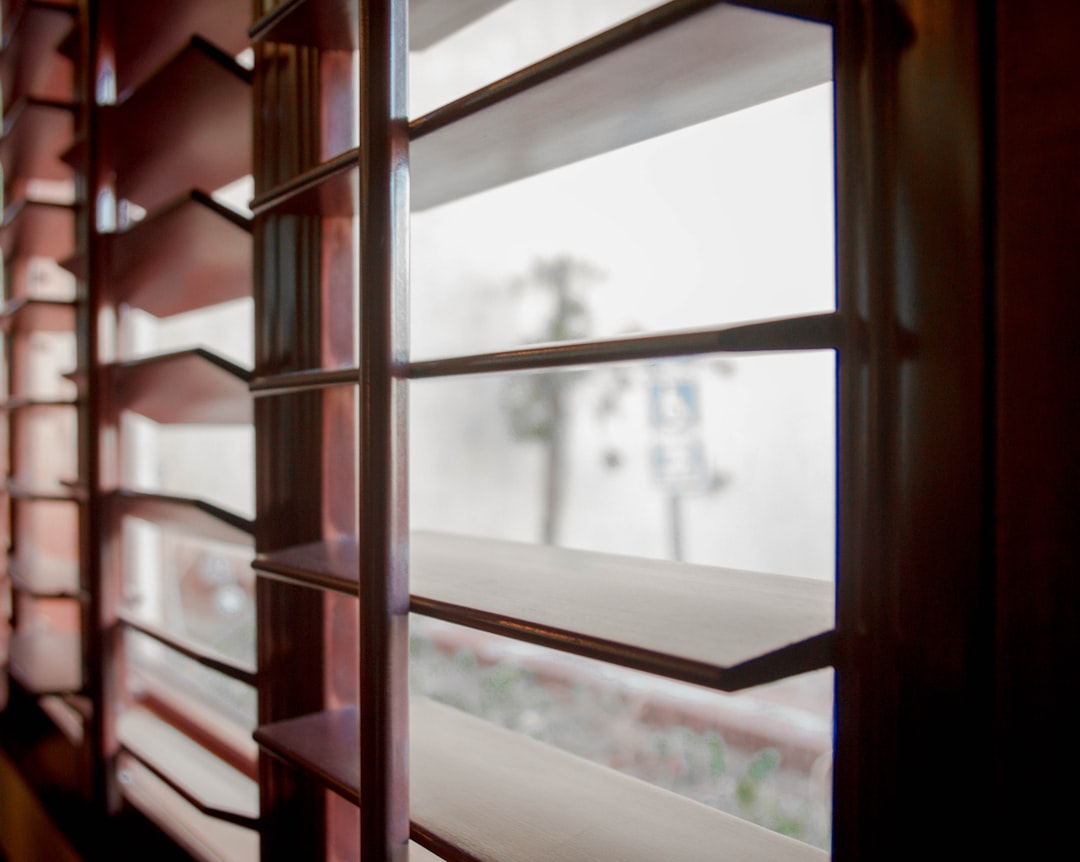
PVC is a synthetic polymer that effectively prevents moisture absorption and the subsequent development of mildew because it is non-porous & water-resistant. Because of this, they are a sensible and affordable option for homeowners looking for a moisture-resistant, low-maintenance solution. The purpose of faux wood venetian blinds is to replicate the appearance of real wood without acquiring its weaknesses. Because faux wood is made of synthetic materials, typically PVC or a composite, it is much more resistant to warping, cracking, and swelling brought on by high humidity than real wood.
In Singapore, where real wood blinds can quickly deteriorate without careful care, this is a major advantage. For discriminating homeowners in condos or landed homes who want both style and functionality, faux wood Venetian blinds offer an exquisite, natural appearance along with the useful advantages necessary for Singapore’s climate. Airflow control, privacy, and light control. Beyond aesthetic appeal, window coverings serve the vital purposes of controlling light, improving privacy, and managing airflow, especially in warm climates.
Venetian and roller blinds offer different user experiences by addressing these factors through different mechanisms. Roller blinds: simplified privacy and lighting. Roller blinds use a straightforward up-and-down mechanism to function. When fully extended, they provide complete coverage, which, depending on the fabric selected, can range from achieving total blackout to diffusing light.
Full Block-Out and Dim-Out Options: Blackout roller blinds are very good at providing complete darkness, which is necessary for restful sleep, especially in bedrooms in HDB or BTO units where external light sources may be common. On the other hand, dim-out fabrics greatly reduce light while still letting in a gentle glow, making them ideal for living spaces where some ambient light is preferred but the sun isn’t shining. They are therefore perfect for houses looking for simple ways to control the sun and heat. Limited Flexibility in Light Adjustment: The main drawback of roller blinds is that they cannot be adjusted incrementally.
They are either partially up or partially down, or they are up or down. This means that striking a balance between natural light and privacy frequently necessitates a direct compromise. A roller blind’s ability to regulate room temperature without totally blocking outside views may be diminished when it is partially lowered because the exposed portion of the window allows an unrestricted inflow of light and heat.
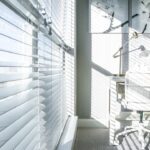
In contrast to slatted options, there is no built-in mechanism for passive ventilation through the blind itself; instead, airflow is primarily determined by whether the blind is raised or lowered. Venetian blinds: ventilation and precision. Venetian blinds are excellent at providing precise control over light, privacy, and—most importantly for Singapore—airflow. Their slatted design is the reason for this. Tiltable Slats for Dynamic Control: Venetian blinds’ adjustable slats are their distinguishing characteristic. These can be tilted at different angles, giving homeowners a degree of privacy while directing sunlight downward to avoid screen glare or upward toward the ceiling for indirect illumination.
This subtle control is especially helpful for home offices in condos or landed homes, where controlling screen glare is crucial. Because the spaces between the tilted slats are small enough to block direct lines of sight from the outside, natural light can enter without sacrificing privacy. Improved Heat Management and Airflow: In addition to light, the tiltable slats play a crucial role in promoting airflow.
Residents can promote natural ventilation and aid in heat dissipation without completely exposing the interior by angling the slats so that air can flow through the window opening even when the blinds are partially closed. This allows homes to benefit from breezes while still blocking direct sunlight, which is a big advantage in Singapore’s warm climate. Venetian blinds can be a great option for spaces where outdoor views are valued, such as balconies in HDB or condo units. They are more adaptable than roller blinds for such applications because the slats can be tilted to allow for the enjoyment of the view & natural light while preventing excessive heat and preserving a minimal degree of privacy.
Lifespan & upkeep considerations. In Singapore, maintaining window coverings is essential for both longevity and hygienic conditions. Venetian and roller blinds are popular among homeowners because they both require comparatively simple maintenance. Cleaning Roller Blinds is Easy.
Because roller blinds have a continuous fabric surface, they are typically simple to clean. Regular maintenance typically involves:. Dusting and Wiping: To get rid of accumulated dust, do a weekly wipe-down with a feather duster or a dry cloth.
A moist cloth dampened with a mild, diluted detergent can be used for more difficult-to-remove stains. Avoiding excessive moisture is crucial to preventing water stains and damage to the fabric coatings, particularly with fabrics that aren’t made for wet cleaning. Mould Prevention: Microscopic spores can still land on surfaces even though PVC and polyester textiles are resistant to mould.
Mould growth can be prevented with regular air circulation in rooms & sporadic wiping with an anti-mould solution (diluted bleach or commercial mould cleaner, according to product instructions). This is especially important in areas that are always humid, like bathrooms or kitchens, which are typical in many HDB & condo layout. Lifespan: The quality of the fabric and the working mechanism have a major impact on how long roller blinds last. Even in Singapore’s climate, high-quality synthetic fabrics can last up to 7–10 years with regular indoor use & upkeep. With fewer moving parts that are prone to wear & tear than more intricate systems, the straightforward winding mechanism also adds to its longevity.
Cleaning and durability of slatted Venetian blinds. Venetian blinds require a little more upkeep because of their individual slats, but it is still doable. Dusting Slats: Regularly dusting the slats is the most frequent maintenance task. A vacuum cleaner’s brush attachment, a blind duster tool, or a microfibre cloth can all be used for this. A damp cloth & a mild detergent solution can be used to wipe down the slats for a more thorough cleaning, especially for greasy buildup in kitchens. Condensation Resistance: Venetian blinds made of aluminum and PVC are especially useful in kitchens and bathrooms where condensation frequently occurs.
By preventing water absorption, their non-porous surfaces stop mold and mildew from growing directly on the blind material. They are a low-maintenance choice for moisture-prone areas in HDB, BTO, & condo units because of their inherent resistance. Lifespan: Venetian blinds have exceptional durability, particularly those constructed of aluminum, PVC, or faux wood. They are a durable investment because of their extreme weather resistance. In Singapore, well-maintained Venetian blinds can easily last more than ten to fifteen years on average, and some can even last longer.
Because of the materials’ durability, warping, discoloration, or mechanical failure are less frequent than with natural materials, providing good value over time. Room specificity and integration of aesthetics. A Singaporean home’s overall interior design is also affected by the decision between roller and Venetian blinds. Different rooms and design philosophies can benefit from the unique aesthetic and functionality that each type offers.
Roller Blinds: Contemporary Ease. Roller blinds are often associated with modern & minimalist design. Their simple, unobtrusive design complements contemporary living areas, which are becoming more and more common in new BTO and condo developments. Modern Living Rooms and Bedrooms: Roller blinds provide a sleek backdrop for living rooms and bedrooms in HDB or condo units without taking away from other design features. The capacity to achieve a total blackout, particularly in bedrooms, produces a calm and peaceful atmosphere that is highly prized for privacy and the quality of sleep. Unifying Aesthetic: Roller blind fabrics can be used with a variety of interior color schemes due to their extensive selection of colors, textures, & patterns.
Particularly for larger windows or those that overlook a balcony, their straightforward, flowing lines can create an uninterrupted visual flow that makes a room appear larger and more streamlined. Venetian Blinds: Adaptability & Traditional Style. Venetian blinds are more adaptable to different types of rooms and design tastes, ranging from modern to traditional.
Kitchens & Studies: Venetian blinds are perfect for kitchens and studies because of their outstanding control over light and privacy. The ability to block direct sunlight and heat from the cooking area while directing light to a workspace is useful in a kitchen, which is typically found in HDB apartments & landed properties. According to a study, accurate light control improves productivity by lowering glare on computer screens without sacrificing natural lighting.
In kitchen settings, where humidity levels are frequently higher, moisture-resistant materials like aluminum and PVC are especially appropriate. Faux Wood Aesthetics: Faux wood Venetian blinds are a great option for homeowners in condos or landed homes who want a little coziness and natural texture. They add a timeless elegance & imitate the sophisticated appearance of real wood, but they are not vulnerable to climate change. Because of this, they are appropriate for living rooms or master bedrooms where aesthetic appeal is crucial.
Balconies and Outdoor Integration: Venetian blinds provide a versatile option for windows or doors that lead to patios or balconies, which are typical in landed homes & condos. They offer protection from the sun and heat while allowing for partial views and breezes. On the other hand, fully closed roller blinds would totally obstruct the view & ventilation.
Singapore’s smart home integration & cost ranges. For Singaporean homeowners, the initial investment & the possibility of integrating smart home technology are becoming more significant factors that impact both long-term value and convenience. A summary of Singapore’s cost ranges.
The price of window coverings varies greatly depending on the brand, size, material, and difficulty of installation. Roller Blinds: In general, roller blinds are thought to be a more affordable choice, especially for synthetic textiles. Basic, manually operated options can cost anywhere from S$60 to S$150 per blind for a standard HDB window (about 1.2m x 1.2m). For windows that are larger or need specialty fabrics (e.g. A g.
blackout, solar screen), each blind may cost as much as S$200–S$400. Motorized options will cost extra, typically between S$200 & S$500 per motor, not including integration. Venetian Blinds: Venetian blinds can be more affordable due to their construction & material choices. Venetian blinds made of PVC and aluminum may cost between S$80 and S$200 for a comparable standard window.
Venetian blinds made of faux wood, which are more durable and aesthetically pleasing, usually cost S$120 to S$300 or more per window. The number of slats & the intricacy of the operating mechanism can affect the total cost. Similar to motorized roller blinds, motorized Venetian blinds come with extra expenses. These ranges are only suggestions and may change depending on the supplier, particular product attributes, and the state of the Singaporean market at the time. Homeowners in landed, condo, or HDB properties should get comprehensive quotes for their particular window measurements.
Motorization Trend: Smart Home Integration. A growing trend in Singapore is the incorporation of window coverings into smart home ecosystems, which appeals to homeowners looking for modern living, increased convenience, and energy efficiency. Venetian and roller blinds can both be easily motorized. Motorized Blinds and Curtains: The ability to operate blinds remotely through a switch, remote control, or smartphone app is made possible by motorization. This is especially useful for people with mobility issues, large window expanses, and difficult-to-reach windows.
Automated Control: To help passively manage heat and sun exposure, motorized blinds in smart homes can be set to open & close automatically based on schedules, ambient light levels, or even indoor temperature. For example, blinds could automatically close during the hottest part of the day to minimize solar heat gain, which would reduce the need for air conditioning and lower electricity costs. Condo owners with large windows or landed properties with lots of openings that would be difficult to operate manually will find this especially appealing. Improved Security and Privacy: By creating the illusion that a house is occupied even when residents are not there, automated operation can also improve security and privacy. From landed homes to HDB apartments, this is a useful feature for all kinds of Singaporean homes.
Smooth Integration: Both motorized roller blinds and motorized Venetian blinds can be easily integrated with well-known smart home platforms, enabling them to interact with other smart appliances like security, air conditioning, and lighting to create a responsive and all-encompassing living space. For a tech-savvy Singaporean homeowner looking to maximize their living space, this clever integration enhances the functionality of both blind types, making them a great option. In conclusion. In the end, a homeowner’s particular priorities regarding light control, privacy, aesthetic preferences, maintenance commitment, and budget will determine whether they choose Venetian or roller blinds for their Singaporean home.
Both are strong choices for controlling the sun, heat, and privacy in Singapore’s tropical climate. Roller blinds, especially those made of mold-resistant synthetic fabrics, have a sleek, contemporary appearance, great blackout capabilities, and easy maintenance. Venetian blinds, particularly those composed of aluminum, PVC, or faux wood, offer unmatched accuracy in controlling light and airflow, making them incredibly versatile for a range of room requirements and equally resilient to heat & humidity.
For any HDB, condo, BTO, or landed property in Singapore, the growing trend of motorization further improves their functionality and positions them as wise, long-lasting investments. Homeowners can find the best solution for their unique living situation by carefully weighing these factors.
.
FAQs
What are the main differences between Venetian blinds and roller blinds?
Venetian blinds are made of horizontal slats that can be tilted to control light and privacy, while roller blinds are made of a single piece of fabric that can be rolled up or down to adjust light and privacy.
Which type of blinds is more suitable for the hot and humid climate in Singapore?
Roller blinds are more suitable for the hot and humid climate in Singapore as they provide better insulation and can block out more sunlight compared to Venetian blinds.
Are Venetian blinds or roller blinds easier to clean and maintain?
Venetian blinds are generally more difficult to clean and maintain compared to roller blinds, as they have more individual slats that can collect dust and dirt.
Which type of blinds is more popular in real-world Singapore use?
Roller blinds are more popular in real-world Singapore use due to their practicality and effectiveness in blocking out sunlight and providing insulation in the hot and humid climate.
What are the cost differences between Venetian blinds and roller blinds in Singapore?
In Singapore, roller blinds are generally more cost-effective compared to Venetian blinds, as they require less material and are easier to manufacture.