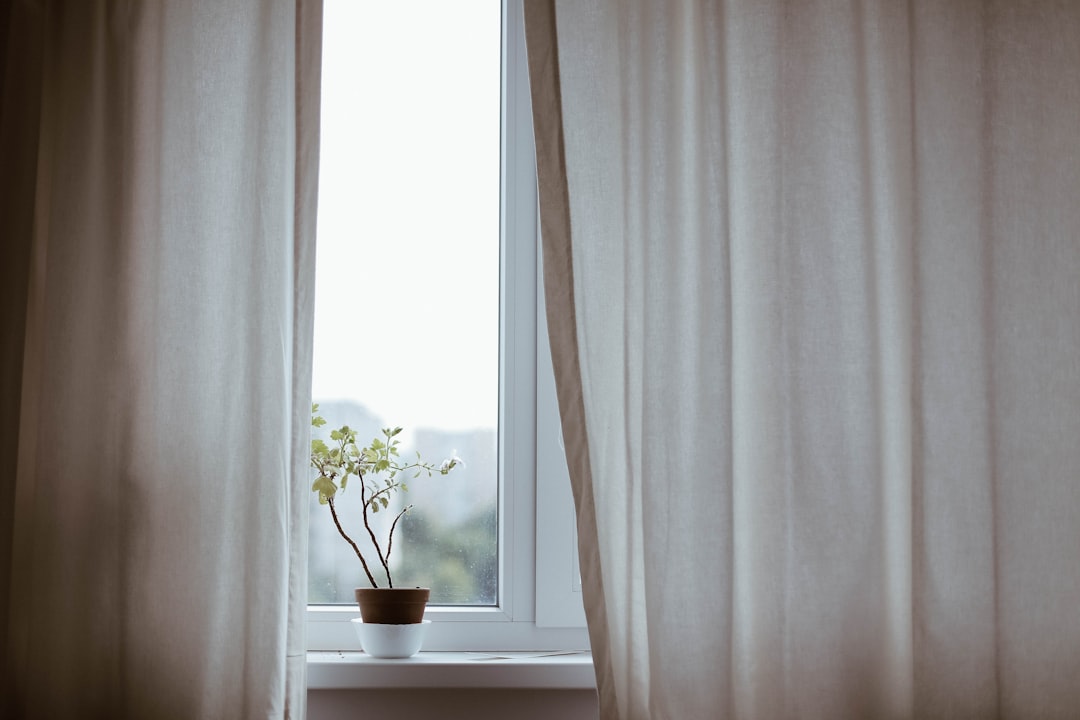
Thinking about upgrading your home and wondering how curtains fit into the picture? They might seem like a simple window dressing, but curtains are actually a powerhouse when it comes to transforming a space. They’re not just about blocking out light; they add color, texture, privacy, and even a touch of personality to any room, all while being surprisingly practical.
The Big Picture: Why Curtains Matter
Let’s be honest, sometimes a room just feels… unfinished. Or maybe it’s too bright, too drafty, or just lacks that cozy vibe. Curtains are often the unsung heroes that fix these issues. They’re a really effective way to make a big impact without a huge renovation. Think of them as the outfit for your windows – pick the right ones, and your whole room just looks and feels better. They’re a versatile tool that can truly change the mood and functionality of a space.
If you’re looking to enhance your home decor with beautiful curtains, you might find this article on choosing the right fabric for your curtains particularly helpful. It provides insights into various materials and their benefits, ensuring you make an informed decision for your space. To read more, visit this article.
Choosing the Right Fabric: Feel and Function
The material your curtains are made from is a huge part of what they do. It’s not just about how they look, but how they feel and how they perform.
Light Filtering vs. Blackout
This is one of the main functional differences.
Light Filtering Curtains
These are great for letting in a good amount of natural light while still offering some privacy. They’re ideal for living rooms, dining rooms, or kitchens where you want to feel connected to the outdoors but don’t want direct sun glare or prying eyes. They can soften harsh sunlight, making a room feel warmer and more inviting. Think of them as a gentle diffuser for daylight.
Blackout Curtains
If light bothers you – maybe you’re a light sleeper, or you have a media room that needs to be dark – blackout curtains are your best friend. They’re designed to block out almost all light, which also makes them excellent for insulation, keeping rooms cooler in the summer and warmer in the winter. They can significantly reduce your energy bills.
Natural vs. Synthetic Fabrics
Each has its pros and cons.
Natural Fabrics (Cotton, Linen, Velvet)
- Cotton: Versatile, breathable, and comes in a huge range of colors and patterns. It can be prone to wrinkling and fading if exposed to direct sun for long periods. Cotton is generally easy to care for.
- Linen: Has a beautiful, natural texture that adds a touch of sophistication. It drapes well and allows light to filter through gently. Linen wrinkles easily, which some people love for its rustic charm, while others find it a hassle. It’s also quite durable.
- Velvet: Luxuriously soft and adds a sense of opulence. It’s excellent for blocking light and providing insulation due to its thickness. Velvet can be heavier and might require more robust curtain rods. It also tends to attract dust, so regular cleaning is a good idea.
Synthetic Fabrics (Polyester, Blends)
- Polyester: Durable, wrinkle-resistant, and often more affordable. It holds color well and is less prone to fading compared to natural fibers. Polyester can sometimes feel a bit less “luxurious” than natural fabrics, but modern weaves can mimic the look and feel of natural materials quite effectively. It’s also easier to clean.
- Blends: Often combine the best of both worlds, offering durability and wrinkle resistance with some of the aesthetic qualities of natural fibers. For example, a cotton-polyester blend can offer the softness of cotton with the easier care of polyester.
Texture and Weight
Don’t underestimate the feel and heft of a fabric. A heavy velvet curtain feels completely different from a light, airy linen. The weight also impacts how the curtain drapes and how much light it blocks. Heavier fabrics offer better insulation and sound dampening.
Color and Pattern: Setting the Mood
This is where you can really inject your personal style. Whether you want a bold statement or a subtle backdrop, color and pattern are key.
How Color Affects a Room
- Light Colors: Can make a room feel larger, brighter, and more open. Whites, pastels, and muted tones create a sense of calm and spaciousness. They’re great for smaller rooms or spaces that don’t get much natural light.
- Dark Colors: Can make a room feel more intimate and cozy. Deep blues, greys, or rich jewel tones can add sophistication and warmth. They can also help absorb light, making a room feel darker – this is particularly useful for bedrooms or home theaters. However, be mindful that too many dark colors can make a room feel heavy.
- Bold Colors: A vibrant accent color can be a fantastic focal point. Think a striking teal in a neutral room or a sunny yellow to brighten a grey day. This is a great way to add personality without overwhelming the space.
The Power of Pattern
Patterns offer endless possibilities for expressing your style.
Subtle Patterns
These are perfect if you want a touch of visual interest without making the curtains the absolute centerpiece. Think fine stripes, a delicate damask, or a muted geometric. They add depth without being distracting.
Bold Patterns
Large-scale prints, vibrant florals, or striking geometric designs can make a room pop. They can tie together different colors in your decor or serve as the main inspiration for your room’s palette. If you opt for a bold pattern, consider keeping the rest of your decor simpler to avoid a cluttered look.
Solid vs. Patterned
It often comes down to balance. If your walls are heavily patterned, solid curtains might be a better choice to create visual rest. Conversely, if your furniture and walls are quite plain, a patterned curtain can liven things up considerably.
Curtain Styles and Hardware: The Details That Count
The way your curtains hang and the hardware you use are just as important as the fabric itself. They influence the overall look and how functional your curtains are.
Popular Curtain Styles
Each style has a different aesthetic and functional purpose.
Grommet Curtains
These have metal rings (grommets) punched into the top of the fabric, allowing them to slide easily onto a curtain rod. They create large, uniform folds and have a modern, clean look. They are very easy to open and close.
Rod Pocket Curtains
The fabric is sewn with a channel at the top, through which the curtain rod is threaded. This gives a gathered, slightly more traditional look and can be a bit trickier to slide open and closed compared to grommets. It also means the fabric covers more of the rod.
Pleated Curtains (Pinch Pleats, Pencil Pleats, etc.)
These are more structured and formal. The fabric is sewn with evenly spaced pleats at the top, creating a tailored and elegant appearance. They often require special hooks that attach to a track or rod, allowing for a very smooth hang and easy operation. Pinch pleats are classic and sophisticated, while pencil pleats offer a more delicate, gathered look.
Tab Top Curtains
Fabric loops (tabs) are sewn onto the top of the curtain, and these slide directly onto the rod. They have a casual, relaxed feel.
Sheer Curtains
These are lightweight and transparent, designed to diffuse light and offer a hint of privacy while maximizing natural light. They are often used in conjunction with heavier curtains for layering.
Choosing Curtain Hardware
The rod is more than just a way to hang curtains; it’s a decorative element.
Materials and Finishes
- Metal (Steel, Brass, Aluminum): Very durable and come in various finishes like brushed nickel, antique brass, black, or chrome. These can offer a modern, classic, or industrial look depending on the finish and rod style.
- Wood: Offers a warmer, more traditional aesthetic. Often found in natural wood tones or painted finishes.
- Finials: The decorative ends of the curtain rod. These can be simple balls, ornate scrolls, or geometric shapes, adding a significant decorative touch.
Rod Diameter and Strength
Ensure your rod is strong enough to support the weight of your chosen fabric. Heavier fabrics like velvet or layered curtains will need a sturdier rod. The diameter of the rod also impacts the overall look – a thicker rod can make a bolder statement.
Mounting Height and Width
Hanging curtains higher than the window frame can make your ceilings appear taller. Extending the rod wider than the window frame allows the curtains to stack away neatly, making the window appear larger when open.
If you’re looking to enhance your home decor, exploring different types of window treatments can be incredibly beneficial. For instance, you might find that blinds offer a sleek alternative to traditional curtains, providing both style and functionality. To learn more about the various options available, you can check out this informative article on Apex Blinds, which discusses the advantages of choosing blinds for your living space.
Layering Curtains: The More the Merrier
Layering is a fantastic way to get the best of multiple worlds – aesthetics, light control, and insulation.
Why Layer?
- Versatility: You can have sheer curtains for soft, diffused light during the day and heavier curtains for privacy and light blocking at night.
- Insulation: Two layers of fabric provide better temperature control, helping to keep your room cooler in summer and warmer in winter.
- Style: Layering adds depth, texture, and visual interest to your windows, making them a more prominent feature in the room.
Common Layering Combinations
- Sheer + Opaque: A classic combination. Sheer curtains provide a soft, filtered light and a touch of privacy. Over this, you can hang opaque or blackout curtains for complete light blocking and privacy when needed.
- Two Opaque Layers: You could use two different colored or textured opaque curtains. For example, a patterned curtain layered with a solid, coordinating curtain. This adds visual richness.
- Sheer + Blackout: This is great for bedrooms where you want the option of bright, airy mornings with sheer curtains, but also complete darkness for sleeping with blackout curtains.
How to Layer
Typically, you’ll use two separate rods or a double rod system. The sheer curtains are usually hung closest to the window, with the heavier or more decorative curtains on the outer rod. Ensure there’s enough space between the layers for them to hang without looking cramped.
Measuring and Installation: Getting it Right
Getting the measurements and hanging correct is crucial for your curtains to look their best and function properly.
Measuring for Curtains
It’s not as complicated as it sounds.
Width
- Measure the width of your window frame.
- Decide how much fullness you want. For a standard pleated look, you’ll generally want curtains that are 1.5 to 2.5 times the width of your window. This ensures they gather nicely when closed. So, if your window is 60 inches wide, you might aim for a total curtain width of 90-150 inches.
- Consider how much you want the curtains to stack back. If you like them to pull completely off the glass, measure wider.
Length
- Decide on the desired finish.
- Sill length: Just touch the windowsill. This is practical for kitchens or high-traffic areas where you don’t want curtains dragging on the floor.
- Below sill: About 4-6 inches below the windowsill. A slightly more traditional look.
- Floor-grazing: Just skim the floor (about 1/2 inch off). This provides a very tailored and elegant look.
- Puddle: Extend several inches onto the floor. This is a very romantic and luxurious look, best for formal spaces where they won’t be disturbed often.
- Measure from the rod placement to your desired finish point. Remember to account for the height of your rod and any rings or hooks.
Installation Tips
- Use a level: This is non-negotiable for straight curtains.
- Pre-drill holes: For mounting rods, especially into drywall, pre-drilling can prevent splitting and ensure a secure fit. Use appropriate anchors if you’re not drilling into a stud.
- Consider curtain rod brackets: Ensure you have enough brackets to support the weight of your curtains and prevent sagging. Wider windows might need more than the standard two.
- Iron or steam your curtains: Most new curtains come with creases from packaging. A good steam or iron will make them hang beautifully.
Curtains are more than just fabric; they’re an opportunity to breathe new life into your home. By considering the fabric, style, color, and how you hang them, you can create a space that feels more comfortable, stylish, and truly your own.