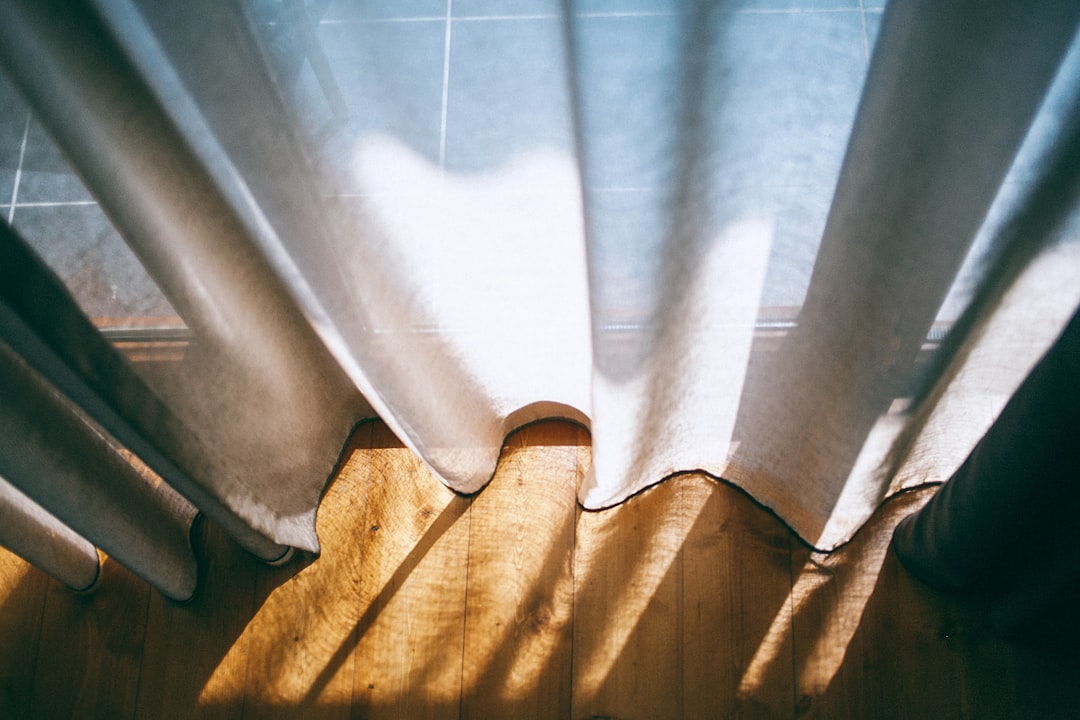
Curtains aren’t just fabric you hang over a window; they’re a key element in making your house feel like a home. They offer privacy, control light, and can dramatically change the feel and style of a room. Think of them as the finishing touch that brings everything together, practical yet profoundly impactful on your living space.
It’s easy to overlook curtains, perhaps seeing them as an afterthought or a purely functional item. But they contribute significantly to the atmosphere and functionality of any room.
Beyond Bare Windows
Bare windows can feel cold and unwelcoming. Curtains instantly add warmth, texture, and a sense of completeness. They soften the hard lines of a window frame and integrate the window into the overall design scheme.
Privacy and Light Control
This is probably the most obvious benefit. Whether you’re in a bustling city or a quiet suburb, curtains give you the power to dictate what’s seen (or not seen) from outside, and how much natural light streams in. From sheer panels that filter light to blackout drapes that offer complete darkness, the control is yours.
Energy Efficiency Benefits
Did you know curtains can actually help with your energy bills? Heavier drapes, especially those with thermal linings, can act as an insulating layer, keeping heat in during winter and out during summer. This subtle feature makes a big difference over time.
If you’re interested in exploring more about the various styles and options available for curtains, you might find this related article on choosing the perfect curtains for your home quite helpful. It provides insights into fabric types, patterns, and how to match curtains with your interior decor. You can read it here: Choosing the Perfect Curtains for Your Home.
Choosing the Right Fabric: A Tactile Decision
The fabric you choose for your curtains will influence everything from their drape and longevity to their light-filtering properties and overall aesthetic. It’s not just about color; it’s about texture and weight too.
Light & Airy Options
If you’re looking to maintain a bright, open feel, lighter fabrics are your go-to.
Sheer Fabrics
Think linen, voile, or lace. These are fantastic for rooms where you want to maximize natural light while still adding a decorative touch and a modicum of privacy. They soften the incoming light, creating a gentle glow.
Cotton & Blends
Cotton is versatile, durable, and comes in a huge range of colors and patterns. It’s relatively easy to care for and offers a good balance of light filtering and privacy without being too heavy. Cotton blends can offer enhanced durability or wrinkle resistance.
Heavier & Insulating Choices
For rooms needing more privacy, light control, or insulation, heavier fabrics are a better fit.
Velvet & Brocade
These fabrics exude luxury and warmth. Velvet has a beautiful sheen and rich texture, perfect for formal living rooms or bedrooms where you want to create a cozy, opulent feel. Brocade offers intricate patterns and a similar level of opulence.
Wool & Tweed
For a rustic or traditional look, wool or tweed curtains are excellent. They offer superb insulation and a wonderful texture. They’re particularly suited for country-style homes or rooms with a more masculine aesthetic.
Blackout & Thermal Linings
Often added as a separate layer, blackout linings completely block light, ideal for bedrooms or media rooms. Thermal linings provide an extra layer of insulation, helping to regulate room temperature and save on energy costs. You can often purchase these as separate liners that attach to existing curtains.
Styles and Headers: The Devil’s in the Details

The style of your curtains and how they connect to the curtain rod (the header) significantly impact their look and functionality.
Eyelet/Grommet
These are modern and clean. Metal rings (grommets) are punched into the top of the curtain fabric, through which the rod passes. This creates large, even pleats that glide easily. They’re great for contemporary spaces and frequent opening/closing.
Pencil Pleat
A classic and versatile choice. A special tape is sewn to the top of the curtain, and cords are pulled to gather the fabric into tight, pencil-like pleats. These are mounted on hooks that then hang from a track or rings on a pole. They work well in both traditional and contemporary settings.
Pinch Pleat
More formal and tailored, pinch pleats are permanently sewn-in pleats, usually in groups of two or three. They create a very structured and elegant look. These also hang from hooks on a track or rings. They’re often favoured for dining rooms or more formal living spaces.
Tab Top & Tie Top
These offer a more relaxed, casual vibe. Tab top curtains have loops of fabric at the top that slide directly onto a curtain rod. Tie top curtains are similar but use ties to attach the fabric to the rod, offering a slightly softer, more romantic look. They’re perfect for bedrooms or informal living areas.
Rod Pocket
A channel is sewn into the top of the fabric through which the curtain rod passes. This creates a gathered, somewhat informal look. It’s often used for lighter curtains or those that aren’t opened and closed frequently, as they can be a bit stiffer to operate.
Measuring Up: Getting it Right the First Time
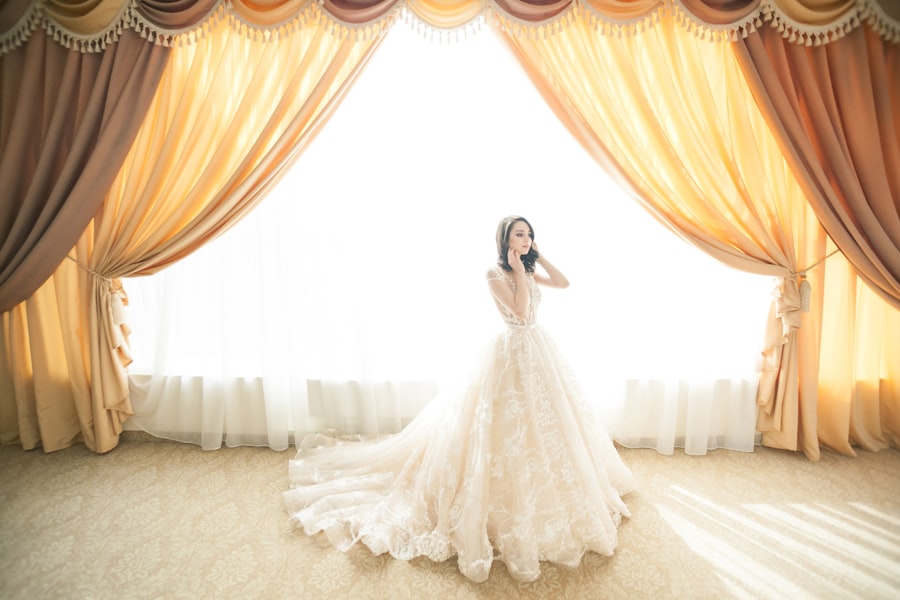
Accurate measurements are crucial for well-fitting curtains. Don’t eyeball it; pull out that tape measure!
Width Considerations
You generally want your curtains to be wider than your window frame to ensure they look full when closed. A common rule of thumb is to measure the width of your window (including any trim or frame you want to cover) and multiply it by 1.5 to 2.5 times. More fabric means a fuller, richer look. For example, if your window is 60 inches wide, you’d want a total curtain width of 90-150 inches. This might mean two panels each 45-75 inches wide.
Length Matters
The length you choose dramatically impacts the style of your room.
Just Skimming the Floor
For a neat, tailored look that is practical for everyday use (and easier to clean!), have your curtains just skim the floor, about 1/2 inch to 1 inch above. This is a very popular and fuss-free option.
Pooling or Puddling
For a more luxurious, romantic, or traditional feel, allow the curtains to “pool” or “puddle” on the floor. This means adding an extra 2-6 inches to the length. The amount of puddle is a personal preference. Just remember, they’ll gather more dust and can be a trip hazard if overdone.
Apron or Sill Length
For kitchens or windows above radiators or furniture, sill-length (stopping at the window sill) or apron-length (extending a few inches below the sill) might be more practical. These are less common for main living spaces but can be highly functional where needed.
Placement of the Curtain Rod
This is a frequently missed detail that can make a huge difference.
High and Wide
Always mount your curtain rod wider than the window frame and higher than the window itself. Aim for at least 4-6 inches wider on each side and 6-12 inches (or even higher, up to crown moulding) above the window frame. This makes the window appear larger and the ceilings seem taller, creating a more expansive feel in the room.
Clearance
Ensure your rod can extend beyond the window opening so that when the curtains are fully open, they clear the window glass, allowing maximum light to enter.
If you’re interested in learning more about the various types of curtains and their benefits, you might find this related article on the importance of choosing the right window treatments quite insightful. It discusses how different fabrics and styles can enhance your home decor while providing functionality. For more details, you can check out the article here.
Installation Tips: Hanging Them Like a Pro
| Product | Color | Material | Size | Price |
|---|---|---|---|---|
| Curtains | Blue | Cotton | 60×84 inches | 29.99 |
| Curtains | Grey | Polyester | 52×96 inches | 24.99 |
| Curtains | White | Linen | 50×84 inches | 34.99 |
Once you’ve chosen and measured, the final step is getting them up correctly. A good installation can elevate even a basic curtain to look custom.
Tools of the Trade
You’ll typically need a drill, level, tape measure, pencil, stud finder (if applicable), and the appropriate screws and anchors for your wall type. Don’t skip the level; crooked curtains are an immediate giveaway.
One Person Can Do It, But Two is Easier
While possible to hang curtains solo, having a second person to hold the rod/curtain and give a second opinion on height/width can save a lot of frustration.
Test Before You Drill
Hold up the rod (and even a curtain panel if you can) where you anticipate drilling. Step back and ensure the height and width look right before making any permanent marks.
The Finishing Touch: Steaming or Ironing
Don’t underestimate the power of a good steam or iron. Curtains, especially new ones, often come with wrinkles from packaging. Pressing them before hanging or steaming them once they’re up makes a world of difference in how they drape and look. A crisp, wrinkle-free curtain looks much more expensive and well-maintained.
Beyond the Basics: Advanced Curtain Considerations
Once you’ve got the fundamentals down, there are other elements to consider that can really take your curtain game up a notch.
Layering Curtains
Combining different types of curtains adds depth, versatility, and increased functionality.
Sheers Under Drapes
This is a classic combination. Hang sheer curtains closest to the window for daytime privacy and light filtering, then layer heavier drapes over them. You can pull back the drapes during the day to let light in through the sheers, and close them for full privacy and blackout effect at night.
Valances, Swags & Pelmets
These decorative toppers sit above the main curtain or window frame. They can conceal hardware, add a touch of formality, or introduce another pattern or texture. Valances are short decorative pieces, swags are draped fabric, and pelmets are rigid, upholstered boxes.
Motorized Curtains
For the tech-savvy or those with hard-to-reach windows, motorized curtains offer ultimate convenience. They can be operated by remote control, smart home systems, or even on a timer. While a bigger investment, they add a touch of luxury and modern functionality.
Custom vs. Ready-Made
The choice between custom and ready-made curtains often comes down to budget, time, and specific needs.
Ready-Made Curtains
These are widely available in standard sizes and a vast array of styles and fabrics. They’re generally more affordable and can be purchased and hung quickly. The drawback is less flexibility in sizing and fabric choice, which might not be ideal for unusually shaped or sized windows.
Custom Curtains
Tailored to your exact specifications, custom curtains offer limitless choices in fabric, style, and size. They fit perfectly, can address unique window challenges, and allow for a truly personalized look. The trade-off is a higher cost and longer lead time. If your budget allows, custom truly elevates your space.
Maintenance and Care: Keeping Them Fresh
Curtains aren’t something you install and forget. A little care goes a long way in keeping them looking their best.
Regular Dusting and Vacuuming
Dust and allergens can accumulate on curtains. Give them a gentle shake or use your vacuum cleaner’s upholstery attachment on a low setting every few weeks to remove surface dust.
Spot Cleaning
For small spills or marks, tackle them immediately with a damp cloth and a mild detergent, testing in an inconspicuous area first. Avoid harsh chemicals that could damage the fabric or color.
Professional Cleaning (When Needed)
Most curtains, especially larger or lined ones, aren’t suitable for machine washing. Depending on the fabric type and room usage, professional dry cleaning every 1-3 years is a good idea to refresh them and remove ingrained dirt or odors. Always check the manufacturer’s care label.
Sunlight Damage
Over time, direct sunlight can fade curtain fabrics. Rotating panels (if possible) or using UV-protective linings can help extend their life and maintain their color vibrancy.
Final Thoughts on Your Window Dressings
Curtains are far more than just practical window coverings; they are an integral part of your home’s aesthetic, comfort, and even efficiency. By giving thoughtful consideration to fabric, style, length, and proper installation, you can transform any room from ordinary to inviting and truly tailored to your taste. Don’t rush this decision; the right curtains will serve you well for years to come.