When choosing window coverings, homeowners face particular opportunities and challenges due to Singapore’s distinctive tropical climate. In HDB apartments, condos, BTOs, and landed properties, controlling the strong sun, high humidity, and guaranteeing privacy are critical. This thorough guide will walk you through the many options, taking into account things like durability, light control, heat mitigation, and integration with contemporary smart home systems. Knowing What You Need: The L. The P.
In M. structure. It’s important to use the L to determine your priorities before diving into particular products. The P.
The M. Framework (Light, Privacy, Mechanism). This methodical approach assists Singaporean homeowners in selecting the best window treatment for the particular needs of each room. Light control: striking a balance between comfort and brightness.
There are advantages and disadvantages to Singapore’s intense sun. Comfort and energy efficiency depend on effective light control. Blackout: Perfect for media rooms, bedrooms, or any area where total darkness is preferred. Blackout blinds or fabrics greatly lessen heat and glare, creating a cooler interior. This is especially helpful for shift workers & people who are sensitive to morning light in Singapore.
Solar/Sheer: These options preserve an outward view by filtering strong UV rays while letting in natural light. They work well in living rooms or study spaces where light is welcome but glare needs to be minimized. Sunscreen mesh materials, which provide UV protection while maintaining the view of your balcony or garden, are a popular option in Singapore. Light Filtering/Standard: These offer a balance between brightness & privacy by allowing light to diffuse more gently without totally obstructing it.
| Types of Window Coverings | Features | Pros | Cons |
|---|---|---|---|
| Curtains | Various fabric options, customizable lengths, light control | Soft, elegant look, good light control | Require regular cleaning, can block views when closed |
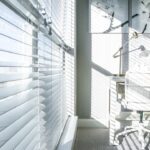
| Blinds | Adjustable slats, easy to clean, modern look | Precise light control, space-saving | Less insulation, can be noisy in the wind |
| Shades | Roller or Roman styles, light filtering or blackout options | Sleek, minimalistic look, good light control | Limited styles, may require professional installation |
| Shutters | Wood or vinyl, adjustable louvers, durable | Classic, timeless look, good insulation | Expensive, limited color options |
They work well in spaces that need to be softened by direct sunlight but still want some natural light. Levels of Privacy: Protecting Your Haven. For many Singaporean homeowners, privacy is a major concern, especially in HDBs and condos where living close to neighbors is typical.
Total Privacy: Day or night, completely opaque curtains or blinds guarantee that no one can see inside your house. Complete privacy is a natural feature of blackout options. Daytime Privacy: During the day, options such as solar blinds or sheer curtains mostly block out vision from the outside while allowing some visibility from the inside out. However, they provide little privacy when interior lights are on at night. Adjustable Privacy: Venetian blinds provide flexible privacy control by allowing you to angle them to block views while allowing light & airflow thanks to their adjustable slats.
Mechanism: Usability and practicality. Your window coverings’ usability & safety are determined by the operating mechanism. Manual: Conventional corded or wand-operated systems are dependable & economical.
However, cord safety devices should be taken into account for households with small children or pets. Unmatched convenience is provided by motorized curtains and blinds, which can be operated with a wall switch, remote control, or even a smartphone app. Large windows, difficult-to-reach places, and a smart home ecosystem all benefit from this. Examining Typical Window Coverings for Singaporean Residences. There are many different window coverings available to Singaporean homeowners, each with unique benefits and drawbacks specific to the local environment and way of life.
Curtains: Classic Style and Adaptability. Curtains continue to be a timeless option because they provide softness, sound absorption, and a range of aesthetic choices. Advantages: Excellent heat and sound insulation, a variety of textiles and patterns, and the ability to be layered for flexible light and privacy control.
For improved durability against Singapore’s humidity, polyester blends and high-thread-count cottons are advised. Cons: They can attract dust, take more work to clean (heavy drapes usually need professional cleaning), and look heavy in smaller HDB or condo spaces. Room-Based Use Cases. Bedrooms: For a restful night’s sleep in Singapore, blackout curtains with a thermal lining work well at keeping the temperature cool & blocking morning sunlight. Living rooms: Sheer curtains, which are frequently combined with thicker drapes for evening privacy and an opulent atmosphere, can diffuse harsh sunlight while preserving brightness.
Dining areas: Without compromising natural light, light-filtering curtains can create a welcoming atmosphere. The price range for each window in Singapore is SGD$150 to SGD$800+, depending on the fabric, size, and customization. Maintenance: Professional cleaning every one to two years, as well as routine vacuuming with an upholstery attachment. cleaning small stains on the spot.
Lifespan: 5–10 years, depending on sun exposure and fabric quality. Roller blinds: elegant simplicity and practicality. Because of their simple lines, roller blinds are a modern, minimalist choice that is very popular in Singaporean homes today.
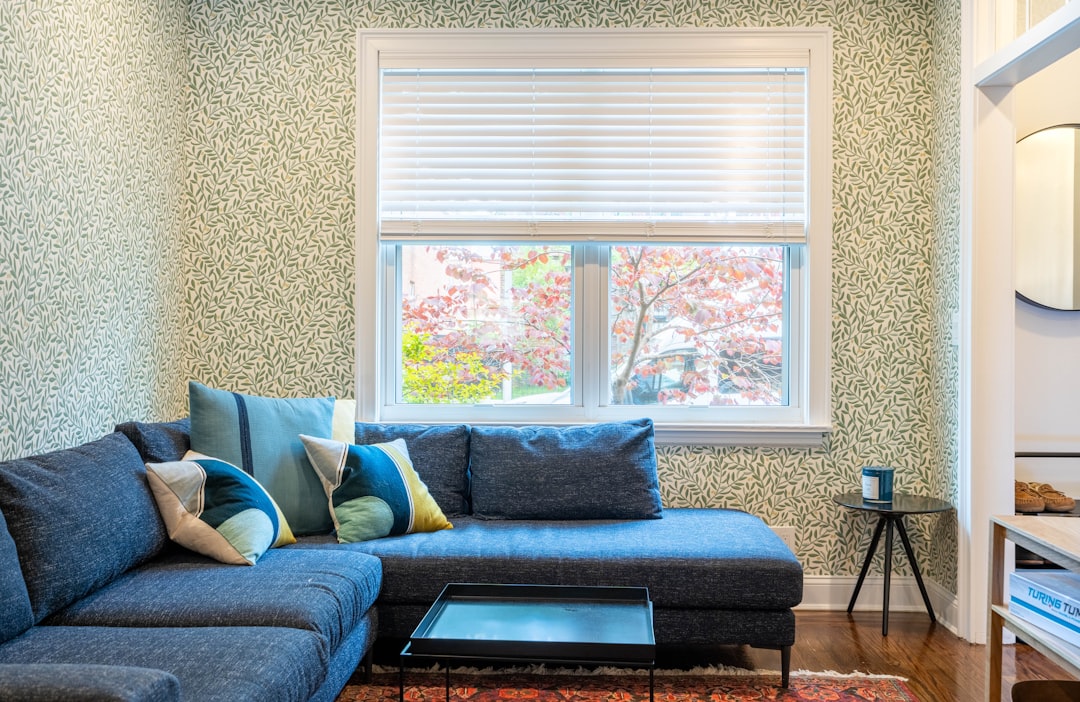
Advantages: It saves space, is simple to use, and comes in a variety of textiles, such as blackout, light-filtering, and sunscreen mesh. When it comes to blocking UV rays on balconies without sacrificing the view, sunscreen mesh is especially effective. PVC roller blinds and other moisture-resistant options work great in bathrooms and kitchens. Cons: Not as flexible in controlling light as Venetian blinds or curtains (it can be partially or fully up or down). In blackout versions, side gaps may permit light leakage if they are not installed carefully.
Room-Based Use Cases. Bedrooms: Blackout roller blinds with side channels are great for totally blocking out light, which is essential for restful sleep. Kitchens and bathrooms: PVC roller blinds are useful for humid environments because they are easy to clean & resistant to moisture. Sunscreen roller blinds offer UV protection and glare reduction in living rooms & study spaces while preserving external visibility.
Depending on the fabric & size, each window can cost anywhere from SGD$80 to SGD$400+ in Singapore. Maintenance: Use a moist cloth to clean; vacuum frequently to get rid of dust. Lifespan: 5–8 years, depending on mechanism and fabric quality. Venetian blinds offer traditional control and longevity.
Venetian blinds’ horizontal slats can be adjusted to provide excellent light and privacy control. Given Singapore’s climate, aluminum Venetian blinds are an especially good option. Advantages: Excellent light and privacy control, long-lasting, moisture-resistant (particularly for aluminum and imitation wood), and simple to maintain. Kitchens and bathrooms can benefit from the high humidity resistance of aluminum types.
Cons: Compared to roller blinds, slats may need more frequent cleaning due to dust accumulation. When hit by strong winds, it can be noisy. Room-Based Use Cases. Aluminum Venetian blinds are perfect for kitchens and bathrooms because they are easy to clean and resistant to moisture. Offices/Studies: Provide accurate control over screen glare while letting in natural light.
Living rooms: They can offer varying levels of privacy and a sleek, contemporary appearance. The price range for each window in Singapore is between SGD$100 & SGD$500+, depending on the size and type of material (faux wood, aluminum). Maintenance: Use a duster or moist cloth to dust on a regular basis. Aluminum has a lifespan of 8 to 15 years, depending on usage.
Extending Your Living Space with Outdoor and Zip Blinds. Zip blinds and other outdoor blinds are revolutionary for homeowners with patios or balconies because they provide glare, rain, and heat protection. In Singaporean condos and landed homes with outdoor spaces, these are becoming more and more common. Advantages include the creation of an all-weather outdoor area, superior heat and sun control, privacy, protection from insects and rain, and an increase in usable square footage.
In particular, zip blinds provide excellent wind resistance & a sleek look. Cons: Requires professional installation, has a higher initial cost, and may require more thorough cleaning because of exposure to the elements. Room-Based Use Cases. Condo and landed balconies and patios provide a cozy, enclosed outdoor living space that is ideal for entertaining or unwinding even in the rain. shields furniture from light and precipitation. Carports and pergolas: Provide weather protection and shade for cars or outdoor events.
Climate Considerations: Because of Singapore’s high humidity and frequent rainfall, materials must be UV-stabilized and resistant to mold, mildew, and corrosion. For increased durability, marine-grade components are frequently utilized. Cost Range (Singapore): SGD$800 – SGD$3,000+ per panel, depending on size, material, and motorisation. Maintenance: To avoid mold, wash frequently using a hose and mild soap, making sure to dry completely. Periodically check the smooth operation of the mechanisms.
Lifespan: five to ten years, depending on exposure, upkeep, & material quality. Automated Blinds and Curtains for Smart Home Integration. Motorized blinds and curtains are becoming more popular among Singaporean homeowners seeking improved security, energy efficiency, & convenience in the age of smart living.
Automation’s Allure for Singaporean Homes. Convenience: For large windows, high ceilings, or multi-window HDB units, operate curtains and blinds with a single button press, voice command, or pre-programmed schedules. Energy Efficiency: To cut down on heat gain and air conditioning expenses, schedule blinds to close during the hottest parts of the day. In order to promote natural ventilation, open them at night.
In Singapore, this proactive heat management is extremely beneficial. Security: Schedule blinds to open & close at different times to give the impression of occupancy while you’re away, discouraging potential intruders. Accessibility: Perfect for people who have trouble moving around. various forms of motorization.
Wired Systems: Usually incorporated during construction or significant renovations, these systems provide dependable power. Battery-operated systems need to be recharged or replaced, but they are more adaptable for retrofitting. Solar-Powered Options: Making use of Singapore’s plentiful sun, these options are environmentally friendly for outdoor blinds or windows with lots of sun exposure. Smart Home Ecosystem Integration.
It is possible to integrate motorized systems with widely used smart home platforms (e.g. A g. Google Home, Apple HomeKit, and Amazon Alexa), enabling smooth control in conjunction with other smart devices. Imagine your motorized blinds closing when your thermostat senses an increase in interior temperature, or your motorized curtains opening on their own when your alarm goes off. Cost Range (Singapore): Depending on the type and brand of motor, an additional SGD$300 to SGD$1,000+ is added to the cost of the curtain or blind.
Installation fees might differ. Maintenance: Very little; makes sure motors are clear of obstructions and batteries are charged, if necessary. Lifespan: Depending on quality & frequency of use, motors normally last five to ten years. Singaporean Cost Ranges & Long-Term Value.
Purchasing window coverings is a crucial choice for any Singaporean residence. Considering long-term value, durability in the local climate, and energy savings is crucial, even though initial costs vary. Low-cost options include standard curtains (polyester) & roller blinds (non-blackout). Mid-Range: High-quality fabric curtains, aluminum Venetian blinds, and blackout roller blinds.
Premium: High-quality outdoor blinds, motorized blinds and curtains, zip blinds, and custom-made curtains with premium fabrics. Keep in mind that personalization, unique features (e.g. A g. Professional installation, side channels, thermal lining, and other factors will affect the final cost.
To make sure your investment withstands Singapore’s heat and humidity, pay attention to durability and climate-appropriate materials. Installation Advice for the Best Results. For your window coverings to look good and work well, proper installation is essential. Inside Mount: Measure the window frame’s width and height at three points each (top, middle, & bottom) for a neat, recessed appearance. To guarantee a good fit, use the narrowest width & height measurements.
Make sure there are no obstructions, such as casement hinges or window handles. Outside Mount: Adjust the measured dimensions by 50–100mm on each side and above the window frame to maximize light block and coverage. In addition to reducing light leakage, this overlap gives windows a larger appearance. Make sure you have space from other wall fixtures and air conditioners.
Examine for Obstructions: Before placing your order, make sure to look for any projections that might prevent your selected window covering from working, such as window grills, air conditioners, or handles. In HDB and BTO apartments, where space may be scarce, this is particularly crucial. Durability & Climate Issues.
The tropical weather of Singapore presents special difficulties for window coverings. Excessive heat, strong UV rays, & widespread humidity can cause mold growth, warping, and early fading. The choice of materials.
For curtains, it is advised to use blends of polyester, high-thread-count cotton, and linen-cotton with UV-stable dyes. Steer clear of highly organic materials or delicate silks that are prone to mildew. Because they can tolerate high humidity and are resistant to moisture, aluminum, PVC, and faux wood are great materials for blinds. Sunscreen meshes are made to withstand deterioration & block UV rays.
To withstand severe weather, mold, and corrosion, outdoor blinds must be constructed from marine-grade, UV-stabilized materials & parts. To prevent mold & mildew, make sure there is adequate ventilation, particularly in kitchens & bathrooms. Choose materials that are either treated to prevent the growth of mold or are naturally resistant. It can be beneficial to clean windows frequently & make sure the coverings are completely dry before closing them. Heat Resistance: Heat transfer is greatly reduced by blackout & thermal-lining fabrics, which helps to create a cooler interior and lessen the need for air conditioning.
Maintenance Advice for Extended Life. In Singapore’s harsh climate, routine and proper maintenance can greatly increase the lifespan of your window coverings. The curtains. Frequent Dusting: Vacuum every week or every two weeks using an upholstery attachment. Washing: Examine care labels. While heavier curtains typically need to be professionally dry cleaned every one to two years, some light curtains can be machine washed.
Spot Cleaning: Use a damp cloth and a mild detergent to quickly remove stains. Blinds that roll. Dusting: Regularly vacuum or use a gentle, dry cloth to clean.
Cleaning: Use a moist cloth and a small amount of soap to remove stains. A thorough wipe-down is adequate for PVC or waterproof materials. The Venetian Blinds. Dusting: Wipe each slat using a moist cloth or a duster made especially for blinds.
Deep Cleaning: Remove the blinds and wash them in a bathtub with mild soap and water to get rid of stubborn dirt. Make sure they are completely dry before hanging them again. Outdoor blinds and zip blinds. Hosing Down: To get rid of dust, pollen, and light dirt, rinse frequently with a garden hose. Washing: Use a gentle brush & a mild soap solution for more deeply embedded dirt, then give it a good rinse.
To avoid mildew, make sure the blind is completely dry before retracting it. Mechanism Check: To guarantee smooth operation, periodically check the tracks and motor (if motorized) for any debris or obstacles. Singaporean window coverings’ lifespan. Depending on factors like material quality, sun and humidity exposure, frequency of use, and maintenance, window coverings’ anticipated lifespan can vary greatly. Curtains: 5 to 10 years (better fabrics may last longer, especially with proper care).
5-8 years for roller blinds. Materials that are exposed to strong, direct sunlight may deteriorate more quickly.
Venetian blinds made of aluminum & faux wood have an 8–15 year lifespan. If wooden blinds are not properly treated or maintained in humid environments, they may be prone to warping. Given their continuous exposure to the weather, outdoor blinds (zip blinds) have a lifespan of five to ten years. Two important factors are the quality of the hardware and fabric.
Motorized Components: The average lifespan of a motor is five to ten years. In addition to improving the aesthetics of their HDB, condo, BTO, or landed home, Singaporean homeowners can choose window coverings that will help them manage heat, sun, humidity, and privacy for years to come by carefully weighing these factors and making educated decisions.
.
FAQs
1. What are the different types of window coverings available for Singapore homes?
There are various types of window coverings available for Singapore homes, including curtains, blinds, shades, and shutters. Each type offers different levels of light control, privacy, and aesthetic appeal.
2. What factors should be considered when choosing window coverings for Singapore homes?
When choosing window coverings for Singapore homes, factors to consider include the level of privacy and light control needed, the size and shape of the windows, the overall interior design style, and the budget for the window coverings.
3. How do window coverings contribute to energy efficiency in Singapore homes?
Window coverings can contribute to energy efficiency in Singapore homes by providing insulation against heat and cold, reducing the need for air conditioning and heating, and ultimately lowering energy bills.
4. What are the popular materials for window coverings in Singapore?
Popular materials for window coverings in Singapore include fabric for curtains, wood, faux wood, and aluminum for blinds, and various types of fabric and natural materials for shades and shutters.
5. Are there any regulations or guidelines for window coverings in Singapore homes?
In Singapore, there are regulations and guidelines for window coverings, particularly for safety measures such as cordless options for blinds and shades to prevent accidents, especially in homes with young children or pets.