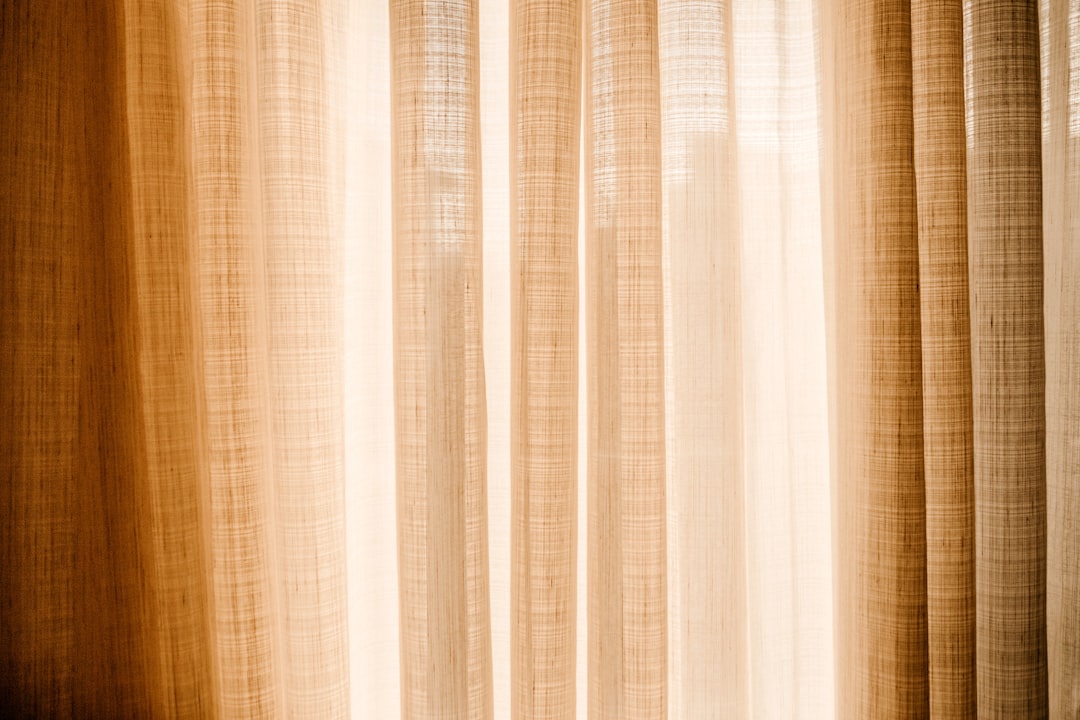
Let’s talk about window curtains! They’re more than just fabric hanging in a window. They can completely transform the feel of your home, adding style, privacy, and even practical benefits. So, how do you pick curtains that actually enhance your living space without making it feel busy or overwhelming? It all comes down to understanding your needs and the impact different curtain styles can have.
Function First: What Do You Actually Need Your Curtains To Do?
Before we even start thinking about pretty patterns and lush fabrics, let’s get real. What’s the primary job you want these curtains to do? This is the foundation of your decision-making process.
Light Control: From Bright and Airy to Cozy and Dim
The amount of natural light you want in a room is a huge factor. Think about how you use the space throughout the day.
Blackout Curtains: For True Darkness
If you’re serious about blocking out light, blackout curtains are your best friend. They’re essential for bedrooms, especially if you’re a light sleeper or have a room that gets a lot of morning sun. They can also be brilliant for home theaters or media rooms where you want to create a cinema-like experience. Don’t worry, blackout doesn’t automatically mean boring. You can find them in a huge range of colors and textures these days, so you don’t have to sacrifice style for darkness.
Room Darkening Curtains: A Softer Approach
These are a step down from blackout. They’ll significantly reduce light, making a room feel much dimmer and more comfortable, but they won’t completely extinguish the light. They’re a great option for living rooms or dining rooms where you might want to cut glare during the day but don’t need complete darkness. They’re also good for nurseries or children’s bedrooms where you want to encourage napping without making the room pitch black.
Light Filtering Curtains: Gentle Diffusion
Light filtering curtains are designed to soften and diffuse incoming sunlight. They let in enough light to keep a room feeling bright and airy, but they take the harsh edge off direct sun. This is perfect for living areas where you want natural light, but don’t want to be squinting at your TV or having your plants scorched. They offer a good balance between privacy and light.
Sheer Curtains: Almost Transparent
Sheers are all about privacy without blocking light. They offer a delicate barrier between your home and the outside world, mostly obscuring direct views while allowing plenty of natural light to stream in. They’re fantastic for adding a layer of softness and elegance to a room, and can be used on their own or layered with heavier curtains for a more versatile look.
Privacy Needs: Keeping Prying Eyes Out
Beyond light, privacy is a major concern. How much do you need to shield your internal activities from view?
Maximizing Privacy with Heavier Fabrics
If privacy is your top priority, opt for thicker, more opaque fabrics. Materials like velvet, chenille, or dense weaves will offer excellent coverage. You can also choose curtains with a lining, which adds an extra layer of opacity and can also improve insulation.
Translucent Options for Partial Privacy
Even if you’re not aiming for total obscurity, you might want to deter casual glances. Some fabrics are naturally more translucent. Think about linen blends or certain cotton weaves. They offer a degree of privacy without making the room feel enclosed.
Insulation and Energy Efficiency: More Than Just Aesthetics
Curtains can play a surprising role in keeping your home comfortable and saving you money on energy bills.
Blocking Drafts and Heat
Thicker, lined curtains can act as a barrier against both cold drafts in winter and heat gain in summer. This can make your rooms feel more comfortable year-round and reduce the workload on your heating and cooling systems.
Thermal Linings for Enhanced Performance
Many curtains come with integrated thermal linings, or you can have them added. These linings are specifically designed to improve the insulating properties of your curtains, making them an effective tool for energy efficiency.
If you’re looking to enhance the aesthetic appeal of your windows, you might find our article on choosing the perfect curtains for your home quite helpful. It provides insights into various styles, fabrics, and colors that can complement your interior design. You can read more about it here: Choosing the Perfect Curtains for Your Home.
Choosing the Right Fabric: Texture, Drape, and Durability
The material your curtains are made from will significantly impact their look, feel, and how they hang.
Natural Fibers: Timeless Appeal and Breathability
Natural fibers often bring a sense of warmth and authenticity to a room.
Cotton: Versatile and Easy to Care For
Cotton is a workhorse fabric for curtains. It’s breathable, comes in a vast array of weaves and colors, and is generally easy to clean. From crisp voiles to heavier canvas, cotton offers a lot of options. Be aware that some lighter cottons can fade in direct sunlight over time, so consider lining them if your windows get a lot of sun.
Linen: Casual Elegance and Natural Texture
Linen curtains have a beautiful, relaxed elegance. They possess a lovely texture that adds depth and character to a room. Linen drapes well and has a slightly rumpled look that many find charming. It’s also quite durable. However, linen can wrinkle easily and is prone to sun fading, so again, consider lining for longevity.
Velvet: Luxurious Feel and Light Absorption
Velvet exudes luxury and sophistication. It has a wonderful texture that absorbs light beautifully, creating a rich, deep effect. Velvet curtains are excellent for sound dampening and can add a cozy, opulent feel to a bedroom or living room. Due to its plush pile, velvet can be a bit more work to clean and may show indentations from being folded.
Synthetic Fibers: Durability and Performance
Synthetics often offer advantages in terms of resilience and ease of care.
Polyester: Budget-Friendly and Resilient
Polyester is a very common curtain fabric, and for good reason. It’s durable, resists wrinkles, doesn’t fade easily, and is generally affordable. It can mimic the look of natural fibers quite well and is often used in blends to enhance their performance.
Blends: The Best of Both Worlds
Many curtains are made from blends of natural and synthetic fibers. For example, a cotton-polyester blend can offer the breathability and feel of cotton with the wrinkle resistance and durability of polyester. These blends are often a smart choice for balancing aesthetics and practicality.
Specialty Fabrics: Adding Unique Flair
Beyond the common options, there are fabrics that offer specific benefits or a distinct look.
Silk: Ultimate Luxury (with Caveats)
Silk curtains are the epitome of luxury. They have a beautiful sheen and drape exquisitely. However, they are delicate, expensive, and highly susceptible to sun damage. If you love the look of silk, it’s often best to use them in rooms with less direct sunlight or opt for a silk blend or a high-quality faux silk for a more practical solution.
Outdoor Fabrics: For Sunrooms and Covered Patios
If you’re decorating a sunroom or a covered outdoor living space, you’ll need curtains made from fabrics designed to withstand the elements. These are usually weather-resistant and UV-safe.
Style and Design: Making a Visual Statement
Once you’ve sorted out function and fabric, it’s time to have some fun with style. This is where curtains can really elevate your home’s aesthetic.
Curtain Styles: Beyond the Basic Drape
The way your curtains are constructed and hung can dramatically alter their impact.
Grommet Curtains: Modern and Easy to Operate
Grommets are metal rings that are punched into the top of the curtain panel. They create neat, uniform pleats and allow the curtains to slide open and shut very smoothly. This style is very popular for a contemporary look and is easy to manage.
Rod Pocket Curtains: Classic and Simple
Rod pocket curtains have a channel sewn into the top where you slide the curtain rod. This creates a gathered, more traditional look. They are generally inexpensive and a good choice for casual settings. Keep in mind they can be a bit trickier to open and close smoothly.
Pleated Curtains: Formal and Tailored
There are several types of pleats, such as pinch pleats, box pleats, and pencil pleats. These add a more formal, tailored appearance to curtains. They are often used in more traditional or elegant settings and require specific curtain rods and hooks.
Tab Top Curtains: Casual and Relaxed
Tab top curtains have loops of fabric at the top that slip over the curtain rod. This creates a more casual, relaxed feel. They’re simple and easy to hang, making them a good choice for bedrooms or playrooms.
Pattern and Color: Injecting Personality
This is where you can really let your personal style shine.
Bold Patterns: For a Statement
Don’t be afraid of patterns! A bold patterned curtain can be the focal point of a room, bringing energy and personality. Consider the scale of the pattern in relation to your room. A large pattern can make a small room feel even smaller, while a tiny pattern might get lost in a large space.
Subtle Textures and Neutrals: For Understated Elegance
If bold patterns aren’t your style, focus on texture and subtle color variations. A beautiful weave in a cream or grey can be just as impactful as a vibrant print. Neutrals are incredibly versatile and can create a calm, sophisticated atmosphere.
Color Coordination: Creating Harmony
When choosing colors, think about your existing decor. You don’t need to match your curtains exactly to your walls or sofa, but aim for colors that complement your palette. You can pick out accent colors from artwork or rugs, or choose a neutral that bridges your existing colors.
Length and Width: Getting the Fit Right
The correct length and width are crucial for both aesthetics and functionality.
Measuring for the Perfect Length
- Floor-to-ceiling: For a grand, dramatic look and to make ceilings appear higher. Measure from the rod to the floor.
- Just touching the floor: A common and elegant choice. Measure from the rod to about 1/2 inch above the floor.
- “Puddling” on the floor: For a romantic, luxurious feel. Add an extra 3-6 inches to your floor measurement. Be mindful that this can create a tripping hazard and attract dust.
- Window sill length: Best for kitchens or areas where puddling is impractical. Measure from the rod to the windowsill.
Ensuring Adequate Width
Curtains should be at least 1.5 to 2 times the width of your window to allow for proper fullness when closed. Too-narrow curtains will look skimpy and won’t provide adequate coverage. Measure your window and multiply by that factor, then select curtains that come close to that width.
Hanging Techniques: The Devil is in the Details
How you hang your curtains can make a world of difference to how they look and function.
Rods and Hardware: The Supporting Cast
The curtain rod and finials are more than just functional; they’re part of the overall design.
Choosing the Right Rod
- Material: Brass, iron, wood, and brushed nickel are common choices, each offering a different aesthetic.
- Diameter: A thicker rod can support heavier drapes and looks more substantial. A thinner rod is often suitable for lighter sheers.
- Length: Ensure the rod extends beyond the window frame on both sides to allow the curtains to be pulled fully open, revealing the entire window.
Finials and Brackets: The Finishing Touches
Finials are the decorative caps on the ends of the rod, while brackets hold the rod to the wall. They come in countless styles, from simple balls to ornate designs, and can add a subtle or significant decorative element.
Hanging Height and Placement: Instant Elevation
Where you position your rod can trick the eye.
Hanging the Rod High
Mounting your curtain rod several inches above the window frame, almost to the ceiling line, can make your windows appear taller and your ceilings higher, giving your room a more luxurious and spacious feel.
Extending the Rod Wide
Extending the curtain rod well beyond the width of the window frame on either side allows you to completely clear the glass when the curtains are open. This maximizes natural light and makes the window appear larger.
When considering the perfect window treatments, the choice of curtains can significantly enhance the overall aesthetic of your space. For those looking to explore various options and styles, a related article can provide valuable insights into selecting the right curtains for your home. You can find more information in this helpful guide, which discusses different materials, patterns, and designs that can complement your interior decor beautifully.
Layering Curtains: Depth, Versatility, and Style
Layering your curtains is a fantastic way to add both visual interest and practical flexibility.
Combining Textures and Opacities
This is where you can get creative!
Sheers with Drapes: The Classic Combination
A popular and effective layering technique is to pair sheer curtains underneath heavier drapes. The sheers provide a soft filter for light and a degree of privacy when the drapes are open. The drapes offer the ability to block light, provide privacy, and add insulation when closed. This gives you a lot of control over the ambiance of your room.
Using Different Colors and Patterns
Don’t be afraid to mix and match! You could have a neutral sheer with a patterned or colored drape, or vice versa. Just ensure the colors and patterns play nicely together and don’t clash. Consider one layer as the primary visual element and the other as a supporting player.
Maximizing Light and Privacy Control
Layering offers a dynamic solution for your window needs.
Daytime Privacy with Sheers
During the day, you can keep the heavy drapes pulled back and rely on the sheers for daytime privacy. This allows maximum natural light to enter the room while keeping unwanted eyes out.
Complete Darkness with Drapes
When you need darkness for sleeping or to eliminate glare, simply close the heavier drapes. This provides the light-blocking and insulating benefits of the outer layer.
By considering these points, you can move beyond just buying fabric and start curating window treatments that truly enhance your home. It’s about finding that sweet spot between what looks good and what actually works for your lifestyle.