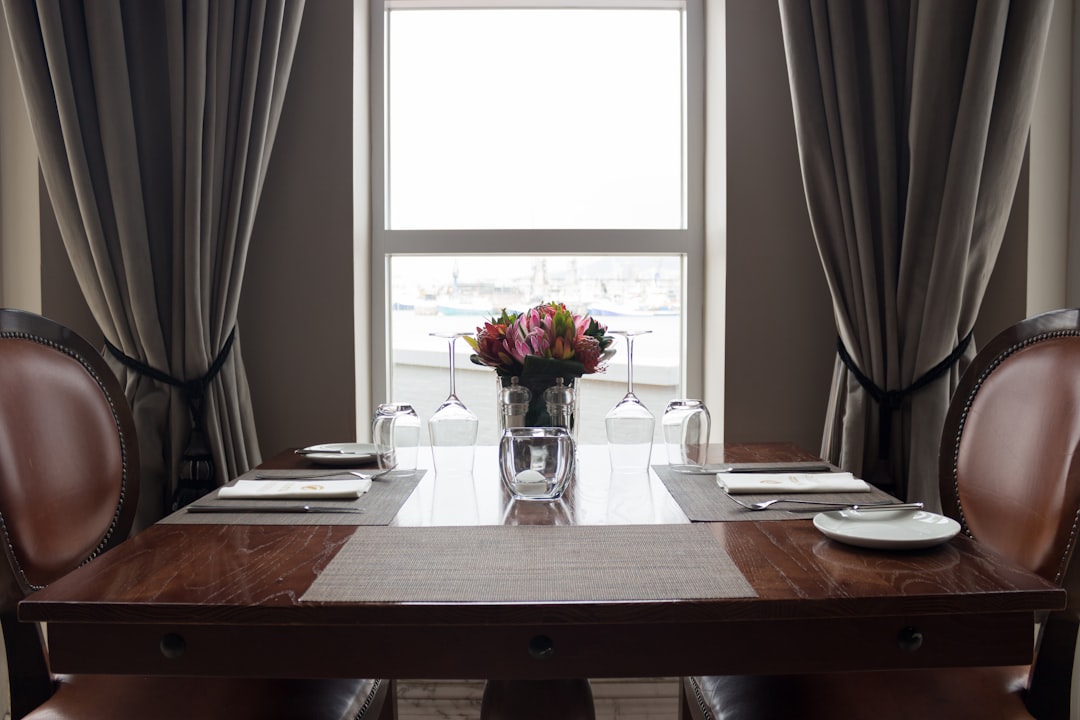
Let’s talk curtains and sheers! Picking the right ones for your home can seem like a big decision, but it doesn’t have to be stressful. Essentially, the “perfect” choice boils down to balancing functionality with style to create the atmosphere you want in each room. Think about what you need the curtains to do – privacy, light control, insulation – and then consider how you want them to look and feel.
Understanding the Basics: Curtains vs. Sheers
Before we dive into making a specific choice, it’s good to get our heads around what each one actually is and what they’re good for. They often work together, but they have distinct roles.
What are Curtains?
Curtains are your workhorses when it comes to light control, privacy, and even insulation. They are the heavier, more substantial window coverings.
Different Fabric Weights and Opacities
When we say “curtains,” we’re talking about a broad category, and the fabric is key.
- Light Filtering: These curtains block some light and offer privacy, but you’ll still get a soft glow through them. Think of linen blends or lighter cottons. They’re great for living rooms or dining rooms where you want some light during the day but still need to feel secluded.
- Room Darkening: These are a step up. They’ll significantly reduce light, making them ideal for bedrooms or media rooms. They’re often made from denser weaves or have a special lining.
- Blackout: The ultimate light blockers. If you need absolute darkness, these are your go-to. They’re essential for nurseries, light-sensitive sleepers, or if you have a home theater setup. They typically have a very dense fabric or a special blackout lining.
Purpose-Driven Curtain Choices
Think about the primary job you want your curtains to do.
- Privacy: If your windows face a busy street or a nosy neighbor, privacy is paramount. Opt for thicker fabrics or those with a darker hue, as lighter colors can sometimes be more sheer.
- Light Control: This is where the different opacities come into play. Do you want to diffuse harsh sunlight, block it out completely, or just reduce glare?
- Insulation: Curtains can actually help keep your home warmer in the winter and cooler in the summer. Thicker, lined curtains are best for this. They create an extra barrier against temperature changes.
What are Sheers?
Sheers are all about softness, light, and adding a touch of elegance. They’re the delicate scarves of the window dressing world.
The Role of Sheers in a Room
Sheers aren’t usually chosen for heavy-duty light blocking or privacy. Their strengths lie elsewhere.
- Diffusing Light: They take harsh sunlight and turn it into a soft, diffused glow. This can make a room feel airy and more inviting, even on the brightest days.
- Adding Texture and Layering: Sheers can add a subtle layer of texture and visual interest without overpowering your decor. They can be a great way to soften the look of harder window treatments or other fabrics in the room.
- Minimal Privacy: While they offer some level of privacy during the day by obscuring views into your home, they are generally not effective at night when lights are on inside.
When to Use Sheers (and When Not To)
Consider the practicalities for each room.
- Ideal for: Living rooms, dining rooms, bedrooms where you want a light, airy feel and don’t need complete darkness or absolute privacy at night. They also work well layered with heavier curtains.
- Less ideal for: Bathrooms or bedrooms where you need maximum privacy, or rooms that get very direct, harsh sun if you’re not layering them with another treatment.
If you’re looking to enhance the ambiance of your bedroom while also improving your sleep quality, you might find this article on bedroom curtains particularly insightful. It discusses how different types of curtains can create a more restful environment by blocking out light and reducing noise. To learn more about this topic, you can read the full article here: Bedroom Curtains That Improve Sleep Quality.
The Power of Layering: Curtains and Sheers Together
Honestly, one of the most effective (and stylish) ways to dress a window is to use both curtains and sheers. This gives you the best of both worlds.
The Benefits of Layering
You get flexibility and a more sophisticated look.
- Versatility: You can have the light-diffusing softness of the sheers on their own during the day, and then close the heavier curtains at night for privacy and darkness.
- Enhanced Aesthetics: Layering adds depth and dimension to your window treatment. It makes the window feel more finished and deliberate.
- Improved Insulation: Two layers of fabric generally offer better insulation than one.
How to Layer Effectively
It’s not just about throwing two things on a rod.
- Hardware is Key: You’ll typically need a double curtain rod. The sheers will hang on the inner rod, and the curtains on the outer rod. This allows you to operate them independently.
- Fabric Contrast: Consider how the fabrics will look together. A crisp linen sheer might pair beautifully with a velvet curtain, for example. Or a sheer with a subtle pattern against a solid, textured curtain.
- Heading Styles: The way the fabric hangs on the rod (the heading style) also matters. Grommets, pleats, rod pockets – they all create a different look and feel for both the sheer and the curtain.
Choosing the Right Fabric for Your Lifestyle
This is where practicality really kicks in. The material of your curtains and sheers will impact their look, feel, durability, and how easy they are to care for.
Popular Curtain Fabrics and Their Pros/Cons
Let’s break down some common choices.
- Cotton: A natural, breathable fabric that’s versatile and comes in many weights.
- Pros: Easy to clean, widely available, affordable, good for many styles.
- Cons: Can fade in direct sunlight, prone to wrinkling, may shrink if washed improperly.
- Linen: Known for its natural texture and elegant drape.
- Pros: Looks sophisticated, breathable, drapes beautifully.
- Cons: Wrinkles easily, can be more expensive, needs delicate care, may fade in intense sun.
- Polyester: A synthetic fabric that’s durable and low-maintenance. Often blended with natural fibers.
- Pros: Durable, wrinkle-resistant, fade-resistant, easy to wash and dry, affordable.
- Cons: Can sometimes look less natural or luxurious than cotton or linen, doesn’t breathe as well.
- Velvet: Luxurious and offers excellent insulation and light blocking.
- Pros: Rich texture, excellent at blocking light and sound, adds a sense of drama and luxury.
- Cons: Can be heavy, expensive, attracts dust and pet hair, requires professional cleaning.
- Silk: The epitome of luxury, but demanding.
- Pros: Beautiful sheen, drapes exquisitely.
- Cons: Very expensive, extremely delicate, prone to sun damage and water stains, requires professional cleaning.
Popular Sheer Fabrics and Their Characteristics
Sheers are generally lighter in weight.
- Voile: A lightweight, finely woven cotton or cotton-polyester blend with a crisp feel.
- Pros: Airy, lets in a lot of light, inexpensive.
- Cons: Can wrinkle, offers minimal privacy.
- Organza: A crisp, transparent fabric often made from silk, polyester, or nylon, with a stiff sheen.
- Pros: Very sheer, holds its shape well, adds a formal touch.
- Cons: Can be scratchy, tears easily, not suitable for all decor styles.
- Lace: Offers beautiful patterns and a romantic feel.
- Pros: Decorative, allows plenty of light through, adds a vintage or romantic charm.
- Cons: Offers almost no privacy, can snag easily, requires delicate washing.
- Chiffon: A lightweight, sheer fabric with a soft, flowing drape. Often made from silk or polyester.
- Pros: Beautifully drapes, very soft and airy, modern feel.
- Cons: Very delicate, offers minimal privacy.
Measuring for the Perfect Fit
This is crucial. Curtains that are too short, too long, too wide, or too narrow just won’t look right, no matter how beautiful they are. Get this step right, and you’re halfway there.
How to Measure the Width
You need to account for the rod and how much fullness you want.
- Measure Your Rod: Start by measuring the length of your curtain rod. This is the distance from finial to finial (the decorative ends).
- Account for Fullness: For a standard, pleasing look, you generally want your finished curtain width to be about 1.5 to 2 times the width of your rod. This ensures the curtains have enough fabric to hang in pleats and waves when closed, rather than looking flat and stretched.
- How to Calculate: If your rod is 60 inches, you’d ideally want your finished panel width to be around 90-120 inches total. This means if you’re buying pre-made panels, you might need two panels for a single window to achieve adequate fullness. Custom curtains allow for precise width calculations.
How to Measure the Length
This is where many people go wrong. The length can dramatically change the feel of your room.
- Consider the Rod Placement: Measure from where you want the curtain to hang (usually the top of the rod) down to your desired endpoint.
- Standard Lengths:
- Just Above the Floor (Puddle): For a formal, romantic look, curtains can extend 4-8 inches longer than needed to just kiss the floor. This creates a soft “puddle” of fabric. This works best with heavier fabrics and in rooms where the curtains won’t be opened and closed frequently.
- Kissing the Floor: This is the most common and generally safest length. Measure from the rod to about 1/2 inch above the floor. It looks neat and tidy.
- Above the Sill: For windows where you don’t want curtains pooling on the floor (like in a kitchen or high-traffic area), measure to just below the windowsill. This is often called a “cafe” or “sill” length.
- Use a Metal Tape Measure: They are more accurate for this kind of measurement.
When considering the perfect window treatments for your home, it’s essential to explore various options that complement your style and functionality needs. Curtains and sheers can create a beautiful ambiance while providing privacy and light control. For those living in tropical climates, understanding how different materials and designs perform is crucial. You might find it helpful to read about the benefits of Venetian blinds in such environments by checking out this informative article on Venetian blinds. This resource can guide you in making the best choice for your living space.
Hanging Your Curtains: Rods, Rings, and Techniques
The way you hang your curtains matters as much as the curtains themselves. The hardware and the technique contribute to the overall aesthetic.
Curtain Rods: More Than Just a Bar
Your rod is the foundation for your entire look.
- Types of Rods:
- Standard Rods: Simple poles, often with decorative finials. Come in various diameters and finishes (brushed nickel, bronze, black, gold).
- Tension Rods: Spring-loaded, no-drill option. Best for light-duty sheers and temporary solutions. Not ideal for heavy curtains.
- Wrap-Around Rods: Designed to curve around the corner of the window frame, offering better light blockage and framing.
- Double Rods: Essential for layering sheers and curtains. One rod sits inside the other.
- Materials and Finishes: Match your rod to your room’s hardware (light switches, doorknobs, furniture legs) for a cohesive look. Consider the weight of your fabric when choosing rod thickness.
Heading Styles: How the Fabric Attaches
This dictates how the curtains hang and operate.
- Grommets: Metal rings inserted into the fabric that slide directly onto the rod. Creates modern, flowing pleats. Easy to open and close.
- Pros: Easy to use, modern look, consistent pleating.
- Cons: Can be harder to remove for washing, metal can be noisy.
- Rod Pocket: A channel sewn into the top of the curtain that the rod slides through.
- Pros: Simple, classic look, hides the rod.
- Cons: Can be difficult to slide open and closed, restricts fullness, can wrinkle the fabric at the top.
- Pleats (Pinch Pleats, Goblet Pleats, Pencil Pleats): These are more formal and require drapery hooks that attach to rings. They create structured, elegant folds.
- Pros: Very sophisticated, excellent fullness and drape.
- Cons: Require extra hardware (hooks and rings), can be more expensive, harder to wash.
- Tab Top: Fabric loops sewn onto the top to slide over the rod.
- Pros: Casual, easy to hang.
- Cons: Can cause bunching, difficult to slide, less formal.
- Back Tab: Similar to rod pocket and pleats, but with hidden loops on the back for a flatter, cleaner look.
- Pros: Neat and tidy appearance, easy to operate.
- Cons: Less fullness than pleated styles.
Hanging Techniques for Impact
Small adjustments can make a big difference.
- Mount the Rod High and Wide: For most rooms, mounting the rod a few inches above the window frame and extending it a few inches beyond the frame on each side can make your windows appear larger and the ceiling higher.
- Use Plenty of Panels: Avoid thin, skimpy curtains. Fuller curtains look more luxurious and provide better light control and insulation.
- Ensure Smooth Operation: Test how easily your curtains slide open and closed. If they stick, you might need better rings, a stronger rod, or a different heading style.
Design Considerations: Color, Pattern, and Style
Now for the fun part – making your windows look fantastic and complement your existing decor.
Color Choices: Setting the Mood
The color of your curtains can completely transform a room.
- Neutral Tones: Cream, beige, grey, white, and soft pastels are versatile. They create a calm, serene atmosphere and don’t demand attention, allowing other decor elements to shine. They also make rooms feel more spacious.
- Darker Colors: Deep blues, greens, burgundy, charcoal grey, or black add drama, coziness, and a sense of formality. They can make large rooms feel more intimate. They are also excellent for blocking light.
- Bold Colors: Bright yellows, vibrant blues, or emerald greens can add a pop of personality and energy. Use them strategically as accents, especially in smaller doses or on patterned fabrics.
- White and Off-White: These are classics for a reason. They create a light, airy, and timeless feel. They work with almost any color scheme.
Pattern Play: Adding Personality
Patterns can be a fantastic way to inject character into your space.
- Subtle Patterns: Small-scale geometrics, delicate floral prints, or faint damasks add visual interest without being overwhelming. They are good for introducing texture and depth.
- Bold Patterns: Large-scale florals, graphic prints, or striking stripes can be a focal point. Balance them with solid, neutral furniture and accessories. Consider the scale of your room; a very large pattern can make a small room feel even smaller.
- Stripes: Classic for a reason. Vertical stripes can elongate a room, while horizontal stripes can make it feel wider.
- Florals: Range from delicate vintage blooms to bold tropical leaves. Choose a floral that matches the overall style of your room.
- Geometric Patterns: Modern, clean, and can add a contemporary edge.
Style Coordination: Matching Your Decor
Your curtains should feel like they belong with everything else in the room.
- Modern/Contemporary: Clean lines, minimalist designs, solid colors, subtle textures, or geometric patterns. Grommet or back-tab headings are often preferred.
- Traditional/Classic: Rich fabrics like velvet or silk, pinch pleats, intricate patterns (damasks, florals), and deeper colors.
- Farmhouse/Bohemian: Natural fabrics like cotton and linen, relaxed styles, subtle patterns (gingham, delicate florals), or textured weaves. Rod pocket or simple loops can work well.
- Scandinavian: Light and airy, often in whites, greys, or pale blues. Simple designs, natural materials, and focusing on letting in as much light as possible.
Choosing the right curtains and sheers is about making your home feel comfortable, functional, and truly yours. By understanding the different options and considering your specific needs, you can create window treatments that you’ll love for years to come.