Tired of mornings that feel like a battle with the sun? Blackout curtains are your secret weapon for quality sleep. They block out unwanted light, creating a dark, serene environment that tells your body it’s time to wind down and rest. This isn’t just about making your room look dark; it’s about optimizing your sleep hormones and improving the overall quality of your rest.
Our bodies are pretty smart. They’re wired to respond to light and darkness through something called our circadian rhythm – basically, our internal clock. When it’s dark, our brain gets the signal to produce melatonin, the hormone that makes us feel sleepy. When there’s light, melatonin production slows down, and we start to wake up.
The Impact of Light Pollution
Even a little bit of light can mess with this delicate balance. Think about streetlights, car headlights, or even the glow from a neighbor’s window. These seemingly small light sources can actually reduce melatonin production, making it harder to fall asleep and stay asleep.
Beyond Just Falling Asleep
It’s not just about getting to sleep, though. Deep, restorative sleep is crucial for our physical and mental health. Light exposure during sleep can disrupt these deeper sleep stages, leaving us feeling groggy and unrested, even if we’ve technically spent enough hours in bed. Blackout curtains help ensure you’re getting as much of that quality sleep as possible.
If you’re considering enhancing your home’s aesthetics and functionality, you might find our article on the benefits of black blackout curtains particularly insightful. These curtains not only provide excellent light control and privacy but also contribute to energy efficiency by insulating your windows. Explore how incorporating blackout curtains can transform your living space while offering practical advantages.
What Are Blackout Curtains?
Blackout curtains are more than just thick drapes. They’re specifically designed to block out nearly all external light. This is achieved through a multi-layered fabric construction, often with a tightly woven, opaque lining.
How They Work
The key is the fabric. Most blackout curtains have a special backing, usually made of acrylic foam or an interwoven black yarn, that prevents light from passing through. This isn’t just a dark color; it’s about the density and reflective properties of the material itself.
Distinguishing from Room Darkening
It’s easy to confuse blackout curtains with “room darkening” curtains, but there’s a big difference. Room darkening curtains will certainly reduce the light in a room, but they won’t achieve the near-total darkness that blackout curtains do. If you need complete darkness, blackout is the way to go.
Benefits Beyond Just Darkness

While blocking light is their primary job, blackout curtains offer a surprising number of additional perks that contribute to a more comfortable and restful environment.
Temperature Regulation
This is a big one. Those dense layers of fabric act as an insulator. In the summer, they can block out solar heat, keeping your room cooler and potentially reducing your air conditioning bill. In the winter, they help trap warmth inside, making your room cozier and cutting down on heating costs.
Noise Reduction
Ever been woken up by early morning traffic, noisy neighbors, or even enthusiastic birds? Blackout curtains can help here too. Their thick material can absorb sound waves, creating a quieter bedroom environment. While they won’t completely silence the world outside, they can significantly muffle intrusive noises, especially high-frequency ones.
Privacy Enhancement
With blackout curtains, you don’t have to worry about prying eyes. They offer complete privacy, day or night, which can be particularly beneficial for ground-floor apartments or homes in densely populated areas. You can feel secure knowing your indoors activities are for your eyes only.
Furniture Protection
UV rays from the sun can fade and damage your furniture, flooring, and artwork over time. Blackout curtains act as a barrier, protecting your valuable belongings from sun exposure and extending their lifespan. It’s a small detail, but it can save you money in the long run.
Choosing the Right Blackout Curtains
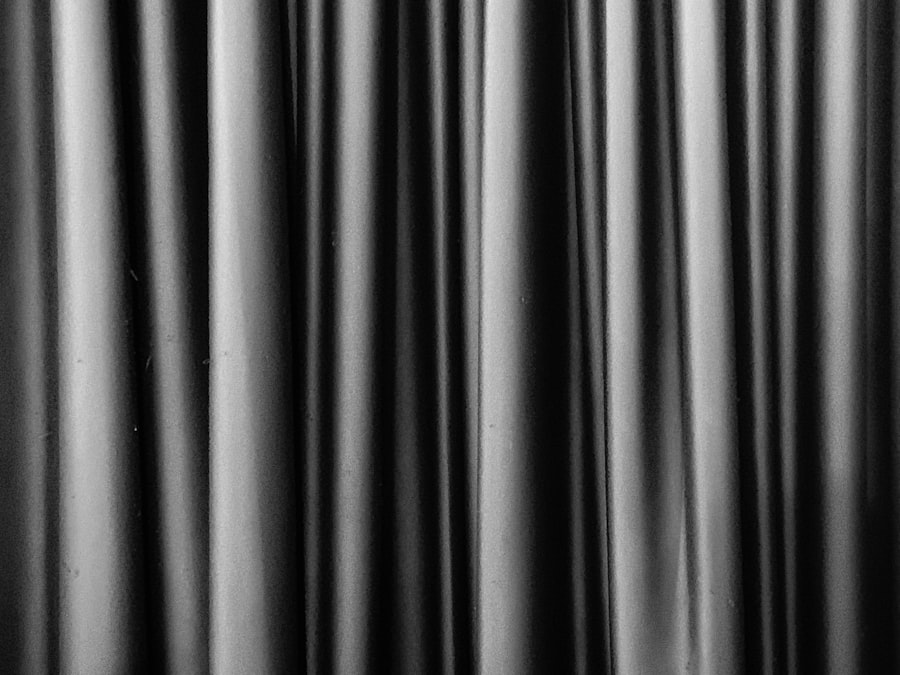
Picking the perfect blackout curtains isn’t just about finding the darkest ones available. There are a few practical considerations to keep in mind to ensure you get the best performance and fit for your space.
Measuring for Success
This is probably the most crucial step. You don’t want light leaks around the edges.
Width Considerations
Measure the width of your window frame and add at least 6-12 inches on each side. This extra width allows the curtains to extend beyond the window casing, minimizing light seepage and creating a more insulated effect. When hung, the curtains should have enough fabric to cover the window with some overlap, preventing light from sneaking in.
Length Considerations
Decide how you want your curtains to hang. “Puddled” (where they pool on the floor) is a common decorative look, but for blackout, it’s often more effective to have them just barely skim the floor or windowsill, or even hang slightly past it. Measure from where you plan to hang your rod to your desired length. For maximum light block, an extra-long curtain that reaches the floor is often best.
Fabric and Lining Options
Not all blackout fabrics are created equal.
Material Composition
Common materials include polyester, cotton, and blends. Polyester is popular for its durability, wrinkle resistance, and ease of care. Look for curtains with a dense weave and a high thread count. The inner lining is what truly does the heavy lifting in blocking light, so ensure it’s well-constructed.
Layered vs. Coated
You’ll often find two main types. Layered curtains have a separate blackout lining sewn onto the decorative fabric. Coated curtains have a thin layer of blackout material sprayed or bonded directly onto the fabric. Both can be effective, but layered curtains often offer better insulation and a more luxurious feel.
Hanging Hardware
Even the best blackout curtains won’t work perfectly if they’re not hung correctly.
Wraparound Rods
Consider a wraparound curtain rod or U-shaped rod. These rods allow the curtain to extend and curve around the window frame, minimizing any gaps where light can escape from the sides. This is a game-changer for achieving true darkness.
Valances and Cornices
For stubborn light leaks from the top of the window, a valance or cornice can be incredibly effective. These decorative elements hide the curtain rod and the top of the curtain, ensuring no light sneaks in from above.
Magnetic Tapes or Velcro
For persistent small gaps, especially on the sides or bottom, magnetic strips or Velcro secured to the curtain and window frame can create a tighter seal. It’s a simple, low-tech solution that can make a big difference.
If you’re considering enhancing your home’s comfort and aesthetics, you might want to explore the benefits of black blackout curtains, which can significantly improve your sleep quality by blocking out unwanted light. For those looking to combine functionality with style, you can also check out this article on motorised curtains, which offer a convenient solution for adjusting your window treatments effortlessly. These options can complement your blackout curtains beautifully, creating a serene and stylish environment in your living space.
Maximizing Your Blackout Potential
| Feature | Measurement |
|---|---|
| Material | Blackout fabric |
| Light Blocking | 100% |
| Size Options | Various |
| Color Options | Black, Grey, Navy, etc. |
| Installation | Easy to install |
Getting the most out of your blackout curtains goes beyond just hanging them up. A few extra steps can significantly improve their performance.
Sealing the Edges
Even with proper measurements, small gaps can let in a surprising amount of light.
Side Gaps
As mentioned, wraparound rods are key. For any remaining side gaps, consider using fabric tape or strategically placed fasteners to hold the curtain flush against the wall when closed. You can even use magnetic strips along the edges of the curtains and adhere corresponding strips to the wall or window frame for a tight seal.
Top and Bottom Gaps
For light peeking over the top, a cornice or valance is ideal. For light filtering under the bottom, especially with standard length curtains, a draft stopper or even a rolled-up towel placed at the base can effectively block that last sliver of illumination.
Layering for Ultimate Darkness
If a single set of blackout curtains isn’t cutting it, layering is your next best bet.
Pairing with Blinds or Shades
Combine your blackout curtains with blackout blinds or shades. This creates a double barrier against light. The blinds or shades handle the immediate window area, and the curtains add another layer of light blocking, insulation, and sound absorption. This is particularly effective for windows that get a lot of direct light.
Adding a Blackout Liner
If you love your current curtains but they don’t block enough light, you can always add a separate blackout liner. These liners can be purchased separately and attached to the back of your existing curtains with clips or pins. It’s a cost-effective way to upgrade your light-blocking capabilities without replacing your entire curtain set.
Regular Maintenance
Keeping your curtains clean not only keeps them looking good but can also extend their lifespan.
Dusting and Vacuuming
Just like any fabric, curtains collect dust. Regularly dusting with a soft cloth or using a low-suction vacuum attachment can prevent dust buildup and keep allergens at bay. This is especially important for those with allergies.
Washing Instructions
Always check the care label! Some blackout curtains are machine washable, others require dry cleaning, and some might only tolerate spot cleaning. Incorrect cleaning can damage the blackout backing, reducing its effectiveness. Follow the manufacturer’s instructions to keep your curtains in top condition.
Who Can Benefit Most?
While everyone can appreciate a dark room for sleep, certain groups of people will find blackout curtains to be an absolute game-changer.
Shift Workers
If you work nights and need to sleep during the day, blackout curtains are non-negotiable. They create an artificial night environment, allowing your body to produce melatonin and get the restorative sleep it needs, regardless of the time on the clock.
Newborns and Young Children
Babies and young children often sleep better in complete darkness. Blackout curtains can help establish a consistent sleep schedule for naps and nighttime sleep, making bedtime routines smoother for both parents and kids. Plus, they can extend morning sleep by blocking that early sunlight, a blessing for tired parents.
Light-Sensitive Individuals
For those who are particularly sensitive to light, whether due to migraines, certain medical conditions, or just personal preference, blackout curtains provide a sanctuary where they can truly rest without irritating light exposure.
Home Theater Enthusiasts
It’s not just for sleeping! If you have a home theater or media room, blackout curtains can dramatically enhance the viewing experience by eliminating screen glare and creating that true cinematic ambiance.
Anyone Struggling with Sleep
If you find yourself waking up too early due to sunlight, struggling to fall asleep because of streetlights, or simply not feeling rested, give blackout curtains a try. The profound difference a dark sleeping environment can make is often underestimated. It’s a simple, effective tool to improve one of the most vital aspects of your health – your sleep.