The tropical climate of Singapore poses special difficulties for homeowners in terms of controlling interior comfort and shielding living areas from the weather. Even though conventional curtains and indoor blinds are well-known options, they frequently don’t adequately address the direct effects of sunlight, heat, humidity, and the privacy requirements of outdoor & semi-outdoor spaces like patios, verandas, and balconies. Investigating cutting-edge outdoor shade systems offers residents of HDB apartments, condos, BTOs, and landed properties a more thorough and efficient way to improve comfort, lower energy use, and increase usable outdoor living space. These systems, which were created especially for outdoor use, offer strong defense against intense sunlight, essential privacy, and the ability to greatly reduce the amount of heat that enters homes.
The limitations of indoor solutions for outdoor settings. Although they are useful for controlling light and temperature in enclosed spaces, indoor curtains and blinds are not made for direct outdoor exposure. The materials of indoor fabrics can be rapidly deteriorated by the unrelenting Singaporean sun, high humidity, and sporadic torrential rain. Structural elements may rust or warp, colors may fade, and textiles may grow mold or mildew.
In addition to being ineffective at preventing heat and glare, trying to use standard indoor window treatments outside causes premature wear & tear, making it an expensive temporary fix. Also, they don’t improve your property’s security or provide much protection from the elements. They also don’t effectively create an insect barrier.
Making the switch to specialized outdoor shade systems is a sensible and advantageous move for Singaporean homeowners looking to maximize the functionality and comfort of their balconies, patios, or garden areas. Modern Outdoor Roller Shades: A Flexible Option. Outdoor roller shades have become a well-liked & useful addition to Singaporean homes. A fabric panel that rolls up onto a tube, usually contained in a protective cassette, makes up these systems. They have a clean, contemporary appearance that goes well with a variety of architectural styles and are made for external mounting.
Outdoor roller shades are primarily used to block direct sunlight, which lowers heat gain into the house and improves the comfort of outdoor areas. Functions and Materials. Outdoor roller shades are made of materials that are specifically designed to endure the harsh conditions of the tropics.
| Types of Outdoor Shade Systems | Benefits |
|---|---|
| Retractable Awnings | Provides adjustable shade, protects from UV rays, and enhances outdoor living spaces. |
| Pergolas | Offers a stylish and customizable shade solution, adds aesthetic appeal to outdoor areas. |
| Sail Shades | Creates a modern and artistic shade option, allows for unique and creative designs. |
| Roller Shades | Blocks heat and glare, provides privacy, and can be motorized for convenience. |
They are frequently constructed from sturdy, weather-resistant materials like acrylic or polyester coated with PVC. Excellent UV protection is provided by these materials, which can block up to 90% of harmful UV rays. This is important because it keeps interior furnishings from fading and shields people from sun damage. Also, a lot of outdoor roller shades are water-repellent, providing some defense against light rain. The mechanism of operation may differ.
A pull cord or crank handle are used in manual systems, whereas motorized options offer greater convenience. Easy operation and accurate positioning are made possible by motorized outdoor roller shades, which can be operated with a remote, a wall switch, or even integrated into a smart home system. In order to prevent damage during strong winds, some sophisticated models have wind sensors that automatically retract the shades. It is also possible to choose the fabric’s openness factor, which ranges from materials that completely block light & vision to more open weaves that still significantly reduce UV & heat while permitting some outward visibility. This personalization guarantees that homeowners can attain the ideal ratio of privacy, sun protection, & unhindered views.
Use cases based in rooms. Outdoor roller shades can turn a previously unused balcony in HDB apartments and condos into an extension of the living area. They make it comfortable to unwind or eat outside by offering shade during the hottest hours of the day. These shades are very beneficial for patios and verandas on landed properties because they provide cooler, cozier outdoor entertaining areas that are protected from the sun and glare.
They work well for enclosing outdoor dining rooms or kitchens, providing weather protection without sacrificing the open-air atmosphere. Climate Factors. In Singapore’s climate, the main advantage is a notable decrease in heat. Outdoor roller shades significantly reduce indoor temperatures by obstructing direct solar radiation before it reaches windows and walls. This lessens the need for air conditioning and, as a result, lowers electricity costs.
Also, UV protection is crucial because it protects buildings and people from the harmful effects of strong sunlight. Many are water-repellent, providing some protection for outdoor furniture & living areas even though they are not a perfect barrier against heavy rain. Track systems and zip blinds: improved durability & enclosure. Zip blinds, sometimes referred to as screen blinds or zipper track shades, offer a more durable and comprehensive outdoor shading option. A special zipper mechanism built into the edges of the fabric guides a fabric screen along vertical tracks in these systems. Compared to regular roller shades, they provide better privacy and weather protection because of the taut, sealed enclosure created by the zip system, which also effectively blocks wind and insects.
exceptional sealing & wind resistance. The remarkable wind resistance of zip blinds is one of their biggest benefits. Even in high winds, the zipper built into the side channels keeps the fabric from billowing & tearing, which can be an issue in open balcony areas or on higher floors.
Because of their sturdy design, they can be used in any season and offer a more long-lasting way to enclose outdoor living spaces. The track system is perfect for creating screened-in porches or dining areas because of its sealed design, which also provides an effective barrier against insects. Motorization and Adaptable Fabric Options.
Similar to outdoor roller shades, zip blinds come in a variety of fabric types, such as solar screens with different openness factors for controlled views and heat reduction & more opaque fabrics for total privacy. Easy operation and smooth integration into smart home ecosystems are made possible by the ability to integrate motors, frequently with dependable Somfy systems. When combined with the cordless design of many contemporary systems, this motorization capability provides increased safety, particularly for homes with kids or pets. These cutting-edge outdoor shade systems greatly aid in interior cooling and protection by blocking up to 98% of UV rays.
Use Cases for Rooms. Zip blinds work especially well on balconies in condos and BTOs, turning them into cozy, bug-free spaces. They enable homeowners to enjoy their balconies even in warmer or slightly windier weather. They offer great enclosure for patios, verandas, and even open-sided gazebos on landed properties, creating functional outdoor spaces that are shielded from the sun, wind, and insects.
Because some zip systems come in larger sizes, they can cover large openings & offer complete shade and privacy for large outdoor living areas. Climate Factors. Zip blinds’ sealing properties are extremely useful in Singapore.
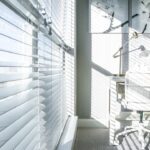
They extend the usability of outdoor spaces by keeping insects, a common annoyance, out and providing some protection from wind and light rain. The solar fabrics’ strong heat and UV blocking properties greatly lessen the thermal load on homes, resulting in lower energy expenses & cooler interior temperatures. Because of their resilience, they can tolerate high humidity and continuous sun exposure without deteriorating quickly. Outdoor Venetian Blinds: A Timeless Design Reimagined. Even though they are typically used indoors, outdoor-grade Venetian blinds provide a fashionable and useful option for certain outdoor uses, especially when controllable lighting is a top concern.
The horizontal slats that make up these blinds can be tilted to regulate how much light and airflow enters a room. They are made of sturdy, weather-resistant materials that can tolerate exposure to sunlight & humidity for outdoor use. Material Sturdiness and Modifiability. Usually constructed of treated wood or aluminum, outdoor Venetian blinds are intended for outdoor settings.
Because it doesn’t fade or corrode, aluminum is a popular material. With the slat design, sunlight can be precisely controlled. One can reduce glare, direct sunlight away from sensitive areas, or let in natural light while preserving some privacy by tilting the slats.
They are a dynamic shading solution because they can be adjusted. Room-Based Applications. In landed properties, outdoor Venetian blinds can effectively cover windows or the openings of patios & verandas. They offer a traditional appearance and adjustable shade.
They are also appropriate for some kinds of outdoor dining rooms or kitchens where exact angle control of sunlight is needed. Depending on the design and exposure, they may be less suitable for balconies in HDBs and condos than zip blinds; they may be more vulnerable to wind damage in highly exposed areas. Climate Considerations. The main advantage of outdoor Venetian blinds in Singapore is their capacity to control solar glare and direct sunlight without totally obstructing light. In some circumstances, the ventilation made possible by the movable slats can be advantageous. Compared to opaque roller shades or fully enclosed zip systems, they are typically less effective at blocking UV radiation and achieving complete privacy.
It is also important to note that the spaces between the slats can allow some heat & light to pass through. Their ability to withstand high humidity levels is crucial, and maintaining the slats’ appearance and preventing mildew require routine cleaning. Retractable canopies and awnings cover a large area.
Larger outdoor spaces, like patios, decks, or garden seating areas on landed properties, can be shaded with retractable awnings and canopies. These systems offer flexibility in controlling sun exposure because they are usually fabric-based and can be extended or retracted as needed. A common feature that makes operation simple is motorization. Planning & execution.
Awnings & canopies are usually attached to the exterior wall of a building & extend outwards. A framework, which is frequently composed of aluminum, supports the fabric. When not in use, the fabric in retractable systems can be folded or rolled away thanks to a mechanism. When the awning is retracted, this lessens its exposure to the weather, extending its lifespan.
Certain systems, particularly those with wind sensors, are made to be more resilient and can tolerate mild winds. Use Cases for Rooms. Large outdoor entertaining areas connected to landed properties, like patios or decks, are perfect for these systems because they make them more cozy for socializing and unwinding. Also, they can shade outdoor play areas or kitchens. They can be a useful addition to homes with lots of outdoor space, even though they are less common on HDB apartments or condos because of installation limitations and space requirements.
Climate-related issues. Retractable canopies and awnings in Singapore offer substantial shade over wide areas, lessening the sun’s direct impact on patios and decks. As a result, there may be less heat transfer into the house and lower ambient temperatures in these areas. They can be shielded from strong winds or torrential downpours because they can be retracted.
However, since the fabric is still subjected to high humidity, regular cleaning and mildew prevention are crucial maintenance elements. In comparison to zip blinds, they provide less privacy & insect protection. Automation and Integration in Smart Outdoor Shade Systems. Outdoor shade systems now offer unmatched efficiency and convenience thanks to the development of smart home technology. Smart home hubs can now be integrated with motorized outdoor roller shades, zip blinds, and awnings to enable automated control based on occupancy, sunlight intensity, or schedules.
Automation and Management. Reputable manufacturers’ motors are used in smart outdoor shade systems, which are frequently operated by specialized smartphone or tablet apps. This makes it possible for homeowners to remotely change the shades, guaranteeing that their outdoor living spaces are shaded before they go outside.
In order to maximize comfort and energy efficiency without human intervention, features like sun sensors can automatically retract shades when they are no longer needed & deploy them when the sun’s intensity reaches a specific level. Another cutting-edge feature found in some high-end systems is obstruction detection, which prevents damage by stopping operation if an object is obstructing the shade’s movement. To create a complete & adaptable home environment, some systems are also made to integrate with other smart home appliances, like thermostats. The advantages of clever integration.
The ability of smart outdoor shade systems to proactively manage the home environment is one of their main advantages in Singapore. Even when homeowners are not home, they guarantee constant comfort and lessen heat intrusion throughout the day by automating shade deployment. This steady control makes a big difference in lowering the need for air conditioning. By maximizing natural light & heat gain, the integration with smart home platforms enables customized control & can help reduce overall energy costs.
Use cases based in rooms. All kinds of outdoor areas benefit from smart automation. Automated shades for balconies in HDBs & condos can guarantee a cool and comfortable setting when you get home.
Awnings over patios and verandas on landed properties can be controlled by smart systems to maximize outdoor living and entertaining comfort. Another level of convenience for independently managing various outdoor space zones is the ability to control shades remotely. Climate-related issues. Smart systems provide a major benefit in Singapore’s continuously hot climate by continuously reducing heat and providing shade based on the sun’s intensity. Compared to manual adjustments, which can be overlooked or forgotten, this proactive approach is more effective.
By coordinating shade operation with other climate control systems, integration with smart home ecosystems can also improve energy efficiency. Cost, upkeep, and longevity factors. Homeowners in Singapore must take into account the initial cost, continuing maintenance needs, and anticipated lifespan when making an investment in outdoor shade systems. Depending on the kind of system, the materials utilized, and the motorization, these factors differ considerably.
Singaporean price ranges. Outdoor Roller Shades: Depending on size and fabric, basic manual systems can cost anywhere between S$300 & S$800. Motorized options can cost S$800 to S$2,000 or more per unit, particularly those with stronger UV protection & long-lasting fabrics. Zip Blinds: Because of their sturdy construction and intricate track system, these are typically more expensive. For larger, motorized units with advanced fabric options, expect costs to start at S$1,000 and possibly reach S$4,000 or more. Venetian Blinds (Outdoor Grade): Aluminium outdoor Venetian blinds can range from S$400 to S$1,200 per window, depending on size & complexity.
Retractable awnings and canopies, which start at S$1,500 and go up to S$5,000 or more for motorized, heavy-duty models, can be a substantial investment for larger spaces. Motorization & Smart Integration: Any system that incorporates motors and smart home compatibility will cost more, frequently by 30 to 50 percent. Tips for upkeep. Regular maintenance is essential for longevity and optimal performance, regardless of the system selected, particularly in Singapore’s humid climate.
Cleaning: Use a solution of mild soap and water to clean all external surfaces on a regular basis. When cleaning fabric shades, adhere to the manufacturer’s recommendations. Be sure to remove any growth of mold or mildew as soon as possible. Lubrication: To guarantee smooth operation, moving components like tracks and channels may occasionally need to be lubricated with a silicone-based spray.
Inspection: Keep an eye out for any indications of wear & tear, such as fading, rips, or fraying. Verify the integrity of the motors, tracks, and any mounting hardware. Retraction: Fabric shades that retract when not in use can lessen exposure to the weather and airborne pollutants in dusty or extremely humid environments.
lifespan. The majority of high-quality outdoor shade systems have a lifespan of seven to fifteen years with proper maintenance. Fabric Durability: Although the weather-treated & UV-resistant fabrics are made to last, prolonged exposure to the sun will eventually cause them to deteriorate. Mechanical Components: To withstand frequent use & environmental conditions, motors and operating mechanisms need to be robustly designed. Coastal/Pollution Factors: Due to increased exposure to salt and particulate matter, homes near the coast or in highly polluted areas may have a slightly shorter lifespan and require more frequent cleaning.
Conclusion. Beyond conventional indoor curtains and blinds, Singaporean homeowners in HDBs, condos, and landed properties have a wide range of highly efficient options for improving their outdoor living areas. Retractable awnings offer wide coverage, zip blinds offer sturdy enclosure and insect protection, and outdoor roller shades offer convenience and versatility.
The convenience and effectiveness of these systems are further enhanced by the combination of motorization and smart home technology, which enables automated control and proactive light & heat management. Homeowners can choose an outdoor shade system that not only enhances their living area but also greatly increases comfort and functionality in Singapore’s distinctive tropical climate by carefully evaluating the particular needs of their home, including exposure to sun, heat, privacy requirements, & budget.
.
FAQs
What are some outdoor shade systems beyond standard curtains and blinds?
Some outdoor shade systems beyond standard curtains and blinds include retractable awnings, shade sails, pergolas, and outdoor roller shades.
What are the benefits of using outdoor shade systems?
Outdoor shade systems provide protection from the sun’s harmful UV rays, reduce heat and glare, and create a comfortable outdoor living space. They also add aesthetic appeal to the outdoor area.
How do retractable awnings differ from standard curtains and blinds?
Retractable awnings are designed to provide adjustable shade and can be extended or retracted as needed. They offer more flexibility and coverage compared to standard curtains and blinds.
What are shade sails and how do they work?
Shade sails are large pieces of fabric that are stretched and anchored to create a shaded area. They work by blocking the sun’s rays and providing a cool and shaded outdoor space.
Are outdoor shade systems customizable to fit different outdoor spaces?
Yes, outdoor shade systems can be customized to fit different outdoor spaces. They come in various sizes, shapes, and materials to accommodate different needs and preferences.