The peacefulness of your living area can be disturbed by the constant hum of traffic, the far-off chatter of your neighbors, or even the noises coming from within your own house. Managing ambient noise is a practical concern for Singaporean homeowners, especially those in HDB apartments, condos, BTOs, & landed homes, especially in a densely populated urban setting. Although window coverings are frequently chosen for their visual appeal, ability to reduce heat, or privacy advantages, their ability to lessen noise pollution is a lesser-known but extremely valuable feature. The capabilities of noise-reducing curtains, the science underlying their efficacy, and what Singaporean homeowners can reasonably anticipate are all covered in this article.
It’s essential to understand how sound travels in order to appreciate how curtains can reduce noise. In essence, sound is energy that travels through a medium—like air—in waves. Some of the energy is reflected, some is absorbed, and some is transmitted when these waves come into contact with a barrier like a window. The frequency and intensity of the sound as well as the characteristics of the barrier affect how much of each of these happens. Waves of sound & frequency.
The frequency of sound waves, expressed in Hertz (Hz), varies. Due to their longer wavelengths, low-frequency noises—such as rumbling construction or heavy traffic—tend to be more challenging to block. Due to their shorter wavelengths, high-frequency sounds—like whistling or conversations—are typically simpler to absorb or deflect. The most effective way for noise-reducing curtains to reduce echo and the overall intelligibility of outside noises is to dampen mid-to-high frequency sounds.
materials and the transmission of sound. A home’s sound insulation is frequently weakened by windows, particularly single-pane glass. They allow sound waves to pass through rather easily because they provide little resistance.
Because of the gas or air pockets that act as a partial sound barrier between the panes, double or triple-glazed windows provide superior insulation. Even so, more sound-absorbing techniques may be beneficial. The window frame’s purpose.
| Curtain Type | Sound Reduction (in decibels) |
|---|---|
| Heavyweight, double-layered curtains | 10-15 dB |
| Soundproof curtains with specialized lining | 15-20 dB |
| Acoustic curtains with multiple layers and sound-absorbing materials | 20-25 dB |
It’s crucial to keep in mind that sound transmission is also greatly influenced by the surrounding wall and window frame. Sound can enter a room through gaps and cracks in window frames. Consequently, the overall integrity of the window installation is inextricably linked to the efficacy of any noise-reducing solution at the window level. Noise-reducing curtains, also known as soundproof or acoustic curtains, use particular design concepts and material selections to obstruct the propagation of sound waves.
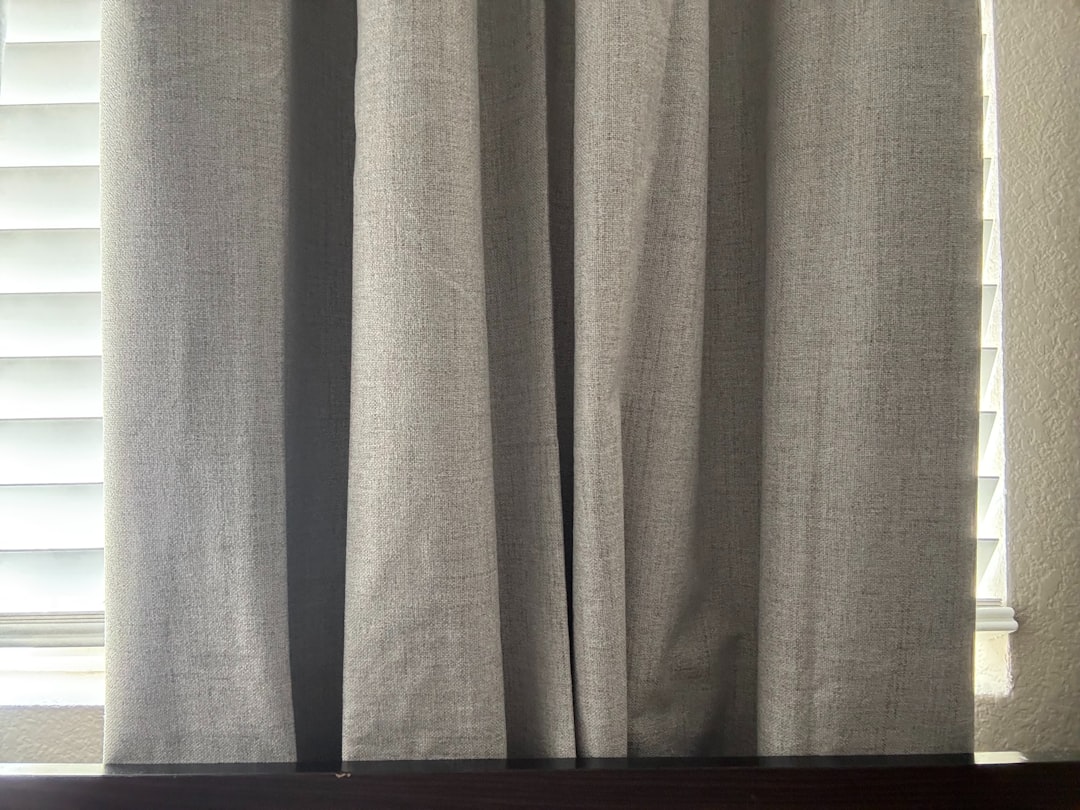
Although no curtain can completely block out sound, they can greatly reduce the amount of noise that enters. Density & weight. Mass and density are the most important factors in minimizing sound transmission. Sound energy is better absorbed & reflected by heavier, denser materials. For this reason, thick, tightly woven fabrics are usually used to create noise-reducing curtains.
The densely packed fibers in these textiles can absorb part of the sound energy through friction, and they have more mass to vibrate when struck by sound waves. Multilayer technology and layering. Multi-layer construction is a common feature of contemporary advances in noise-reducing curtain technology. These curtains can be made of a variety of materials, each of which has a distinct function. For example, one layer may be made to be as dense and absorbent as possible, while another may be a thermal insulation layer that also helps to reduce noise.
Several dense layers can be added to some high-density blackout curtains to improve their acoustic qualities, particularly those made with thermal insulation in mind. When properly installed with a sealed rod, high-density blackout curtains can reduce noise by 40–60%, according to the 2025 review. This integrated multi-layer approach is frequently used to achieve this notable reduction. Such multi-layer technologies are becoming more and more popular, indicating their demand and efficacy.
Porosity and texture are two characteristics of fabric. The fabric’s porosity and surface texture are important factors in addition to its sheer density. By trapping sound waves inside their fibers, materials with porous surfaces can absorb sound waves & transform the sound energy into heat. Because of their weight & textured surfaces, velvet & densely woven polyester textiles are frequently preferred for their capacity to both absorb and reflect sound waves.
Sustainable noise absorption is also aided by the use of materials like recycled fibers, as demonstrated by certain product launches from March 2024. These programs demonstrate a rising understanding of environmental and acoustic factors in product development. The method of installation is gap sealing. Installing noise-reducing curtains correctly is crucial to their efficacy. These curtains must be installed in a way that seals off as much of the window area as possible for them to function at their best, especially in reaching the higher percentages of noise reduction mentioned in reviews.
This usually entails using a curtain rod that extends past the window frame and, ideally, curtains that are much longer and wider than the window. The intention is to create a barrier that keeps sound from passing through gaps & around the fabric’s edges. Here, the idea of a “sealed rod”—which suggests a system intended to reduce air gaps where sound can enter—is crucial. It is essential that Singaporean homeowners have reasonable expectations regarding the capabilities of curtains that reduce noise.
Although they significantly improve sound insulation, they fall short of total soundproofing. reduction in decibel levels. Practically speaking, noise-reducing curtains usually provide a 10–20 decibel (dB) reduction.
The quality of the curtain, the kind of fabric used, and—above all—the installation technique can all affect this number. Even though 10 to 20 dB might not seem like much, it can result in a discernible drop in perceived noise levels. For comparison, a 10 dB reduction is typically thought of as halving a sound’s loudness. With mid-to-high frequency sounds, this reduction is more noticeable. Low frequency blocking’s limitations.
It’s crucial to realize that low-frequency sounds are less effectively blocked by noise-reducing curtains. These stronger, deeper sound waves are more energetic and more difficult to control. They are unlikely to totally eradicate these sounds, even though they can lessen the echo and resonance that are connected to them. Curtains should be taken into consideration as part of a more comprehensive sound insulation strategy for homeowners in locations with high levels of low-frequency noise pollution, such as those close to busy roads or industrial zones. complementary methods for soundproofing. Noise-reducing curtains can be layered with other window treatments to achieve a more significant reduction in noise, particularly for low-frequency sounds or in very noisy environments.
For example, a stronger barrier can be produced by combining cellular shades or shutters with dense curtains. While shutters’ solid panels provide a different kind of acoustic resistance, shades’ cellular structure can trap air and provide an extra layer of insulation. Reviews comparing various configurations have indicated that this layered approach is frequently advised to maximize the overall sound dampening effect. The effect of installation on output.
A partially successful installation can differ significantly from a highly successful one. Minimal sound reduction can be achieved with a curtain that is hung loosely and has gaps around its edges. On the other hand, performance can be greatly enhanced by a curtain that is precisely measured, runs near the wall, and extends past the window frame. It may also have side hems that fasten to the wall or a pelmet to cover the top.
This crucial detail is indicated by the desire for a “sealed rod” installation. When it comes to window treatments, including those intended for noise reduction, Singapore’s tropical climate poses particular difficulties and considerations. The selection of materials, upkeep, and overall performance are all impacted by the high humidity, heavy rainfall, and constant warmth. Humidity and Fabric Selection.
Some fabrics may be impacted by Singapore’s high humidity levels. Avoiding materials that are prone to mildew or mold growth is advised. Cotton & other natural fibers can absorb & hold moisture, which can cause problems, even though their texture may make them useful for absorbing sound. Because they are easier to maintain and less prone to moisture absorption, synthetic fabrics like polyester are frequently a more sensible option in Singapore’s climate. Many contemporary noise-cancelling curtains use sophisticated synthetic blends that provide both density and humidity resistance.
Along with improving acoustic performance, eco-fabrics—including those composed of recycled fibers—are becoming more popular. Sun & Heat Factors. Although the topic of this article is noise, it’s important to remember that many thick, noise-absorbing curtains also provide good thermal insulation. In Singapore, where keeping the house cool is important, this is a major advantage. A significant portion of solar heat gain can be blocked by thicker fabrics, which could lessen the need for air conditioning and save energy costs.
A cost-effective solution for various home improvement requirements, some products are even designed with dual thermal and noise reduction features. If you want natural light, it’s crucial to find a balance so that the fabric you choose effectively reduces noise without creating too much heat buildup. resilience in a tropical setting. In Singapore’s climate, the longevity of noise-reducing curtains is crucial.
Despite being filtered by the window, exposure to sunlight can eventually result in fading. Wear and tear can also be exacerbated by high humidity. Selecting UV-resistant and colorfast curtains is crucial. The intrinsic durability of the curtains is often enhanced by the dense weave needed for acoustic qualities, which makes them more resilient to fraying and general wear.
Although the phrase “noise-reducing curtains” is frequently used, a variety of window treatments, each with unique qualities, can aid in sound absorption. curtains made of thick fabric. These window coverings are the most conventional way to reduce noise. Thick, dense materials like velvet, velour, or thick polyester weaves are used to make them.
Advantages: Provide effective sound absorption at mid-to-high frequencies. can also offer superior heat insulation and light control. aesthetically adaptable & suitable for a variety of interior design styles. Cons: May be heavy; strong curtain rods & hardware are needed. Because dust builds up on thick fibers, it might need to be cleaned more frequently.
On their own, they are less effective against low-frequency sounds. Use cases for rooms include living rooms, bedrooms, and home offices, particularly those close to public spaces or outside noise sources like roads. Climate Considerations: Materials must be resistant to moisture.
When it’s open, let in plenty of air. Systems with multiple layers (curtains + blinds/shades). This method entails combining curtains that reduce noise with other window treatments, such as roller blinds, cellular shades, or even venetian blinds. Advantages: By generating several barriers, it greatly improves overall sound insulation.
gives you more control over privacy & light. Because of their air pockets, cellular shades are especially effective. Cons: Because there are more components, the cost is higher.
may be more substantial and obstruct window sills. Installation may require more work. Room Use Cases: Anywhere there is a desire for the greatest amount of sound reduction, including bedrooms, nurseries, & home theaters. Climate Considerations: Selecting the right blind material is crucial; choose composite or coated slats for venetian blinds and moisture-resistant options for shades. Zip Blinds (Outside Use).
Zip blinds can help reduce external noise penetration even though they are primarily intended for outdoor areas like patios and balconies, particularly for apartments or landed homes with exposed balconies. Advantages: It can serve as a first line of defense against noise from the outside entering the house through openings like balcony doors. Protect people from the wind and rain, which can be loud. provides privacy. Cons: Mainly because of outside noise coming from the open space. Noise coming through the window glass itself cannot be directly resolved with this method.
Acoustic properties will be impacted by material selection. Dense materials are frequently used in commercial applications to absorb sound, but other features may be given priority in residential versions. Use cases for rooms include patios, balconies, & open-concept living spaces with access to the outdoors. helps keep noise contained in these spaces so it doesn’t spread farther throughout the house. Climate Considerations: Sturdy, weather-resistant materials appropriate for Singapore’s tropical climate must be used.
Blinds from Venice. Because of their horizontal slats, Venetian blinds can absorb and reflect sound to some extent. Pros: Provide good privacy and light adjustment. Some sound can be deflected. made of materials that are easy to clean in Singapore’s humid climate, such as PVC, wood, or aluminum. Cons: Generally speaking, they are less successful at reducing noise than heavy fabric curtains.
Through the spaces between slats, sound can pass. Room Use Cases: Kitchens, bathrooms, and offices where ease of upkeep is important. For improved performance, it can be layered with curtains.
Climate Considerations: Due to their ease of cleaning and resistance to humidity, PVC & aluminum are great options. Certain treatments might be necessary for wood to avoid warping. automated blinds and curtains.
Although motorization increases convenience and can help with the best installation, it does not automatically improve acoustic performance. Advantages: Makes it simple & accurate to operate, guaranteeing that curtains are fully open or closed and reducing gaps. can be set up to operate automatically, such as shutting at predetermined hours to reduce noise in the evening. connects to smart home technology. Cons: More expensive to install. needs electrical power.
Room Use Cases: All rooms, particularly those with large or difficult-to-reach windows or those who value convenience. especially advantageous for guaranteeing that noise-reducing curtains are regularly utilized to their maximum capacity. Climate Considerations: When necessary, electronic components must be shielded from humidity (e.g. “g.”. outdoor blinds with motors). The size of the windows, the type of fabric selected, the intricacy of the design, and the degree of soundproofing features are just a few of the variables that can greatly affect the price of noise-reducing curtains in Singapore. Density & Material Impact.
Naturally, the best and densest sound-absorbing textiles will cost more. Also, fabrics with certain acoustic certifications or advanced multi-layer technology will cost more. An intricately built, multi-layered acoustic curtain will cost more than a simple, thick fabric curtain. production as well as customization. The best fit and functionality are provided by custom-made curtains, particularly when a sealed installation is desired.
Compared to standard-sized options, this customization process, which entails exact measurements and tailoring to particular window dimensions, raises the total cost. The cost of making larger or more intricate curtains is also influenced by the labor required. Costs of installation. For best results, especially in terms of noise reduction, professional installation is frequently advised in addition to the cost of the curtains themselves.
This entails making sure the curtains are hung precisely, the curtain rod is fitted securely, and any required sealing measures are put in place. Installation costs may increase the overall investment by a sizable portion. Singaporean cost ranges. Singaporean homeowners should budget between SGD $200 and SGD $600 per standard window panel for simple, heavier fabric curtains that provide some noise reduction. Depending on the fabric & customization, the price per window panel for higher-density, multi-layered, or specially designed acoustic curtains can range from SGD $600 to $1500+. Motorized options are not included in this estimate, which would result in an additional premium.
Since prices can change depending on suppliers and particular product features, it is crucial to consider these as indicative ranges. The anticipated growth of the soundproof curtain market indicates a strong demand and a growing range of price points to accommodate different budgets. In Singapore’s humid climate, noise-reducing curtains must be properly maintained to ensure their longevity and ongoing efficacy.
Cleaning Advice. The fabric composition will determine the cleaning technique. Frequent Dusting: Dust and allergens can be kept from building up by regularly dusting with a soft brush or a vacuum cleaner with an upholstery attachment.
This is especially crucial for dense fabrics. Spot Cleaning: A damp cloth and a mild detergent are usually adequate for spot cleaning small stains. Always start by testing a tiny, unnoticeable area. Professional Cleaning: To prevent shrinkage or damage, professional dry cleaning is frequently advised for heavier, more delicate fabrics in order to achieve a deeper clean. The manufacturer’s care instructions should always be consulted before washing any contemporary synthetic fabrics on a gentle cycle. keeping mildew and mold at bay.
Making sure the area around the curtains has adequate ventilation is crucial because of Singapore’s high humidity. Mold & mildew can be inhibited by letting them air out on occasion, particularly after periods of high humidity or precipitation. It is not advisable to leave curtains damp all the time. lifetime.
High-quality curtains that reduce noise can last eight to fifteen years with the right upkeep. Excessive exposure to direct sunlight, poor cleaning techniques, and exposure to high humidity levels without sufficient ventilation are all factors that can reduce their lifespan. Two important factors that determine how long the curtains will be functional are the fabric’s durability and the stitching’s quality.
These window treatments are lasting longer thanks to advancements in fabric technology, such as the use of UV-resistant and moisture-resistant materials. Durability and ease of maintenance in a variety of environmental conditions are also key components of the market trend toward eco-fabrics & multi-layer technology. For Singaporean homeowners looking for more peace in their homes, noise-reducing curtains provide a practical solution. Their capacity to greatly reduce mid-to-high frequency noise, along with their potential for controlling light & heat, makes them an invaluable addition to any home, even though they cannot replace expert soundproofing.
Residents of HDB apartments, condos, BTOs, & landed houses can make educated decisions by being aware of the fundamentals of sound transmission, the materials and construction techniques involved, and choosing suitable installation methods. These window treatments will continue to provide both aesthetic appeal and useful acoustic benefits for many years to come if realistic expectations regarding decibel reduction, careful consideration of Singapore’s climate, and diligent maintenance are implemented. With an emphasis on multi-layer technologies and sustainable materials, the market’s continuous innovation promises even more efficient and adaptable solutions for fostering a calmer home environment.
.
FAQs
What are noise-reducing curtains?
Noise-reducing curtains are specially designed curtains that are made with materials that help to block out or reduce the amount of sound that enters a room from the outside. These curtains are often used in homes, offices, and other spaces to create a quieter and more peaceful environment.
How do noise-reducing curtains work?
Noise-reducing curtains work by using dense and heavy materials, such as multiple layers of fabric, to absorb and block sound waves from passing through the curtain and into the room. Some noise-reducing curtains also have special acoustic insulation or soundproofing properties to further reduce noise.
How much sound do noise-reducing curtains actually block?
The amount of sound that noise-reducing curtains can block varies depending on the specific type and quality of the curtains. On average, noise-reducing curtains can block anywhere from 10% to 40% of outside noise, with some high-quality curtains capable of blocking up to 50% of sound.
What factors can affect the effectiveness of noise-reducing curtains?
Several factors can affect the effectiveness of noise-reducing curtains, including the thickness and density of the curtain material, the size and type of the window or opening, the amount of air gaps around the curtain, and the overall quality of the curtain construction.
Are noise-reducing curtains a complete solution for soundproofing a room?
While noise-reducing curtains can significantly reduce the amount of outside noise that enters a room, they are not a complete solution for soundproofing. For maximum soundproofing, additional measures such as sealing gaps around windows and doors, adding acoustic panels, and using soundproofing materials in walls and ceilings may be necessary.