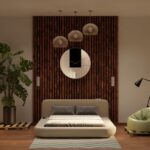
When it comes to window styling in particular, navigating the current landscape of interior design can reveal a contradiction of aesthetic principles. Japandi and Wabi-Sabi, two major trends that emerged in 2026, offer different but related methods for designing calm and useful living areas. In order to recognize each style’s distinctive qualities and common appreciation of natural elements, this discussion will go into detail about the fundamental ideas of each style & how these ideas translate into window treatment choices.
Comprehending Japanese Window Design. A portmanteau of “Japanese” & “Scandinavian,” Japandi is a tasteful combination of two highly valued design traditions. It blends the tranquil simplicity and organic beauty of Japanese interiors with the minimalist elegance & practicality of Scandinavian design. When it comes to window styling, Japandi usually places a high value on practicality, simplicity, and tranquility.
For those interested in exploring the nuances of window styling, a related article that delves into the aesthetic principles of Japandi and Wabi-Sabi can be found at Curtain Shop. This piece provides insights into how these two design philosophies can influence the way we approach window treatments, blending minimalism with the beauty of imperfection to create harmonious living spaces.
The core of Japanese philosophy. Functionality and subtle elegance are fundamental to Japandi. It eschews ostentatious decoration in favor of deliberate design, in which each component fulfills a useful or beautiful function. The idea is to create environments that are both exquisite and incredibly livable, promoting harmony and order.
Japandi is changing in 2026 to include “hygge” components, which will further strengthen the feeling of peaceful, sustainable living. Important features of window treatments. The emphasis switches to materials, colors, and shapes that reflect the fundamental ideas of Japandi when it comes to window treatments. Await the following.
Clean Lines and Structure: Typically, window coverings in a Japanese home have simple patterns. Consider roller blinds, panel blinds, or plain drapes that hang neatly without a lot of folds or intricate valances. The focus is on a simple style that fosters visual tranquility. Neutral Palettes with Subtle Contrasts: Off-whites, greys, soft beiges, and subdued earth tones are among the neutral hues that predominate in Japandi window treatments.
When exploring the nuances of Japandi and Wabi-Sabi window styling, it’s interesting to consider how these aesthetics reflect broader design philosophies. For a deeper understanding of these concepts and their applications in home decor, you might find this article on curtainshop.sg particularly insightful. It delves into the principles of minimalism and imperfection that define these styles, offering practical tips for incorporating them into your living space.
| Aspect | Japandi Window Styling | Wabi-Sabi Window Styling |
|---|---|---|
| Design Philosophy | Blend of Japanese minimalism and Scandinavian functionality | Embraces imperfection, natural aging, and simplicity |
| Window Frame Material | Light wood or matte black metal frames | Raw or weathered wood, sometimes with visible wear |
| Window Treatment | Simple, clean-lined blinds or linen curtains | Natural fabrics with irregular textures, loosely hung |
| Color Palette | Neutral tones: beige, soft gray, muted blues | Earthy tones: browns, faded greens, off-whites |
| Light Control | Maximizes natural light with minimal obstruction | Soft, diffused light emphasizing natural shadows |
| Decorative Elements | Minimal accessories, focus on symmetry and balance | Asymmetrical, organic elements highlighting imperfection |
| Maintenance | Requires regular upkeep to maintain clean lines | Accepts wear and patina as part of aesthetic |
| Overall Ambiance | Calm, orderly, and functional | Cozy, rustic, and contemplative |
These hues help create a feeling of openness and peace. To add depth without disturbing the overall tranquility, a darker wood accent or a slightly deeper shade of grey may occasionally be used to create a subtle contrast. Natural Textures & Materials: The relationship with nature is crucial. Light wood, bamboo, cotton, and linen are common materials.
When exploring the nuances of Japandi and Wabi-Sabi window styling, it’s interesting to consider how color plays a pivotal role in enhancing these aesthetics. For instance, a related article discusses the top curtain colors in Singapore, which can beautifully complement the serene and minimalist vibes of both styles. You can read more about it in this insightful piece on curtain colors that harmonize with Japandi and Wabi-Sabi designs, helping you create a tranquil and inviting atmosphere in your home.
These materials are selected not only for their visual appeal but also for their sustainable origins and tactile attributes. For example, a bamboo blind or a finely woven linen curtain provide both privacy and diffused light while adhering to the Japanese ethos. Polished Warmth and Diffusion: Japandi uses thoughtful textures and diffused lighting to add warmth, in contrast to stark minimalism. Instead of completely blocking natural light, window treatments are frequently made to gently filter it, giving the space a soft glow.
Semi-sheer materials or blinds with movable light control can accomplish this. Useful Implementation in Singaporean Houses. Japandi window styling provides useful advantages for Singaporean homeowners, particularly in HDB apartments and BTO units where space is frequently a concern. Its focus on practicality and minimalism can give the impression that smaller spaces are bigger and more spacious. Also, the use of natural materials adds to the feeling of coolness, which is advantageous in Singapore’s tropical climate.
For a balcony, think about lightweight, breathable linen curtains that provide privacy without obstructing airflow. Muted-toned minimalist roller blinds can offer superior heat and sun control for a condo living room while preserving an elegant, uncluttered appearance. Investigating Wabi-Sabi Window Designs. Wabi-Sabi is not merely a design trend but a philosophy rooted in ancient Japanese aesthetics, celebrating the beauty of imperfection, impermanence, and incompleteness.
It shows up as an appreciation for the unadulterated, genuine, & organically aged when applied to interior design, particularly window styling. In order to ensure practicality in day-to-day living, modern Wabi-Sabi aims to balance these unprocessed textures with simple layouts in 2026. The Fundamentals of Wabi-Sabi. Wabi-Sabi inspires us to find beauty in the unassuming, modest, & naturally worn.
It welcomes asymmetry, irregularity, & the marks of time, seeing them as essential components of an object’s character and history rather than as defects. This entails shifting the focus of window treatments from mass-produced perfection to components with a distinctive, handmade quality that tell a story. Features that set window treatments apart. Celebrating the unspoiled and genuine is part of applying Wabi-Sabi to window styling. The following are important traits.
Organic Rawness and Authenticity: Raw materials are selected to highlight their inherent variations and natural texture. Consider unpolished, raw wood frames, thick, untreated linen, or loosely woven fabrics like burlap that may exhibit minor weave irregularities. These components were picked to mirror the flawed beauty of nature.
Emphasis on Rustic Imperfections: Wabi-Sabi window treatments may have purposeful wear, uneven textures, or natural discoloration rather than aiming for perfection. A curtain with a slightly frayed edge or a reclaimed wood blind with visible knots and grain patterns would be ideal for this style. Highlighting the passage of time and the distinctive qualities of materials is the aim. Natural Pigments and Earthy Tones: Wabi-Sabi’s color scheme has a strong foundation in earthy, natural hues. Grey-beiges, muted greens, muddy browns, & the delicate variations of natural fibers are common.
These hues create a calm and reflective atmosphere by evoking a sense of groundedness and connection to the earth. Asymmetry & Understated Form: Wabi-Sabi can subtly use asymmetry without being overtly chaotic. This can be observed in the natural, asymmetrical patterns of woven blinds or in the way curtains are draped. Because the form is subtle and frequently appears simple or handmade, intricate design is subordinated to the natural beauty of the materials. Wabi-Sabi integration in Singaporean homes.
Wabi-Sabi window styling offers a distinctive option for Singaporean homeowners who enjoy individuality and want to create a deeply personal space. In contrast to the frequently homogenous aesthetics of HDB or condo interiors, it enables the incorporation of distinctive, potentially artisanal elements. Custom-made wooden blinds with a weathered finish can serve as a focal point for a landed property with larger windows, highlighting the beauty of natural deterioration. Earthy-toned textured fabrics can soften the modern edges of a BTO apartment, making it feel cozier and more natural. Choosing materials that can endure Singapore’s climate while maintaining their unadulterated beauty is crucial when taking humidity into account.
Analysis in Comparison: Japan vs. At the window, Wabi-Sabi. Although minimalism, natural materials, and a calm atmosphere are generally appreciated by both Japandi and Wabi-Sabi, their interpretations of these concepts differ greatly, especially when it comes to window styling.
Making wise design decisions requires an understanding of these distinctions. Sensibilities that overlap. Both ideologies support minimalism & oppose excessive consumerism. They both embrace a subdued style that encourages serenity and find beauty in the natural world.
For example, both might use rice paper screens, but the intended outcome and context would be different. Both are ideal for smaller residences that aim to maximize tranquility in constrained areas, such as Singapore’s HDB & BTO apartments. Also, they favor manipulating natural light to create particular moods. Key Differences in Window Treatments. Their basic differences can be seen in the “how” and “why” of their window treatment choices.
Perfectness versus… Imperfection: Although natural materials are valued, Japandi favors a more refined & polished finish. It is expected that window treatments will be well-made, with precise fits and clean seams. On the other hand, Wabi-Sabi actively seeks out & embraces flaws.
A wooden blind’s natural variations, visible mending, or slightly frayed edge would all be welcomed as part of its allure. Organization vs. Organic Flow: Japandi places a strong emphasis on order, clean lines, and structural integrity. Curtains hang properly, and window blinds are frequently sleek.
Wabi-Sabi tends to favor less rigid, more organic forms. A fabric may drape more loosely, or a natural material may be given time to take on its own distinct shape. Functionality vs. Authenticity: Both value functionality, but Japandi prioritizes ergonomic design and usefulness.
The main reasons window treatments are chosen are their capacity to regulate light, preserve privacy, and help create an orderly environment. Wabi-Sabi places a high value on authenticity and the backstory of the content. Even though it may be a little less useful in some ways, the raw material’s aesthetic impact frequently prevails. Color Palette Nuances: Japandi’s neutral color scheme allows for sporadic subtle contrasts while maintaining a polished, serene vibe. The earthy tones of wabi-sabi are frequently more subdued, reflecting the natural world in its purest form, with variations determined more by the inherent characteristics of the raw materials than by conscious design decisions. Singaporean room-specific applications.
Applying these design principles to particular rooms in Singaporean homes necessitates giving careful thought to the purpose of the space, the intended atmosphere, and the realities of our climate. Balconies and living rooms. Japandi might recommend a light bamboo roller blind or sleek vertical blinds in a soft grey for a condominium living room with a balcony. These blinds offer superior heat and sun control while preserving a minimalist look. Here, the focus is on practical elegance, guaranteeing adequate privacy without compromising the room’s lightness & airiness.
Neutral-tone zip blinds can provide efficient outdoor blind solutions for the balcony itself, blending in perfectly with the architecture and providing weather protection. Alternatively, textured linen curtains in an off-white, undyed color, possibly with a slightly uneven weave, could be a Wabi-Sabi approach for the same area. Natural wood slatted blinds on the balcony could be purposefully left unfinished or stained rustically, allowing the wood’s grain & small flaws to contribute to the design story.
Celebrating the unadulterated beauty of materials and fostering a relationship with nature are the main goals. Personal spaces and bedrooms. For the best sleep & convenience, Japandi would probably recommend blackout roller blinds or delicate motorized curtains in subdued hues in an HDB master bedroom. A peaceful, clutter-free setting that encourages rest is the aim. The clean lines would help create a feeling of space, and privacy is crucial.
Instead, sheer, possibly hand-loomed curtains that softly filter light and embrace the daylight’s natural dimming might be used in a Wabi-Sabi bedroom. The fabric that was selected may have obvious flaws that give it personality. If used, wooden venetian blinds would exhibit natural color and grain variations, enhancing the appreciation of organic materials. The flaws would create a particularly cozy and reflective ambiance. areas for dining & cooking.
Japandi might use straightforward, practical roller blinds for a BTO kitchen that are easy to clean and offer good sun control, maybe in a light grey or crisp white color. Hygiene and practicality would be prioritized, which would be consistent with Scandinavian design’s efficiency. On the other hand, a Wabi-Sabi kitchen might feature a Roman blind made of a coarse, natural fiber or a rustic, possibly salvaged wooden venetian blind. The goal here is to embrace the notion that even functional spaces can have soulful beauty by incorporating a feeling of earthiness and history. Singapore’s durability & climate considerations. The tropical climate of Singapore poses special difficulties for window treatments.
High temperatures, prolonged sun exposure, and widespread humidity require careful consideration of material choice and overall design for both comfort and durability. Sun & Heat Control. Natural light is valued in both Wabi-Sabi and Japandi cultures, but in Singapore, this needs to be balanced with efficient heat and sun control. Japandi: Frequently uses naturally insulating materials like light wood or bamboo.
Venetian blinds with precise light angle adjustment or roller blinds with thermal backings are sensible options. Zip blinds are great outdoor blinds for balconies because they control heat and sun while creating an open-air atmosphere. Wabi-Sabi: Heat must be taken into practical consideration while concentrating on unadulterated beauty.
Natural linen textiles that are thicker can provide some insulation. The secret is to choose raw materials that are strong enough to endure continuous sun exposure without deteriorating too quickly. Humidity and upkeep. If materials are not carefully selected, Singapore’s humidity can cause mold and mildew. Japandi: The aesthetic appeal of natural materials combined with improved humidity resistance & simpler upkeep can be found in synthetic blends combined with natural fibers. Less porous and fast-drying fabrics are advantageous.
Wabi-Sabi: While appreciating natural materials, it’s a good idea to choose naturally humidity-resistant woods (like teak or some types of bamboo) for blinds because of Singapore’s climate. Care should be taken when selecting textiles, as they may need frequent airing to avoid mold. Practical maintenance is still crucial because unhealthy mold growth is not considered a “imperfection” of Wabi-Sabi. longevity and robustness.
The climate in Singapore has a big impact on how long window treatments last. Japandi: Strives for long-lasting, well-made items with high-quality production and practical design. Both aesthetic appeal & durability are taken into consideration when selecting materials. Wabi-Sabi: The fundamental quality of materials is still significant while accepting aging.
While a low-quality item might just deteriorate, a material that gracefully endures time and use will gain more personality. For example, a solid wood blind that beautifully displays its age is better than one that just breaks down. The material’s ability to age gracefully and reveal its past without losing its functionality determines its lifespan. Singapore’s price ranges. Depending on the material, complexity, customization, and whether or not motorization is included, window treatments in Singapore can vary greatly in price.
Japandi Cost Factors. Japandi window treatments typically fall in the mid to high range because of their emphasis on high-quality, long-lasting natural materials and frequently precise construction. Standard roller blinds and Venetian blinds range in price from S$80 to S$300 per window, depending on the size and material. Linen/Cotton Curtains: Depending on length, lining, and weave, each panel costs between S$150 and S$400. Depending on the motor brand and smart home integration, motorized curtains and blinds can cost anywhere from S$400 to S$1,000+ per unit.
Bamboo blinds range from S$100 to S$350 per window. Zip blinds (for balconies) cost between S$800 & S$2,500+ each, making them a substantial outdoor blind purchase. Wabi-Sabi Expense Considerations. Wabi-Sabi can also fall in the mid to high range due to its emphasis on reclaimed elements or raw, frequently artisanal materials.
Customization and obtaining one-of-a-kind products could increase costs. Hand-woven, artisanal raw linen/hemp curtains cost between S$250 and S$800+ per panel, showcasing exceptional craftsmanship. Reclaimed wood shutters and blinds range in price from S$300 to S$900+ per window, depending on customization and sourcing. Roman blinds with textures made of natural, unrefined fibers cost between S$200 and S$500 per window. Simple sheer fabrics with inherent flaws cost between S$100 and S$300 per panel.
It’s crucial to remember that these ranges are only estimates and may vary depending on the retailer, time of year, and difficulty of installation. Investing in long-lasting, high-quality materials will ultimately complement each style’s philosophy of conscientious consumption. In conclusion, both Wabi-Sabi and Japandi offer profound and aesthetically pleasing window styling techniques, each adding a distinct flavor to the sophisticated Singaporean home. Japandi offers a route of refined coziness, practical elegance, and organized tranquility that is ideal for the modern yearning for effective, minimalist living.
On the other hand, Wabi-Sabi encourages us to find solace and beauty in the natural world’s inherent flaws, strengthening our bond with reality and the passing of time. The decision between them frequently depends on an individual’s attitude toward excellence. After all, the window is the eye of the house, and the way it is dressed is a reflection of the soul inside. Do you prefer the perfectly functional or the perfectly imperfect?
.
FAQs
What is Japandi window styling?
Japandi window styling is a design approach that combines Japanese minimalism and Scandinavian functionality. It emphasizes clean lines, natural materials, and a neutral color palette to create a calm and harmonious window space.
How does Wabi-Sabi window styling differ from Japandi?
Wabi-Sabi window styling focuses on embracing imperfection and the beauty of natural aging. It often features rustic, weathered materials and asymmetrical designs, highlighting simplicity and authenticity, whereas Japandi leans more towards sleek, modern minimalism.
What materials are commonly used in Japandi window styling?
Japandi window styling typically uses natural materials such as light wood, bamboo, linen, and paper. These materials contribute to a warm, organic feel while maintaining a minimalist aesthetic.
Can Wabi-Sabi window styling incorporate modern elements?
Yes, Wabi-Sabi can incorporate modern elements, but they are usually balanced with rustic or aged materials to maintain the philosophy of imperfection and natural beauty. The key is to create a sense of authenticity rather than polished perfection.
Which window treatments are popular in Japandi and Wabi-Sabi styles?
In Japandi style, simple and functional window treatments like bamboo blinds or sheer linen curtains are popular. Wabi-Sabi often uses more textured, handmade fabrics or natural fibers that may show signs of wear, emphasizing the beauty of imperfection.