The Wabi-Sabi aesthetic promotes the beauty of imperfection, transience, and the natural world. It is a philosophy that finds resonance in Singaporean homes. The selection of window treatments is one way that this design philosophy, which frequently results in interiors that feel both serene and genuine, is expressed.
The desire for a haven that embodies these ideals is becoming more and more common among Singaporean homeowners, regardless of whether they live in a sleek condo, a modern HDB flat, a developing BTO, or a landed property. In order to achieve this Wabi-Sabi harmony, soft linen and cotton curtains are essential because they provide a tactile & visual break from the finely crafted & overtly polished. The Wabi-Sabi Essence in Window Treatments. Fundamentally, wabi-sabi honors the subtle, fleeting, and genuine.
Soft linen and cotton curtains are perfect for enhancing Wabi-Sabi interiors, as they embody the beauty of imperfection and simplicity. Their natural textures and muted colors create a serene atmosphere that aligns with the Wabi-Sabi philosophy. For those interested in how the right curtains can also contribute to better sleep quality, you might find this article insightful: Bedroom Curtains That Improve Sleep Quality. It explores various curtain options that not only elevate your decor but also promote a restful environment.
It is an aesthetic that finds beauty in the subtle effects of time and natural processes rather than in perfect perfection. This translates to materials for window treatments that welcome irregularities rather than aiming for flawless uniformity. Imagine textures that suggest the hand of the maker, the soft drape of aged cotton, or the soft creases in well-loved linen. These components give a room a feeling of lived-in comfort and authentic character rather than making it feel sterile or unduly curated. In Singapore’s tropical climate, where light and moisture constantly interact to shape our surroundings, textiles that mirror these natural phenomena and seem to recognize the passing of time and weather are a perfect fit for the Wabi-Sabi philosophy.
Accepting Natural Fibers: Cotton & Linen. Wabi-Sabi window coverings are primarily made of cotton and linen. Their innate characteristics fit this aesthetic very well. Linen: With its distinct personality, linen is derived from the flax plant.
Wabi-Sabi welcomes its natural wrinkles as evidence of its genuineness and organic essence. Linen offers a tactile richness with a variety of textures, from flowing and smooth to slubby and textured. Because of its breathability, which facilitates air circulation & adds to a feeling of lightness, it is an appropriate fabric for Singapore’s climate. Similar to the Wabi-Sabi appreciation of the slow changes brought about by use and time, linen can soften further over time, acquiring a patina that enhances its beauty.
Soft linen and cotton curtains are perfect for enhancing Wabi-Sabi interiors, as they embody the beauty of imperfection and simplicity. These natural fabrics not only add warmth and texture to a space but also promote a sense of tranquility and mindfulness. If you’re looking to elevate your home further, consider exploring the benefits of modern solutions like motorised curtains, which can seamlessly blend functionality with aesthetic appeal. For more information on how to incorporate these innovative features into your living space, check out this insightful article on motorised curtains.
| Metric | Value | Notes |
|---|---|---|
| Material Composition | 70% Linen, 30% Cotton | Soft blend for natural texture and durability |
| Thread Count | 120-150 | Moderate density for light filtering |
| Opacity | Sheer to Semi-opaque | Allows natural light while maintaining privacy |
| Color Palette | Earth tones (beige, taupe, soft gray) | Aligns with Wabi-Sabi’s natural and muted aesthetic |
| Width per Panel | 50-60 inches | Standard size for most window types |
| Length Options | 63, 84, 96 inches | Varies to suit different window heights |
| Care Instructions | Hand wash or gentle machine wash | Preserves fabric softness and longevity |
| Environmental Impact | Low | Natural fibers, biodegradable, minimal processing |
| Price Range | Moderate | Reflects quality and natural materials |
Cotton: Cotton can be woven into a variety of textures, from light and airy voiles to more substantial weaves, and it provides a softer handle than many linens. Cotton has a subtle warmth and a cozy vibe when it is in its natural, undyed state. Cotton breathes well and can somewhat control indoor temperatures, much like linen. The secret is to choose cottons with a slightly imperfect weave and a natural softness rather than ones that have been heavily processed or given a stiff, uniform finish.
The imperfect charm. The Wabi-Sabi method deliberately avoids perfection. This indicates that the inherent qualities of the selected textiles are viewed as essential to their allure rather than as defects. Texture and Slubs: The weave’s variations and the yarn’s natural slubs—thick, erratic knots—are praised. These flaws add a tactile dimension and visual interest that manufactured fabrics frequently lack.
They act as a reminder of the material’s natural origins and the human touch that went into making it. Fraying Seams and Edges: The Wabi-Sabi vibe can be improved by purposefully leaving the seams unhemmed or by slightly fraying the edges. According to the philosophy’s acceptance of impermanence, this implies a sense of organic decay or the passage of time. When subtly finished, overcast or raw-edge seams can also add to this impression without sacrificing durability.
Color Scheme: Earthy, subdued hues are usually preferred in Wabi-Sabi interiors. Natural colors like beige, taupe, muted greys, soft off-whites, and delicate, desaturated greens or blues can be used for curtains. These hues contribute to a tranquil atmosphere by softly absorbing light rather than brightly reflecting it. Also, they imitate the colors of soil, stone, & undyed fibers, strengthening the bond with nature. Using Wabi-Sabi curtains in Singaporean homes.
Choosing and installing soft linen and cotton curtains is essential for Singaporean homeowners who want to create a Wabi-Sabi interior. Managing sunlight, heat, and humidity are just a few of the particular issues that arise in the tropical climate. Heat control and light absorption. Wabi-Sabi-compliant window treatments are essential in Singapore due to the country’s high temperatures and intense sunlight.
Sheer Linen and Cotton: Sheer linen or cotton panels that are lightweight work well for absorbing intense sunlight. They create a soft, diffused illumination by allowing natural light to enter the space but reducing its intensity. This is perfect for areas like living rooms and bedrooms where direct, bright overhead lighting can be uncomfortable. A common objective in smaller HDB or condo units is to create a feeling of airiness & spaciousness, and sheer fabrics help achieve this.
Layering for Versatility: Wabi-Sabi design frequently employs layering. This could entail pairing a slightly heavier, yet still natural, cotton drape with a sheer linen panel. While the heavier drape can be pulled for more privacy in the evening or during the hottest parts of the day, the sheer layer provides privacy & light diffusion during the day. Textural interest and depth are also added by this layering.
Natural Insulation: Thicker weaves of cotton and linen can provide a moderate level of insulation, but they are not as durable as blackout or thermal fabrics. They can aid in lowering heat transfer by forming a barrier between the interior & the window pane. These, however, may need to be added to or taken into consideration in conjunction with other cooling techniques, such as the proper use of air conditioning, in cases of extreme heat.
Here, the emphasis is still on breathable, natural materials. privacy concerns. For all Singaporean homeowners, whether they own landed properties or high-rise condos, privacy is a major concern. This is subtly addressed by wabi-sabi curtains. Densely Woven Natural Textiles: More densely woven cotton and linen can offer significant privacy, whereas sheer textiles offer translucency.
The degree of opacity is determined by the fabric’s weight and weave. Even these denser options frequently avoid a stark, manufactured appearance by retaining a slightly flawed, tactile quality. Daytime Privacy: For daytime privacy, sheer linen curtains are especially great. They let you see outside, but they make it difficult to see clearly inside, especially when the interior is dimly lit.
This preserves a connection to the outside world without compromising personal space by creating a soft veil over the windows. Nighttime Privacy: A denser weave is suggested for nighttime privacy. One may choose a 95% blackout linen instead of a synthetic blackout material if the objective is to preserve the Wabi-Sabi aesthetic.
These frequently maintain a more organic drape and texture, and a tighter weave or a delicate, integrated lining that preserves the fabric’s organic feel can produce their “blackout” quality. Singapore’s climate: humidity & upkeep. Singapore’s tropical climate, which is marked by high humidity & sporadic heavy rain, poses unique difficulties for textiles. Breathability is crucial because cotton and linen are naturally breathable, which is helpful in humid environments. A common issue in any Singaporean home is the growth of mold & mildew, which can be prevented by this breathability. Material upkeep.
Linen: Linen is comparatively strong. For general cleaning, items that are not overly delicate should be machine washed gently on a cool cycle with a mild detergent. It’s common for Wabi-Sabi curtains to shrink slightly or soften even more after washing. Because too much heat can harm the fibers and cause them to shrink too much, air drying is better than machine drying.
In order to achieve a smooth finish without using harsh pressing, ironing is best done with a steam iron or while the fabric is still slightly damp. Cotton: Cotton can also be machine washed, but darker colors should be handled carefully to avoid fading. Once more, air drying is best.
Accepting slight creases is part of the style of Wabi-Sabi cottons. Steer clear of using strong stain removers or harsh bleaches as they may damage the natural colors or textures. Preventing Mildew: Frequent curtain airing is essential in a humid environment. Making sure there is adequate ventilation & possibly utilizing a dehumidifier in the space can be helpful if curtains are located in moisture-prone areas, such as those close to balconies or, if applicable, bathrooms.
Also, regular, mild vacuuming with an upholstery attachment can aid in dust removal and moisture retention prevention. Room-Based Wabi-Sabi Curtain Applications. Soft linen and cotton curtains are versatile and can be used in a variety of rooms in a Singaporean home, depending on the main purpose of the space & the desired Wabi-Sabi effect. Living areas and bedrooms. Comfort, serenity, and a feeling of refuge are crucial in these main areas.
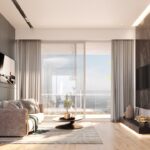
Living Room: Sheer linen curtains can let in gentle, natural light to create a cozy atmosphere. When watching television during the day, layering with a slightly heavier cotton or linen drape can provide flexibility for managing glare or for more privacy during evening events. Warmth and depth are added by the fabrics’ natural texture, which also softens the crisp lines of contemporary furniture or gives more rustic décor—which is frequently associated with Wabi-Sabi—a tactile touch. Bedroom: The goal of a bedroom is usually to create a calm haven.
A gentle wake-up rather than a startling exposure to sunlight can be ensured by soft linen curtains in subdued, soothing colors. A natural 95% blackout linen option blends in nicely with the design for people who want a darker sleeping space. It offers darkness without the artificial feel of conventional blackout materials.
Particularly in Singapore’s warm climate, these fabrics’ ability to breathe makes sleeping more comfortable. Outdoor living spaces & balconies (Covered). Soft linen & cotton can be used in sheltered or semi-outdoor areas as long as they are adequately protected, but outdoor blinds are made for strong weather resistance. Covered Balconies: Light draperies can increase the living area on enclosed or well-covered balconies, particularly those found in Singaporean landed properties or condos. Here, rather than total weatherproofing, the emphasis is slightly shifted toward light diffusion and a subtle screening effect. Think about using 100% natural linen that has been treated to provide some resistance to moisture and UV rays, or choose materials that are simple to clean or replace if they do show signs of wear from exposure to the elements.
The natural materials frequently used in outdoor furniture will be complemented by the natural textures. Outdoor roller blinds or special zip blinds would be more sensible for spaces that are exposed to the weather. Home offices and dining spaces. Light, comfort, & concentration must all be balanced in these areas.
Dining Area: During meals, particularly evening dinner parties, curtains can soften the light in a dining room. Earthy-toned natural cotton or linen can make a space feel cozy and welcoming. The dining experience is improved & harsh reflections on tableware are prevented by the soft diffusion of light. Home Office: It’s crucial to strike a balance between the ability to manage computer screen glare and natural light, which can improve mood & productivity.
Sheer linen panels work well for this because they let in natural light without being harsh. The layered approach or a slightly heavier weave can be used if greater control over light is required. Natural textiles’ soothing qualities can improve focus and lessen eye strain, making the workspace more comfortable.
Singaporean cost considerations. Depending on the kind of fabric, its quality, the need for customization, and the difficulty of installation, the price of Wabi-Sabi-inspired linen and cotton curtains in Singapore can vary significantly. The cost of fabric. From moderate to high, 100% natural linen is used. High-quality linens, particularly those with particular weaves or certifications, can be an expensive investment, and their production requires more labor than synthetics.
Premium, designer, or specially treated linens can cost up to SGD $80–100+ per metre, while mid-range quality linens can start at SGD $30–50 per metre. Although costs vary depending on cotton grade and weave density, natural cotton is typically less expensive than linen. Higher thread counts or particular textured cottons can cost between SGD $40 and SGD $60 per meter, while basic cottons start at SGD $20 to $30 per meter. Textured/Linen-Look Blends: At SGD $25–45 per meter, blends that resemble the texture of linen may occasionally be a more affordable choice.
But compared to 100% natural fibers, the tactile and visual qualities might not be as genuine. Installation and customization. Custom curtains, particularly those with particular heading styles (e.g., made-to-measure). “g.”.
pinch pleats, grommets, rod pockets) and lengths will result in extra expenses for tailoring. In order to achieve the ideal drape and fit, which is essential for the Wabi-Sabi look, this is frequently required. Hardware: The final cost is also influenced by the selection of curtain rods and hardware. The Wabi-Sabi style is enhanced by minimalist hardware, such as brushed nickel or matte black iron rods, which can cost anywhere from SGD $50 to $200+ per rod, depending on the material and length.
Professional Installation: Hiring a professional installer is advised for larger windows or complicated installations. Depending on the number of windows & the complexity of the work, this could increase the overall cost by SGD $100–300+. Overall Project Cost: Depending on the aforementioned variables, a set of custom-made linen or cotton curtains for the main living areas could cost anywhere from SGD $500 to $1500 or more for a typical HDB or condo unit. Naturally, the cost of landed properties with larger windows or more comprehensive window treatments would be higher. longevity and robustness.
Soft linen and cotton curtains typically have a long lifespan as long as they are properly maintained and not exposed to harsh environments. Linen: Strong, long-lasting linen is renowned for its quality. Linen curtains can last up to 15 years, or even longer, with the right maintenance. The fibers typically resist normal wear & tear quite well. However, prolonged exposure to strong, direct sunlight without UV protection can cause the fibers to weaken & fade.
Their integrity is preserved with regular airing and mild cleaning. Cotton: For typical home use, cotton typically lasts 8 to 12 years, which is comparable. Generally speaking, thicker weaves of cotton are more resilient than extremely fine or sheer ones. Long-term exposure to intense sunlight can deteriorate cotton fibers and cause colors to fade, just like linen.
Its lifespan will also be shortened by overwashing or using strong cleaning solutions. Singaporean durability is influenced by the following factors. Sunlight Exposure: The equatorial sun is strong in Singapore. Windows that face the afternoon sun will be most affected by UV rays.
Humidity: Although breathable, extended dampness without sufficient airflow can eventually result in mildew, which can stain and harm fibers. Frequency of Opening and Closing: Wear on the fabric, particularly at stress points like seams or rod channels, can result from opening and closing curtains frequently. Take into account: to extend life. routine mild cleaning.
Whenever feasible, use air drying. If a lot of sun exposure is anticipated, use a lining; however, depending on the lining material, this may slightly change the pure Wabi-Sabi aesthetic. ensuring adequate ventilation in areas that are humid. Essentially, adopting soft linen and cotton curtains for a Wabi-Sabi interior in Singapore provides a way to create areas that are not only aesthetically beautiful but also profoundly resonate with a philosophy of acceptance, authenticity, & serenity.
With their natural textures & subtle flaws, these textiles offer a tactile & visual link to reality, making any house a peaceful retreat.
.
FAQs
What are the key characteristics of Wabi-Sabi interiors?
Wabi-Sabi interiors emphasize simplicity, natural materials, and the beauty of imperfection. This Japanese aesthetic values rustic, organic textures, muted colors, and a sense of tranquility and authenticity in design.
Why are soft linen and cotton curtains suitable for Wabi-Sabi interiors?
Soft linen and cotton curtains complement Wabi-Sabi interiors because they are made from natural fibers that age gracefully and have a tactile, organic feel. Their subtle textures and neutral tones enhance the understated, imperfect beauty central to Wabi-Sabi design.
How do linen and cotton curtains contribute to the ambiance of a Wabi-Sabi room?
Linen and cotton curtains diffuse natural light softly, creating a warm and calming atmosphere. Their breathable fabrics add to the room’s comfort and promote a connection with nature, which is a core principle of Wabi-Sabi interiors.
Are there specific colors or patterns recommended for curtains in Wabi-Sabi interiors?
Wabi-Sabi interiors typically favor muted, earthy colors such as beige, off-white, soft gray, and natural browns. Patterns are usually minimal or absent, focusing instead on the natural texture and weave of the fabric to maintain simplicity and authenticity.
How should linen and cotton curtains be maintained to preserve their Wabi-Sabi appeal?
To maintain their natural look and feel, linen and cotton curtains should be gently washed with mild detergents and air-dried to prevent damage. Avoiding harsh chemicals and excessive ironing helps preserve the fabric’s texture and the subtle imperfections that contribute to the Wabi-Sabi aesthetic.