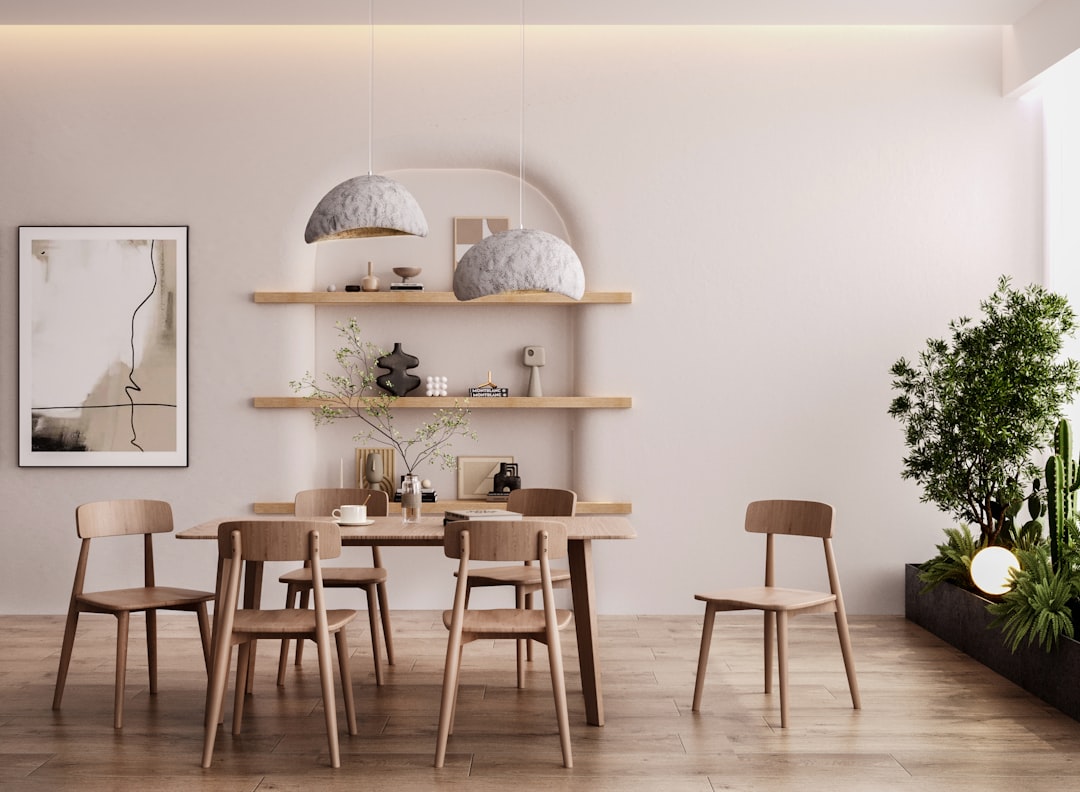
The idea of Wabi-Sabi may at first seem like an anomaly in Singapore’s busy, frequently meticulously planned environment, where accuracy and efficiency are highly valued. However, this traditional Japanese aesthetic provides a potent lens through which to reevaluate our living spaces because it finds beauty in imperfection, transience, and incompleteness. Wabi-Sabi emphasizes respecting the organic development of things, the subtle traces of time, and the innate harmony present in the raw rather than glorifying disorder.
A Singaporean home, whether it’s a large landed property, a sleek condo, an unfinished BTO, or a small HDB apartment, can be transformed into a haven of peace and authenticity by combining Wabi-Sabi with a careful approach to lighting. The role of soft, diffused lighting is becoming more and more important in the contemporary interpretation of Wabi-Sabi, which is becoming more popular as we look to future trends. Instead of the harsh glare of direct sunlight, this is a soft illumination that softens edges, caresses textures, & creates a peaceful atmosphere. Understanding how to harness and soften light is essential for creating a truly Wabi-Sabi inspired environment in Singapore, where strong sunlight can play a major role.
Wabi-Sabi design beautifully embraces the interplay of light and shadows, creating spaces that evoke a sense of tranquility and harmony with nature. For those interested in enhancing their understanding of how natural elements can influence interior aesthetics, a related article discusses the practical aspects of choosing window treatments that complement modern Singapore homes. You can explore this further in the article on curtains versus blinds, which highlights how these elements can affect light and ambiance in your living space. Check it out here: Curtains vs. Blinds for Modern Singapore Homes.
With an emphasis on how light manipulation through different window treatments can help you embrace imperfection & create a more mindful and peaceful living space, this article examines how the principles of Wabi-Sabi can be applied to your home. A Comprehensive Guide to Wabi-Sabi: The Beauty of the Imperfect. Essentially, Wabi-Sabi is a philosophy. It is an aesthetic and philosophy that recognizes the fleeting nature of everything.
It inspires us to see beauty in things that are modest, lowly, and scuffed by use and time. Imagine a wooden table with an aged patina, a cherished ceramic bowl with a small chip, or a piece of fabric that has faded and softened over time. These qualities, rather than being defects to be concealed, give the item a distinct personality and tell a tale. The following are the main components of Wabi-Sabi. Asymmetry and Irregularity: Wabi-Sabi welcomes the inherent unevenness in nature, in contrast to the flawless symmetry frequently pursued in Western design.
This could show up in the furniture placement, textile designs, or even the shapes of the décor pieces. Wabi-Sabi values austerity and simplicity, emphasizing spaces that are free of clutter and ostentation. Each piece can speak for itself without being overpowered by its surroundings because the emphasis is on key components. Using natural materials in their unprocessed or minimally processed forms, such as wood, stone, clay, linen, and cotton, is emphasized by the naturalness and authenticity principle. These materials are praised for their natural colors and textures.
Wabi-Sabi design beautifully embraces the interplay of light and shadows, creating spaces that evoke a sense of tranquility and harmony. This aesthetic philosophy, rooted in Japanese culture, finds beauty in imperfection and transience, allowing natural light to accentuate the unique textures and forms of objects. For those interested in exploring how these principles can be applied to enhance interior spaces, a related article on curtain design can provide valuable insights. You can read more about it here.
| Aspect | Description | Effect on Design | Example |
|---|---|---|---|
| Natural Light | Utilizes soft, diffused natural light | Creates a calm, serene atmosphere emphasizing imperfection | Light filtering through rice paper screens |
| Shadows | Embraces irregular and subtle shadows | Adds depth and texture, highlighting natural materials | Shadow patterns from wooden latticework |
| Contrast | Low contrast between light and dark areas | Maintains harmony and balance in the space | Soft gradations on rough plaster walls |
| Light Sources | Prefers indirect and ambient lighting | Enhances the feeling of tranquility and impermanence | Lanterns with warm, muted glow |
| Material Interaction | Light interacts with textured, natural materials | Highlights imperfections and natural aging | Sunlight on weathered wood surfaces |
Patina & Time Marks: Items that exhibit wear and age are highly prized. A testament to the object’s journey and assimilation into the home’s lived experience is this patina. Faded colors, natural weathering, or subtle indications of repair—like the ancient Japanese technique of kintsugi, in which broken pottery is repaired with gold lacquer, emphasizing the fracture as a part of the object’s history rather than a flaw—are examples of this. Transience and Incompleteness: Nothing lasts forever, according to Wabi-Sabi. This acceptance makes us feel at ease and motivates us to value things as they are while acknowledging that they will eventually change.
Wabi-Sabi design beautifully embraces the interplay of light and shadows, creating spaces that evoke a sense of tranquility and harmony. This aesthetic philosophy highlights the beauty in imperfection and the natural world, allowing light to enhance the textures and forms of a space. For those looking to optimize their living environment while incorporating elements of Wabi-Sabi, understanding how to manage sunlight can be crucial. You might find it helpful to explore this related article on how to block heat from west-facing windows, which offers practical tips for maintaining a comfortable atmosphere while still enjoying the beauty of natural light. Check it out here.
Wabi-Sabi is becoming more and more evident in many areas of design. For instance, in upcoming Wabi-Sabi trends in home design for 2026, there’s a pronounced emphasis on Japanese home styles. These styles are characterized by soft, diffused lighting, the thoughtful use of natural textures, & an embrace of imperfection through ambient lighting techniques.
In a similar vein, trends in kitchen design are shifting away from sterile, excessively polished looks & toward celebrating imperfect beauty, simplicity, & coziness. The Crucial Role of Light Play in Wabi-Sabi. In the context of Wabi-Sabi, light is not merely an illumination source; it is an active participant in defining the atmosphere and enhancing the aesthetic.
The goal is not to banish darkness, but to sculpt with light, creating a nuanced interplay of shadow and radiance. This is where the practicalities of home design in Singapore become paramount. Our tropical climate presents unique challenges & opportunities when it comes to light. The intense tropical sun can be overwhelming, leading to heat gain and glare. Wabi-Sabi, with its emphasis on softness and tranquility, offers a counterpoint to this intensity.
Instead of fighting the sun, we can learn to work with it, transforming its raw power into a gentle, ambient glow. Embracing Soft, Diffused Light. Soft, diffused light is the cornerstone of Wabi-Sabi’s visual language. It avoids harsh shadows and direct glare, instead creating a gentle, evenly spread illumination.
This type of light is incredibly flattering to natural materials, highlighting their textures & subtle variations without creating distracting reflections. It encourages a sense of calm and depth within a space. Consider the difference between a room flooded with direct sunlight, creating stark contrasts, and a room where light is filtered through a translucent fabric or bounced off a textured wall.
The latter offers a much more serene & inviting ambiance, perfectly aligning with the Wabi-Sabi ethos. This subtle manipulation of light is not about creating artificial effects, but about revealing the inherent beauty of the space and its contents. Window Treatments as Tools for Light Sculpting. In Singapore, your windows are the primary gateways for natural light and heat.
Therefore, the choice of window treatments is critical in achieving a Wabi-Sabi aesthetic and managing the tropical climate. These treatments are not just functional; they are active contributors to the mood and character of your home. Translucent Curtains: The Gentle Veil. Translucent curtains, often made from natural fibres like linen or cotton blends, are perhaps the most direct way to achieve soft, diffused lighting. When sunlight passes through them, it softens, losing its harshness and spreading a gentle glow throughout the room.
This type of window treatment is ideal for living areas and bedrooms where a tranquil atmosphere is desired. Functionality in Singapore: In Singapore’s climate, translucent curtains can help to moderate the intensity of the sun, reducing direct glare & heat ingress without completely blocking out natural light. This is a delicate balance that Wabi-Sabi aesthetics seek to perfect. Wabi-Sabi Appeal: The natural textures of linen and cotton, even when translucent, retain an earthy, authentic feel. Their slight imperfections, such as subtle slubs or variations in weave, align perfectly with the Wabi-Sabi appreciation for the unrefined.
Over time, these fabrics may fade subtly, adding to their Wabi-Sabi charm. Sheer Curtains: The Ethereal Whisper of Light. Sheer curtains take the concept of diffusing light a step further. They are extremely lightweight and allow a significant amount of light to pass through, but in a highly softened & dispersed manner. While they offer minimal privacy during the day, they create a beautiful, ethereal quality of light that is deeply consonant with Wabi-Sabi’s appreciation for transience & subtle beauty.
Climate Considerations: Sheer curtains are excellent for Singapore’s climate as they allow for maximum daylight penetration while helping to scatter direct sunlight. They contribute to a feeling of airiness in rooms that might otherwise feel enclosed. Aesthetic Harmony: The delicate nature of sheer fabrics, often in neutral tones, adds a layer of refinement without being ostentatious. They create a gentle barrier between the interior and exterior, fostering a sense of gentle separation and introspection.
Roller Blinds with Diffused Fabrics: Modern Simplicity. For a more contemporary take on diffused light, roller blinds made from fabrics designed to soften light offer a practical solution. These blinds can be lowered to control the amount of light entering a room, but the fabric itself is engineered to scatter light rather than allow direct passage. Balcony and Living Spaces: These are particularly useful for balconies in Singapore apartments or condos, where direct sun can be intense.
They provide a shield against glare while maintaining a connection with the outdoors. Minimalist Appeal: The clean lines of roller blinds can suit a minimalist Wabi-Sabi interpretation. When paired with a diffused fabric, they offer a subtle yet effective way to control light quality.
Controlling Light and Privacy with Natural Materials. Wabi-Sabi embraces natural materials, and this extends to how we control light and maintain privacy. The goal is to achieve these functions in ways that are harmonized with the aesthetic principles of imperfection and naturalness.
Venetian Blinds: Crafted Shadows and Light Patterns. While often associated with a more polished look, Venetian blinds can be used in a Wabi-Sabi context, particularly those made from natural wood or bamboo. The beauty lies in how they allow you to precisely control the angle of light, creating dynamic patterns of light and shadow that shift throughout the day. Singapore Homes: In HDBs and condos, Venetian blinds made from wood can add a touch of organic warmth to living rooms or bedrooms.
The ability to tilt the slats allows for a nuanced balance of light and privacy, crucial for managing the intense Singapore sun. Imperfection in Wood: Natural wood, even in a precisely manufactured blind, possesses inherent variations in grain and colour. This subtle irregularity can be seen as a Wabi-Sabi characteristic, adding depth and authenticity. However, it’s important to note that certain highly polished or synthetic-looking Venetian blinds might detract from the Wabi-Sabi feel. Zip Blinds: Seamless Integration and Light Filtration.
Zip blinds, often used for balconies and outdoor spaces in Singapore, offer a contemporary solution that can be adapted to Wabi-Sabi principles, especially when using fabrics that offer light diffusion. These blinds provide a clean, unobtrusive way to manage sunlight & offer privacy. Balcony Serenity: For many Singapore homeowners, balconies are an extension of their living space. Zip blinds can transform these areas into tranquil retreats. When lowered, they can filter the harsh afternoon sun, creating a more comfortable environment for relaxation, aligning with Wabi-Sabi’s pursuit of peace.
Fabric Choice is Key: The success of zip blinds in a Wabi-Sabi home hinges on the fabric. Opting for fabrics with a textured weave or a matte finish that diffuses light rather than reflecting it will best suit the aesthetic. Natural Fibre Blinds: Bamboo & Woven Wood. Blinds made from natural fibres like bamboo, straw, or woven wood offer an immediate connection to nature.
Their inherent textures and organic variations are perfectly aligned with Wabi-Sabi’s embrace of natural materials and their imperfections. Humidity Tolerance: In Singapore’s humid climate, it’s important to select bamboo or wood treatments that are treated for moisture resistance or to understand their natural wear patterns. The slight warping or changes in colour that might occur over time can be embraced as part of their Wabi-Sabi journey. Warmth & Texture: These blinds bring a tangible sense of earthiness into a home, exuding warmth and a connection to the natural world.
They create a soft, dappled light that contributes to a serene atmosphere. Motorised Solutions: Convenience Meets Mindfulness. The integration of motorised curtains & blinds offers a modern approach to light control, which can be surprisingly compatible with Wabi-Sabi principles if approached thoughtfully. The key is to use automation not for excessive convenience, but as a tool to achieve optimal light conditions with minimal disruption.
Motorised Curtains: Effortless Light Control. Motorised curtains allow for effortless opening and closing, programmable to adjust to the changing light throughout the day. This can be particularly useful for large windows or balcony doors. Mimicking Natural Cycles: You could, for instance, program curtains to gently open in the morning, allowing the soft dawn light to enter, and to close in the afternoon to soften the intense sun. This mimics natural cycles and promotes a mindful interaction with the environment.
Maintaining Serenity: The quiet, smooth operation of motorised curtains avoids the manual adjustments that can sometimes disrupt a peaceful atmosphere. This seamlessness contributes to the overall sense of calm. Motorised Blinds: Precision and Ease.
Motorised blinds offer precise control over light intensity and direction. This allows for fine-tuning the ambient light in a room to suit the mood and time of day. Smart Home Integration: In a smart home setup, motorised blinds can be integrated with other systems, allowing for automated adjustments based on external light sensors or time schedules.
This level of automation, when used to enhance the natural interplay of light and shadow, aligns with a mindful approach to technology. Balcony Management in Singapore: For balconies, motorised blinds can provide an uncomplicated way to manage the strong Singapore sun. Pre-set schedules can ensure the space is comfortable for morning coffee or evening relaxation without manual intervention. Room-Based Applications: Crafting Wabi-Sabi Zones.
The application of Wabi-Sabi principles, guided by light play, can be tailored to different areas within a Singapore home. Living Areas: In living rooms, the aim is to create a welcoming yet peaceful atmosphere. Translucent curtains or natural fibre blinds can soften the daylight, creating a gentle glow that highlights textured furniture and decor. Venetian blinds made from wood can offer a more dynamic light control, creating intricate shadow patterns. Bedrooms: For bedrooms, the emphasis is on creating a sanctuary of rest.
Soft, diffused light from linen curtains or sheer fabrics promotes relaxation. Motorised blackout curtains can be integrated for times when complete darkness is desired, but the primary focus remains on gentle illumination. Balconies and Outdoor Spaces: In Singapore’s tropical climate, balconies often experience intense sun.
Zip blinds with light-diffusing fabrics or natural woven blinds can transform these areas into extensions of the calm interior. They provide a welcome respite from the sun while maintaining a connection to the outdoors, an important aspect of embracing imperfection by integrating with nature. Kitchens: While the kitchen is a space of activity, a Wabi-Sabi approach can bring a sense of groundedness.
Simple roller blinds with diffused fabrics can manage light without being overly fussy. The beauty of imperfect ceramics & natural wood elements will be enhanced by the soft, ambient light. Home Offices: For a home office, a balance of light is essential to maintain focus & well-being. Roller blinds or carefully angled Venetian blinds can provide controlled light that reduces glare on screens, while still allowing the subtle beauty of natural light to create a serene workspace. Climate Considerations: Adapting to Singapore’s Tropical Heat and Humidity.
Singapore’s tropical climate presents specific challenges that influence the choice and performance of window treatments. Heat Management: The intense equatorial sun can lead to significant heat gain within homes. Window treatments that effectively diffuse or block direct sunlight are crucial. Translucent curtains, light-filtering blinds, and thicker fabrics for motorised curtains can help to reduce the heat load, making the home more comfortable & potentially reducing reliance on air conditioning.
Humidity & Airflow: High humidity levels can affect certain materials. Natural fibres like cotton & linen can absorb moisture, while wood can be susceptible to warping. Choosing treatments made from specially treated materials or opting for more durable options like certain synthetics blended with natural fibres can be beneficial.
Ensuring adequate airflow around window treatments is also important. For instance, leaving a small gap between a zip blind and the wall can help prevent moisture buildup. UV Protection: Prolonged exposure to the strong tropical sun can cause fading and degradation of furnishings. Window treatments that offer UV protection can help preserve the integrity of your furniture and the fabrics themselves, contributing to the longevity of their aesthetic appeal and reducing the need for premature replacement, fitting with the Wabi-Sabi philosophy of valuing what you have. Maintenance and Lifespan: Embracing Longevity.
The Wabi-Sabi appreciation for the passage of time extends to the care and longevity of your home furnishings. Maintenance Tips:. Regular Dusting: For most window treatments, regular dusting with a soft cloth or a vacuum cleaner brush attachment is sufficient. Curtains: Most fabric curtains can be machine washed on a gentle cycle with mild detergent, or dry-cleaned, depending on the fabric composition. Always check the care label. Air drying in shade is recommended to prevent fading.
Blinds: Wooden or bamboo blinds can be wiped down with a slightly damp cloth. Avoid excessive moisture. For fabric roller blinds, spot cleaning is often best.
For Venetian blinds, a gentle dusting or a wipe with a damp cloth is usually effective. Motorised Systems: Follow the manufacturer’s guidelines for cleaning and maintenance of motorised components. Regular checks to ensure smooth operation are advisable. Lifespan: The lifespan of window treatments varies significantly based on material, quality of construction, & exposure to the elements. Fabric Curtains: High-quality fabrics, properly maintained, can last 5-15 years or more. Natural fibres might show wear and tear earlier, but this can contribute to their Wabi-Sabi appeal.
Blinds: Wooden blinds can last 10-20 years, while bamboo & woven wood blinds might have a slightly shorter lifespan depending on exposure to humidity. Roller and Zip Blinds: Depending on the fabric & mechanism, these can last 7-15 years. Motorised Components: The motors and electronic components of motorised curtains & blinds typically have a lifespan of 5-10 years, though this can be extended with proper care and maintenance. In conclusion, embracing Wabi-Sabi in your Singapore home is a journey of appreciating the authentic, the transient, and the imperfect.
Through the thoughtful application of light play, using a variety of window treatments, you can transform your living space into a haven of tranquility, where the gentle interplay of light & shadow celebrates the beauty of natural materials & the quiet passage of time. By understanding the unique climatic conditions of Singapore and opting for practical, enduring solutions, you can cultivate a home that is not only aesthetically pleasing but also deeply resonant with a mindful and peaceful way of living.
. This shift is also evident in Wabi-Sabi art in modern homes (2025 onward), where a rising movement in minimalism and mindfulness utilizes soft, diffused light to enhance natural textures like weathered wood and imperfect ceramics, creating authentic, serene spaces.
The emerging Wabi-Sabi design trend itself champions asymmetry, patina, and techniques like kintsugi repairs, promoting tranquility through natural, imperfect elements like cracked ceramics and worn textiles. Even in the realm of Wabi-Sabi photography and light play, there’s a marked preference for soft, diffused light, shallow depth of field, and natural textures, prioritizing authentic, emotional storytelling over unattainable perfection.
FAQs
What is Wabi-Sabi design?
Wabi-Sabi is a Japanese aesthetic that embraces imperfection, impermanence, and simplicity. It values natural materials, organic forms, and a sense of tranquility, often highlighting the beauty found in aging and weathered objects.
How does Wabi-Sabi design incorporate light?
Wabi-Sabi design uses natural light to create a soft, calming atmosphere. It often emphasizes diffused, indirect light that enhances textures and highlights the natural imperfections of materials, contributing to a serene and contemplative space.
What role do shadows play in Wabi-Sabi design?
Shadows in Wabi-Sabi design add depth and dimension, creating a dynamic interplay between light and dark. They emphasize the transient nature of the environment and highlight the subtle beauty of irregular surfaces and forms.
Why is the interplay of light and shadow important in Wabi-Sabi?
The interplay of light and shadow reflects the Wabi-Sabi principles of impermanence and simplicity. It brings attention to the natural changes in a space throughout the day, fostering mindfulness and appreciation for the present moment.
Can Wabi-Sabi design be applied in modern interiors?
Yes, Wabi-Sabi design can be integrated into modern interiors by using natural materials, embracing imperfections, and thoughtfully incorporating natural light and shadows. This approach creates warm, inviting spaces that feel authentic and grounded.