The equatorial climate of Singapore poses particular difficulties for homeowners who want to minimize intense sunlight and maintain comfortable indoor temperatures. The interior environments of HDB apartments, condos, BTO units, and even landed properties can be greatly impacted by the ubiquitous heat and strong solar radiation, which are intensified by the urban environment. This article provides useful information for Singaporeans by examining several window covering options intended to reduce heat and glare.
Comprehending the characteristics and uses of various window treatments can result in more comfortable and energy-efficient living environments. The effect of solar radiation on indoor comfort. Interior heat gain & glare are directly caused by solar radiation, which includes visible light, ultraviolet (UV) rays, and infrared (IR) radiation. The temperature of the room can rise when sunlight enters through a window and warms interior surfaces. The “greenhouse effect” is a term frequently used to describe this phenomenon in residential settings.
Intense glare can cause eye strain, interfere with visual tasks, and reduce a room’s overall utility in addition to thermal discomfort. Controlling solar heat gain is essential for Singaporean homes, where high temperatures are a regular occurrence. This will lessen the need for air conditioning, which will affect electricity use and household costs. Heat Gain Mechanisms. The two main methods of solar heat gain are radiation and convection.
Glass windows allow sunlight to heat interior objects and air, which subsequently radiates heat back into the space. The solar heat gain coefficient (SHGC), which measures the percentage of incident solar radiation that enters through a window as heat, is the most important factor in tropical climates, though the U-value of a window, which gauges its resistance to heat flow, also matters. The purpose of efficient window coverings is to lower this SHGC.
Glare Mitigation Techniques. Excessive brightness contrast in the field of vision is the cause of glare. Glare from bright surfaces or direct sunlight can be a major annoyance. Diffusing, rerouting, or obstructing incoming light are all effective ways to reduce glare & produce a more evenly lit space.
| Window Covering Type | Glare Reduction (%) | Heat Reduction (BTU/hr) | Energy Savings Potential (%) | Light Transmission (%) |
|---|---|---|---|---|
| Solar Shades | 70-90 | 300-500 | 10-15 | 10-30 |
| Blackout Curtains | 95-100 | 400-600 | 15-20 | 0-5 |
| Cellular Shades | 60-80 | 350-550 | 20-25 | 20-40 |
| Venetian Blinds | 50-70 | 200-400 | 5-10 | 30-60 |
| Reflective Films | 80-95 | 450-650 | 15-25 | 15-35 |
This enhances aesthetic comfort while shielding artwork and furniture from damaging UV deterioration. Cellular and Honeycomb Shades: The Barrier of Insulation. Cellular shades, also called honeycomb shades, are a cutting-edge way to reduce glare and provide thermal insulation. They serve as an air trap thanks to their unique design, which consists of several hexagonal pockets.
Heat transfer between the interior & outside environments is severely hampered by this trapped air, which serves as an insulating barrier. The construction of cellular shades and their thermal performance. Cellular shades have air pockets that create a thermal break, much like tiny double-glazed windows.
This means that in Singapore’s climate, cool air from air-conditioned rooms is less likely to escape & hot air from the outside is less likely to enter. They are especially good at controlling indoor temperatures because of this intrinsic insulating quality, which may result in lower energy usage. UV-blocking materials can also be incorporated into the fabric used in these shades, further shielding interior furniture from sun damage & enhancing indoor comfort. Cellular Shades: Light Control and Privacy.
Cellular shades come in a range of opacities, from blackout to sheer. Sheer options can retain some visibility to the outside while diffusing harsh sunlight into a gentler glow. Blackout or room-darkening cellular shades provide total seclusion and light blocking, making them perfect for media rooms or bedrooms where total darkness is required. Whether in an HDB apartment, BTO, or condo, their pleats offer a simple, uncluttered look that complements the majority of contemporary Singaporean home designs. Solar Shades: Harmonizing Protection and View.
Unlike conventional blinds, solar shades are designed to control solar radiation while maintaining outdoor views. They are a sensible option for Singaporean homes with balconies, like those found in many condominiums and HDBs, or for rooms with appealing views because they are made of woven fabrics intended to block UV rays and reduce glare. Material composition and UV shielding. Solar shades’ woven fabric usually contains special materials that filter a large amount of incoming solar radiation.
This makes it possible to minimize glare & heat gain without totally blocking out the outside world. The percentage of the weave that lets light through is known as the “openness factor” of a solar shade, & it affects both the view-through and the degree of UV protection. Greater UV blockage & glare reduction are provided by a lower openness factor, whereas a clearer view is possible with a higher factor. These shades are especially helpful for shielding priceless artwork, flooring, and furniture from the fading and deterioration brought on by extended UV exposure, which is a frequent problem in Singapore’s sunny climate.
Use and Visual Appeal. Solar shades complement the modern and contemporary interior designs found in many Singaporean homes with their sleek and minimalistic appearance. Their trouble-free, smooth surface adds to the line’s cleanliness. They work especially well in dining rooms, living rooms, and home offices where natural light is preferred but glare needs to be controlled.
Solar shades provide the perfect mix of practical advantages and aesthetic integration for condominiums with large windows that overlook the city or more picturesque surroundings. The future of climate control: intelligent & automated window coverings. An important development in controlling indoor climate and convenience is the incorporation of smart technology into window coverings. When connected to smart home systems, motorized blinds and curtains can dynamically adapt to the surroundings, providing previously unheard-of control over heat and glare. Automated Environmental Factor Response.
Imagine curtains that close when a smart thermostat senses an increase in interior temperature, or blinds that automatically lower as the morning sun’s intensity rises. By lowering solar heat gain, this automatic adjustment maintains thermal insulation and improves energy efficiency. In order to anticipate and lessen the effects of Singapore’s heat and sun, systems can be programmed to react to pre-established schedules or real-time weather data. Busy HDB and condo residents who want convenience and energy efficiency will find this kind of automation especially appealing. Integration of Smart Home Ecosystems with ease.
Contemporary motorized blind & curtain systems can be easily incorporated into current smart home systems. This enables control through voice commands via smart assistants, smartphone apps, or even complex home automation processes. For example, you could set your motorized blinds to partially close while you are at work during the hottest part of the day, keeping your house cooler when you get home. By lowering exposure to direct sunlight, this not only improves comfort but also extends the life of interior furnishings. Layered window treatments: increased control and versatility.
Combining several coverings for a flexible and adaptive approach to light, privacy, and heat management is known as layering window treatments. Whether in an HDB bedroom or a condo living area, this method enables Singaporean homeowners to customize their window solutions to meet particular needs throughout the day. Blending Blockout and Sheer Choices.
Pairing sheer curtains or shades with a more opaque option, like roller blinds or blackout curtains, is a popular layering technique. During the day, the sheer layer can reduce glare while preserving a feeling of brightness and airiness by diffusing harsh sunlight into a soft, ambient glow. In living rooms or study spaces where diffused light is desired, this is especially helpful. The opaque layer can be drawn in the evening or when more seclusion and darkness are needed, totally obstructing outside views and light.
Comprehensive control over the interior environment is provided by this dual functionality, which can adjust to changing solar conditions and individual preferences. Benefits in terms of appearance and functionality. Layered window treatments have significant aesthetic benefits in addition to practical ones. A room can gain depth and visual appeal by combining various textures, colors, & opacities. For instance, a strong venetian blind combined with a delicate sheer curtain can provide precise light control and an elegant appearance.
This strategy is especially flexible for landed properties with larger windows or HDB apartments where privacy requirements must be balanced with the desire to maximize natural light during specific hours. Natural Beauty and Light Diffusion in Woven Wood Shades. Woven wood shades are becoming a more and more popular option for Singaporean homes that prefer an earthy or eco-conscious design because they provide a special combination of practical functionality and natural aesthetics. These shades, which are made from organic materials like bamboo, jute, and grasses, add a unique texture & warmth to an interior while also reducing glare. Material Characteristics and Diminished Glare.
Incoming sunlight is naturally diffused by the intrinsic weave of woven wood shades, lessening harsh glare without totally obstructing the view. A soft, dappled effect that can be especially pleasing is produced by the tiny gaps in the weave, which allow for some light filtration. By lowering direct solar penetration, they help create a cooler interior even though they don’t provide the same level of thermal insulation as cellular shades. In Singaporean condos and landed homes, minimalist or resort-style aesthetics are frequently complemented by their raw, organic textures, which bring a sense of nature indoors.
Integrating design and sustainability. Woven wood shades are a desirable choice for homeowners who value sustainable materials. They are built using renewable resources, which is in line with eco-friendly design principles. They add a touch of natural sophistication and can be successfully incorporated into a variety of interior styles, from modern to more traditional.
A feature window in a BTO apartment or a balcony door leading to an outdoor area are two examples of spaces where a strong design statement is desired without overpowering the overall decor because of their subtle visual interest. Extra Options for Light Control: Accuracy and Adaptability. In addition to the categories listed above, other window coverings provide specific glare and heat management solutions that meet Singapore’s various architectural styles and functional needs. Roller Shades: Effectiveness & Simplicity. Roller shades are a popular option because of their uncluttered appearance & straightforward operation.
They provide efficient light control and come in a variety of textiles, including blackout and light-filtering. To further minimize heat gain & block UV rays, their smooth surfaces can be specified with solar-protective coatings. They work especially well in HDB or BTO units, where a minimalist appearance and space optimization are frequently sought after. They are a sensible option for daily living in Singapore because of their durability & ease of use.
Expandable Window Solutions: Panel Track Systems. Panel track systems offer a sophisticated and practical solution for houses with large windows or sliding glass doors, like those frequently found in condos with spacious balconies or landed properties. Large fabric panels that slide horizontally along a track make up these systems, which provide strong light control and privacy. Because the panels can be positioned to precisely block direct sunlight, they are especially useful for controlling glare and heat across large openings. Their simple, vertical lines avoid visual clutter while offering significant coverage, contributing to an elegant and modern aesthetic.
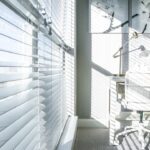
Venetian Blinds: Modifiable Airflow & Light. Venetian blinds provide exact control over light and airflow thanks to their horizontally stacked slats. One can effectively reduce glare while allowing ambient light to enter by tilting the slats to direct natural light upward or downward. Customizable levels of privacy & ventilation are made possible by the slats’ adjustable angle, which is a useful feature in Singapore’s humid climate.
Venetian blinds made of aluminum can also aid in reducing heat by reflecting solar radiation. They are a flexible option for a variety of residential interiors, from landed property living rooms to HDB kitchens, due to their timeless design. Singapore’s Climate, Lifespan, and Maintenance. Because of Singapore’s tropical climate, choosing window coverings requires careful consideration of material durability, upkeep, & overall product lifespan. The performance and durability of different materials can be affected by extreme heat, strong sunlight, & widespread humidity.
Both material durability and humidity. The high humidity in Singapore makes careful material selection necessary. Particularly for coverings in spaces like bathrooms or balconies, fabrics that are resistant to mildew and mold are ideal. For blinds, materials like PVC or some treated fabrics are frequently more moisture-resistant than some natural fabrics. Water-resistant and UV-stabilized textiles are crucial for outdoor blinds, such as zip blinds, to avoid premature deterioration.
Frequent room ventilation can also help reduce humidity-related problems, particularly in HDB and BTO units. Maintenance procedures. The majority of window coverings in Singapore require routine dusting for maintenance. Dust buildup can be removed from fabric blinds and curtains by periodically vacuuming with a brush attachment. For the majority of stains, spot cleaning with water and a mild detergent is usually adequate.
It might be necessary to clean venetian blinds slat by slat. Although there is little physical maintenance needed for motorized systems, it is advisable to periodically check electrical connections or battery levels. Because they are exposed to the elements, outdoor blinds—including zip blinds—may need more frequent cleaning, which usually entails rinsing & wiping down the fabric. To maintain the integrity and appearance of the material, it is essential to follow the cleaning instructions provided by the manufacturer. Singaporean cost ranges.
Depending on the type, material, level of customization, and whether or not motorization is included, window coverings in Singapore can vary greatly in price. Venetian and roller blinds typically cost between S$80 and S$300 per window, depending on the size & type of material (e.g. (g). conventional fabric versus.
Aluminum solar screen vs. PVC), and by hand vs. cordless functionality. Curtains: Depending on the fabric, length, heading style, and single or double track system, a set of drapes can cost anywhere from S$100 to S$500+ per window. Custom-made curtains can cost a lot more.
Cellular/Honeycomb Shades: Depending on cell size, opacity, and operating mechanism (corded, cordless, top-down/bottom-up), they typically cost between S$150 and S$450 per window. Similar to cellular shades, solar shades range in price from S$150 to S$450+ per window, depending on material quality & openness factor. Woven Wood Shades: Depending on the kind of organic material and intricacy of the weave, these windows typically cost between S$200 and S$600. Zip Blinds (Outdoor): Because of their specialized construction, wind resistance features, & frequently larger dimensions, these more durable outdoor solutions can cost anywhere from S$800 to S$2,500+ per balcony opening or window. Motorized Systems: Depending on the motor brand, smart home integration capabilities, and power source (battery vs. electricity), adding motorization to any blind or curtain can raise the price by S$250 to S$800 per unit.
firmly wired). These numbers are estimates that may change depending on particular suppliers, the difficulty of the installation, & any current promotions. estimated lifespan. In Singapore, material quality, exposure to sunlight and humidity, and routine maintenance all affect how long window coverings last.
Standard Blinds & Curtains: The majority of indoor fabric blinds and curtains can last five to ten years with the right maintenance. Excellent & Specialized Blinds (e.g. The g. Cellular, Solar): These materials may last up to 8 or 15 years because they frequently have superior UV & heat resistance.
Motorized Systems: Depending on brand quality and usage frequency, the motors themselves can last anywhere from seven to twelve years. External Blinds (e.g. A g. Zip Blinds): Made to withstand harsh weather, premium outdoor blinds are built to last, typically lasting 8 to 15 years if properly maintained and UV-stabilized. The longevity of your selected window coverings can be greatly increased with regular maintenance and consideration for the unique difficulties posed by Singapore’s climate.
.
FAQs
What types of window coverings are effective in reducing glare?
Common window coverings that reduce glare include blinds, shades, and curtains made from materials that diffuse or block sunlight. Options like roller shades, cellular shades, and Venetian blinds allow control over light levels to minimize glare.
How do window coverings help in reducing heat inside a room?
Window coverings can block or reflect sunlight, preventing excessive heat from entering a room. Reflective blinds, thermal curtains, and cellular shades provide insulation and reduce solar heat gain, helping to keep indoor temperatures cooler.
Are there specific materials that are better for heat reduction in window coverings?
Yes, materials with reflective coatings, thermal linings, or cellular structures are more effective at reducing heat. For example, blackout curtains with thermal backing and honeycomb cellular shades trap air and provide insulation against heat.
Can window coverings improve energy efficiency in a home?
Absolutely. By reducing heat gain in summer and heat loss in winter, window coverings help maintain comfortable indoor temperatures, which can lower the need for air conditioning and heating, leading to energy savings.
Is it possible to reduce glare and heat without completely blocking natural light?
Yes, many window coverings are designed to filter light rather than block it entirely. Sheer curtains, light-filtering shades, and adjustable blinds allow natural light to enter while reducing glare and heat, maintaining a bright and comfortable environment.