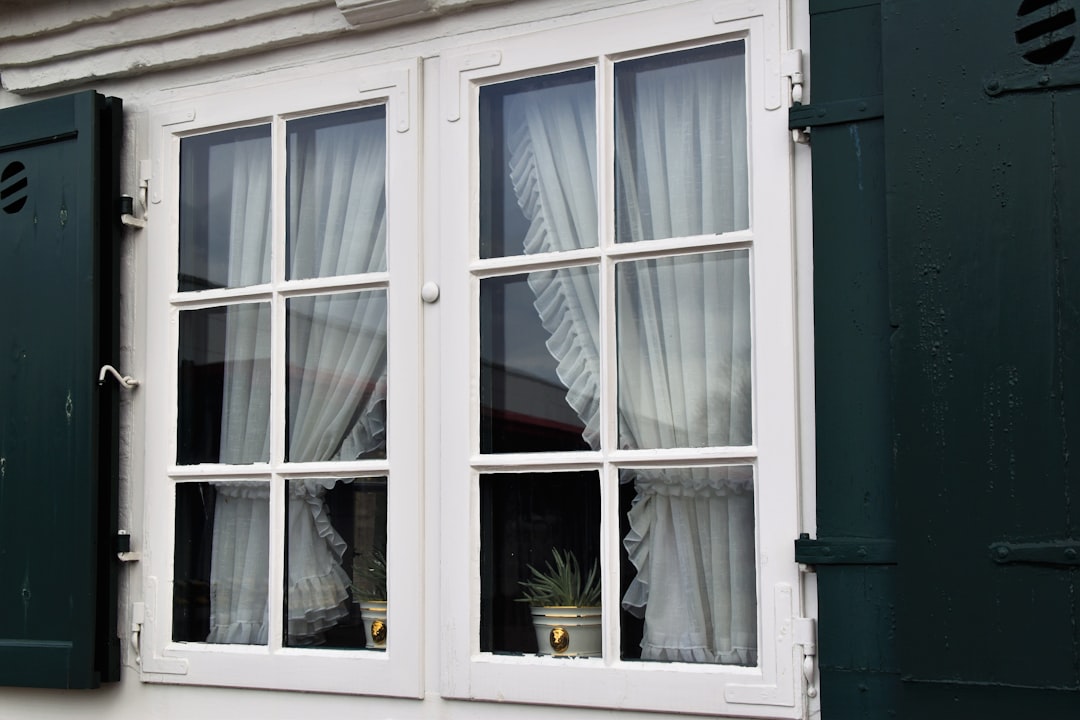
Wabi-Sabi window coverings for Singapore’s high-humidity environments. The tropical climate of Singapore, which is marked by persistently high temperatures and humidity, poses special interior design challenges, especially with regard to window coverings. While enduring the difficult environmental conditions, homeowners in HDB apartments, condos, BTO units, and landed properties frequently look for solutions that provide relief from the intense sun, guarantee privacy, and regulate indoor temperatures. The Wabi-Sabi aesthetic, which prioritizes materials and designs that are both aesthetically pleasing & functional, offers a compelling design philosophy that can be carefully applied to window treatments in such an environment.
It embraces natural imperfections, simplicity, and authenticity. Recognizing Wabi-Sabi in a Tropical Setting. The Wabi-Sabi philosophy emphasizes the subtle elegance of rustic and unrefined elements, the beauty of impermanence, and natural processes. This translates to a preference for natural, breathable materials that age gracefully and resist moisture-related problems when it comes to window coverings for a high-humidity environment like Singapore. Practical factors like durability, upkeep, and the capacity to reduce heat & humidity must be balanced with aesthetic appeal during the selection process.
For those interested in Wabi-Sabi window coverings suitable for high-humidity climates, exploring the benefits of Venetian blinds can provide valuable insights. These blinds not only complement the aesthetic of Wabi-Sabi design but also offer practical advantages in tropical environments. To learn more about how Venetian blinds perform in such climates, you can read this related article at Venetian Blinds in Tropical Climates.
Breathable fabrics are essential. The choice of fabric is crucial for Wabi-Sabi window treatments in humid climates. It is strongly advised to use materials with a reputation for being breathable and naturally resistant to mildew. Cotton is a common and adaptable natural fiber that can be woven into a variety of textures, from crisp plains to more textured slubs. It is also breathable.
Its capacity to permit airflow is essential for avoiding moisture accumulation and, consequently, mildew development. Cotton can absorb moisture despite its general durability, so proper ventilation is crucial. Linen: Because of its natural qualities, linen stands out as a great option.
It is a robust fiber that comes from the flax plant and is well-known for being breathable & moisture-wicking. In humid environments, linen fabrics are less prone to microbial growth because they dry more quickly than cotton. Linen textiles’ inherent slubs & small flaws complement the Wabi-Sabi style flawlessly, giving them a simple yet sophisticated appearance.
For those interested in enhancing their living spaces with Wabi-Sabi window coverings suitable for high-humidity climates, exploring the benefits of natural materials can be quite enlightening. A related article discusses how these materials not only complement the aesthetic of Wabi-Sabi design but also offer practical advantages in moisture-rich environments. You can read more about this fascinating topic in the article found here. Embracing the beauty of imperfection while ensuring functionality can truly transform your home.
| Product | Features | Benefits |
|---|---|---|
| Wabi-Sabi Window Coverings | Water-resistant material | Resistant to mold and mildew in high-humidity climates |
| Wabi-Sabi Window Coverings | Easy to clean | Low maintenance in humid environments |
| Wabi-Sabi Window Coverings | Durable construction | Long-lasting solution for high-humidity areas |
One major benefit is that it can provide insulation against heat and gently filter light. Hemp: Hemp fabric is very durable, breathable, & naturally resistant to UV deterioration and mildew, all of which are desirable qualities shared by linen. It provides a slightly coarser texture than linen, adding to the natural, unpolished finishes’ Wabi-Sabi appeal. The sustainable nature of hemp also aligns with the Wabi-Sabi lifestyle’s tendency toward environmental consciousness. These natural fibers help to improve air circulation in a space, which is essential for controlling humidity levels & providing thermal comfort. Also, they naturally diffuse harsh sunlight into a softer, more ambient glow, which is consistent with the Wabi-Sabi preference for soft illumination over bright, artificial light.
For those interested in enhancing their living spaces with Wabi-Sabi window coverings, especially in high-humidity climates, a related article can provide valuable insights. This piece discusses the benefits of choosing the right materials that not only complement the aesthetic of Wabi-Sabi but also withstand the challenges posed by moisture. You can explore more about this topic in the article found here, which offers practical tips and recommendations for selecting the perfect window treatments.
Layering for aesthetics and functionality. Intelligent layering is a crucial tactic for optimizing the advantages of Wabi-Sabi window coverings in Singapore’s climate. This method enables better thermal performance, more privacy, and flexible light control. Sheer Wabi-Sabi Curtains: The first layer, which is closest to the window, is best made of materials like muslin or light linen in a sheer weave. By allowing natural light to pass through while blocking out harmful rays, these textiles offer UV protection while preserving an airy, bright environment.
Their soft texture and delicate drape add to the Wabi-Sabi style, which exudes subtle elegance and lightness. They provide some privacy during the day without totally blocking views. Combining with Blinds or Shades: You have more options when you combine sheer curtains with a second layer of blinds or shades.
When necessary, this combination provides complete privacy as well as extra protection from the harsh sun. In humid environments, a secondary blind can also control the weight and drape of the fabric, preventing heavier materials from sagging or developing mildew. Using this layering technique, homeowners can modify the amount of light and privacy throughout the day according to their needs and the Singapore sun’s intensity.
Improving Wabi-Sabi with Particular Window Treatment Types. In addition to fabric selections, certain types of window coverings have intrinsic benefits for Wabi-Sabi aesthetics in high-humidity settings. Their natural materials and simple designs frequently fit the philosophy perfectly. Plantation Shutters: Sturdy & fashionable. Because of their remarkable resilience, plantation shutters—especially those made of wood or composite—are becoming more popular in tropical and coastal regions like Singapore.
Resistance to Humidity & Salt Air: High-quality plantation shutters are designed to endure high levels of moisture and salt air without warping or deteriorating, which is a common issue given Singapore’s climate. They are a long-term investment because of their longevity. Sun Protection and Airflow: The louvers can be precisely adjusted to control light and airflow. In order to manage indoor comfort in HDBs or condos with restricted air circulation, homeowners can angle the louvers to block direct sun exposure, reducing solar heat gain, while still allowing breezes to circulate.
Wabi-Sabi Aesthetic: Larger louvers (usually 3.5 to 4.5 inches) are becoming more and more popular for a modern Wabi-Sabi look. These wider slats perfectly capture the unadorned beauty at the heart of Wabi-Sabi, providing a bolder, more minimalist appearance when closed and a cleaner, more expansive view when open. Their presence of sturdy, organic materials gives the area a sense of permanence and quality without being overpowering. Reimagined for Humidity: Roman Shades.
Roman shades, which are renowned for their graceful folds and clean lines, are making a comeback thanks to innovations that specifically address problems in humid climates. Modern Systems for Damp Fabric: If traditional Roman shades made of heavy fabrics absorbed moisture, they could become heavy and mildew-prone. Modern Roman shade systems use better mechanisms and materials that prevent moisture absorption and speed up drying in order to better manage the possible weight of damp fabric.
This implies that homeowners won’t have to deal with major humidity-related maintenance problems while still enjoying the soft, fabric-based aesthetic. Material Selection: Choosing the proper fabric is essential when choosing Roman shades in Singapore. The Wabi-Sabi texture & breathability can be obtained from linen, hemp, or even specially treated cotton.
When made of natural materials, the folds of Roman shades can exquisitely display their natural texture, adding to the feel of rustic authenticity. Woven wood shades and bamboo. The Wabi-Sabi philosophy of accepting organic textures and natural flaws is aptly embodied in bamboo, reed, and other woven natural materials. Moisture Resistance: Bamboo is a great option for humid environments because it is inherently resistant to moisture and warping. Bamboo keeps its structural integrity, in contrast to some woods that may swell or crack.
Natural Filtering: By producing complex patterns of light and shadow that change throughout the day, these woven shades offer a special kind of light filtering that improves a room’s organic feel. They frequently let in ambient light while blocking direct views, providing a good mix of privacy & light. Aesthetic Integration: Bamboo shades’ earthy tones and variety of textures blend in perfectly with Wabi-Sabi & sustainable interior design, providing a visually soothing and grounded component. They add a natural component that links the indoor and outdoor areas and resonates deeply with the Wabi-Sabi love of the natural world. Climate-related issues & the integration of smart homes.
Because of Singapore’s unique climate, window coverings must actively promote thermal comfort and energy efficiency in addition to aesthetic appeal. Controlling the Sun and Heat. Much of the design decisions are dictated by the intense equatorial sun. Solar Heat Gain Reduction: For HDB, condo, and landed homeowners, solar heat gain can greatly increase indoor temperatures and air conditioning expenses.
Therefore, effective window coverings are essential. Layered sheer-over-blind systems or thicker linen are examples of fabrics with insulating qualities that aid in creating a barrier against outside heat. For balconies, plantation shutters and external zip blinds work especially well at preventing direct sunlight from entering the living area. UV Protection: In addition to heat, UV radiation can cause artwork, flooring, & furniture to fade.
Wabi-Sabi window coverings have built-in UV filtering capabilities, especially those composed of natural fibers like hemp and linen. This protection is further improved by layering sheers made especially for UV blockage. Methods for Mitigating Humidity. If mold and mildew are not prevented, high humidity is a persistent problem.
Breathability and Air Circulation: Wabi-Sabi window treatments directly address these issues by emphasizing breathable natural fabrics. These textiles aid in preventing moist, stagnant air from clinging to windows, which is ideal for the growth of microorganisms, by allowing air to circulate freely. Window coverings are important, but in order to further lower indoor humidity, homeowners must also make sure that there is enough ventilation through open windows (when the outside humidity permits) or mechanical ventilation systems. These initiatives should be aided by window coverings, not impeded. Integration of smart homes and motorization.
Incorporating Wabi-Sabi window coverings with smart home systems can provide unmatched convenience and efficiency for a truly elegant and useful solution in contemporary Singaporean homes. Motorized Curtains and Blinds: Using motorized curtains and blinds that are controlled by a smart home system makes it possible to precisely & easily adjust light, privacy, & heat gain throughout the day. This is especially useful for windows that are hard to reach, like those in high-rise condos or double-volume living areas, or for larger homes. Automated Scheduling: Homeowners can program motorized window coverings to open and close at predetermined times.
For instance, they can close to block sunlight during the hottest parts of the day and reopen later to let in ambient light. By lowering the need for air conditioning, this automation not only improves comfort but also helps save energy. Sensor Integration: When incorporated with environmental sensors (e.g. “g.”. motorized Wabi-Sabi blinds or curtains, which provide dynamic control over the indoor climate without human intervention, can automatically adjust themselves in response to changing outdoor conditions.
The Wabi-Sabi concept of harmony with nature is consistent with this passive indoor environment management. Singapore’s cost ranges. In Singapore, the price of Wabi-Sabi window coverings can differ greatly depending on the material, level of complexity, & whether or not motorization is included. These ranges can change and are merely indicative. Simple Wabi-Sabi curtains made of hemp, linen, and cotton.
For a typical HDB window, basic sheer or unlined panels cost between S$150 and S$350 each. For condo or landed properties, lined or more intricately designed panels cost between S$300 and S$800+ per window. Roman Shades: Linen, Bamboo. Standard HDB windows cost between S$250 & S$600 to operate manually.
Premium fabrics, larger or custom-sized windows: S$500 to S$1,000+. Plantation Shutters: Wood and Composite. Typical sizes range from S$400 to S$800 per square meter. Custom materials, colors, or larger installations cost between S$700 and S$1,200 or more per square meter.
Shades of Bamboo and Woven Wood. Manual operation: S$200 to S$550 for each window. S$400 to S$800+ per window for larger sizes or special weaves. Blinds for Outdoor Use (e.
A g. Zip Blinds for Balconies): Although not made entirely of Wabi-Sabi materials, these blinds efficiently control the sun and heat in outdoor areas. For a small balcony, standard motorized zip blinds cost between S$1,200 and S$2,500.
Bigger motorized installations with cutting-edge features: S$2,000 to S$5,000+. Motorization Add-on. The cost of a single blind/curtain track ranges from S$300 to S$800 per unit, depending on the complexity of the smart home system, plus installation and control system integration fees.
These projections do not account for the possible expenses of sophisticated smart home integration beyond simple motorization, complicated installation scenarios, or extensive customization. Lifespan & Upkeep Advice. In Singapore’s humid climate, proper maintenance is essential to extending the life of Wabi-Sabi window coverings. general maintenance for natural textiles.
Frequent Dusting/Vacuuming: To remove dust, pollen, and airborne particles, gently vacuum curtains and blinds once a week or every two weeks using a soft brush attachment. This keeps fabrics looking new and avoids accumulation. Spot Cleaning: Use a clean, damp cloth and a mild, pH-neutral soap to gently dab at small spills or marks. Steer clear of harsh chemicals that could discolor or harm natural fibers.
Test first in a discreet location. Professional Cleaning: To ensure longevity and completely remove accumulated dirt, curtains may need to be professionally dry cleaned every one to three years, depending on the fabric and its weaving. For detailed cleaning instructions, refer to the manufacturer’s recommendations. Air Circulation: Make sure there is adequate airflow around window coverings, particularly in high-humidity areas like kitchens or bathrooms.
To minimize moisture accumulation & avoid mildew, open windows or use fans whenever you can. Regular cleaning of the fabric and tracks on balconies with outdoor blinds helps keep mold from growing. Plantation shutters and woven wood require special attention. Wiping Down: To get rid of dust and grime, plantation shutters made of wood or composite can be cleaned with a moist cloth.
Steer clear of too much moisture and use wood-safe cleaning products for wooden shutters. Light Cleaning: Bamboo or woven wood shades can also be cleaned with a dry cloth or a light vacuum. Steer clear of getting them too wet. Mould Prevention: Keep an eye out for any indications of mould or mildew on the back of blinds & shutters, especially at the edges, when the humidity is high. Early detection makes removal with the right cleaners simpler.
Life Expectancy. The quality of the material, exposure to the elements (particularly sunlight and humidity), and upkeep can all have a big impact on how long window coverings last. Natural fabric curtains (linen, cotton, and hemp) should last five to ten years with proper maintenance. Intense, direct sunlight can weaken fibers while also causing natural fading over time, which is consistent with the Wabi-Sabi acceptance of aging.
Roman Shades (Natural Fabrics): 5–10 years, like curtains. If the operating mechanisms are properly maintained, they frequently have longer lifespans. Wooden or composite plantation shutters are typically quite sturdy.
If well-maintained and not subjected to severe abuse, high-quality composite or treated wood shutters can endure for more than 15 to 25 years in a humid environment. Expect 7–15 years for bamboo/woven wood shades. Their longevity is partly attributed to their innate resistance to moisture. Motorized Components: The motors themselves usually come with a 3–7 year warranty, but with careful use, they can last up to 10 years. Before the mechanical parts, the electronics could be a point of failure.
All things considered, Wabi-Sabi window coverings for high-humidity regions like Singapore provide a special fusion of useful functionality & minimalist aesthetic appeal. Homeowners can design areas that are both aesthetically pleasing and resistant to the harsh tropical climate by emphasizing breathable natural materials, adding thoughtful layering, & taking into account contemporary solutions like motorization. Long-term comfort, energy efficiency, and a lasting sense of serenity and natural elegance are all results of investing in high-quality, suitable materials.
.
FAQs
What are Wabi-Sabi window coverings?
Wabi-Sabi window coverings are a type of window treatment that embraces the Japanese aesthetic of Wabi-Sabi, which values imperfection, simplicity, and the beauty of natural materials. These coverings often use natural materials such as bamboo, linen, or cotton, and are designed to create a sense of calm and tranquility in a space.
How do Wabi-Sabi window coverings work in high-humidity climates?
Wabi-Sabi window coverings are well-suited for high-humidity climates because they are often made from natural materials that are breathable and resistant to moisture. These materials allow for air circulation and can help prevent the growth of mold and mildew, making them a practical choice for areas with high humidity.
What are the benefits of using Wabi-Sabi window coverings in high-humidity climates?
Using Wabi-Sabi window coverings in high-humidity climates can offer several benefits. These coverings can help regulate the humidity levels in a space, provide a natural and organic aesthetic, and contribute to a sense of calm and relaxation. Additionally, their resistance to moisture can help prolong their lifespan in humid environments.
What types of Wabi-Sabi window coverings are suitable for high-humidity climates?
Wabi-Sabi window coverings that are suitable for high-humidity climates include bamboo shades, linen curtains, cotton drapes, and other natural fabric treatments. These materials are breathable, moisture-resistant, and can withstand the challenges of humid environments.
How can I maintain Wabi-Sabi window coverings in a high-humidity climate?
To maintain Wabi-Sabi window coverings in a high-humidity climate, it is important to regularly clean and dust them to prevent the buildup of mold and mildew. Additionally, ensuring proper ventilation in the space can help reduce moisture levels and prolong the lifespan of the coverings.