It can be difficult to sort through Singapore’s wide selection of window covering options for a new BTO apartment. In light of Singapore’s particular needs, such as the country’s constant heat and harsh sun, as well as the need for privacy & space efficiency in HDB & BTO layouts, this guide attempts to give a thorough overview of fashionable & useful solutions. In order to choose the best window treatments for their homes, homeowners must weigh their aesthetic preferences against practical needs like light control, thermal regulation, and ease of maintenance in an environment with high humidity. Creating a cozy and energy-efficient living space requires an understanding of the different types that are available, their material compositions, and their suitability for various areas within a BTO flat. The advancements in window coverings, which provide more complex ways to control light and privacy and even integrate with smart home systems, are evolving along with Singapore’s urban landscapes. The selection of window coverings in Singapore’s BTO apartments is heavily influenced by their layout and spatial limitations.
BTO units frequently have small living spaces and balconies, in contrast to larger landed properties, necessitating careful consideration of space-saving measures. A lot of HDB and BTO developments are high-rise, which brings with it additional factors like wind exposure and the requirement for sturdy, secure installations, especially for treatments that face the outside. The tropical climate of Singapore and how it affects window coverings. The equatorial climate of Singapore is marked by high temperatures, strong sunshine, and constant humidity. These environmental elements are the main determinants of window covering choice.
Heat and Sunlight: Direct sunlight can raise indoor temperatures considerably, leading to a greater need for air conditioning and, ultimately, higher electricity costs. Excellent window solutions that provide UV protection and thermal insulation are highly prized. For example, advanced solar-adaptive weaves and moisture-wicking linings are being used more & more to actively lower heat gain & lessen the chance of mildew growth, which is a common problem in humid climates. Humidity: Elevated humidity levels can promote the growth of mold and mildew and cause some materials, like natural wood, to deteriorate. Therefore, it is better to use materials that are moisture-resistant or have moisture-wicking qualities, especially for spaces like kitchens, bathrooms, and unused service yards.
Privacy: Many residents are very concerned about protecting their privacy because HDB and BTO blocks are so close to one another. Coverings for windows must successfully block out views from nearby apartments without unduly reducing natural light. Durability: Window coverings that are resilient to fading, warping, and degradation over time are essential due to the windows’ continuous exposure to heat, humidity, and sunlight. Investing in high-quality materials frequently results in improved performance and a longer lifespan.
Guidelines for HDB Safety and Compliance. The safety regulations of HDB must be followed when installing window coverings in both HDB & BTO apartments. For external fixtures like outdoor blinds, where structural integrity and public safety are crucial factors, this is especially pertinent. It is recommended that homeowners seek clarification from their managing agent or HDB regulations regarding specific requirements, particularly when it comes to exterior modifications.
| Window Covering Type | Material | Light Control | Privacy Level | Maintenance | Estimated Cost Range | Suitability for BTO Flats |
|---|---|---|---|---|---|---|
| Roller Blinds | Fabric (Polyester, PVC) | Medium to High | High | Low (Wipe clean) | 50 – 150 | Highly suitable for compact windows |
| Venetian Blinds | Aluminum, Wood, PVC | Adjustable (High control) | High | Medium (Dusting required) | 70 – 200 | Good for living rooms and bedrooms |
| Vertical Blinds | Fabric, PVC | High | High | Medium | 80 – 180 | Suitable for large windows and sliding doors |
| Curtains | Fabric (Cotton, Linen, Polyester) | Variable (depends on fabric) | Variable | Medium to High (Washing required) | 40 – 250 | Versatile, adds aesthetic value |
| Sheer Curtains | Lightweight Fabric | Low to Medium | Low | Medium | 30 – 100 | Good for diffused light and layering |
| Window Films | Adhesive Vinyl | Medium | Medium to High | Low | 20 – 80 | Space-saving, good for privacy |
| Shutters | Wood, PVC | High | High | Low to Medium | 150 – 400 | Durable, adds value but space-consuming |
Curtains’ adaptability in terms of texture, design, & light control makes them a timeless option for many Singaporean homes. Contemporary aesthetic preferences and the local climate present significant challenges that are addressed by modern curtain innovations. Curtain Types and How They Work. Blackout curtains are a must for bedrooms because they provide optimal light blocking for better privacy and sleep quality.
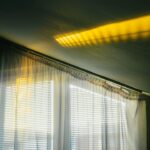
Moreover, their thick fabric offers superior thermal insulation, lowering daytime heat gain. Day curtains, also known as sheer curtains, provide a delicate balance between letting in some natural light and preserving some privacy during the day. They reduce glare without creating a cramped, dark space. S-fold (Wave Fold) Curtains: Known for their sophisticated, consistent wave designs, S-fold curtains are becoming more and more popular due to their sleek, minimalist design. They offer a modern substitute for conventional pleated curtains and stack neatly.
The sleek appearance created by the even folds is appropriate for contemporary BTO interiors. Layered Curtains: The most flexible light and privacy control is possible when blackout and day curtains are combined. This makes it possible for homeowners to adjust to various needs and times of day by switching smoothly from full light to total darkness. Material Aspects of the Climate in Singapore.
Blends of polyester: favored for their ease of maintenance, wrinkle resistance, & longevity. Contemporary polyester blends provide exceptional resistance to fading and moisture while simulating the texture and appearance of natural textiles. Superior Weaves and Linings: The 2026 trends emphasize superior moisture-wicking linings and solar-adaptive weaves. These innovations provide a useful advantage in Singapore’s humid environment because they are specifically made to reflect solar radiation, which reduces heat gain, and to effectively manage moisture, which prevents the growth of mildew.
drawbacks and benefits of curtains. Advantages: Great sound absorption, remarkable thermal insulation (particularly blackout), high aesthetic versatility, the ability to be layered for dynamic light control, & a cozy, cozy feel. Cons: May gather dust & allergens (although this is lessened with frequent cleaning); need more room to stack than other blinds; some people may find them less minimalist; mildew may develop if not properly maintained in humid environments. Use cases based in rooms. Living Room: For both quiet and entertaining evenings, layered curtains with sheer and blackout options offer flexibility.
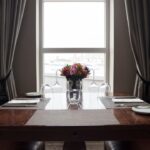
S-fold curtains add to the contemporary design. Blackout curtains are essential in bedrooms for the best possible sleep. Using sheers to create layers can add atmosphere throughout the day. Dining Area: Light-filtering or sheer curtains to reduce glares and let in natural light.
Price and lifespan. Singapore’s cost range is as follows: for a typical BTO window (e.g. A. SGD 300 to SGD 1,500+ for custom curtains, depending on the fabric and level of complexity (e.g., 2-panel). G.
S-fold in comparison to… common), as well as the track system. Lifespan: 5–15 years, contingent on maintenance, sun exposure, and material quality.
Premium UV-protected synthetic blends typically have a longer lifespan. Maintenance Advice. Dust can be controlled with routine vacuuming using an upholstery attachment or, if the fabric is suitable, gentle machine washing. A basic wipe-down might be enough for fabrics that wick away moisture or resist mold growth.
Make sure there is enough air flow to stop mildew from growing. Blinds—especially roller blinds—are becoming more and more common in BTO and HDB apartments because of their low maintenance requirements, ability to reduce allergies (due to their dust-repellent qualities), & rising demand for smart motorized options. Blinds are a modern, space-efficient option that complements the minimalist style frequently used in BTO interior design. The Multipurpose Workhorse is the roller blind.
A single piece of fabric makes up roller blinds, which provide a neat and unobtrusive appearance by rolling up neatly into a headrail. Types: Offering fine control over light and privacy, these come in a range of opacities, from sheer (sunscreen) to dim-out & blackout. Materials: Blends of polyester are frequently used because they are strong and resistant to moisture. Because of their easy cleaning and water resistance, PVC or perforated roller blinds are ideal for damp spaces like bathrooms & kitchens.
Intelligent Options: By integrating motorized roller blinds with smart home systems, it is possible to schedule them for energy efficiency and operate them remotely using voice commands or apps. Traditional Control with a Contemporary Touch: Venetian Blinds. The horizontal slats that make up Venetian blinds can be raised all the way for an unhindered view or tilted to control light and privacy. Materials: Because it provides the visual appeal of real wood without being susceptible to warping or cracking from Singapore’s humidity, faux wood is a popular choice for BTO apartments.
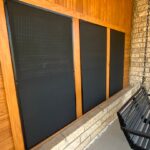
Lightweight and long-lasting, aluminum venetian blinds are ideal for spaces that need the most light control. Benefits & Drawbacks: Great for accurate ventilation and light control. If not cleaned frequently, they may collect dust, and cords could be dangerous for small children or pets (cordless options are available). Zip track blinds: The protector of the balcony. Often referred to simply as “zip blinds,” zip track blinds are made especially for outdoor or semi-outdoor areas, such as patios and balconies in BTO apartments. They provide a safe, taut finish as they follow a track system.
Function: Provides complete protection from the sun, rain, wind, and even insects, effectively bringing the indoor living area outside onto the balcony. Their fabrics are weatherproof and UV resistant. Motorized Options: Popular for their ease of use, motorized zip blinds can be controlled remotely, giving homeowners the ability to quickly and easily adjust them to changing weather conditions without requiring manual labor. This is a crucial feature for high-floor BTO units that are exposed to strong winds.
Despite their great functionality, homeowners must make sure that installing zip blinds on balconies conforms with HDB regulations, especially when it comes to facade modifications. General Blinds: Benefits and Drawbacks. Advantages: Saves room, requires little upkeep, is allergy-friendly (particularly for roller blinds), provides accurate light control, has a contemporary appearance, works well for smaller windows.
Cons: Certain types may be noisier in windy conditions and may not be as insulating as curtains (e.g. G. may not provide the same “soft” look as curtains, such as older venetian blinds. use cases that are room-based.
PVC or perforated roller blinds are the best options for kitchens and bathrooms because they are easy to clean and resistant to moisture. Study/Home Office: To reduce screen glare, Venetian blinds provide precise light control. Balcony: In BTOs, zip blinds are essential for establishing a functional, secure outdoor area. Blackout or dim-out roller blinds are a stylish, understated option for living rooms and bedrooms. The price and lifespan. Price range (Singapore).
Depending on the motorization and fabric opacity, roller blinds cost between SGD 150 and SGD 600 per window. Faux wood Venetian blinds cost between SGD 200 and SGD 700 per window. Depending on size and motorization, zip blinds (for a typical balcony) can cost anywhere from SGD 800 to SGD 3,000+. Lifespan: Depending on material, exposure, and upkeep, roller and venetian blinds last 7–12 years, while zip blinds last 5–10 years. Tips for Maintenance.
Generally speaking, a moist cloth can be used to clean roller and venetian blinds. Venetian blinds should be dusted frequently to avoid excessive dust buildup. Zip blinds can be kept looking and working like new by cleaning them occasionally with water and a mild detergent, as directed by the manufacturer. For BTO homeowners, the addition of motorized systems to curtains & blinds signifies a major improvement in control, convenience, and energy efficiency.
With its smooth operation and improved quality of life, this technology is a perfect fit for Singapore’s growing trend of smart homes. How Motorization Operates. With the help of tiny, silent motors, motorized window coverings can be opened, closed, or adjusted with a single button press, a remote control, a smartphone app, or even voice commands when connected to smart home hubs. advantages for homeowners in BTOs.
Convenience: Easily operate window coverings, particularly for windows that are difficult to reach or that have several windows open at once. This is especially helpful in BTO apartments where windows may be high or behind furniture. Energy Efficiency: To maximize natural light & minimize heat gain during the hottest parts of the day, program curtains or blinds to open and close at predetermined times. Lower energy costs and less use of air conditioning may result from this. Security: To discourage possible intruders, program window coverings to open and close at random while you are away from home.
This will give the appearance that the house is occupied. Child & Pet Safety: Since there are no longer any cords to pull, motorized options are perfect for households with small children or pets. Improved Lifestyle: Assist in creating a chic and contemporary living space that includes seamless integration with other smart home appliances and customizable ambiance settings.
Things to Think About for Motorized Systems. Source of Power: The majority of systems need to be connected to a power outlet. There are battery-operated options that provide flexibility but need periodic battery replacement or recharging. Make sure the motorized system you’ve selected is compatible with any current or future smart home ecosystems.
G. for complete integration (Google Home, Amazon Alexa, Apple HomeKit). Installation: To guarantee proper wiring, motor calibration, & seamless operation, professional installation is frequently advised. Advantages and disadvantages of automated window coverings. Advantages include unparalleled ease of use, improved security, modern aesthetics, increased safety, & increased energy efficiency.
Cons include a higher starting price, a need for electricity or batteries, & the possibility of incompatibility with intricate smart home configurations. Both price and lifespan. Budget (Singapore): The motorization raises the price.
On top of the price of the curtain or blind itself, budget an extra SGD 200 to SGD 600+ per window for the motor and related parts for a typical BTO window. Depending on the type of motor (wired vs. brand, system complexity, & battery. Lifespan: Depending on quality & usage frequency, the motors usually last five to ten years.
The fabric’s or material’s inherent durability determines how long it will last. Maintenance Advice. Make sure the motorized tracks have unobstructed paths. Debris accumulation can be avoided by lightly dusting motors and tracks on a regular basis.
Check the battery levels in systems that run on batteries & recharge or replace them as necessary. Sustainable & energy-efficient window covering options are becoming more popular among BTO homeowners as environmental awareness rises. In addition to promoting a more environmentally friendly way of living, these choices are advantageous given Singapore’s climate. Fabrics made from recycled polyester.
Sustainability: By using recycled polyester curtains & blinds, post-consumer plastic bottles are used to reduce landfill waste and save resources. Performance: These textiles frequently maintain the virgin polyester’s colorfastness, durability, and resistance to wrinkles, which makes them suitable for Singapore’s humid climate. Trends: These materials can also integrate moisture-wicking linings & sophisticated solar-adaptive weaves, providing functional and environmental benefits. Cellular blinds with honeycomb shades. Energy Efficiency: The special design of honeycomb shades includes cellular pockets that retain air to form an insulating layer.
This considerably lessens heat transfer through the window, keeping interiors warmer during cooler months (though less frequent in Singapore) and cooler in Singapore’s climate. Noise Reduction: In high-density HDB/BTO housing, the air pockets’ ability to absorb sound has the added benefit of creating a calmer interior atmosphere. Versatility: Comes in a range of opacities, from sheer to blackout, and single, double, or triple cell configurations.
Anti-mildew treatments & moisture-wicking linings. Climate Adaptation: Linings with moisture-wicking technology actively work to remove moisture from fabrics, especially curtains, avoiding the dampness that promotes the growth of mildew. Longevity: Fabrics treated with anti-mildew and anti-bacterial agents last longer for window coverings and help to improve the quality of the air indoors. These characteristics are essential for fabrics used in places that are prone to high humidity or condensation, like service yards or windows facing unshielded balconies. Advantages and disadvantages of creative & eco-friendly options.
Advantages include less of an impact on the environment, better thermal insulation (honeycomb shades), better indoor air quality, and increased resilience in humid environments. Cons: The initial cost could be higher than with traditional options, and there might be fewer designs or patterns available. Use cases based in rooms. Honeycomb shades are the best option for sound absorption & thermal insulation in living rooms and bedrooms.
For a sustainable option, use recycled polyester blinds or curtains in every room, particularly if you’re adding cutting-edge climate-adaptive features. Both price & lifespan. Price Range (Singapore). Recycled polyester curtains & blinds: Usually about the same as regular polyester, but maybe a little more expensive (SGD 350 to SGD 1,600+ per window). Generally higher, honeycomb shades range from SGD 250 to SGD 800+ per window, contingent on the size & opacity of the cells.
Lifespan: Usually excellent, 7–15 years, because of the materials’ natural durability and frequently improved climate-resistant qualities. Maintenance Advice. The majority of honeycomb shades & eco-friendly textiles are made to be low maintenance; they frequently just need to be dusted or spot cleaned occasionally. Always consult the manufacturer’s instructions for detailed cleaning procedures to maintain their unique qualities. A comprehensive analysis of a variety of factors is necessary to make an informed choice regarding window coverings for your BTO apartment.
A functional, cozy, and energy-efficient living space that is adapted to Singapore’s particular climate and the realities of HDB/BTO living is more important than just aesthetics. Important elements that influence decisions. Budget: Set a reasonable spending limit while taking into account the range of prices, from high-end motorized zip blinds for balconies to more affordable polyester roller blinds. Recall that long-term savings in energy use and replacement expenses can result from an initial investment in high-quality materials and climate-adapted features.
Light and Privacy Needs: Give each room’s light exposure and privacy needs careful consideration. Windows that face north or south may need less light control than windows that face east or west, which receive strong morning or afternoon sunlight. Likewise, units on the ground floor or those that face adjacent blocks will require more privacy. Room Function: The best window covering for a given room depends on its purpose.
Light-filtering for living spaces, moisture-resistant for damp areas, and blackout for bedrooms. Interior design & aesthetics: window coverings are an important component of design. They should blend in with your BTO apartment’s overall interior design, whether it’s modern, Scandinavian, industrial, or minimalist. Think about color, texture, and pattern when choosing the colors for your walls & furniture.
The amount of time and effort you are willing to invest in cleaning and maintaining your window coverings should be reasonable. For busy homeowners, low-maintenance options like roller blinds or easily cleaned synthetic curtains may be preferable. Durability and Climate Resistance: Materials that are resistant to fading, warping, and mildew should be given priority due to Singapore’s high levels of heat and humidity.
Solutions with strong weather-resistant qualities, moisture-wicking capabilities, or UV protection will last longer. Smart Home Integration: If you’re building a smart home, think about getting motorized blinds & curtains. If you decide to use wired motorization, place power outlets close to windows. HDB Regulations: To prevent future issues, always confirm that external installations, such as zip blinds on balconies, comply with HDB regulations. Comparing the main characteristics.
| Feature | Curtains | Roller Blinds | Venetian Blinds (Faux Wood) | Zip Blinds (Outdoor) | Honeycomb Shades |.
// | :– | : | :- | :- | :– |.
Classic, clean, allowing for slat tilt control; modern, robust, integrated into the façade; soft, traditional, luxurious, versatile; sleek, minimalist, modern; & clean, contemporary, discrete. Light Control | Exceptionally adaptable (sheer, dim-out, blackout, layering) | Good (sheer, dim-out, blackout) | Excellent (slat tilting for precise control) | Good (depends on fabric opacity) | Excellent (top-down/bottom-up options)?
• Privacy | Excellent (particularly with blackout/layered) | Good (depending on opacity) | Good (depending on slat angle) | Excellent (depending on fabric opacity) | Excellent (cellular structure) |.
| Heat Reduction | Fair to Good (material dependent, e.g.) | Good (particularly with thermal lining/advanced weaves). 3. blackout) | Fair (some heat gain through slat gaps) | Excellent (outdoor fabrics that filter UV light) | Excellent (trapped air insulation) |.
• Humidity Resistance | Vary (polyester blends/moisture-wicking lining is best) | Good (polyester, PVC) | Good (faux wood, aluminum) | Excellent (weather-resistant materials) | Good (synthetic materials) |….
| Maintenance | Moderate (vacuuming, occasional washing) | Low (wipe down) | Moderate (frequent dusting, sporadic wipe down) | Low (hose down, sporadic wipe down) | Low (dusting, spot cleaning) |.
| Efficiency of Space | Moderate (needs stacking space) | High (rolls up neatly) | High (compact stack when raised) | High (often integrated into balcony structure) | High (compact stack when raised) |…. |.
| Price range (per window) | SGD 300 to 1,500+ | SGD 150 to 600 | SGD 200 to 700 | SGD 800 to 3,000+ (for balcony) | SGD 250 to 800. Lifespan | 5-15 years | 7-12 years | 5-10 years (heavy outdoor exposure) | 7-15 years |……………………………………………………………. | 5-15 years.
| Smart Integration | Yes (Motivated Curtains) | Yes (Motivated Roller Blinds) | Less common (possible with specific systems) | Yes (Motivated Zip Blinds) | Less common (possible with specific systems) .
By carefully considering these elements in relation to your own tastes and the unique features of your BTO apartment, you can choose window covering options that are both fashionable and useful, improving your years-long experience living in Singapore.
.
FAQs
What types of window coverings are suitable for BTO flats?
Common window covering options for BTO flats include curtains, blinds, roller shades, and shutters. Each type offers different levels of light control, privacy, and aesthetic appeal, allowing residents to choose based on their preferences and the design of their flat.
Are there any restrictions on installing window coverings in BTO flats?
Generally, there are no strict restrictions on installing window coverings in BTO flats as long as they do not affect the external appearance of the building or violate any estate management rules. It is advisable to check with the Housing & Development Board (HDB) or the estate management office for specific guidelines.
How can window coverings help with energy efficiency in BTO flats?
Window coverings like thermal curtains or reflective blinds can help reduce heat gain from sunlight, thereby lowering indoor temperatures and reducing the need for air conditioning. This contributes to energy savings and improved comfort in BTO flats.
What factors should be considered when choosing window coverings for BTO flats?
Key factors include the amount of natural light desired, privacy needs, ease of maintenance, durability, and compatibility with the flat’s interior design. Additionally, considering the size and shape of the windows can help in selecting the most effective window covering solution.
Can window coverings be customized for BTO flats?
Yes, many suppliers offer customized window coverings tailored to the specific dimensions and design preferences of BTO flat windows. Customization allows for better fit, enhanced functionality, and a more cohesive look with the home’s interior.