Homeowners face a distinct set of difficulties due to Singapore’s tropical climate, which is marked by high humidity & plenty of sunshine. In addition to providing natural light, the unrelenting sun emits a substantial amount of ultraviolet (UV) radiation. From speeding up the deterioration of interior furnishings to affecting our personal wellbeing, this unseen enemy can have a significant impact on our homes. Maintaining a cozy, fashionable, and long-lasting living area requires knowing how to lessen these effects.
Often disregarded, UV-blocking curtains prove to be a potent, yet subtle, defense against these ubiquitous solar rays. In Singapore, residents of HDB apartments, BTO units, condominiums, & landed properties view these specialty window treatments as a wise investment in the longevity and standard of their living space rather than just an aesthetic choice. A portion of the electromagnetic spectrum, UV radiation is mainly UVA, UVB, & UVC. While UVA & UVB rays reach the earth’s surface & enter our homes, UVC rays are mostly blocked by our atmosphere.
Similar to a silent sculptor, these rays subtly alter and deteriorate the components of our living areas. the harmful consequences for human health. UV radiation exposure is not limited to outdoor settings. Prolonged exposure through windows can have serious health effects, even if you live in a Singaporean home. UVA rays are mainly associated with wrinkles, skin aging, & DNA damage to skin cells because they penetrate deeper into the skin. UVB rays are the main source of sunburn and play a significant role in the development of skin cancer due to their higher energy.
It is crucial to defend your loved ones and yourself from these unseen attackers. With up to 99.2 percent protection against UVA rays and an astounding 99.9 percent protection against UVB rays, UV-blocking curtains offer a strong barrier that effectively turns your windows into a shield against these dangerous elements. Think of your curtains as a protector, firmly separating you from the sun’s rays while permitting light to enter but blocking out its harmful rays. Maintaining Your Treasured Assets.
Though they specialize in fading, the sun’s rays are also an unrelenting artist. Sunlight can discolor your wooden flooring, bleach and deteriorate the vivid colors of your upholstery, & reduce the sentimental & monetary worth of your photos & artwork over time. UV exposure directly causes this phenomenon, which is referred to as photodegradation. The breakdown of pigments in textiles & dyes causes materials to fade and weaken irreversibly.
| Metric | Value | Unit | Description |
|---|---|---|---|
| UV Blocking Percentage | 98 | % | Percentage of UV rays blocked by the curtain fabric |
| Fabric Material | Polyester with UV coating | N/A | Type of fabric used for UV protection |
| Light Transmission | 15 | % | Amount of visible light allowed through the curtain |
| Durability | 5 | Years | Expected lifespan of UV-blocking effectiveness |
| Fire Retardant Rating | Class B | N/A | Safety rating for fire resistance |
| Maintenance | Machine washable | N/A | Recommended cleaning method |
| Thickness | 0.5 | mm | Fabric thickness contributing to UV protection |
| Color Options | 10 | Variants | Number of available colors for curtains |
Think of your beloved Persian rug losing its elaborate vibrancy or your sofa, which was once a rich sapphire blue, gradually turning into a muted, pale shade. The life & aesthetic integrity of your interior furnishings are preserved by UV-blocking curtains, which function as a potent preservative. By blocking these harmful rays, they guarantee that your home décor investments will continue to be as alluring as the day you bought them.
UV-blocking curtains provide significant advantages in controlling the interior climate of your home, addressing one of the most important issues for Singapore homeowners: heat, in addition to providing protection against fading & health hazards. reducing the amount of solar heat gain. Because of Singapore’s constant warmth, air conditioners frequently run for long periods of time, which raises household utility costs considerably. Heat gain from the sun through windows is a major contributor to this energy consumption. Ordinary double-pane windows convert about 76% of the sunlight they receive into heat, essentially making them radiators.
By acting as a vital thermal barrier, UV-blocking curtains lower the quantity of solar radiation that enters your house. They greatly reduce the heat load on your interior spaces by blocking or absorbing these rays before they enter. Your air conditioner will need to work less hard to maintain a comfortable temperature as a result of this direct decrease in heat transfer. Consider this a way to give your air conditioner a well-earned vacation so it can work more intelligently rather than harder. helping to reduce utility costs.
The direct result of less solar heat gain is a discernible drop in energy usage. Your air conditioners work better when they don’t have to fight as much heat from the outside. For homeowners who live in HDB apartments, condominiums, or landed properties, this results in noticeable monthly electricity bill savings.
UV-blocking curtains are a financially advantageous investment that pays for itself over time because of the potential for significant savings. Also, some of these curtains’ materials, like blended wool, function as natural insulators, keeping warm in the winter and blocking heat in the summer (although this is less common in Singapore, good insulation is always a plus). Their energy-saving potential is further increased by this dual functionality, making them an excellent option for long-term financial prudence. A benefit of UV-blocking curtains that is frequently disregarded relates to indoor air quality, which is smaller but no less significant. The makeup of the air we breathe indoors is crucial in a society that is becoming more health conscious.
lowering volatile organic compounds (VOCs). Everything from paints & cleaning supplies to carpets and furniture can release volatile organic compounds (VOCs) into our homes. These substances, which are frequently odorless, can have a number of negative health effects and contribute to indoor air pollution. Homes that use UV-blocking films or comparable treatments report up to 30% lower VOC concentrations after six months, according to research. The curtain’s capacity to block UV rays, which are essential to a process known as photolysis, is what is responsible for this decrease.
In this case, UV light can break down larger molecules into smaller, more volatile compounds through a process known as photolysis, which is the breakdown of chemical bonds by light. These curtains effectively limit the production of specific volatile organic compounds (VOCs) by blocking UV rays, creating a healthier and cleaner indoor environment. Consider your curtains as an invisible filter that cleans the air you breathe. reducing the symptoms of sick building syndrome.
Headaches, exhaustion, watery eyes, and sinus congestion are some of the general symptoms of “sick building syndrome,” a condition that can be exacerbated by high levels of volatile organic compounds (VOCs) and other indoor pollutants. UV-blocking curtains can help to mitigate some of these symptoms indirectly by actively reducing the photolytic breakdown of compounds, which in turn lowers VOC concentrations. Users who have been in areas with lower UV penetration have reported fewer of these discomforts. In Singapore’s frequently humid climate, this small but meaningful improvement in indoor air quality makes living there more comfortable and health-promoting, especially for those who have allergies or respiratory sensitivities. The market provides a vast range of UV-blocking options that are suited to different functional needs & aesthetic preferences, so any homeowner, whether they live in a large landed property or a small HDB apartment, can find a solution that works for them.
customized coatings and textiles. Many UV-blocking curtains are made from materials that are tightly woven or contain unique fibers that are naturally resistant to UV rays. Many of them have specially designed coatings in addition to the fabric itself.
To further minimize heat gain, these coatings frequently include ceramic or metallic particles that are intended to reflect radiant energy. Think of these coatings as an invisible mirror that reflects the sun’s intense rays before they even reach your window pane. These curtains are frequently available in a range of opacities, from translucent varieties that let in light while blocking UV rays to blackout versions that offer the best possible room darkening and thermal insulation. The multi-layered method.
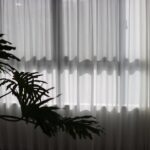
A layered window treatment approach can be very successful for people who want flexibility in privacy and light control. In order to achieve this, heavier drapes or solar shades are combined with sheer curtains that block UV rays. During the day, the sheer layer offers basic UV protection & diffused light, allowing you to see your balcony or landscape.
At night or on hot afternoons, you can draw the heavier curtains or blinds for better insulation, total light blockage, and increased privacy. By providing dynamic control over light, heat, and privacy, this multifaceted approach enables you to customize your surroundings to meet your needs at different times of the day. With this layering, a condo balcony, for example, can be successfully converted into a shady addition to the living area that is shielded from the heat and sunlight. Intelligent Integration: UV-Blocking Treatments with Motors.
Automation and ease of use are becoming more and more important in the age of smart homes. Unmatched usability & integration with smart home systems are provided by motorized blinds & UV-blocking curtains. With the touch of a button, a voice command, or even preset schedules, these systems let you manage your UV protection.
Imagine having your curtains automatically close, even when you’re not home, to keep your interior cool and safe during the afternoon’s hottest part of the day. Motorized curtains remove the need for manual adjustment for inaccessible windows in HDB units or large windows in landed properties or condo living rooms, simplifying and improving daily living. By incorporating technology, your window treatments become intelligent, active parts of your home’s environmental management system rather than passive barriers. Singaporean homeowners should take into account a number of pragmatic considerations when choosing UV-blocking curtains to make sure their choice is long-lasting & effective in our particular climate. Heat and humidity are two climate factors to consider. Singapore’s high humidity & constant heat are important contributing factors.
In addition to blocking UV rays, look for materials that can tolerate moisture without growing mold or mildew. The best fabrics are those that are both breathable & sufficiently dense to effectively filter UV rays. Also important is the curtains’ resistance to heat absorption; lighter hues and reflective backings can improve thermal performance, particularly for windows that receive afternoon sunlight. upkeep and resilience. The most important factor in any home renovation project is durability.
UV-blocking curtains ought to be durable enough to withstand regular exposure to sunlight without rapidly deteriorating. For longevity & cleaning guidelines, refer to the manufacturer’s specifications. Numerous contemporary UV-blocking textiles are made to be easily maintained; they frequently just need to be dust-off or gently washed once in a while. A high-quality set of UV-blocking curtains can easily last five to ten years with proper maintenance, providing long-lasting protection and energy savings. Singaporean cost ranges.
Material, density, design, customization, and whether they are motorized or manual can all have a significant impact on the price of UV-blocking curtains in Singapore. Depending on size, inexpensive, off-the-shelf UV-blocking textiles can cost anywhere from S$50 to S$150 per panel. Custom-made options can cost S$200 to S$500 per panel or more, particularly if they have complex designs or specialized coatings.
The cost of motorized systems, which include the motor mechanism, installation, & smart home integration, will inevitably be higher. Depending on the brand and level of complexity, the cost per window may reach S$400. The long-term advantages in terms of energy savings, furniture preservation, and enhanced well-being frequently make the initial investment worthwhile within a few years, even though it may be somewhat more expensive than standard curtains.
To get the most out of UV-blocking curtains, you can strategically apply them to particular rooms in your Singapore house. Living quarters and dining spaces. Particularly in HDB & condominiums with large windows or balcony access, these are frequently the most exposed areas. Here, UV-blocking curtains are essential for preventing fading in flooring, artwork, & furniture.
Also, they help keep these areas cooler during the hottest afternoon hours, which lessens the need for air conditioning. UV-blocking curtains let you take in the expansive city view from your condo living room without the heat or glare that comes with it. bedroom spaces.
UV-blocking curtains are great for creating a cool and cozy sleeping space in bedrooms. Because they block heat and light, blackout UV-blocking options are especially advantageous for improving the quality of sleep. For those who work shifts and must sleep during the day, this is extremely helpful. home offices & study spaces.
In home offices & study spaces, less glare is a big benefit. By filtering intense sunlight, UV-blocking curtains can improve computer and reading comfort without causing eye strain. Also, this shields important documents & electronic devices from the sun. Outdoor spaces (including balconies) & outdoor blinds.
Traditional UV-blocking curtains are meant for indoor use, but products like outdoor blinds and zip blinds carry the UV protection concept outside. UV-resistant outdoor blinds provide a strong defense against the sun and heat for balconies on HDB, condo, or landed property properties. Even in the hottest hours of the day, they can greatly cool a balcony, making it a more functional addition to your living area. Along with providing rain protection & important privacy from nearby apartments, they help your house withstand the weather and expand its footprint. The material used in outdoor blinds is designed to be extremely resilient to Singapore’s climate, providing superior UV and heat resistance.
Depending on the material quality, frequency of exposure to direct sunlight, and maintenance compliance, Singapore’s UV-blocking curtains can last anywhere from five to ten years, or even longer. High-quality curtains with UV-stabilized coatings and fabrics will inevitably last longer. The benefits of investing in UV-blocking curtains are numerous. Financial Savings: Since air conditioning uses less energy, utility bills will also be lower.
These bills will mount up over the curtains’ lifetime. Asset Preservation: Preventing UV-induced fading and degradation of pricey electronics, flooring, artwork, and furniture helps them maintain their aesthetic appeal and value over time, reducing the need for replacement or restoration. Health and Well-Being: Sunscreen protects skin health and may lower exposure to volatile organic compounds (VOCs), which makes living spaces healthier. Comfort: A cooler home improves general quality of life and lessens discomfort, which is a priceless advantage given Singapore’s climate. Essentially, UV-blocking curtains are a sophisticated, useful, and long-term investment in the comfort, longevity, & health of your Singaporean home rather than just decorative accents.
In the face of the tropical sun’s unrelenting embrace, they act as silent guardians, working nonstop to preserve the integrity and tranquility of your private haven.
.
FAQs
What are UV-blocking curtains?
UV-blocking curtains are window treatments designed with special fabrics or coatings that prevent ultraviolet (UV) rays from passing through, protecting interiors from sun damage and reducing glare.
How do UV-blocking curtains protect furniture and flooring?
By filtering out harmful UV rays, these curtains help prevent fading, discoloration, and deterioration of furniture, carpets, and flooring caused by prolonged sun exposure.
Can UV-blocking curtains help reduce energy costs?
Yes, by blocking UV rays and reducing heat gain, UV-blocking curtains can help maintain indoor temperatures, potentially lowering the need for air conditioning and reducing energy bills.
Are UV-blocking curtains available in different styles and materials?
Yes, UV-blocking curtains come in various styles, colors, and materials, including sheer, blackout, and semi-opaque fabrics, allowing customization to suit different decor and light control needs.
Do UV-blocking curtains affect natural light inside a room?
Depending on the fabric and design, UV-blocking curtains can allow natural light to enter while filtering UV rays, or they can block light more completely if blackout materials are used.