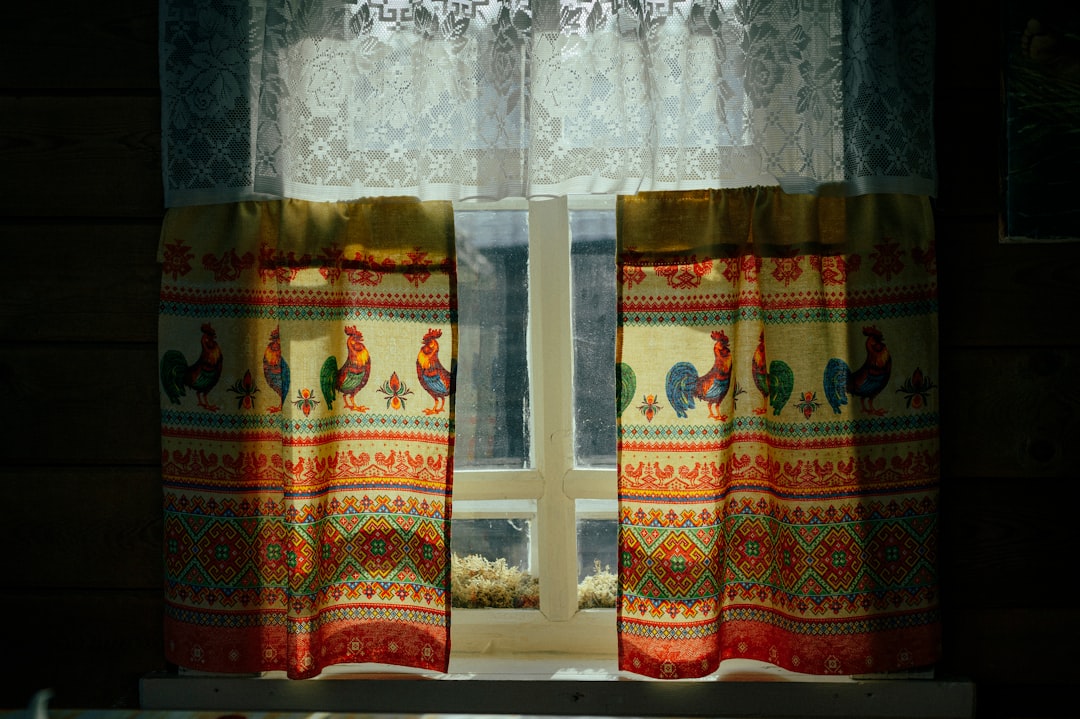
Window treatment design is always changing, reflecting changes in both functional needs and aesthetic preferences. Understanding these trends is essential for Singaporean homeowners to design interior spaces that are both aesthetically pleasing & highly adaptive to the local climate and way of life. Modern curtain designs provide elegant solutions for HDB apartments, condos, BTO projects, and landed homes alike, from controlling the harsh equatorial sun and humidity to striking a balance between privacy requirements & the desire for natural light.
This article examines current curtain design trends with an emphasis on how they can improve interior spaces in a Singaporean setting. Layered window treatments are one of the most popular and adaptable trends in modern interior design. This method combines various window covering components to provide a number of practical and decorative advantages. Layering provides a dynamic and practical solution in a tropical climate like Singapore, where managing light, heat, and privacy is crucial. It goes beyond a single, static window covering by enabling homeowners to customize their surroundings throughout the day and in accordance with particular needs.
Sheers and draperies work together. The combination of sheer curtains with heavier, opaque drapes or blinds is frequently the foundation of layered window treatments. Usually composed of lightweight, translucent materials, sheer curtains have several uses. They can diffuse incoming sunlight during the day to lessen glare and soften its intensity without totally obstructing natural light. In Singapore’s frequently congested urban settings, this produces a soft, airy atmosphere that makes spaces feel bigger and more spacious.
In addition, sheers offer a minimal degree of privacy during the day by blocking out direct views of the house from the outside without compromising the sense of being outside. Blackout blinds or drapes provide an important contrast when used with sheers. In order to control the heat & light that enter Singaporean windows, these more robust coverings are crucial.
In particular, blackout curtains are made to block a large amount of light, which makes them perfect for living spaces where lowering solar heat gain is essential for preserving comfortable interior temperatures and lowering the need for air conditioning, or for bedrooms where uninterrupted sleep is a top priority. Visual depth and a feeling of carefully chosen elegance are produced by the contrast between the substantial opacity of blackout fabrics and the delicate transparency of sheers. Homeowners can choose between blackout for total darkness and maximum heat reduction, sheer for diffused light and minimal privacy, or both layered together for a subtle balance.
| Design Trends | Details |
|---|---|
| Color | Neutral tones such as beige, gray, and white are popular. Bold colors like navy and emerald green are also trending. |
| Material | Sheer fabrics like linen and silk are in demand. Velvet and suede are also gaining popularity for a luxurious look. |
| Prints | Geometric patterns, floral prints, and abstract designs are being used to add visual interest to curtains. |
| Length | Floor-length curtains are preferred for a modern and elegant look. Some are opting for extra-long curtains that pool on the floor. |
| Hardware | Minimalist and sleek curtain rods and rings are in style. Black and brass finishes are popular choices. |
Beyond aesthetics, functional. Layered window treatments have many useful benefits that go well beyond their aesthetic appeal. The ability to regulate ventilation is crucial in Singapore’s humid climate.
While heavier drapes can be drawn to create a more sealed environment when air conditioning is operating, preventing cool air from escaping, sheers can enable a steady flow of air when windows are open. Moreover, energy efficiency may be enhanced by the insulation offered by several layers of fabric. These treatments can help regulate indoor temperatures by trapping air between the layers, which lessens the strain on HVAC systems and may result in lower electricity bills—a major factor for the majority of households. This layered approach can be used in commercial spaces looking for sophisticated & flexible window solutions, as well as residential settings like HDBs and condos.
Implementation-related considerations. The hardware selection is just as crucial to the design of layered window treatments as the fabrics. To support multiple layers, double rods or track systems are required.
The weight of the fabrics must be carefully considered to guarantee that the tracks & curtain rods are sufficiently supported. Each layer’s usability should also be taken into account, particularly for large or high windows where manual adjustment could be difficult. The consideration of motorized options, which can significantly improve the ease of managing intricate layered systems, follows naturally from this. An important and expanding trend in home décor is the use of natural, textured fabrics and a focus on sustainability. In Singapore, where the climate frequently necessitates the use of lightweight, breathable materials, this trend not only satisfies functional needs but also infuses interior spaces with a feeling of sophisticated calm and organic warmth.
The choice of fabrics reflects a deliberate decision towards a more mindful living environment, going beyond simple aesthetics to include tactile attributes and environmental responsibility. Natural fibers’ attraction. At the forefront of this trend are textiles like wool, heavy cottons, hemp, bouclé, and organic linen. In tropical areas, linen in particular is prized for its breathability and capacity to stay cool to the touch. Its innate propensity to wrinkle adds a distinctive, worn-in charm that is sophisticated and carefree. Hemp has many of the same desirable qualities as linen, including durability and a distinctive texture that can give a space depth.
Because of its looped yarn construction, bouclé adds a soft, tactile element that can soften the harsh lines that are frequently present in contemporary interior design. Its textural richness can be strategically used to add visual interest and a feeling of cozy luxury, especially in well-balanced interior schemes, even though it may be perceived as a warmer fabric. Certain types of wool can also be surprisingly effective in climate-controlled environments, adding a natural drape & insulation, while heavy cottons, when chosen in breathable weaves, can offer a sturdy yet comfortable option. Earthy neutrals and their effects. Earthy neutrals are the predominant color scheme that goes well with textured fabrics. The grounding effect of hues like warm mushroom, caramel, muted olive, & clay beige evokes a sense of peace and connection to the natural world.
Because of their great versatility, these colors can be used as an elegant background that highlights other design components. These subdued hues offer a peaceful break from the bright tropical surroundings of Singapore, keeping interior spaces from being overpowered by heat or color. When it comes to dispersing light, these neutral hues are very successful. Light is softened and dispersed more evenly throughout the space when it travels through textiles like cotton or textured linen, which lessens harsh shadows and creates a more ambient atmosphere.
This effect is especially appealing in areas like bedrooms, reading nooks, and living rooms intended for relaxation where a calm and welcoming atmosphere is desired. Keeping Opacity and Breathability in Check. Although the breathability of these natural fabrics is praised, their practical use in Singapore necessitates careful consideration of opacity and the amount of light and heat they filter. Selecting materials with a denser weave or taking into account a lining can greatly improve the performance of windows that receive direct, intense sun in terms of privacy and heat reduction. A heavier weave will inherently provide more privacy and light control than a loosely spun yarn, depending on the texture of the fabric.
For daytime privacy & light diffusion, homeowners may want to use these textured fabrics as the primary decorative layer. Alternatively, they may want to use them as part of a layered system where more practical blackout options complement their aesthetic appeal. Durability & upkeep in the tropics.
One important thing to think about is how to preserve these natural fibers. In order to maintain their texture and avoid shrinking, cotton and linen typically need to be washed gently and may benefit from low-heat ironing. Depending on the type, wool might need to be cleaned by a professional.
However, these fabrics can provide many years of service with the right care due to their inherent durability, particularly in heavier weaves. Also, under prolonged exposure to intense sunlight—a critical component of Singapore’s climate—natural fibers are less vulnerable to the severe fading that can happen with certain synthetic materials. The intricate details of how curtains are hung & presented have an impact that goes beyond the fabric itself. Tailored headers and thoughtfully chosen hardware are now essential parts of a polished and elegant window treatment rather than afterthoughts.
These components greatly enhance the curtains’ drape & functionality while also adding a custom feel to the overall aesthetic. The Beauty of Pleating Methods. Due to their elegant and structured appearance, traditional pleating techniques like the pinch pleat (also called double or Euro pleats) are still very popular. The fabric is gathered at predetermined intervals to create pinch pleats, which result in consistent folds that fall elegantly from top to bottom.
This kind of heading gives a room’s verticality a clean, tailored appearance, making it perfect for formal or contemporary settings. With softer, more relaxed folds, cottage pleats are a more laid-back yet elegant choice. In addition to pleats, pelmets—decorative valances that hide the curtain track or rod—offer an additional level of refinement. By adding architectural interest and directing the viewer’s gaze upward, a well-designed pelmet can elegantly frame the window and possibly give the impression that the ceiling is higher.
They also function practically by preventing light from entering through the top of the window. Hardware as an Expression of Design. The selection of hardware, such as curtain rods and tracks, has changed from being purely functional items to intentional design elements. Clean-lined rods with materials like matte black or brushed brass provide a subtle, contemporary elegance. Matte black offers a striking, modern contrast, particularly against lighter wall colors or textiles, while brushed brass adds a hint of coziness and understated luxury. As a subtle accent that improves the window treatment’s visual appeal, the hardware’s finish and style should blend in with the overall interior design scheme.
The size & weight of the fabrics selected will affect the kind and strength of hardware needed by Singaporean homeowners, particularly those who own landed properties or larger condominiums. For longevity and smooth operation, rods and tracks must be strong enough to support heavier materials, especially for the wide or tall windows that are frequently found in such homes. For a seamless appearance, hide the mechanics. The desire for a smooth, professional appearance is a common theme among these trends. The functional, mechanical components of the window treatment are frequently hidden by the combination of well-selected hardware and tailored headers.
For example, pelmets conceal the track system, whereas pleats naturally produce a tidy stacking appearance. This feeling of seamlessness can be further enhanced by ceiling-mounted tracks, which are frequently used for wave curtains and integrate the curtain system directly into the room’s architecture. The curtains are transformed from a simple functional covering to a sophisticated design element that enhances the interior’s overall polish thanks to this attention to detail. The way we interact with our living spaces is being transformed by the incorporation of technology into home design, and window treatments are no different.
With their unmatched convenience, improved functionality, & hint of contemporary luxury, smart and motorized options are growing in popularity. This trend is especially pertinent in Singapore, where automated solutions are highly desirable due to busy lifestyles and the need for seamless home integration. Every window operates with ease. One major benefit of motorized curtains and blinds is that they eliminate the need for manual operation, particularly for large, tall, or difficult-to-reach windows.
Imagine having your blinds automatically adjust to control the heat during the hottest parts of the day, or drawing your blackout curtains with a simple voice command or a tap on your smartphone while you settle in to watch a movie. This degree of ease is revolutionary for day-to-day living. The ability to control several window treatments at once using a central app or smart home hub is a significant advantage for homeowners with extensive window coverage, such as those in large condominiums or landed houses. This makes it possible to quickly adjust the light & temperature throughout a room or even the entire house with little effort.
Smart home systems are seamlessly integrated. The integration of motorized window treatments with larger smart home ecosystems is where their true potential lies. They can be configured to cooperate with other linked gadgets, like entertainment systems, lighting controls, and thermostats. For instance, blinds could be adjusted to match a predetermined wake-up schedule, or curtains could be programmed to automatically close at dusk to improve the atmosphere of a home theater setup. This automation is very useful given Singapore’s climate.
In order to minimize solar heat gain and maintain a cooler interior environment while lowering the need for air conditioning, motorized options can be set to automatically close during the hottest times of the day. On the other hand, they can be set to open in the morning to let in natural light, making for a more enjoyable start to the day. Cost and Implementation Factors. Although there is no denying the convenience & technological sophistication of motorized options, their initial cost is higher than that of manual systems.
The size and quantity of windows, the type of window treatment (curtains, roller blinds, venetian blinds, zip blinds), and the intricacy of the necessary integration and motorization system will all affect the price. For many homeowners, however, the long-term advantages—such as possible energy savings from better heat management & the sheer convenience factor—can outweigh the cost. When thinking about motorized systems, it’s crucial to make sure the solution you select works with the infrastructure of your current or future smart home. Access to power outlets is usually necessary for installation, and expert fitting may be necessary to guarantee maximum efficiency and security.
Although routine inspections and following manufacturer instructions are advised, motorized components typically require very little maintenance. These smart window treatments are a compelling trend for contemporary Singaporean homes because of their sophisticated control and future-proofing features, despite their initial cost. There is a thriving countertrend that celebrates the ability of bold patterns and colors to add personality and drama to interior spaces, even as minimalist and neutral color schemes continue to be popular. These expressive window treatments give Singaporean homeowners who want to go beyond traditional designs a chance to express personal style and create focal points.
Impact of Statement Prints. To create a powerful visual impact, statement prints with everything from elaborate geometrics and lush botanicals to traditional stripes and lavish damask patterns are being utilized. These designs can turn a dull living room into a lively one that reflects the homeowner’s style & encourages conversation. Carefully selected patterns can provide depth & personality without overpowering the senses in spaces like bedrooms where a calmer ambiance is preferred.
Another important factor to consider is the pattern’s scale. While smaller, more complex patterns can add a layer of texture & visual complexity, larger, more abstract motifs can evoke a feeling of drama and modernity. The decision is frequently influenced by the room’s dimensions and general design style. A bold pattern that is thoughtfully scaled can actually make a space feel more dynamic rather than cramped in smaller apartments, like standard HDB flats or BTO units.
The importance of contrast and accent. In order to attract attention and create a focal point, bold patterns are frequently used as accents. This can be accomplished by keeping other window treatments in complementary solid colors while utilizing a fabric with a striking pattern on a key window wall.
Achieving a balanced design depends on how bold and neutral elements interact. Also, lined curtains present a chance for subtle drama. When the curtains are partially drawn or viewed from specific angles, the inner lining, which may have a contrasting color or pattern, can produce a visual surprise.
This adds a layer of subtle elegance and a customized touch. Making Color Decisions in the Tropics. Particularly in Singapore’s tropical climate, the impact of bold colors on light and heat must be carefully considered. Warm, vibrant colors have the ability to both radiate & absorb more heat, which could make a space feel warmer.
On the other hand, deep, saturated colors have the ability to absorb light, which can help create a cozier, darker atmosphere as well as reduce glare in some circumstances. Here, the choice of lining & fabric weave is crucial. Heat absorption can be reduced while maintaining visual impact by using a tightly woven, boldly patterned fabric with a light-colored lining. On the other hand, a thick-lined, dark-colored fabric will offer superior heat and light control.
Bold patterns may be chosen by homeowners for windows that receive less sunlight, or they may be used in conjunction with other solar-control options, such as balcony external blinds. balancing expressive design with minimalism. This trend is a sophisticated synthesis rather than a sign that minimalism is being abandoned. Warmth, personality, and visual interest can be added to minimalist designs by incorporating bold patterns and colors.
The secret is moderation & careful choice. Homeowners can create a modern, expressive, sophisticated, & personal space by selecting one or two statement pieces & supporting them with a neutral base. This method works especially well for creating distinctive living spaces that allow for personal flair within the typical HDB and condo structures. The minimalist and wave curtain styles provide an aesthetic based on simplicity, clean lines, and fluid movement, in contrast to the exuberance of bold patterns.
These methods are perfect for designing calm, uncluttered spaces that have a timeless yet modern feel. The fabric’s drape and form are highlighted, enabling it to function as an integrated architectural element rather than a prominent decorative element. The Strength of Complete Wall Coverage and Solid Neutrals. Generally speaking, minimalist window treatments favor solid, neutral hues.
Perennial favorites include whites, creams, and light greys, which evoke feelings of serenity, roominess, and subtle elegance. Due to their ability to reflect sunlight & create a cooler interior, these colors are very effective in Singapore’s climate. Also, they have a remarkable ability to blend in with any existing décor, making them a stylish and safe option for a variety of room designs.
The idea of full wall curtains is one of this trend’s most notable features. In order to create a seamless backdrop, curtains are extended from ceiling to floor and across the whole width of a window wall. This method can give a room a sense of grandeur & hotel-like sophistication while also visually enhancing its height. Full wall curtains can produce a soft, diffused light effect that is both practical and welcoming when paired with neutral colors and light-filtering textiles.
Wave curtains are graceful. Wave curtains, sometimes referred to as S-fold or ripplefold curtains, are a modern take on draperies that highlight rhythmic movement and fluidity. These curtains are suspended from a specialized track system that guarantees that every fold is evenly spaced and uniformly shaped, resulting in a soft, continuous wave pattern from top to bottom. This continuous flow of fabric adds a touch of contemporary elegance & works especially well with minimalist & modern interior designs. In order to create the characteristic “S” shape, the wave heading system usually uses carriers that hook into the fabric at regular intervals.
This technique guarantees a tidy & uniform look whether the curtains are completely open or closed. Wave curtains are a great option for big windows, sliding doors, or even room dividers where their graceful drape can improve the sense of space & flow because of their smooth, continuous lines. utilization in Singaporean households. Wave and minimalist curtain designs provide a way for Singaporean homeowners, especially those in contemporary apartments or BTO units, to optimize the feeling of light and space. Smaller spaces can appear larger and brighter thanks to the simple lines and muted colors, which is a big benefit for city dwellers.
In addition to lowering direct glare and solar heat, the use of light-filtering fabrics in these designs aids in maintaining a comfortable ambient light level. It’s important to acknowledge these styles’ practicality. Wave curtains can offer a good degree of insulation and provide excellent light blockage, particularly when mounted on ceiling tracks. Compared to heavily pleated or draped styles, their straightforward, consistent folds may also be simpler to manage in terms of dust collection, which may be an issue for humid home maintenance. Functionality and Fabric Considerations.
For wave and minimalist curtains, the fabric selection is very important. Fabrics with a good drape that are lightweight to medium-weight are ideal. For durability and ease of maintenance, natural materials like linen or blends with polyester are frequently chosen. The fabric’s ability to filter light & control heat depends on its particular weave and weight.
For instance, a slightly heavier polyester blend wave curtain might offer more substantial light & heat reduction, while a sheer linen wave curtain might offer lovely diffused light & privacy. Although these designs prioritize aesthetics, their practicality is not disregarded. They are easily automated and seamlessly integrate with smart home systems, making voice or app control simple.
This sophisticated solution for contemporary living in Singapore strikes a balance between form, function, and usability through the use of smart technology and minimalist design.
.
FAQs
What are some popular modern curtain design trends?
Some popular modern curtain design trends include sheer and lightweight fabrics, bold and vibrant colors, geometric patterns, and natural materials such as bamboo or linen.
How can I incorporate modern curtain design trends into my home?
You can incorporate modern curtain design trends into your home by choosing curtains with contemporary patterns and colors, opting for sheer or lightweight fabrics, and considering unique materials such as bamboo or linen.
What are the benefits of modern curtain design trends?
Modern curtain design trends can help to create a stylish and contemporary look in your home, while also allowing for natural light to filter through and providing privacy when needed.
Are there any specific considerations when choosing modern curtain designs?
When choosing modern curtain designs, it’s important to consider the overall aesthetic of your home, the amount of natural light in the room, and the level of privacy you require.
Where can I find inspiration for modern curtain design trends?
You can find inspiration for modern curtain design trends from interior design magazines, websites, and social media platforms such as Pinterest and Instagram. Additionally, visiting home decor stores and showrooms can also provide inspiration for modern curtain designs.