In Singapore’s densely populated urban landscape, achieving privacy in your home is not merely a luxury but a necessity for comfortable living. Your living area may occasionally feel as exposed as a stage due to nearby HDB blocks, high-rise condos, & even landed properties. This article examines how different blind solutions can serve as your own personal curtain of peace, protecting your interiors from prying eyes & improving your living space. Understanding the nuances of heat, sun, humidity, & the unique challenges presented by Singapore’s climate is crucial when selecting the right window treatments.
Singapore is a vertical-living country. The idea of personal space is becoming more & more entwined with how we maintain the exterior of our homes as cities grow higher. When your windows offer an unobstructed view into your neighbour’s living room, or when you feel the constant gaze of passersby, it can erode a sense of sanctuary. This is particularly true in BTO projects, HDB estates, & condos where building density is a defining characteristic.
Therefore, homeowners of all kinds of homes share the desire for privacy. It’s about establishing a private sanctuary, a place where you can unwind, host guests, or just be without feeling watched. This is where well-chosen blinds become indispensable tools in reclaiming your domestic sphere.
They are useful fortresses for your windows, not merely ornamental features. Recognizing the Obstacles: Humidity, Sun, and Heat. Prior to discussing particular blind solutions, it’s critical to recognize how Singapore’s unique environment affects the longevity and efficacy of any window treatment. The materials used in blinds and their capacity to control the interior environment may be impacted by the equatorial climate’s high humidity & intense sunshine.
Heat and Sun Exposure: Direct sunlight can turn rooms into ovens, increasing reliance on air conditioning and driving up energy costs. Also, over time, prolonged UV exposure can deteriorate or fade some blind materials, reducing both their functional integrity and visual appeal. Also, intense sunlight produces glare, which makes it challenging to enjoy indoor activities or watch screens. High levels of humidity can cause mold and mildew to grow on textiles & other porous materials. Homeowners in Singapore are very concerned about this, so any blind solution needs to be able to withstand or lessen these effects.
| Type of Blind | Privacy Level | Light Control | Ventilation | Cost Range | Maintenance | Best Use Case |
|---|---|---|---|---|---|---|
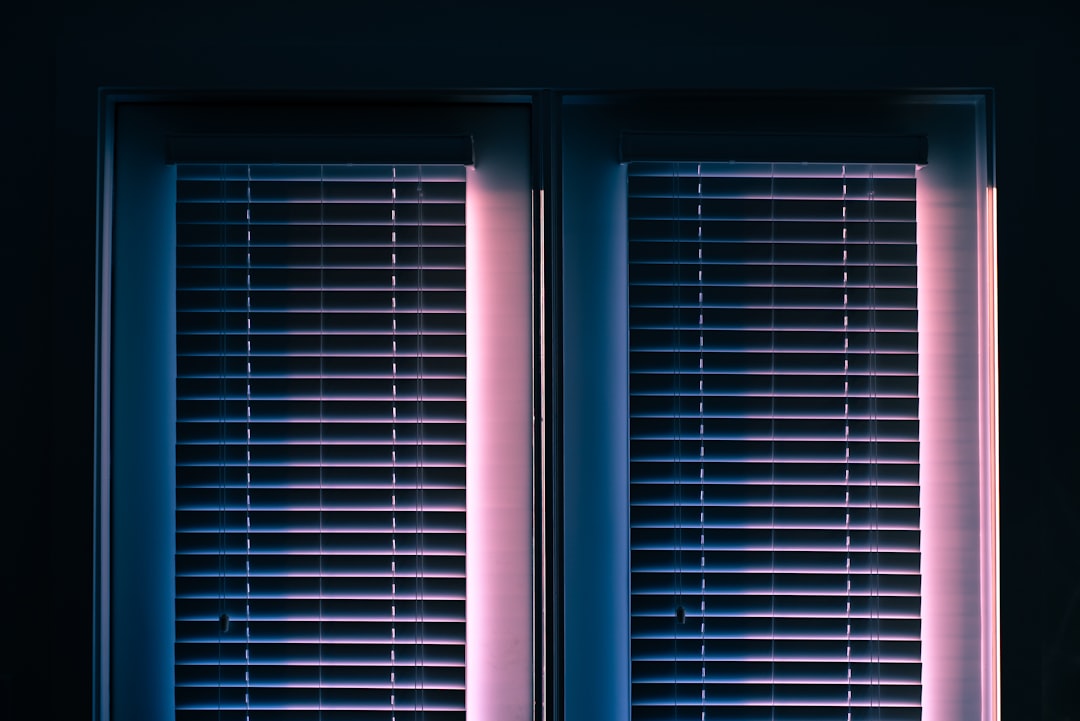
| Venetian Blinds | High | Adjustable | Good | Moderate | Regular dusting | Living rooms, offices |
| Roller Blinds (Opaque) | Very High | Full block | Poor | Low to Moderate | Occasional cleaning | Bedrooms, bathrooms |
| Vertical Blinds | High | Adjustable | Good | Moderate | Regular dusting | Large windows, sliding doors |
| Sheer Blinds with Privacy Layer | Medium to High | Filtered light | Good | Moderate to High | Gentle cleaning | Living rooms, kitchens |
| Cellular (Honeycomb) Blinds | High | Adjustable | Moderate | Moderate to High | Occasional cleaning | Energy efficiency, privacy |
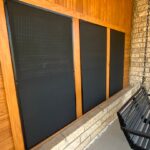
| Outdoor Privacy Screens | Very High | N/A | Excellent | Varies | Weather dependent | Balconies, patios |
Maintenance becomes a critical factor in preventing this issue. These environmental considerations are not abstract challenges; they are daily realities that Singaporean homeowners must contend with. As a result, the selection of blinds should take into account their performance in this particular tropical setting in addition to their aesthetic appeal and privacy.
The market offers a sophisticated array of blinds designed to tackle privacy concerns head-on. These solutions offer strong visual barriers in addition to basic light filtering, and they frequently include features that help control heat and glare. Layered Treatments for Comprehensive Privacy Control. Using layered window treatments is one of the best ways to maximize privacy, particularly in high-density areas like those found in many HDB and condo estates. This approach offers flexibility, allowing you to adjust the level of privacy & light penetration throughout the day. Sheer and Zebra Shades as a Foundation: These types of blinds offer a subtle diffusion of light and can obscure direct views from the outside during daylight hours.
They create a soft, diffused ambiance without plunging a room into darkness. Zebra shades, with their alternating opaque and sheer stripes, provide an adjustable level of privacy. You can greatly improve seclusion by aligning the opaque stripes. The Power of Blackout Rollers: Layered with sheer or zebra shades, blackout roller blinds provide ultimate privacy.
When fully lowered, they create an impenetrable barrier, blocking all external visibility & light. This is particularly valuable for bedrooms, home offices, or media rooms where complete darkness & seclusion are paramount. Diffused light and complete privacy can interact dynamically thanks to this combination, meeting various needs day and night. In crowded urban settings where external light pollution may also be a factor, this dual functionality is a major advantage. Room-Specific Applications for Layered Treatments.
Living Areas: Sheer shades can be used as a primary layer to soften the light & offer daytime privacy, with blackout rollers hidden above for evening use or when more seclusion is needed. Bedrooms: Blackout roller blinds combined with lighter, decorative blinds or even curtains can provide options for diffused light & privacy during the day while guaranteeing a tranquil, dark haven at night. Home offices: During video calls or concentrated work, layering enables controlled light to avoid screen glare while preserving a private and professional atmosphere.
Cellular & Zebra Shades: Versatile Privacy Architects. Cellular shades and zebra shades have gained popularity for their unique construction and the degree of control they offer over light and privacy. Their architectural design lends itself well to managing urban views. Cellular Shades (Honeycomb Shades): These shades’ honeycomb structure traps air & provides some insulation against heat and sound, which can be a useful feature in crowded Singaporean environments. Many cellular shades are available with top-down/bottom-up functionality. This innovative feature allows you to lower the shade from the top while raising it from the bottom, or vice versa.
Top-Down/Bottom-Up Functionality: This is a game-changer for privacy in condos and apartments. You can lower the top portion of the shade to let in natural light while still keeping the bottom section opaque, effectively blocking views from street level or adjacent buildings. This provides a balanced solution, maintaining a connection with the outdoors without sacrificing your personal space. It’s like having a discreet window pane at the upper level, while the lower portion acts as a solid wall of privacy. Zebra Shades: As mentioned, zebra shades offer highly adjustable privacy.
The alternating opaque & sheer bands can be precisely aligned to allow for filtered light and partial views, or fully overlapped for complete seclusion. This granular control is ideal for situations where you want to block specific angles of view or adjust privacy based on the time of day & the activity within the home. Their sleek appearance also makes them a popular choice for modern HDB flats and condos. Climate Considerations for Cellular and Zebra Shades.
Humidity: Although the fabric of these shades can grow mold in very humid environments, many modern models are treated with antimicrobial agents. Regular cleaning and ensuring good air circulation will mitigate these risks. Their cellular structure can sometimes trap moisture, so ventilation remains key.
Heat: The air pockets within cellular shades provide some insulation, which can help reduce heat gain from the sun. Zebra shades, depending on their material composition, can also contribute to reducing glare and the intensity of direct sunlight. Blackout Shades: The Ultimate Privacy Enclosure. For unwavering privacy, particularly in bedrooms and media rooms, blackout shades are the undisputed champion.
Their design is specifically engineered to block all light and external visibility. Features and Advantages: Blackout shades are usually constructed from opaque, dense materials that, when fitted correctly, leave no spaces for light to enter. Roman, roller, and even some vertical blinds are among the styles in which they are offered. Complete Seclusion: They offer a 100 percent block-out of light and views.
This is crucial to guaranteeing restful sleep, particularly in cities where streetlights can enter residences. Heat & Glare Reduction: By completely blocking sunlight, blackout shades are highly effective at reducing heat gain and eliminating glare. This can significantly contribute to a cooler interior and reduce the need for air conditioning. Ideal Use Cases:.
Bedrooms: For those who cherish darkness for sleep in brightly lit cityscapes. Media Rooms/Home Theatres: To create an immersive viewing experience without external light distractions. Nurseries: To ensure a dark & restful environment for infants. Blackout shade longevity and upkeep. Maintenance: Blackout shades are generally low-maintenance.
Use a moist cloth to wipe clean. For fabric blackout shades, vacuuming regularly can prevent dust accumulation. Lifespan: High-quality blackout shades can last between 10-15 years, depending on material and usage.
Exposure to direct, intense sunlight over many years might eventually lead to some fading or minor degradation of the blackout coating, but their primary function typically remains intact for a considerable period. Eco-Textured Materials: Sustainable Privacy with Natural Aesthetics. In line with the growing trend for biophilic design and sustainable living, window treatments made from natural materials are becoming increasingly popular.
These materials offer a unique blend of privacy, light diffusion, and aesthetic warmth. Bamboo and Woven Woods: Blinds made of bamboo, grass, reeds, and other natural fibers have an organic, textured appearance. They are very good at absorbing intense sunlight, producing a gentle, dappled light effect that can improve a space’s atmosphere. Privacy and Glare Reduction: By blocking direct views, these blinds offer a good degree of privacy even though they don’t provide total blackout.
They are particularly effective at reducing glare, making spaces more comfortable for daytime activities. The natural weave creates a visual barrier that is both effective and aesthetically pleasing. Biophilic Design Integration: For homeowners in Singapore aiming to bring the outdoors in, these materials contribute to a calming, natural environment. They are a sustainable choice, aligning with a desire for eco-conscious living, even in dense urban settings. Climate Considerations:. Humidity: High humidity levels can make natural materials more prone to mold and mildew.
Ensuring adequate ventilation in the rooms where these blinds are installed is essential. Regular dusting and occasional wiping with a slightly damp cloth (ensure it’s not too wet) are recommended. Some treatments can help with moisture resistance.
Durability: While inherently durable, prolonged exposure to direct, intense sunlight can cause these natural materials to fade or become brittle over time. Positioning them in areas with less direct exposure or incorporating them into layered treatments can extend their lifespan. Cost and Lifespan of Eco-Textured Blinds. Cost Range: These blinds generally fall into a mid-to-high price bracket, reflecting the craftsmanship and natural origin of the materials.
Lifespan: With proper care and in suitable conditions, eco-textured blinds can last 7-12 years. Longevity is highly dependent on the specific material, quality of construction, & environmental exposure. Motorised Blinds and Curtains: The Pinnacle of Smart Privacy. In the modern era, the integration of technology into home management has extended to window treatments.
For homeowners who value effortless living in high-density Singaporean neighborhoods, motorized blinds and curtains are the pinnacle of convenience and sophisticated privacy control. Smart Home Integration: Motorized curtains and blinds can be easily integrated into a smart home ecosystem by using voice commands, smartphone apps, or remote controls. This offers unparalleled ease of use. App and Voice Control: With a few phone taps or a straightforward voice command, you can control your blinds from any location in your house or even from a distance.
This is especially helpful for tall windows in condos or locations that are difficult to access. Automated Schedules: Program your blinds to open & close at specific times of the day. For instance, they can be set to close automatically at dusk, ensuring immediate privacy as the neighbourhood lights up. Conversely, they can open gradually in the morning to welcome natural light.
This automation removes the manual effort and ensures consistent privacy management. Safety and Convenience: Eliminating cords makes motorised blinds a safer option for homes with young children or pets. The effortless operation is a significant convenience factor for everyone.
Specific Motorised Options for Privacy:. Motorised Blackout Roller Blinds: Combine the complete darkness and privacy of blackout rollers with the convenience of motorisation. For instant seclusion, picture using a voice command to close your bedroom blinds from your bed. Motorised Zip Blinds: These are particularly effective for balconies and outdoor spaces, offering a sleek, modern solution.
The fabric is held taut within channels, providing a wind-resistant barrier that is excellent for both privacy and protection from the elements. These frequently larger blinds are extremely easy to operate thanks to motorization. Motorised Venetian Blinds: Offer precise control over light and privacy by allowing you to tilt the slats. You can adjust the angle with motorization to achieve the best possible balance between light & privacy. Motorized Systems and Climate Considerations. Humidity & Electronics: While the blind mechanisms themselves are generally designed to withstand household conditions, it is important to ensure that motorised components are not directly exposed to excessive moisture if installed in particularly damp areas like un-enclosed balconies.
Heat: The motors and electronic components are designed to operate within typical indoor temperature ranges. Their operating limits may be taken into account in very hot, poorly ventilated areas, but this is rarely a problem in typical HDB or condo rooms. The Function of Privacy Films: An Affordable Addition.
For homeowners seeking a more budget-friendly approach to enhancing privacy, privacy films offer a viable solution. They can be applied directly to the glass of windows and glass doors. Functionality: Privacy films are made to let light through while blocking direct views into a space. They come in various opacities and finishes, from frosted effects to patterned designs. Visual Barrier: They act as a translucent screen, making it difficult for those outside to see clearly into your home.
This is particularly useful for ground-floor units or windows that face directly onto common areas or neighbouring units. Cost-Effectiveness: Compared to installing entirely new blind systems, privacy films are a significantly more economical option for adding a layer of seclusion. Integration with Other Treatments: Privacy films are rarely used as a standalone privacy solution, especially in dense urban areas. They are most effective when combined with other window treatments like curtains or blinds.
Layering for Enhanced Privacy: Blackout blinds or thicker curtains can be used to achieve total privacy when needed, particularly at night, while a privacy film on the glass can offer a basic degree of seclusion. The advantages of both solutions are maximized by this layered strategy. For instance, in a living room of a condo, a frosted privacy film on the lower half of a large window can allow natural light while preventing passersby from seeing in, and a sheer curtain can be drawn for added daytime softness or a thicker drape for evening privacy. restrictions and upkeep of privacy films.
Durability: While durable, privacy films can be scratched or damaged over time. Their lifespan can vary from 5 to 15 years depending on the quality of the film, the installation, and the intensity of environmental exposure. Maintenance: Cleaning needs to be done carefully. Avoid abrasive cleaners or hard-bristled brushes.
A soft cloth with mild soap and water is usually sufficient. Not a Complete Solution: It’s crucial to remember that privacy films mostly hide opinions. Navigating the need for privacy in a densely populated city like Singapore requires a thoughtful approach. Whether you reside in an HDB flat, a condo, a BTO project, or a landed property, the principles of managing external views remain consistent. By understanding the challenges of heat, sun, and humidity, & by exploring the diverse range of blind solutions available – from layered treatments & versatile cellular/zebra shades to complete blackout options, sustainable eco-textured materials, and the cutting-edge convenience of motorised systems – you can create a personal sanctuary.
Privacy films offer an accessible entry point, & when combined with other treatments, they contribute to a more secure and comfortable living environment. The ultimate goal is to craft a home that is both visually appealing & a true refuge, allowing you to enjoy your personal space without compromise, regardless of how close your neighbours might be.
. They do not typically offer significant benefits for heat or light control unless specifically designed to do so with reflective or tinted properties.
FAQs
What types of blinds are best for privacy in dense neighbourhoods?
Blinds such as Venetian, vertical, and roller blinds are popular choices for privacy. They allow you to control the amount of light and visibility, making them effective in dense neighbourhoods where houses are close together.
How do blinds improve privacy compared to curtains?
Blinds offer adjustable slats or panels that can be tilted to block views while still allowing light to enter. This flexibility provides better control over privacy than curtains, which are either open or closed.
Can blinds help reduce noise in dense neighbourhoods?
While blinds primarily provide visual privacy, certain types like cellular or honeycomb blinds can offer some sound insulation by trapping air within their structure, helping to reduce outside noise to a degree.
Are there any energy efficiency benefits to using blinds for privacy?
Yes, blinds can improve energy efficiency by blocking direct sunlight, reducing heat gain in summer, and providing insulation in winter. This can help maintain indoor temperatures and lower energy costs.
How should blinds be installed to maximize privacy in closely spaced homes?
Blinds should be installed inside the window frame and adjusted so that slats are angled away from neighboring windows. Using blinds with smaller gaps between slats or layering with sheer curtains can also enhance privacy.