For homeowners looking for interior furnishings that are both aesthetically pleasing and functionally resilient, navigating Singapore’s tropical climate—which is marked by intense heat and ubiquitous humidity—presents a special challenge. Although crucial for controlling light, privacy, and thermal comfort, curtains and blinds can be prone to mold growth and material deterioration if they are not carefully selected. In order to help residents of HDBs, condos, BTOs, & landed houses maintain comfort and preserve the condition of their homes, this article examines a variety of humidity-resistant options. Understanding Humidity’s Impact on Window Coverings. The average relative humidity in Singapore is frequently between 80 & 90 percent, which fosters an environment where some materials can flourish while others deteriorate rapidly. This constant moisture can cause a variety of problems for curtains and blinds, from functional compromises to aesthetic flaws.
Making wise decisions for your home requires an understanding of these effects. The Problem of Mildew and Mold. Fungi like mold and mildew thrive in warm, humid environments, which makes Singapore a perfect breeding ground.
These can appear as discoloration, black spots, or a musty smell on window coverings. In addition to their unsightly appearance, mold can worsen occupants’ respiratory conditions by contributing to indoor air quality problems. Natural fiber fabrics, such as cotton & linen, are especially susceptible to moisture retention if left untreated. Warping and Material Degradation. In addition to mold, high humidity can harm some materials’ structural integrity.
For example, wood blinds are very prone to warping, cracking, or swelling when exposed to varying moisture levels. This not only detracts from their visual appeal but may also interfere with their ability to function properly. In a similar vein, certain synthetic materials may eventually experience adhesive failure or delamination in environments that are continuously humid. The strong Singaporean sun’s UV rays can also weaken materials, increasing their vulnerability to moisture absorption & subsequent deterioration. Ventilation’s role.
In order to reduce moisture buildup around windows, proper ventilation is just as important as selecting materials that are resistant to humidity. Even on resistant surfaces, poor air circulation creates microclimates that are favorable to the growth of mold by trapping humid air. Frequent airing of rooms can greatly lower the risk of deterioration, particularly after rain or during times of high humidity. Ensuring adequate ventilation can help keep moisture from becoming trapped in homes with enclosed balconies, particularly HDB and condo units. Materials Resistant to Humidity.
| Product | Material | Humidity Resistance | Mould Resistance |
|---|---|---|---|
| Blinds A | Waterproof fabric | High | High |
| Blinds B | Plastic | Medium | Low |
| Curtains A | Mildew-resistant fabric | High | High |
| Curtains B | Polyester blend | Low | Medium |
Homeowners in Singapore can choose from a variety of materials that are made to endure the high humidity levels in the area. These materials are designed to withstand moisture absorption, prevent the growth of mold, and preserve their structural integrity over time, providing both longevity and visual appeal. synthetic curtain fabrics.
Choosing synthetic fabrics or specially treated blends is crucial for people who prefer the softness and draping of curtains. Widely accessible and reasonably priced, polyester is a strong choice for Singapore’s climate because it is naturally moisture-resistant. Blends of polyester, including those made to resemble natural fibers like linen, provide a harmony between practicality & visual appeal. In order to further prevent the growth of mold, these fabrics are frequently treated with antimicrobial properties during the manufacturing process.
In addition to their longevity, they are renowned for their ability to hold onto color in the face of Singapore’s harsh sun. Aluminum blinds and PVC. Because of their remarkable resistance to moisture, PVC (polyvinyl chloride) blinds are perfect for spaces like kitchens, bathrooms, & even laundry rooms in HDB apartments or condos where humidity levels are especially high. Because they are completely non-porous, they cannot absorb water and are therefore resistant to mold and mildew.
Also, PVC blinds are incredibly simple to clean—all you need to do is wipe them down with a damp cloth. They come in a variety of designs, such as vertical and Venetian, and offer strong humidity protection. Another excellent option for high-humidity settings are aluminum Venetian blinds. They can be used in practically any room in a Singaporean home, including those that are exposed to steam or splash, thanks to their lightweight & rust-resistant qualities.
Aluminum’s smooth surface prevents mold spores from growing on it, and it does not absorb moisture. Also, it takes little work to keep these blinds clean. Their long-term functionality & appearance are guaranteed by their capacity to withstand high temperatures and humidity. Plantation shutters and fake wood blinds.
Faux wood blinds are a great option for homeowners who want the traditional beauty of wood without the dangers of humidity. Faux wood blinds are made of composite materials, frequently a mix of vinyl & PVC, and are designed to be extremely resistant to moisture, warping, cracking, & fading. Because of this, they are a long-lasting and low-maintenance choice for any space where an elevated look is desired but natural wood might be an issue, such as HDB living areas or condo bedrooms. Plantation shutters are a good option for homes near the coast or landed properties because they provide substantial resistance to humidity & even salt air. They are usually made of PVC or specially treated composite materials.
Their sturdy design keeps them from warping, and their easily cleaned surfaces keep mold from growing. They offer superior light and privacy control, as well as outstanding insulation that enhances thermal comfort. Novel Systems that Resist Moisture.
Shangri-La blinds and outdoor roller/zip blinds with moisture-resistant technologies are examples of cutting-edge solutions available on the market. Shangri-La blinds are made to withstand warping, mildew, and fabric damage because they are frequently composed of specially treated fabrics. Some manufacturers even provide warranties that highlight how durable these blinds are. Outdoor roller or zip blinds are made to withstand the harshest circumstances, especially those that use weather-resistant PVC or treated fabrics with safe z-lock technology. These are especially well-liked for HDB and condo balconies because they can withstand high humidity without deteriorating and offer protection from wind, rain, and direct sunlight.
Many designs are HDB-compliant, which guarantees that they adhere to external installation regulations. Even in Singapore’s severe climate, these outdoor blinds can last up to ten years because the materials used in them are frequently stabilized against UV radiation. improving longevity & durability.
In addition to choosing humidity-resistant materials, specific features and installation techniques can improve your window coverings’ longevity and durability in Singapore’s harsh climate. The long-term functionality and appearance of curtains and blinds in HDB, condo, and landed homes may be greatly impacted by these factors. Hardware resistant to corrosion. The hardware in any blind or curtain system is its silent hero.
Conventional metal components made of steel or iron can easily rust and corrode in a humid environment, resulting in functional problems and unsightly stains. It is essential to choose stainless steel, aluminum, or premium plastic parts for tracks, rods, brackets, and control mechanisms. Because these materials are naturally corrosion-resistant, the blinds and curtains will function flawlessly for many years without seizing or malfunctioning.
This is especially crucial for blinds installed outside or in damp spaces like bathrooms & balconies. UV-stabilized substances. In Singapore, the strong tropical sun contributes to material deterioration just as much as humidity. Continuous UV exposure can deteriorate plastics, cause colors to fade, & make textiles brittle.
It is crucial to select UV-stabilized materials. By preventing premature aging & preserving the visual appeal of your window coverings, this treatment helps to preserve the dyes & polymer structure of fabrics & PVC. This is particularly important for curtains and blinds placed in windows in HDB living rooms or condo master bedrooms that are exposed to direct sunlight for prolonged periods of time. Sufficient Airflow and Setup. The long-term functionality of humidity-resistant window coverings can be greatly impacted by proper installation.
Even a tiny space between the window covering and the windowpane improves air circulation and keeps moisture from being trapped directly against the material. Selecting a rod for curtains that extends just a little bit past the window frame can help keep them from pressing firmly against the wall, allowing for airflow. Air movement can also be facilitated by making sure blinds are not positioned too tightly inside the window recess. Blinds can be further protected in condensation-prone areas, like bathrooms, by using moisture barriers or anti-condensation window treatments. Climate Issues and Room-Specific Uses.
The ideal option for humidity-resistant window coverings frequently depends on the particular room in a Singaporean home and how much moisture and sunlight it receives. For HDB, condo, BTO, and landed house residents, customizing your choice for each area guarantees the best possible performance and comfort. Living spaces and bedrooms. The challenge is striking a balance between style & humidity resilience in living rooms & bedrooms, where aesthetic appeal frequently plays a major role. Polyester curtains or polyester blends are great options for these areas in HDBs & condos because of their moisture-resistant qualities and variety of textures & colors. They are resistant to mold & fading and can resemble natural fibers.
In addition to offering good light control and privacy, faux wood blinds have a sophisticated appearance and are incredibly durable against warping and humidity. Shangri-La blinds are perfect for creating a comfortable and fashionable space because of their dual-layer fabric construction, which offers both elegance and useful moisture resistance. bathrooms and kitchens. Because of the high levels of moisture and steam, these are the most difficult places to cover windows.
PVC blinds, including Venetian and vertical styles, are strongly advised for kitchens and bathrooms in HDBs and condos. They are totally impervious to water, steam, and mold because they are non-porous. Also, they are simple to clean, which is important in areas where food is prepared. Another sturdy choice is aluminum Venetian blinds, which can withstand continuous humidity without deteriorating and are resistant to rust. Plantation shutters made of PVC composites can provide a luxurious atmosphere with total moisture immunity and privacy for bathrooms in landed homes.
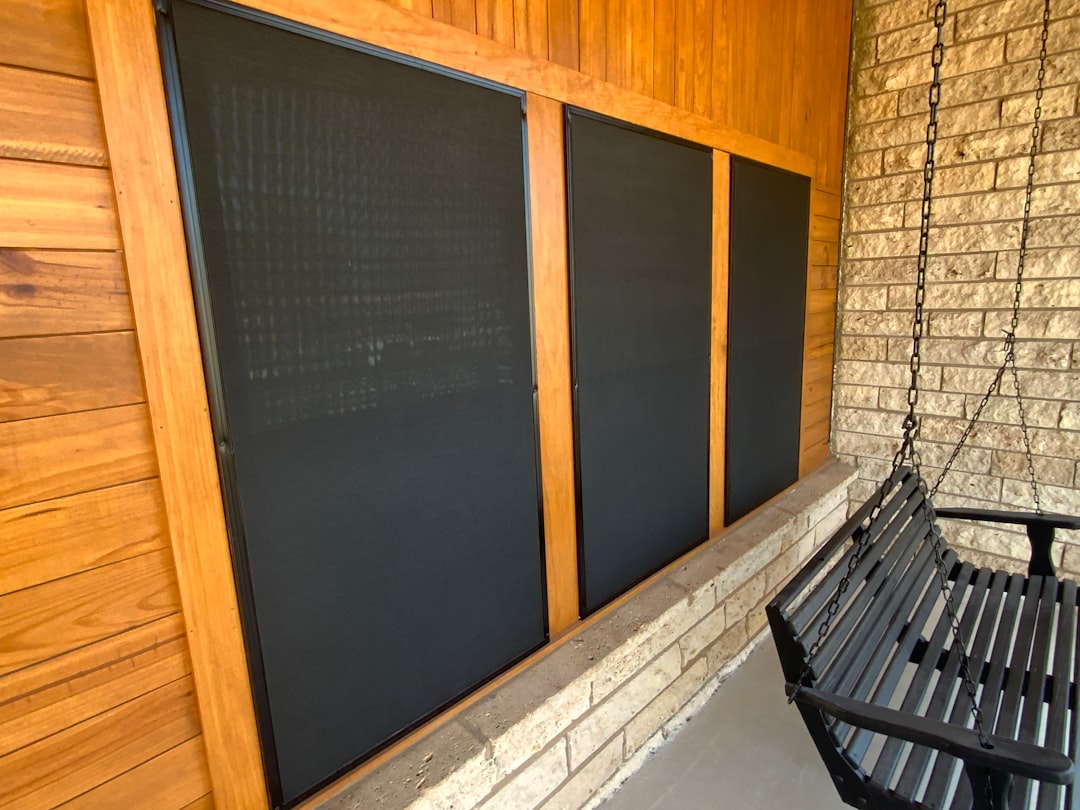
balconies and outdoor areas. The window coverings on HDB, condo, and landed house balconies, as well as patios and outdoor living spaces, have to deal with wind, direct sunlight, rain, & humidity. The best option is an outdoor roller blind or zip blind made of durable, weather-resistant PVC or treated fabrics. These are made especially for outdoor use and provide weather protection as well as resistance to mold and UV deterioration.
For balcony installations, many designs are HDB-compliant, guaranteeing usefulness and compliance with rules. Even in windy, humid weather, their sturdy design and safe fastening mechanisms—such as zip blinds’ z-lock technology—ensure that they stay taut and functional. Utility rooms & enclosed spaces. Practicality and exceptional moisture resistance are crucial in utility rooms, laundry rooms, & enclosed service yards, which are frequently found in HDB and condo buildings. In this case, roller blinds or basic PVC vertical blinds offer the best option.
They are completely unaffected by moisture and possible splashes from washing machines or sinks, and they are incredibly resilient and simple to clean. One major benefit of these functional spaces is their low maintenance requirements. upkeep and longevity in Singapore’s climate. To maximize their performance and guarantee home comfort in Singapore, humidity-resistant window coverings must be properly maintained and their expected lifespan must be understood. For HDB, condo, BTO, and landed homes, proper maintenance has a direct impact on their long-term structural integrity, mold resistance, & visual appeal.
Frequent ventilation & cleaning. Regular cleaning helps keep dust & surface mold spores from building up on materials, even those that are resistant to humidity. A straightforward cleaning with a moist cloth and a mild detergent is typically adequate for PVC and aluminum blinds.
If you follow the manufacturer’s instructions, polyester curtains can frequently be spot cleaned or machine washed. To prevent mildew from spreading, it is essential to treat any visible mildew as soon as possible using a diluted bleach solution or commercial mold remover (testing on an inconspicuous area first). Keeping adequate ventilation is equally crucial. Because of Singapore’s humid climate, mold thrives when stale, damp air is trapped around windows. Frequent room ventilation helps dry surfaces and lower ambient moisture levels, particularly after rain or during times of high humidity.
Using air conditioning strategically can help lower indoor relative humidity in homes. Climate-Specific Problems & Solutions. The intense sun and high humidity in Singapore pose two challenges.
Even materials that have been treated to be resistant can eventually degrade due to UV radiation. Regular inspection for wear indicators, such as cracking or discoloration, is advised for outdoor blinds or those exposed to the sun. Water pooling can be avoided by making sure outdoor blind installations have adequate drainage. By lowering UV exposure, rotating or closing indoor blinds and curtains during the hottest part of the day can prolong their lifespan.
The ubiquitous dust & pollutants in an urban setting, which can mix with moisture to create a grimy film, present another difficulty. This is eliminated by routine cleaning, which also provides an opportunity to check the window coverings for any early deterioration. Cost and Lifespan Expectations. Depending on material quality, exposure, & upkeep, humidity-resistant window coverings in Singapore have varying lifespans. PVC and aluminum blinds are among the most resilient; with proper maintenance, they can last ten to fifteen years or longer, even in high humidity.
They are a long-term investment due to their low susceptibility to deterioration. Depending on style and system, basic sizes can cost anywhere from SGD 60 to SGD 180 per window. Plantation shutters and faux wood blinds made of PVC composite can withstand fading and warping for ten to fifteen years. Their premium look & sturdy construction are reflected in their higher initial cost.
Plantation shutters may cost between SGD 250 and SGD 800 per square meter, while faux wood blinds may cost between SGD 120 & SGD 350 per window. Shangri-La blinds and polyester curtains: High-quality, treated polyester fabrics retain color and structural integrity for seven to ten years or longer. Shangri-La blinds can also last eight to twelve years thanks to their advanced mechanism and material. Shangri-La blinds may cost between SGD 180 and SGD 400 per window, while polyester curtains may cost between SGD 80 & SGD 250 per panel. Outdoor Roller/Zip Blinds: Designed for outdoor environments, these have a ten-plus-year lifespan, particularly those with UV-stabilized textiles & rust-resistant hardware.
Depending on size, material, & features, their prices for patios & balconies typically range from SGD 400 to SGD 1000 per linear meter or more. For Singaporean homeowners, investing in humidity-resistant window coverings is a sensible decision that guarantees comfort, protects property, and lowers the risk of mold growth and material damage. Residents of HDB, condos, BTO, and landed homes can choose and maintain window treatments that withstand the test of time & tropical weather by being aware of material characteristics, climate considerations, and maintenance techniques.
.
FAQs
What are humidity-resistant blinds and curtains?
Humidity-resistant blinds and curtains are window treatments specifically designed to withstand high levels of humidity without developing mould or mildew. They are ideal for use in environments with high humidity, such as Singapore’s tropical climate.
How do humidity-resistant blinds and curtains resist mould in Singapore weather?
Humidity-resistant blinds and curtains are typically made from materials that are resistant to moisture and mould growth, such as synthetic fabrics or specially treated natural fibers. They are also designed to allow for proper air circulation, which helps prevent the buildup of moisture that can lead to mould growth.
What are the benefits of using humidity-resistant blinds and curtains in Singapore?
Using humidity-resistant blinds and curtains in Singapore can help prevent the growth of mould and mildew in the home, which can be a common problem in the humid climate. This can help maintain a healthier indoor environment and prolong the lifespan of the window treatments.
Are there specific maintenance requirements for humidity-resistant blinds and curtains?
While humidity-resistant blinds and curtains are designed to withstand moisture and resist mould, it is still important to regularly clean and maintain them according to the manufacturer’s recommendations. This may include regular dusting, vacuuming, or spot cleaning to prevent the buildup of dirt and grime.
Where can I purchase humidity-resistant blinds and curtains in Singapore?
Humidity-resistant blinds and curtains can be purchased from home improvement stores, specialty window treatment retailers, or online suppliers. It is important to look for products specifically labeled as humidity-resistant or mould-resistant to ensure they are suitable for use in Singapore’s climate.