reducing the amount of heat gained by Singaporean homes’ west-facing windows. Homeowners in Singapore face particular difficulties due to the country’s equatorial climate, especially when it comes to heat penetration through windows facing west. Because these windows receive the majority of the afternoon sun, indoor temperatures rise, air conditioning is used more frequently, and energy expenses rise as well. Maintaining a comfortable living environment in HDB apartments, condos, BTO units, and landed properties throughout the island depends on successfully addressing this issue. This article examines several methods and fixes for preventing heat from west-facing windows & provides useful information about their efficiency, upkeep, and suitability for various Singaporean home types.
Recognizing the Difficulty of Windows Facing West. Because they are exposed to the strongest sunlight during the hottest part of the day, west-facing windows contribute significantly to solar heat gain. West-facing windows are directly struck by the sun’s strong rays as it descends, in contrast to north or south-facing windows, which receive more consistent, less direct light.
Radiant heat is significantly transferred into a home’s interior as a result of this direct exposure. Solar radiation’s effects. Infrared (IR), visible light, and ultraviolet (UV) wavelengths make up solar radiation. Both UV and IR light greatly contribute to heat gain, even though visible light enables us to see.
Your house becomes a greenhouse when these rays enter through window glass, are absorbed by interior surfaces, & are subsequently reradiated as heat. This effect is made worse by Singapore’s hotter and more humid climate, making efficient heat-blocking solutions essential for both comfort and energy efficiency rather than just a luxury. The implications for homes in Singapore.
Untreated heat gain from west-facing windows can have a number of negative effects on Singaporean homeowners. Elevated Indoor Temperatures: Even with air conditioning running, rooms with windows facing west may get noticeably hotter than other parts of the house. Increased Energy Consumption: Homeowners frequently run air conditioners for longer periods of time and set them to lower temperatures in order to combat the heat, which raises their electricity bills. Decreased Comfort and Productivity: Living areas can become uncomfortable due to high indoor temperatures, which can affect work, play, and sleep.
| Method | Effectiveness | Installation Complexity | Cost Range | Additional Benefits |
|---|---|---|---|---|
| Reflective Window Film | High (up to 79% heat reduction) | Low (DIY possible) | Low to Medium | Reduces glare, maintains natural light |
| Exterior Awnings | Very High (blocks heat before window) | Medium (requires mounting) | Medium | Protects window from rain and debris |
| Planting Trees or Shrubs | Medium to High (depends on plant size) | High (long-term growth) | Low to Medium | Improves air quality, aesthetic appeal |
| Thermal Curtains or Blinds | Medium (blocks heat after window) | Low (easy to install) | Low to Medium | Improves insulation in winter |
| Exterior Shutters | High (blocks direct sunlight) | Medium to High (installation required) | Medium to High | Enhances security and privacy |
| Low-E Coated Windows | Very High (reduces heat transfer) | High (window replacement) | High | Improves energy efficiency year-round |
UV Damage: Over time, prolonged exposure to UV radiation can cause artwork, flooring, & furniture to fade. Solutions for External Heat Blocking. Stopping heat before it even reaches the glass is the best way to keep it out of your house through west-facing windows. As the first line of defense, exterior solutions block solar radiation before it can enter the windowpane.
Overhangs and external awnings. When it comes to protecting windows from the sun, these structural additions work very well. They form a shaded area over the window opening as they extend outward from the structure. Mechanism: By blocking direct sunlight before it reaches the glass, exterior awnings and overhangs can reduce heat gain on west-facing windows by as much as 75–77%. Their effectiveness is demonstrated by this notable decrease.
Awnings come in two varieties: retractable & fixed. Flexibility is provided by retractable options, which you can extend during sunny times and retract to allow natural light or winter sun (though this feature is less relevant in equatorial Singapore, it can be useful for certain light requirements). Metal, canvas, & polycarbonate are common materials. Advantages: Increases architectural character, can shield windows from rain, and is very effective at preventing heat entry.
Cons: The initial cost of installation may be higher than that of internal options; it may need to be cleaned on a regular basis due to outdoor exposure in humid Singapore; it may be an external structural modification that requires approval in some HDB or condo developments. Room-Based Use Cases: Perfect for windows in landed homes where external modifications are more practical, balconies, & ground floor windows. especially useful for large bay windows where interior solutions might not be as effective.
Climate Considerations: Because they work externally and prevent heat buildup against the glass, they are ideal for Singapore’s hot, humid climate. Cost Range (Singapore): The price of an awning can vary from a few hundred to several thousand Singapore dollars, depending on the material, size, and whether it is retractable or fixed. Maintenance: Cleaning fabric awnings on a regular basis will help prevent mold and mildew.
Periodically, retractable mechanisms may require lubrication. Lifespan: Depending on material quality and exposure to sunlight and rain, well-maintained awnings can last 10–20 years. Zip blinds, shutters, and screens outside. With adjustable shading and occasionally improved privacy, these solutions offer flexible external protection.
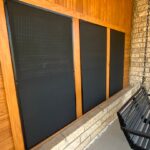
Mechanism: These devices are mounted on the outside of the window frame. Before it reaches the glass, they absorb solar radiation. External shutters can be ornamental, louvered, or solid. Exterior screens minimize solar heat gain while maintaining outward visibility. They are frequently composed of a sturdy mesh material. In essence, zip blinds are outdoor roller blinds guided by a “zip” mechanism along the sides that firmly hold the fabric in place and resist wind.
They are a popular option for balconies and outdoor patios in Singapore. Materials and Types. Shutters: composite materials, wood, and aluminum. can be sliding, bi-folded, or hinged. Screens: PVC-coated polyester or fiberglass mesh solar screens that are intended to reflect & absorb solar radiation.
Zip blinds are made of high-tensile fabric that runs in side channels and is frequently coated in PVC. either motorized or manually operated. Advantages: Excellent wind resistance and insect protection for balconies; highly effective heat blocking; enhanced security (shutters); somewhat preserves outward view (screens, zip blinds with appropriate fabric). Cons: Zip blinds can collect dust & dirt on the outside; installation can be difficult; in certain HDB or condo settings, changes to the external appearance may need planning permission; they can obscure window openings when fully closed (shutters).
Room-Based Use Cases. Shutters: Ideal for landed properties or certain ground-floor units where permanent exterior fixtures are permitted due to security and aesthetics. Screens: Perfect for any window where keeping a view is preferred but heat blocking is crucial. frequently used for daytime sun protection in condo and HDB units.
Zip blinds are especially well-liked for Singaporean balconies and outdoor patios because they effectively turn them into functional, shaded extensions of the living area while shielding condo & HDB residents from the sun and rain. Climate Considerations: Great for the heat and humidity of Singapore. Strong winds, which are frequently encountered on high-rise balconies, are particularly resistant to zip blinds. Price Range: (Singapore). Shutters: More expensive, possibly costing thousands of dollars per window.
Solar screens are less expensive, costing several hundred dollars per window. Zip blinds: Depending on size, fabric, and motorization for balcony applications, each panel typically costs between S$1,000 and S$3,000+. Maintenance: Shutters and screens need to be cleaned on a regular basis. Regular cleaning of the fabric & inspection of the track mechanism are beneficial for zip blinds.
Depending on quality and exposure, shutters and screens have a lifespan of 10–20 years, while zip blind fabric has a lifespan of 5–10 years. Solutions for Interior Heat Blocking. Interior solutions are frequently more accessible, simpler to install, and offer extra advantages like privacy and light control, even though they are less successful than exterior options at keeping heat from getting to the glass. Once heat enters the windowpane, they either absorb it or reflect it.
Blackout curtains and cellular/thermal shades. These window treatments work very well for west-facing windows because they are made to block light and offer insulation. The mechanism. Thermal/Cellular Shades: These shades have a special honeycomb structure that creates an insulating barrier against heat transfer by trapping air inside pockets. The insulation improves with more cells.
Blackout curtains are made of thick, opaque materials that can block up to 99 percent of light and substantial amounts of heat. They frequently have a special thermal lining. Materials and Types:. Polyester fabric with different opacities (sheer, light filtering, blackout) is used to create cellular shades. Blackout curtains are made of a variety of materials (polyester, cotton blends) with a thermal or acrylic foam backing. frequently made to extend past the window frame in order to reduce heat and light leakage.
Advantages include superior insulation, total light blockout (blackout curtains), increased privacy, a variety of aesthetic options, and ease of installation. Cons: Fabric can gather dust; bulky (heavy blackout curtains); can make a room extremely dark when fully deployed. Room-Based Use Cases.
Bedrooms: Particularly for HDB & condo residents with west-facing bedrooms, these rooms are perfect for total darkness & cooler sleeping conditions. Children’s rooms & nurseries: guarantee uninterrupted naps. Media rooms & home theaters: By removing glare, they improve the viewing experience. Climate Considerations: Although useful in Singapore’s tropical climate, extremely thick linings can occasionally trap humidity if improperly ventilated, which could result in mildew in severe situations.
Cost range (Singapore): S$80 to S$300+ per window, based on customization, size, and fabric quality. Thermal linings may increase the price. Maintenance: gentle spot cleaning or routine vacuuming. Due to their size, blackout curtains might need to be professionally dry cleaned. Lifespan: 5–10 years, based on maintenance and sun exposure. Blinds that reflect light & solar shades.
These choices are made to lessen heat and glare while frequently preserving some degree of external visibility. mechanisms. Solar shades: Constructed from unique screen materials that block UV rays and glare while still permitting vision. They usually have an open weave that ranges from 1 to 10 percent; the tightest weave, which blocks the most heat and light, is 1 percent.
Reflective blinds: To reflect solar radiation back out of the space, they have a metallic or highly reflective coating on one side, usually facing outwards. This category frequently includes Venetian blinds with metallic finishes. Materials and Types. Solar shades: fiberglass mesh or polyester with a PVC coating.
One common type of blind is a roller blind. Reflective blinds include venetian blinds made of aluminum or fabric blinds or curtains with a reflective back. Advantages: Significantly reduces heat and glare (up to 70%); maintains outward view (solar shades); provides privacy during the day (can see out, but difficult to see in); slim profile. Cons: Depending on the weave, it may provide limited privacy at night; reflective coatings may occasionally be brittle; less effective than full blackout for total darkness. Room-Based Use Cases. Living rooms and home offices: For HDB, condo, and landed homeowners, controlling light and preserving a view are crucial.
Kitchens: Easy to clean (many solar shades) and resistant to humidity. Climate Considerations: Perfect for Singapore’s sunny, bright weather, which permits ambient light without being overly hot. The price range for each window in Singapore is S$100 to S$400+, depending on the material, size, and type of operation (manual vs.
automated). Maintenance: The majority of solar shades & reflective venetian blinds are simple to clean. Lifespan: 5 to 10 years, depending on material quality and sun exposure. sophisticated and clever solutions.
Technological developments provide more comprehensive and long-term solutions for controlling heat from west-facing windows in addition to the immediate window treatments. movies on windows. Window films are thin, transparent or semi-transparent layers that are directly applied to the existing glass to create an imperceptible shield against solar heat. Mechanism: Solar radiation is reflected or absorbed by tiny metallic or ceramic particles found in window films.
Different kinds of films block different proportions of visible light, infrared heat, and UV rays. Because they reject high levels of infrared heat without appreciably darkening the view, ceramic films are especially useful in hot climates like Singapore, especially for south/west exposures. Types:. Reflective films provide high heat rejection and privacy during the day because they are visibly reflective, much like a one-way mirror. Neutral/Low-E Films: These films reduce heat while being less reflective and more optically clear.
Although less applicable to Singapore, low-E films also aid in the retention of indoor heat in colder climates. Ceramic films are non-metallic, non-conductive materials that provide superior heat rejection without interfering with GPS or mobile device signals. Pros: Preserves views; blocks 30–80% of solar heat & UV rays; relatively low profile; DIY application is possible (though professional installation is advised for optimal performance and warranty).
Cons: Effectiveness varies greatly by film type; may void window warranties if improperly vetted (less common for residential, but worth checking); can change the window’s aesthetic appearance. Room-Based Use Cases: Ideal for any room in an HDB, condo, or landed home with west-facing windows where heat is a problem but light and view are important. Climate Considerations: Very helpful in Singapore’s hot, tropical climate. The cost range for professional installation in Singapore is S$10 to S$50 per square foot, depending on the type of film.
Although much less expensive, DIY films demand accuracy. Maintenance: Steer clear of abrasive cleaners & clean with a soft cloth & mild soap. Lifespan: five to fifteen years, contingent on exposure, installation, and film quality. Modern Window Systems (Multi-Pane Glazing, Low-E Glass). The most complete long-term solution is to upgrade the windows themselves for those doing significant renovations or building new. It’s a crucial factor for new construction or landed property owners, even though it’s frequently not an option for current HDB or condo residents without significant renovations.
Mechanism. Low-E (Low-Emissivity) Coatings: Infrared heat is reflected by microscopic metallic layers that are applied to glass surfaces. “Spectral selective” Low-E coatings are ideal for tropical climates like Singapore because they block infrared heat while letting a large amount of visible light through. Multi-Pane Glazing, also known as Double or Triple Glazing, is made up of two or more glass panes divided by a sealed space filled with gas or air. (g). argon gas).
This air pocket greatly reduces heat transfer through the window by acting as an excellent insulator. Warm-Edge Spacers: Reduce heat transfer at the glass unit’s edge to improve thermal performance. Benefits include superior long-term energy efficiency, superior sound insulation, durability, and virtually no maintenance after installation. Cons: Expensive initial cost; long installation time; unfeasible for the majority of current HDB & condo units due to structural & aesthetic regulations. Room-Based Use Cases: Ideal for brand-new construction or significant landed home renovations.
Climate Considerations: Offers the best thermal performance in Singapore’s hot climate, greatly lowering the need for air conditioning. Cost Range (Singapore): Expensive, usually between S$500 and S$1,500+ per square meter, depending on the complexity, type of glass, and frame material. Upkeep: Regular cleaning of windows. Lifespan: twenty to thirty years or more. Automation and Motorization: Integrated Smart Solutions. The effectiveness of window treatments is increased by the smooth control and optimization made possible by modern technology, particularly for difficult-to-reach west-facing windows.
Motorized blinds and curtains. With the intense afternoon sun on west-facing windows, motorization offers convenience and accuracy in controlling heat gain. Mechanism: Blinds & curtains can be opened or closed using a remote control, wall switch, or smart home app thanks to electric motors built into the headrail and track. They remove the need for manual operation, which is especially advantageous for windows that are high or large. Types: Available in a variety of curtain systems (track or rod) and blind styles (roller, venetian, roman, and vertical).
Advantages: Complete ease of use; perfect for large or tall windows; accurate placement for maximum sun protection; improved safety for kids and pets (no cords); able to be integrated into smart home systems for automated control. Cons: Requires a power source (battery or hardwired); motor failures are uncommon but can be expensive to repair; higher initial cost due to motor & installation. Room-Based Use Cases.
Living Rooms and Balconies: In HDB and condo units, these features allow for simple adjustment of privacy & sunlight throughout the day. Bedrooms: To easily open and close blackout curtains, particularly to filter morning light. any space with several large windows facing west. Climate Considerations: Prevents heat buildup by enabling quick adjustment to block strong afternoon sun. Even when nobody is home, timed schedules can guarantee that blinds are closed during the hottest part of the day. Cost Range (Singapore): Depending on the type, brand, and control options of the motor, the cost of the curtain or blind is increased by S$300 to S$1,000+ per motor/system.
For multi-channel remotes or smart home integration, be prepared to pay more. Maintenance: In general, motors require no maintenance. Make sure the batteries are changed if necessary. Lifespan: The curtain or blind fabric/slats will have their own lifespan, but motors normally last five to ten years.
Automation and integration for smart homes. By incorporating motorized curtains & blinds into a smart home ecosystem, motorization is advanced to the point where automated reactions to environmental conditions are possible. Mechanism: Voice assistants, scheduling apps, & sensors (temperature, light) are connected to motorized window treatments via smart hubs or controllers. This makes it possible for things like west-facing blinds to automatically close when the temperature inside reaches a certain point or when the sun sensor senses bright light. Pros: Increased comfort and convenience; improved energy efficiency through proactive heat blocking; increases a home’s value & modernity.
Cons: Depends on connectivity; requires an initial investment in smart home devices & setup; has a learning curve for programming. Room-Based Use Cases: Any HDB, condo, or landed property can have complete control through whole-home integration. especially helpful for controlling the temperature in empty rooms or during the afternoon sun’s peak. Climate Considerations: Ideal for Singapore’s climate, which enables homes to automatically adjust to rising temperatures and strong sunlight even when occupants are not home.
Singapore’s cost range varies greatly depending on the smart home ecosystem selected (e.g. A g. Google Home, Apple HomeKit, Zigbee, Z-Wave), the quantity of devices, and the intricacy of automation. You should budget between several hundred and several thousand dollars more than the price of motorized blinds.
Maintenance: Ensuring a dependable Wi-Fi or gateway connection; updating smart devices’ firmware on a regular basis. Lifespan: The typical lifespan of smart home hubs is five to ten years, with software updates extending their usefulness. Low-cost do-it-yourself fixes. Some quick and practical do-it-yourself fixes can offer homeowners on a tighter budget extra or short-term respite from the intense west sun. Bubble wrap insulation uses water to temporarily stick to windows, trapping a layer of air & offering some insulation.
It can greatly lessen heat transfer even though it is not aesthetically pleasing. Custom-cut reflective cardboard or foil is positioned against windowpanes during the hottest part of the day. By reflecting direct solar radiation, this serves as a barrier. Heavy Sheets or Blankets: Cover windows when it’s the hottest. They can offer significant heat blockage, but they are not as polished as dedicated curtains. A long-term, natural solution is to plant tall shrubs or trees.
Evergreen shrubs offer year-round protection, while strategically placed deciduous trees can offer shade in summer and sun in winter (again, less relevant for Singapore’s constant warmth). Due to space restrictions and building codes for HDB and condo units, this option is usually only feasible for landed properties. These inexpensive solutions can provide instant relief and act as a stopgap while you look into more long-term solutions for your Singaporean home, even though they are frequently transient or less sophisticated.
.
FAQs
How does heat enter through west-facing windows?
Heat enters west-facing windows primarily through solar radiation during the afternoon and early evening when the sun is in the western sky. The glass allows sunlight to pass through, which then heats up the interior surfaces and air inside the room.
What are effective ways to block heat from west-facing windows?
Effective methods include installing reflective window films, using thermal or blackout curtains, applying exterior shading devices like awnings or shutters, planting trees or shrubs for natural shade, and using double-glazed or low-emissivity (low-E) windows.
Can window treatments reduce energy costs related to cooling?
Yes, window treatments such as reflective films, insulated curtains, and exterior shading can significantly reduce heat gain, which lowers the need for air conditioning and thus reduces energy costs.
Is it better to block heat from the inside or outside of the window?
Blocking heat from the outside is generally more effective because it prevents solar radiation from entering the window in the first place. Exterior solutions like awnings, shutters, or reflective films reduce heat absorption before it reaches the glass.
Are there any temporary solutions to block heat from west-facing windows?
Temporary solutions include using removable window films, hanging thick curtains or blankets during peak heat hours, placing reflective panels outside the window, or using portable shades and blinds that can be adjusted as needed.