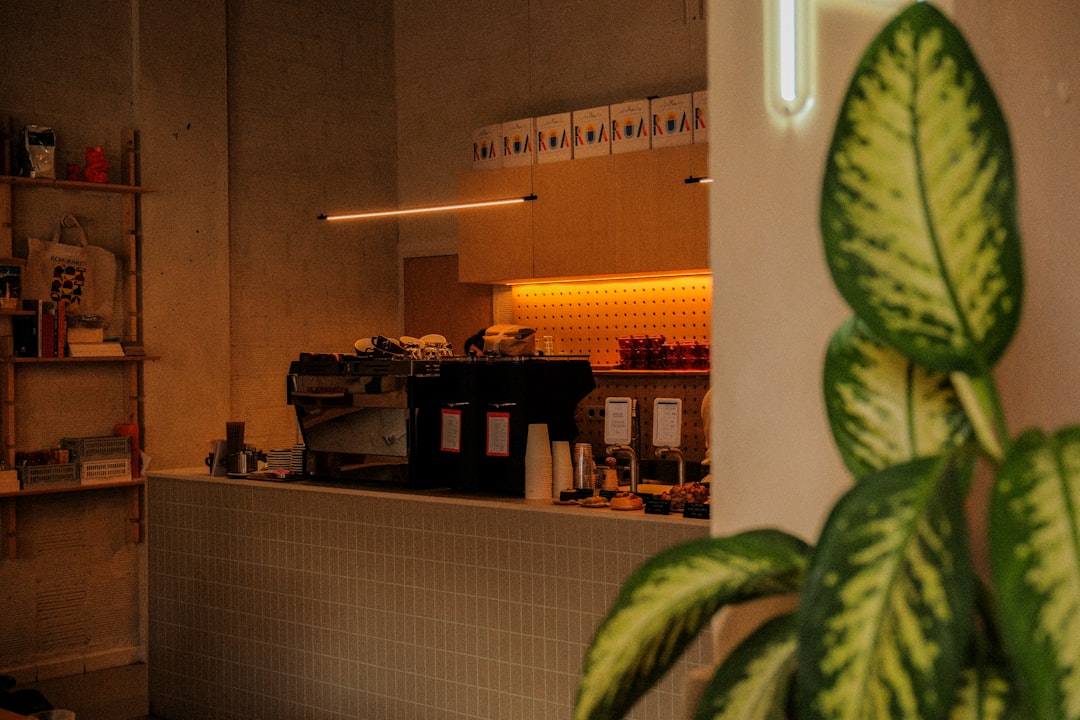
The thoughtful integration of light & the deliberate choice of window coverings are important components of Japandi interior design, which is a harmonious blend of Scandinavian functionality & Japanese aesthetics. For Singaporean homeowners who live in HDB apartments, condos, BTOs, or landed properties, where balancing natural light with the heat and sun of the tropical climate is a constant design consideration, this design philosophy is especially pertinent. The deliberate control of light in Japandi spaces through window treatments seeks to foster a sense of peace, simplicity, and harmony with nature. Natural Light’s Place in Japanese Philosophy. Natural light is emphasized in Japandi design as a key component that influences a space’s atmosphere and usability.
Creating an experience—a soft interplay of light and shadow that evokes tranquility and spaciousness—is more important than just lighting. With Singapore’s plentiful sunshine, this strategy is essential for controlling heat gain while preserving brightness. Using Daylight to Promote Peace. The design frequently aims to maximize natural light wherever possible in order to embrace Japandi’s emphasis on tranquility and a connection to nature. This entails making a conscious effort to let light into interior areas in order to promote a feeling of openness and vitality.
Japandi design beautifully harmonizes the minimalist aesthetics of Japanese and Scandinavian styles, particularly through its thoughtful use of light and window coverings. To explore how these elements enhance the overall ambiance in Japandi interiors, you can refer to a related article that delves into the significance of natural light and the selection of appropriate window treatments. For more insights, visit this article which discusses the impact of window coverings on interior design.
The intention is to design a space that seamlessly blends indoor and outdoor spaces, expressing the love of nature that is ingrained in both Scandinavian & Japanese cultures. striking a balance between diffusion and brightness. In addition to emphasizing the importance of natural light, Japanese design promotes its gentle diffusion as opposed to its harsh directness. With Singapore’s tropical climate, this subtle approach guarantees that spaces feel light and airy without being overpowering or significantly contributing to heat build-up.
Therefore, light quality is more important than quantity. Selecting the Right Window Coverings to Manage Natural Light. The principles of light management, privacy, and aesthetic coherence serve as practical considerations when choosing window coverings in a Japandi interior. These coverings serve as intermediaries, reducing the intensity of the sun, offering seclusion, & enhancing the overall minimalist look. Choosing coverings for Singaporean homes that control tropical heat and humidity while keeping a tidy appearance is crucial.
Embrace Soft Diffusion with Sheer Curtains. Because sheer curtains can diffuse natural light without totally blocking it, they are a fundamental component of Japandi window treatments. They are a perfect way to achieve the delicate, ethereal glow that characterizes Japanese aesthetics. Sheer curtains’ advantages. Sheer curtains provide a number of useful advantages.
Japandi design beautifully harmonizes the minimalist aesthetics of Japanese and Scandinavian styles, particularly through its thoughtful use of light and window coverings. By prioritizing natural light and selecting the right window treatments, spaces can feel more open and serene. For those interested in exploring how to enhance their interiors with effective window solutions, a related article can provide valuable insights. You can find more information on this topic by visiting this page, which offers guidance on choosing the perfect coverings to complement your Japandi-inspired home.
| Aspect | Description | Impact on Space | Common Materials |
|---|---|---|---|
| Natural Light Usage | Maximizes natural light to create a bright, airy atmosphere | Enhances calmness and openness in the room | Large windows, minimal obstructions |
| Window Coverings Style | Simple, minimalistic coverings such as bamboo blinds or linen curtains | Maintains privacy while allowing diffused light | Bamboo, linen, light cotton fabrics |
| Light Diffusion | Use of translucent materials to soften harsh sunlight | Creates warm, inviting ambiance without glare | Rice paper screens, sheer curtains |
| Color Palette | Neutral and earthy tones to complement natural light | Promotes tranquility and balance | Beige, soft whites, muted greys |
| Artificial Lighting | Warm, soft lighting with minimal fixtures | Supports natural light and maintains cozy atmosphere | Paper lanterns, wooden lampshades |
They keep a space feeling light & airy by letting in a lot of natural light. For HDB and BTO apartments, where space optimization is frequently taken into account, this can be especially advantageous. Also, they provide a certain amount of privacy during the day, letting residents see outside while blocking out the house from further away.
Japandi design beautifully harmonizes minimalism and functionality, particularly in its approach to light and window coverings. By incorporating natural light and selecting the right window treatments, spaces can feel more serene and spacious. For those interested in enhancing their bedroom environment, exploring how specific curtains can improve sleep quality is essential. You can read more about this topic in the article on bedroom curtains that improve sleep quality. This connection between design and well-being highlights the importance of thoughtful choices in creating a tranquil living space.
Also, their lightweight fabric adds to a feeling of simplicity and airiness, which is in perfect harmony with the minimalist philosophy of Japanese design. Their ability to breathe can also aid with air circulation in Singapore’s humid climate. Considerations for Color and Material. Natural materials like blends of cotton or linen are recommended when choosing sheer curtains for a Japanese room. Their delicate textures provide depth without adding extraneous visual elements.
In order to maintain a serene and subtle palette, colors are usually neutral and muted, such as off-white, cream, light grey, or natural linen tones. These hues are in line with Japanese wabi-sabi principles & Scandinavian minimalism, which value subtle beauty and natural flaws. Bamboo Blinds: Light Control & Organic Texture. Bamboo blinds are a great substitute for sheer curtains because they effectively control light and have a distinctive organic texture. They connect the indoor and outdoor spaces, embodying the natural material preference of Japanese design. Both practicality & beauty are important.
Whether slatted or woven, bamboo blinds add a rich, organic element to the room. Depending on the slat angle or weave density, they permit different levels of light filtration. This controllability is particularly helpful in spaces like balconies and west-facing windows in condos that are exposed to the strong Singaporean sun. The earthy hues of bamboo enhance the connection to nature that Japandi design promotes by adding to the serene, natural ambiance.
If given the right care, they are also reasonably resilient and able to tolerate Singapore’s high humidity levels. Privacy and Heat Control. Beyond just being aesthetically pleasing, bamboo blinds provide good privacy when fully closed, which makes them appropriate for ground-floor apartments or bedrooms.
Also, their material has insulating qualities that lessen heat transfer, making the interior cooler & possibly lowering Singapore’s air conditioning expenses. A useful feature in tropical settings is the ability to precisely control airflow & light entry through the tilting of slats. Creative Lighting Ideas That Go Beyond Window Treatments. While traditional window treatments and natural light are essential, artificial lighting is also carefully incorporated into Japanese design to enhance and complement natural illumination, especially on cloudy or evening days.
The natural light philosophy is reflected in the artificial lighting approach, which is diffused, soft, and intentional. Paper lanterns & translucent shades that resemble shoji screens. For artificial light fixtures, such as paper lanterns and some kinds of translucent shades, Japandi design commonly uses translucent materials, which are influenced by traditional Japanese shoji screens. echoing the aesthetics of tradition. Intimate zones are created in a space by the warm, diffused artificial lighting produced by these lighting components. Paper lanterns, which are frequently made from sturdy paper or even fabric, create a peaceful and welcoming atmosphere by simulating the gentle glow of moonlight.
The emphasis on softness and subtlety that is essential to Japandi is also respected by translucent shades made of materials like washi paper or even contemporary aluminum/paper constructions, which diffuse light to avoid harsh glare. This method works especially well for relaxing in HDB living rooms or setting up a calm dining area in a condo. Layered lighting for both functionality & ambiance. In order to create an environment that is more dynamic & flexible, Japandi design promotes a layered approach to lighting, going beyond a single overhead source.
This method guarantees that various spaces in a room can be illuminated in accordance with their intended use & mood. Fixture Combination for Ideal Lighting. Layering entails combining different light sources, like subtle wall sconces, minimalist table lamps, and wooden pendant lights. Warm-toned LEDs are recommended for Singapore’s climate because they minimize the harshness of colder light temperatures while still being energy-efficient and help create a comfortable “hygge” atmosphere. Whereas table lamps provide ambient light or focused task lighting, wooden pendants add organic textures above. Accent lighting from wall sconces can draw attention to artwork or architectural elements without overpowering the room.
A balanced wabi-sabi aesthetic—a beauty that is imperfect, fleeting, and modest—is achieved by this clever combination, which also offers useful illumination. Natural & sustainable materials used in lighting fixtures. Lighting fixtures in Japanese design are also fully committed to using natural materials.
This decision has its roots in Scandinavia’s emphasis on sustainability and practicality as well as in Japan’s love of the natural world. incorporating natural components. Sustainable, natural materials like bamboo, unfinished wood, ceramic, or linen are frequently used to make lighting fixtures in Japanese spaces.
These materials are picked for their capacity to enhance a space’s overall atmospheric control in addition to their visual appeal. For example, an HDB dining room can benefit from the organic warmth & texture that a bamboo pendant light brings. combining organic beauty with functionality. The connection to nature is strengthened by the use of natural materials, which guarantee that lighting fixtures blend in perfectly with the overall design theme. The earthy color scheme of the design is complemented by the soft, diffused light produced by a wooden table lamp with a linen shade.
These fixtures are intended to serve a practical purpose by supplying the required lighting, but they also serve as sculptures that accentuate the room’s inherent beauty. This careful material selection contributes to creating a space that feels authentic, grounded, & in harmony with its surroundings—qualities that are desirable for any Singaporean home looking for a peaceful haven from the hustle and bustle of the city. Soft, diffused illumination should be prioritized. The steadfast preference for soft, diffused illumination over harsh brightness is at the heart of Japanese lighting principles. Every choice, including artificial light sources and window coverings, is influenced by this preference.
putting a focus on calm and comfort. The serene and cozy ambiance that is characteristic of Japanese design is largely achieved by eschewing harsh, direct lighting. The goal is to create areas of soft shadow and pools of gentle light rather than bright, uniform lighting that can feel sterile or overpowering.
This method is perfect for unwinding after a day in Singapore’s humid climate since it respects the eyes and promotes relaxation. For maximum tranquility, use minimal forms. Simple standing lamps or subtle hanging paper lanterns are examples of lighting fixtures that frequently take on minimalist designs to avoid taking away from the room’s overall simplicity. The Japandi aesthetic for 2026 is changing to incorporate more experimental designs that still adhere to the ideas of soft diffusion and natural materiality, even though traditional forms are still popular. These could be inventive translucent panels that simulate natural light or sculpture lamps constructed from repurposed wood.
Regardless of the type of property—whether it’s a large landed house or a comfortable BTO unit—the goal is always to create an interior environment that feels both sophisticated and profoundly calming.
.
FAQs
What is Japandi design?
Japandi design is a hybrid interior style that combines Japanese minimalism with Scandinavian functionality and warmth. It emphasizes simplicity, natural materials, and a calming, clutter-free environment.
How does Japandi design utilize natural light?
Japandi design prioritizes natural light to create a bright and airy atmosphere. Large windows, minimal window coverings, and strategic placement of furniture help maximize the amount of daylight entering a space.
What types of window coverings are commonly used in Japandi design?
In Japandi design, window coverings are typically simple and functional, such as light linen curtains, bamboo blinds, or wooden shutters. These materials complement the natural aesthetic and allow for adjustable light control.
Why is light important in Japandi interiors?
Light plays a crucial role in Japandi interiors by enhancing the natural textures and colors of materials, creating a serene ambiance, and supporting the minimalist philosophy of openness and clarity.
How can one balance privacy and light in Japandi window treatments?
To balance privacy and light, Japandi design often uses sheer or semi-transparent window coverings that diffuse sunlight while maintaining privacy. Layering window treatments can also provide flexibility for different lighting needs throughout the day.