Condos with floor-to-ceiling windows provide a breathtaking panoramic view of Singapore’s urban landscape, but they also pose special difficulties in terms of controlling the strong equatorial sun and guaranteeing sufficient privacy, particularly after dusk. Despite being a desirable architectural feature, the sheer amount of glass can cause significant heat gain and glare during the day, which can affect comfort & drive up the cost of air conditioning. The transparency of these big windows can also jeopardize the sense of safety & privacy that homeowners in Singapore’s busy urban setting cherish as daylight fades & night falls. This article examines practical curtain and blind options designed for these architectural wonders, with an emphasis on reducing glare and improving nighttime privacy for landed, HDB, condo, and BTO property owners throughout Singapore.
Due to Singapore’s tropical climate, there is constant sunshine & high humidity. Floor-to-ceiling windows are continuously exposed to direct sunlight for prolonged periods of time, especially those that face east or west. In addition to creating uncomfortable glare that makes it hard to use screens or unwind, this barrage of solar radiation also considerably warms the interior.
The increased use of air conditioning due to this heat gain results in increased electricity costs. Also, these large glass panes may unintentionally transform your living area into a brightly lit stage as the sun sets and the interior lights are turned on, which many homeowners find unsettling from a privacy standpoint. Therefore, it’s critical to strike a balance between letting in natural light and keeping your home a quiet, cozy haven. For people with floor-to-ceiling windows, this necessitates careful window treatment selection.
The Unwanted Light Show: Glare. More than just a visual annoyance, glare is a sign that too much sunlight is entering your home. The quantity of light in a condo with floor-to-ceiling windows can be too much to handle.
This can interfere with reading, watching TV, or using a computer, which can cause eye strain and lower productivity. The issue is made worse by screens’ reflectivity, which creates a never-ending struggle against the sun’s brightness. Without efficient glare reduction, your exquisitely furnished living area may turn into an uncomfortable setting rather than a peaceful haven.
| Solution Type | Glare Reduction | Night Privacy | Light Control | Installation Ease | Maintenance | Recommended Use |
|---|---|---|---|---|---|---|
| Blackout Curtains | High (90-100%) | Complete Privacy | 100% Light Blockage | Moderate | Machine Washable | Bedrooms, Media Rooms |
| Sheer Curtains | Low (20-40%) | Low Privacy | Diffuse Natural Light | Easy | Machine Washable | Living Rooms, Layering |
| Dual-Layer Curtains (Sheer + Blackout) | High (90-100%) when closed blackout layer | Complete Privacy with blackout layer | Adjustable | Moderate | Machine Washable | Versatile for Day/Night Use |
| Motorized Roller Shades | Medium to High (60-90%) | Good Privacy | Adjustable | Professional Installation Recommended | Wipe Clean | Smart Homes, Large Windows |
| Solar Shades | High (70-90%) | Moderate Privacy (daytime only) | Filters UV and Glare | Easy to Moderate | Wipe Clean | Glare Reduction, View Preservation |
| Vertical Blinds | Medium (50-70%) | Good Privacy when closed | Adjustable Slats | Easy | Dusting Required | Large Floor-to-Ceiling Windows |
The transparent barrier of privacy at night. The purpose of window treatments changes from glare reduction to privacy once the sun has set. Especially in multi-story condominiums, floor-to-ceiling windows may let neighbors or onlookers in on your private activities.
The transparency of large windows after dark can undermine the psychological security and comfort that come from living in a private home. Solutions that offer a dependable and imperceptible barrier are crucial for guaranteeing that your personal space stays just that—personal. Fabric curtains are a traditional & adaptable way to control light & privacy.
Fabric selection and construction are crucial for floor-to-ceiling windows. The operating mechanism must also be taken into account due to the weight and size of such a large drapery. The clever and seamless choice is motorized drapery. Motorized draperies provide a sophisticated combination of style and utility for floor-to-ceiling windows. This method goes beyond the conventional pull-cord and integrates with contemporary smart home systems for simple use.
Everyday light and privacy management is completely changed by the ability to open or close large draperies with a single button press or even voice commands. Big, heavy curtains benefit greatly from motorization since it guarantees a smoother, more reliable operation and less wear and tear on the fabric & hardware. Selection of Fabrics for Motorized Draperies. When it comes to motorized draperies, the fabric is crucial.
Tighter-woven textiles with a textured surface are better at diffusing light than silk & other smooth, tightly-woven materials when it comes to glare control. Heavy materials with better light-blocking and sound-dampening properties include velvet & thick linen blends. Specialized blackout linings can be added for maximum blackout capabilities, effectively blocking out even the brightest Singaporean daylight. Motorcycle Drapery’s advantages and disadvantages. Advantages.
Effortless Operation: Perfect for tall windows that are challenging to operate by hand. Enhanced Privacy: Completely closed for privacy and darkness. Aesthetic Appeal: Gives any space a plush, opulent feel. Light Control: Accurate management of light is possible with a variety of fabric options. UV Protection: Prevents sun damage to flooring and furniture.
Integration with Smart Homes: Voice commands, apps, and remote controls are available. Reduced Fabric Wear: Motorization prolongs the life of fabrics by reducing manual tugging and pulling. Cons:. Increased Cost: Compared to manual curtains, the motorization system raises the total cost.
Power Requirement: Needs a battery system or an electrical outlet. Installation Complexity: The motor & track system may need to be installed by professionals. Motor Maintenance: Although they are usually dependable, motors may need to be serviced.
Use Cases in Rooms. Living Room: For privacy & to avoid screen glare, motorized drapes can be set to gradually open in the morning to let in gentle natural light and close in the evening. Bedroom: For people who are light-sensitive or who need to rest during the day, a full blackout lining completely blocks out any outside light, ensuring the best possible sleeping environment. Home Office: By precisely controlling the lighting, screen glare can be removed and a concentrated work environment can be established.
Layered Treatments: The Adaptable Method. Layering treatments provide unmatched flexibility for floor-to-ceiling windows, enabling homeowners to adjust to varying light conditions and times of day. This method creates a dynamic system for controlling both glare & privacy by combining the advantages of different window coverings.
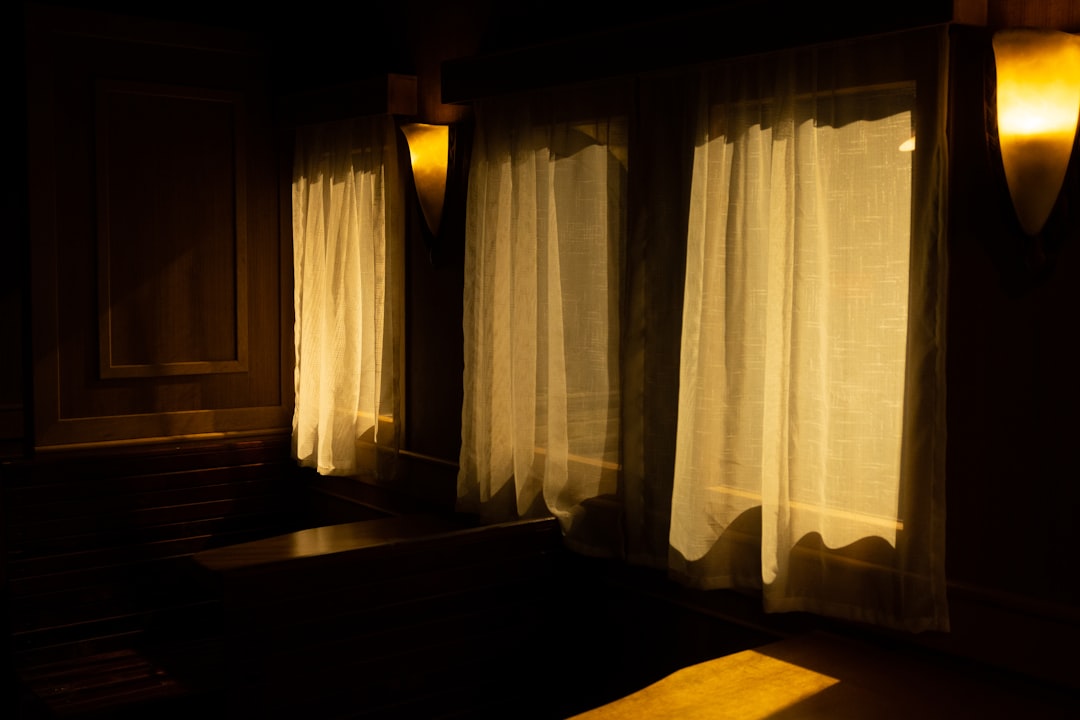
For seamless coverage & to improve the impression of height, ceiling mounting the main track is frequently chosen. Sheer curtains and heavier draperies together. Sheer curtains are often layered with heavier, blackout or room-darkening curtains. During the day, the sheer curtains can be kept closed to let in some natural light while diffusing harsh sunlight and minimizing glare. Also, they provide some privacy during the day.
The heavier drapes can be drawn when greater seclusion or darkness is needed, like at night or for naps during the day. This combination keeps the window from ever being totally bare, giving it a polished appearance and full functionality. Layered treatments: advantages & disadvantages. Pros.
The greatest amount of flexibility: able to accommodate various lighting & privacy requirements. Improved Insulation: By using multiple layers of fabric, thermal insulation can be improved, lowering heat gain. Aesthetic Depth: Produces a more opulent atmosphere and visual interest. UV Protection: Having several layers helps prevent sun damage. Flexible privacy options include sheers for daytime privacy and heavier drapes for total privacy.
Cons:. Increased Cost: It will cost more to buy and install several treatments. Bulkiness: If installed and designed carelessly, it may appear bulky. Cleaning and maintaining two sets of window treatments is a more complicated maintenance task. Diminished Light Penetration: Compared to a single sheer treatment, overall light levels may be lower even with sheers.
Use Cases for Rooms. Living Room: Blackout curtains can be drawn for movie evenings or other occasions when a darker atmosphere is preferred, while sheer curtains can be used during the day to filter light and offer privacy. Blackout curtains and light-filtering sheers in the master bedroom provide privacy and comfort during the day while ensuring a restful sleep environment. In addition to conventional fabric curtains, a range of specialty blinds provide practical ways to control privacy and glare on large glass surfaces. These choices frequently offer a more modern look & can be combined with smart home automation.
Blackout Shades: The Best Way to Block Light. Blackout shades are an essential option for bedrooms or media rooms where total darkness is desired because they are made especially to block light penetration. They produce an uninterrupted area of opacity when installed on floor-to-ceiling windows. Personal Blackout Choices. Typically, floor-to-ceiling windows require specially made blackout shades. With a special blackout cloth or coating that makes sure no light can pass through, these can be roller shades, Roman shades, or cellular shades.
To stop light from leaking from the edges, the window frame or architectural recess must fit precisely. Blackout Shades’ benefits and drawbacks. Pros. Total Light Blockage: Perfect for shutting out all outside light while you sleep. Outstanding Privacy: Provides 100% privacy throughout the day.
Thermal Insulation: A few cellular blackout shades have good insulating qualities. Sleek Appearance: Capable of offering a simple, minimalist appearance. Full blocking of damaging UV rays is known as UV protection.
Cons:. Removes Natural Light: When the shade is down, no light can get through. Restricted View: When down, the outside view is totally blocked. Possibility of Light Gaps: Light may permeate edges if they are not precisely fitted. Heavy Manual Operation: It can be challenging to manually operate large blackout shades.
It’s strongly advised to motorize. Use Cases for Rooms. Bedrooms are crucial for guaranteeing a good night’s sleep, particularly in cities with light pollution.
Home theaters and media rooms: To provide an immersive viewing experience without distracting background light. Nurseries: To help babies sleep during the day. Solar/screen shades: Keeping views intact while reducing glare.
Screen or solar shades provide a special way to block heat gain and glare from floor-to-ceiling windows while preserving an exterior view. Usually constructed from a woven material with varying degrees of openness, these shades filter out a large amount of the sun’s harshness while letting some light and vision through. recognizing the Openness Factor. The “openness factor,” or the proportion of the fabric that is open weave, is frequently used to characterize how effective solar shades are.
A reduced openness factor (e. A g. 1% to 3%) reduces visibility and increases heat and light blockage. An increased degree of openness (e. “g.”. 10 percent) increases light and visibility but decreases glare control.
Shades with a lower openness factor—perhaps between 3 and 5 percent—are typically advised for public spaces in Singapore due to the country’s intense sun. Screen and solar shade benefits and drawbacks. Pros:. Preserves View: Preserves your view of the outside while lowering glare.
Reduction of Glare: Reduces harsh sunlight and screen glare significantly. UV Protection: Protects interiors by blocking most damaging UV rays. Minimizes Heat Gain: By keeping rooms cooler, it lessens the need for air conditioning.
Modern & sleek: Provides a minimalistic look. Motorization Friendly: Perfect for large windows with automated control. Consequences.
Limited Privacy During the Day: At night, they do not provide total privacy, even though they block out direct views from the outside during the day. Not Completely Opaque: Due to their partial light blocking, they are not appropriate for total darkness. Nighttime Can Be Less Effective for Privacy: With interior lights on, the outside view is more visible. Cost: For large window spans in particular, high-quality screen shades can be somewhat pricey. use cases that are room-based. Living rooms and dining areas are ideal for areas where it’s important to enjoy the view while also reducing sun glare.
Home offices: To reduce screen glare without compromising natural light in order to create a comfortable working environment. Balconies: In enclosed or semi-enclosed balcony areas, outdoor models can be used to lessen heat & glare. Venetian Blinds: Modifiable Lighting and Ventilation. Venetian blinds provide a great degree of control over light and privacy thanks to their movable slats. They can offer a modern, structured appearance for windows that extend from floor to ceiling. Material Choices.
There are several types of Venetian blinds, such as aluminum, wood, and faux wood. Aluminum or faux wood are typically more durable for Singapore’s humid climate. Faux wood gives the appearance of wood without being susceptible to moisture damage, while aluminum blinds are lightweight and available in a variety of colors.
Venetian blinds: advantages and disadvantages. Pros. Accurate Light Control: Light can be directed or entirely blocked by adjusting the slats’ angle.
Airflow is made possible by ventilation, even when a door is closed completely or partially. Privacy Control: It can be angled to block out direct views while letting in some light. Sturdy: Faux wood & aluminum can withstand moisture. Cost-effective: Compared to custom motorized curtains, this option is frequently less expensive. Cons:.
Can Be Noisy: When slats are used or in the wind, they may rattle. Gather Dust: The horizontal slats need to be cleaned on a regular basis because they can gather dust. Light Leakage: The spaces between slats allow some light to pass through even when they are closed. Manual Operation can Be Difficult: Lifting and tilting several sets of blinds for very large windows can be difficult. Although costly, motorization is an option. Loss of View: Slats that are fully tilted may make it impossible to see.
Use cases that are room-based. Glare can be managed in the kitchen or dining areas without totally compromising natural light. Home offices: Screen glare can be reduced with adjustments. Bedrooms: Adjustable slats can provide a decent amount of privacy, even though they are not as opaque as blackout shades.
Patios and balconies are protected by outdoor blinds. Floor-to-ceiling windows that open directly onto enclosed or semi-enclosed balconies benefit from outdoor blinds. These are made especially to resist the weather and deal with the harsh sunlight found outside. In this category, zip blinds are very well-liked.
Enclosing outdoor spaces with zip blinds. Zip blinds, also called straight-line zip screens, are an advanced system in which a zip mechanism holds the fabric inside channels on either side. This makes them perfect for patio enclosures and balconies because it keeps the fabric taut and stops it from flapping in the wind. They greatly lessen heat and glare that enters the interior living space through nearby windows or doors & provide superior protection from the sun, rain, and wind.
Zip blind benefits and drawbacks. Pros:. Protection from the weather: Protection from the sun, wind, & light rain. Heat and Glare Reduction: This technique effectively blocks direct sunlight, resulting in cooler interior spaces. Improved Privacy: Offers a significant barrier, particularly during the day. An insect barrier may be able to keep insects away from balcony spaces.
Tidy Appearance: The fabric is kept taut & tidy by the zip mechanism. The availability of motorization makes it easy to operate on wide spans. Cons:. Cost: May require a sizable outlay of funds, especially for numerous large applications. Decreased Airflow: They restrict natural ventilation to the balcony when completely closed.
Restricted View: Although there are screen fabrics available, they lack the transparency of interior solar shades. Maintenance: Mechanism & fabric need to be cleaned & inspected on a regular basis. Use cases that are room-based. Patios and balconies are perfect for enclosing outdoor areas to make them more usable all year round, shielding furniture, & lowering the amount of heat and glare that enters the house. Open-Concept Living Areas: These can be used to establish an outdoor living space that is better defined and regulated.
Window treatments that can tolerate high temperatures and moisture without deteriorating are necessary due to Singapore’s continuously hot and muggy climate. Material choice and humidity. The choice of material is crucial for any window treatment, but it’s especially important for those meant for large spaces like floor-to-ceiling windows. Textiles that are prone to mildew or mold are inappropriate.
Aluminum, treated metals, & UV-resistant, non-absorbent synthetic textiles work better. Selecting faux wood or specially treated timber is essential for wood or wood-look blinds to avoid warping or deterioration from humidity. Thermal performance and heat gain. One of the main issues is controlling heat gain. Tightly woven solar shades, cellular blinds, and fabrics with thermal linings are useful for absorbing or reflecting solar radiation before it enters the space.
By creating an air gap between the window and the interior, even thick fabric curtains can provide some insulation. Here, motorized systems are advantageous because they enable automated modifications to reduce heat accumulation throughout the day. Floor-to-ceiling window treatments’ durability & maintenance are largely determined by their material and mechanism of operation. General Upkeep Advice. Frequent Dusting: Using a microfiber cloth or a vacuum with a brush attachment is crucial for routine dusting of all treatments.
Spot Cleaning: Use water and a mild detergent to gently spot clean small stains on fabric curtains. Start by testing on a discrete area. Avert harsh substances. Deep Cleaning: To prevent causing harm to the fabric or the track system, very large fabric curtains may need to be professionally dry cleaned. Blind Cleaning: You can use a moist cloth to clean venetian blinds, particularly aluminum ones. The same method can be used to clean faux wood as well.
Make sure they are completely dry to avoid water stains. Motor Check-ups: For motorized solutions, conduct routine inspections of the power source & motor operation. According to the manufacturer’s recommendations, tracks may need to be lubricated. The anticipated lifespan. Window treatments have a wide range of lifespans.
Fabric Curtains: If properly cared for, high-quality fabrics can last ten to fifteen years, or even longer if the fabric is robust. The average lifespan of motorized systems is 8–12 years, contingent on maintenance and usage. About ten to fifteen years for roller shades (including solar and blackout).
Over time, the mechanism may wear out and the fabric may deteriorate due to UV exposure. Venetian Blinds: Aluminum blinds have a 15+ year lifespan with few problems. Although high humidity can shorten their lifespan, faux wood blinds typically last 10 to 15 years. Zip Blinds: If the fabric is kept in good shape and the zip mechanism is kept clean, zip blinds’ sturdy construction can last ten to fifteen years. In Singapore, window treatments for windows that extend from floor to ceiling can range greatly in price.
The size of the windows, the material selected, the installation’s complexity, and whether motorization is included are some of the variables that will affect the final cost. Fabric Curtains: Basic fabric curtains can cost between S$15 and S$40 per linear foot; however, the price can easily increase to S$50 to S$100+ per linear foot for higher-quality fabrics, custom designs, & full blackout linings. The cost of the track system alone could be doubled or tripled with the addition of motorization for curtain tracks.
Blackout Roller Shades: For a standard-sized window, custom-sized blackout roller shades can be purchased for S$200–S$400. For extra-tall or wide floor-to-ceiling applications, the price can rise to S$800–S$1500+ per window. Similar to blackout roller shades, solar/screen shades can cost anywhere from S$600 to S$1200 or more per window, depending on the size & quality of the material. Venetian Blinds: At S$8 to S$15 per square foot, aluminum blinds can be reasonably priced. In general, faux wood blinds cost between S$15 & S$30 per square foot. The cost of motorizing venetian blinds is usually between S$200 and S$300 per blind.
Zip blinds: An excellent option. The price per window for floor-to-ceiling applications can vary from S$800 to S$2000+, depending on the size, type of fabric, and inclusion of motorization. Budgeting for expert measurement and installation is crucial when thinking about floor-to-ceiling windows because accuracy is essential to attaining peak performance and a flawless appearance. In conclusion, careful window treatment selection is necessary to control the strong Singaporean sun and guarantee privacy for floor-to-ceiling windows. Every option has unique benefits, whether you choose the classic style of motorized curtains, the useful effectiveness of solar shades, the total darkness of blackout blinds, or the weather resistance of zip blinds.
The most adaptable & successful results are frequently obtained with a layered approach, which enables homeowners to customize their space to suit their needs and preferred degree of privacy. These expansive glass features can be turned from difficult components into appealing assets, improving a Singaporean home’s comfort and aesthetics, by carefully taking into account the material’s durability, maintenance needs, & the unique requirements of each room.
.
FAQs
What types of curtains are best for reducing glare on floor-to-ceiling condo windows?
Curtains made from blackout or room-darkening fabrics are highly effective at reducing glare. Additionally, layered curtains with a sheer inner layer and a heavier outer layer allow for flexible light control throughout the day.
How can curtains improve night privacy in condos with large windows?
Using opaque or blackout curtains ensures complete privacy at night by preventing outsiders from seeing inside. Alternatively, installing dual-layer curtains with a sheer layer for daytime use and a blackout layer for nighttime can balance privacy and natural light.
Are motorized curtain systems suitable for floor-to-ceiling windows in condos?
Yes, motorized curtain systems are ideal for large, hard-to-reach floor-to-ceiling windows. They offer convenience, precise control over light and privacy, and can be integrated with smart home systems for automated operation.
Can curtains help with energy efficiency in condos with large windows?
Absolutely. Thermal or insulated curtains can reduce heat loss during colder months and minimize heat gain in warmer months, improving energy efficiency and maintaining comfortable indoor temperatures.
What installation considerations are important for curtains on floor-to-ceiling condo windows?
Proper measurement is crucial to ensure curtains fully cover the window area for effective glare reduction and privacy. Additionally, selecting sturdy curtain rods or tracks that can support heavy fabrics and accommodate the window height is important for durability and ease of use.