Whether living in HDB apartments, condos, BTO units, or landed properties, controlling indoor heat gain is a major concern for homeowners in Singapore’s tropical climate, where the sun’s intensity and surrounding temperatures remain consistently high throughout the year. The efficiency of cooling systems & indoor comfort are directly impacted by curtains, which are frequently seen mainly for their aesthetic value or privacy features. This article examines the strategic use of curtains in Singaporean homes to improve thermal comfort, lower heat, and save energy. Understanding how heat moves through windows is crucial to choosing & using curtains for cooling. Conduction, convection, & radiation are the main ways that heat can enter a space.
In Singapore, indoor heat accumulation is mostly caused by solar radiation. By providing insulation & obstructing direct sunlight, curtains function as a barrier against these heat transfer processes. Heat control mechanisms. Blockage of Solar Radiation: When direct sunlight enters a space, the temperature inside can rise quickly.
In order to stop solar radiation from warming interior surfaces, curtains—especially those made of particular materials—can either reflect or absorb it. Thermal Insulation: Heat transfer through the windowpane itself is lessened by the insulating layer formed by the space between a curtain and a window. Double-glazing is similar to this, but in a more adaptable format. Convective Heat Reduction: The natural convection currents that develop when warm air near the window rises & colder air from the room moves towards the window to replace it, transferring heat into the space, can be reduced by covering the window with curtains. Important Material Characteristics for Heat Management. A curtain’s construction and material composition have a significant impact on how well it reduces heat gain.
Fabric Density and Thickness: Better insulation & light blockage are naturally provided by denser and thicker fabrics. For example, triple-weave fabrics combine several layers into one material, improving both light-blocking and thermal performance. Color & Reflectivity: A large amount of solar radiation can be deflected before it enters a space by lighter-colored fabrics, particularly those with a reflective backing. Although a well-designed multi-layer curtain can still be effective if a reflective lining is included, darker colors tend to absorb more heat, which can then radiate into the room. Lining & Coatings: To improve a curtain’s insulating qualities, thermal linings—typically composed of acrylic foam or a dense polyester blend—are essential. These linings may be integrated into the fabric structure or added as an extra layer.
Certain curtains have specific coatings made to reflect infrared and ultraviolet light. There are many different types of curtains available on the market, and they all have different levels of heat-blocking effectiveness. Making an informed decision for your Singaporean home requires an understanding of these variations. Blackout Curtains.
| Type of Curtain | Material | Thermal Insulation Rating (R-value) | Room Temperature Reduction (°C) | Light Blocking Ability | Energy Savings (%) |
|---|---|---|---|---|---|
| Blackout Curtains | Polyester with foam backing | 3.5 | 3-5 | High | 15-20 |
| Thermal Insulated Curtains | Multi-layer fabric with thermal lining | 4.0 | 4-6 | Medium | 20-25 |
| Reflective Curtains | Aluminized fabric | 3.0 | 2-4 | Low | 10-15 |
| Sheer Curtains with UV Coating | Lightweight polyester | 1.0 | 1-2 | Low | 5-8 |
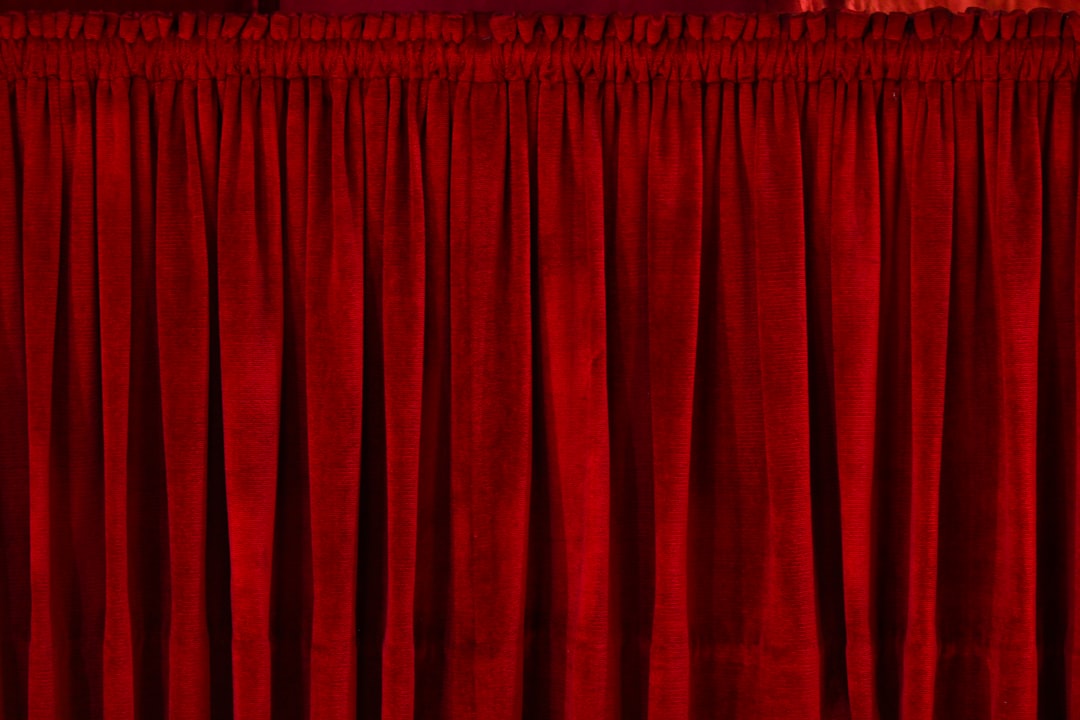
Blackout curtains are designed to block almost all incoming light. Several layers of thick fabric are usually used in their construction, and they frequently have a black interior layer or a particular blackout coating. Advantages: Superb at blocking UV and direct sunlight. offers superior privacy.
can considerably lessen heat gain. efficient at producing a dark sleeping environment. Cons: May cause rooms to feel extremely dark, necessitating artificial lighting during the day.
a more substantial look. Heat Performance: Because of their high opacity & frequently excellent insulating qualities, these curtain types are among the best for reducing heat. They reduce heat absorption by blocking solar radiation from reaching interior surfaces. With their ability to block 99 percent of light and 100 percent of UV rays, modern thermal blackout curtains, like those that use triple-weave technology, offer superior insulation all year round.
Heated curtains. Thermal curtains are specifically made with insulation as their main goal, though they frequently function similarly to blackout curtains. To provide a thermal barrier, they usually have several layers, frequently including a thick lining.
Advantages: Superior heat & cold insulation qualities. lowers air conditioning energy usage. may lessen the transmission of noise.
Cons: Compared to standard curtains, they are typically heavier & bulkier. 100% light blockage might not always be possible unless it is also intended as a blackout. Heat Performance: Excellent in Singapore’s weather conditions. They slow down heat transfer by creating a layer of trapped air between the room & the window. To improve their insulating qualities, they are frequently constructed with specialized backings or several layers of fabric. For example, some inexpensive thermal curtains can block 75–80% of light and heat, but more expensive models perform better.
Sheer drapes. Sheer curtains provide some privacy during the day while allowing light to pass through because they are composed of lightweight, translucent materials. Advantages: Preserve views and natural light. Provide a delicate style. Ensure basic privacy during the day.
Cons: Provide very little insulation or heat reduction. Give people some privacy at night. Heat Performance: Because they let most solar radiation through, they are typically not very effective at reducing heat. They might provide a small shield from direct sunlight, but they don’t do much to stop heat buildup. For heat control, they work best when combined with a second, heavier layer.
Double track curtains for day & night. Two layers of curtains are used in this system on different tracks: a sheer layer for use during the day & a heavier layer, usually thermal or blackout, for use at night or when the greatest amount of heat reduction is needed. Advantages: Provides privacy, heat management, and light control flexibility. Cons: Needs additional track space.
Because there are two sets of curtains, the initial cost may be higher. Heat Performance: Offers the best possible flexibility. While the sheer layer permits light & atmosphere during cooler times, the thermal or blackout layer can be drawn to block heat during the hottest parts of the day. Depending on the type of Singaporean home and the particular needs of the room, the selection and use of curtains for heat control can differ greatly.
HDB & BTO apartments. Window sizes and layouts are frequently standard in these units. Balcony doors, which are frequently found in more recent HDBs, are important heat entry points.
Living Rooms: Thermal or blackout curtains are a great way to reduce morning or afternoon sunlight in living rooms that face east or west, especially those with balconies. For large balcony doors, think about motorized curtains for convenience. Bedrooms: To guarantee ideal sleeping conditions and lower heat, blackout curtains are strongly advised for bedrooms, particularly those that receive direct sunlight. Kitchens: Due to the possibility of humidity and cooking fumes, lighter, moisture-resistant fabrics or even blinds may be preferred; however, if the kitchen faces the afternoon sun, a thermal lining may still be advantageous. condo buildings.
Larger windows or floor-to-ceiling glass panels, especially in living areas, can result in significant heat gain in condos. Full-Height Windows: These need a lot of curtains. For these large installations, motorized curtains are becoming more & more popular due to their convenience. Thermal or blackout properties are important because of the sheer volume of glass. Balcony Areas: If there is an open balcony, you may want to think about installing outdoor blinds or zip blinds to prevent heat & sunlight from reaching the indoor windows.
landed assets. Landed homes can benefit from a combination of exterior and interior solutions & frequently have a wider variety of window configurations. Large Picture Windows: Thermal curtains are crucial for controlling heat in large, roomy spaces. Verandahs and patios: By extending shaded areas, outdoor blinds or zip blinds can lower the outside temperature and shield outdoor furniture.
This serves as the property’s vital first line of defense against heat. The constant high temperatures & humidity in Singapore offer special opportunities and challenges when choosing curtains. the effects of humidity. High humidity can influence the choice of fabric, even though curtains are mainly used to control light and heat. It is advantageous to use fabrics that dry quickly or are less likely to develop mold. In places that are prone to condensation or have inadequate ventilation, routine cleaning is crucial to preventing mildew.
maximizing the use of curtains to control heat. Close the curtains on windows that receive direct sunlight during the hottest hours of the day, which are usually from late morning to late afternoon. This is known as strategic opening and closing.
To allow for natural ventilation, open them in the morning & evening when the temperature is lower. Air Gaps: To reduce the amount of space where heat can enter, make sure curtains are hung close to the window frame and slightly beyond it. The insulating layer is made possible by a small air gap between the window and the curtain. Layering: For optimal heat control & adaptability, think about a layering system that combines thermal or blackout curtains for heat blocking with sheer curtains for privacy and filtered light. Based on factors like fabric, size, design sophistication, and the addition of features like motorization, curtain prices in Singapore can vary greatly.
Sun exposure, maintenance, and fabric quality all have an impact on longevity. Estimates of costs (in Singapore dollars).
$5 to $20 per linear foot for basic sheer curtains. Non-thermal standard fabric curtains cost between $10 and $35 per linear foot. Blackout/thermal curtains cost between $20 and $60 per linear foot.
At the top of this range will be more upscale textiles & specialty linings. Motorized Curtains: In addition to the cost of the curtain fabric, the motorization system itself can add between $300 & $800 per window. The cost rises in direct proportion to the size of the installation.
By 2026, new manufacturing technologies are expected to make transparent smart doorway barriers, with their magnetic seals and phase-change materials, significantly more affordable. In locations with high energy demands, this could drastically reduce AC energy costs by up to 35%, opening up a new option for thermal control outside of conventional curtains. These are general estimates & can fluctuate based on market conditions, installation complexity, and fabric choices. lifespan. Standard curtains: 5–10 years, depending on sun exposure and fabric quality.
7–15 years for thermal/blackout curtains.
These fabrics are often more durable due to their heavy-duty nature. Motorized Systems: Although usage frequency & environmental conditions can affect this, motors normally have a lifespan of five to ten years. Regardless of fabric quality, exposure to Singapore’s strong sun can hasten its deterioration. UV-resistant linings can prolong the life of a curtain. Maintaining the aesthetic appeal of your curtains & their ability to effectively cool your house depend on proper care.
Frequent cleaning. Vacuuming: Using an upholstery attachment, vacuuming once a week or every two weeks helps get rid of dust and allergens that can affect the integrity and appearance of fabrics. Spot Cleaning: Use a damp cloth and a mild detergent right away to clean up spills or stains. Professional Cleaning: Every one to three years, most curtains, particularly those with thermal linings, benefit from professional dry cleaning. By doing this, the structure and cleanliness of the fabric are preserved without running the risk of damage from incorrect washing.
Always adhere to the manufacturer’s detailed care instructions. Machine Washing: Unless specifically instructed by the manufacturer, only machine-wash curtains. Use a mild detergent and cold water on a delicate cycle. Steer clear of harsh chemicals that can deteriorate linings or fabrics.
Preventing Sun Damage. Fabrics may fade, become brittle, or lose their thermal qualities if exposed to Singapore’s strong UV radiation on a regular basis. UV-Resistant Linings: Choose curtains with UV-resistant backings or linings to shield the primary fabric from sun damage while preserving its integrity & color.
Rotating Curtains: You can prolong the life of curtains by rotating them or switching between sets to reduce continuous sun exposure on one side. Resolving Humidity Problems. Mould and mildew can be a problem in Singapore’s humid climate. Ventilation: Make sure there is adequate airflow around windows, particularly after rain or when the relative humidity is high.
When possible, it can be beneficial to regularly open windows for cross-ventilation. Dehumidifiers: A dehumidifier can help regulate ambient moisture levels in especially damp rooms, lowering the chance of mold growth on textiles. Prevent Trapped Moisture: If there is condensation, avoid drawing curtains too close to a window as this may cause moisture to become trapped against the fabric. For Singapore’s smart homes in particular, motorized curtains are a major improvement in comfort and energy efficiency. By enabling automated curtain positioning control, these systems improve heat management all day long.
ease of use and accessibility. Remote Control: Use a remote control to operate the curtains from anywhere in the room. App Control: Even when you’re not at home, you can control curtains with a smartphone app. Even if you’re not at home, this is especially helpful for shutting curtains on windows facing east or west when the sun is at its strongest.
Voice Control: Seamless integration with smart home assistants (e. (g). for hands-free use (such as Google Assistant & Amazon Alexa). Heat management with automation.
The curtains are scheduled to open and close at predetermined times of the day. To block the intense evening sun, for instance, close the curtains on the west side of your house in the late afternoon & open them in the morning to let in natural light. Sensor Integration: Temperature or light sensors can be incorporated into sophisticated systems.
An intelligent response to heat gain is provided by curtains that can automatically close when direct sunlight strikes a window or when the interior temperature rises above a predetermined threshold. Energy Savings: Motorized curtains proactively lessen the strain on air conditioning systems by automating the blocking of solar heat, resulting in significant energy savings. Because smart control is proactive, heat is prevented before it has a chance to accumulate, improving air conditioning efficiency.
A more comfortable and energy-efficient home environment in Singapore can be greatly enhanced by this clever management of solar gain.
.
FAQs
How do curtains help in lowering room temperature?
Curtains can lower room temperature by blocking direct sunlight and reducing heat gain through windows. They act as a barrier that prevents solar radiation from entering the room, keeping the interior cooler.
What types of curtains are most effective at reducing heat?
Thermal or blackout curtains made from thick, tightly woven fabrics are most effective at reducing heat. Curtains with reflective or light-colored surfaces can also reflect sunlight away, further lowering room temperature.
Can curtains reduce the need for air conditioning?
Yes, by minimizing heat gain, curtains can help maintain a cooler indoor environment, which may reduce reliance on air conditioning and lower energy consumption.
Are there specific curtain colors that help in cooling a room?
Light-colored curtains, especially white or reflective shades, are better at reflecting sunlight and heat, helping to keep the room cooler compared to dark-colored curtains that absorb heat.
Do curtains work better when combined with other window treatments?
Yes, combining curtains with blinds, shades, or window films can enhance heat reduction by providing multiple layers of insulation and light control, improving overall room temperature management.