Balconies are useful additions to living space for HDB, condo, & landed homeowners in Singapore’s urban landscape. However, issues with privacy, sun exposure, and heat gain are frequently brought on by their open layout. This article examines several options, particularly blinds, zip systems, & layered textiles, that are intended to improve the comfort & usefulness of balconies for Singaporeans.
Making an informed choice that is suited to personal requirements and balcony specifications requires an understanding of each option’s features, from light filtration to material durability. Personal space is highly valued in Singapore’s high-density living environment. A balcony can feel exposed to nearby apartments or public walkways, but it also provides a link to the outside world for many homeowners. To make the most of this outdoor space, these privacy issues must be resolved. In addition to visual privacy, solutions must take into account the tropical climate’s intense sun, high humidity, & sporadic heavy rain.
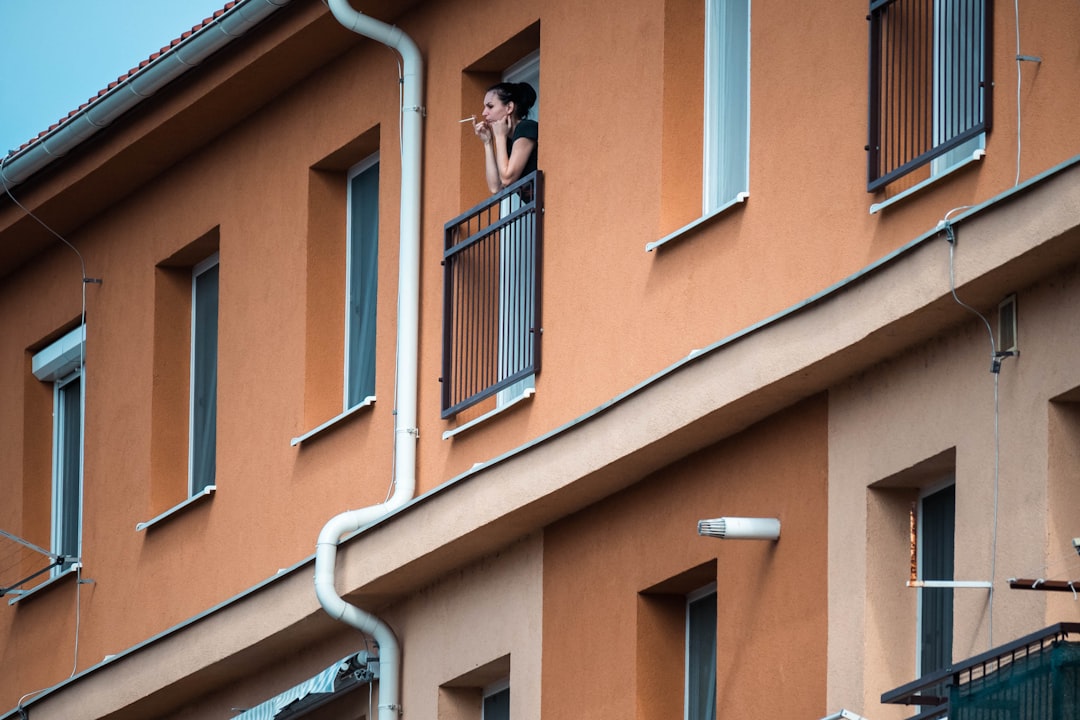
The Problem of Exposure on Balconies. Whether they are found in private condos, BTOs, or HDB apartments, balconies are by their very nature open spaces. Although it provides views and ventilation, this openness may result in a lack of visual seclusion. Instead of making the balcony a semi-public area, homeowners frequently want to create a more private and intimate setting. A sense of tranquil seclusion from the outside world is part of the desire for privacy, which goes beyond simply avoiding direct sightlines.
Balcony Solutions’ Climate Considerations. Any outdoor fixtures must meet certain requirements due to Singapore’s equatorial climate. In order to avoid fading and degradation, materials must be UV-resistant due to high temperatures and strong UV radiation from the sun. Materials must be resistant to mold & mildew due to the continuously high humidity levels. Also, solutions that can tolerate moisture without being damaged or becoming a maintenance burden are needed due to unpredictable torrential downpours.
Therefore, any system that is selected must be resilient enough to withstand these environmental stresses while successfully fulfilling its main purpose. A flexible & useful way to control privacy, heat, and sun exposure on a balcony is with balcony blinds. They are available in a variety of materials & operating mechanisms, each of which is appropriate for a particular set of functional requirements and preferences. A Singaporean homeowner’s decision frequently comes down to striking a balance between light control, weather resistance, & aesthetic integration with the overall design of the house. Roller blinds outdoors.
| Privacy Solution | Material | Light Control | Weather Resistance | Installation Complexity | Maintenance | Privacy Level |
|---|---|---|---|---|---|---|
| Blinds | Aluminum, PVC, or Fabric | Adjustable slats for variable light control | Moderate (depends on material) | Medium (requires mounting brackets) | Regular cleaning, occasional repairs | Medium to High |
| Zip Systems | Polyester fabric with zipper tracks | Opaque or semi-transparent options | High (designed for outdoor use) | High (requires precise installation) | Low (easy to clean, durable) | High |
| Layered Fabrics | Sheer and opaque fabric layers | Variable (sheer to block light) | Low to Moderate (depends on fabric) | Low to Medium (simple curtain rods or tracks) | Regular washing and care | Medium |
Outdoor roller blinds are a common option because of their ease of use and efficiency. These blinds are made to withstand the elements & are usually made of sturdy materials like PVC, canvas, or even bamboo. They can be adjusted for coverage because of their roll-up mechanism. Advantages. Effective Sun & Heat Control: A lot of outdoor roller blinds offer a lot of shade, which minimizes direct sun exposure and, as a result, lowers the amount of heat absorbed by the balcony & nearby interior areas.
Privacy on Demand: When fully extended, they produce a distinct visual barrier that provides instant privacy. Durability: Because materials like PVC are naturally water-resistant and easily cleaned, they are appropriate for Singapore’s humid and rainy climate. Although they may need more upkeep over time, bamboo options have a more natural appearance. Versatility: Homeowners can select the desired level of light and visibility thanks to the range of opacities available, from complete blockout to partial light filtering.
Consequences. Wind Limitations: If a roller blind is not properly fastened at the bottom, it may sway considerably in extremely strong winds or need to be retracted to avoid damage. Maintenance: Although generally low maintenance, frequent cleaning is necessary to avoid mold or dust accumulation, particularly in humid environments. Light Gap: Depending on the installation, there may be tiny openings on the sides that somewhat jeopardize total privacy.
Cost Range in Singapore: Depending on material, size, & motorization options, outdoor roller blinds for a typical HDB or condo balcony can cost anywhere between S$200 and S$800 per panel. Superior weather-resistant materials will be more expensive. Lifespan: Well-maintained outdoor roller blinds can last five to ten years, though some mechanisms may require maintenance sooner.
Venetian Blinds (Outdoor Variants). Venetian blinds are typically used for indoor windows, but they can also be used outdoors. Similar to their indoor counterparts, these blinds have horizontal slats that can be tilted to change light and privacy. However, they are made of weather-resistant materials, such as treated composites or aluminum. Advantages.
Accurate Light and Air Control: Compared to solid roller blinds, the tiltable slats provide more flexibility in terms of controlling the amount of light that enters and the direction of airflow. Preserves View while Providing Privacy: You can block views from below while still allowing some outward visibility and natural light by tilting the slats upward. Modern Aesthetic: Many contemporary condo designs can be complemented by the sleek, modern appearance of aluminum versions. Cons:.
Dust Accumulation and Cleaning: Compared to a single-panel roller blind, cleaning can be more labor-intensive due to the many slats’ potential to collect dust and dirt. Wind Noise: Some homeowners may be concerned about the rattling of the slats in windy conditions. Durability of Mechanisms: In a humid outdoor setting, the complex tilting mechanisms may be more vulnerable to deterioration. Cost Range in Singapore: Depending on the width & quality of the material, outdoor Venetian blinds can cost between S$250 and S$1000 per section.
Lifespan: Usually 5-8 years; however, due to exposure to the environment, mechanisms may need to be replaced or repaired sooner. Track-guided outdoor screening solutions that keep the fabric taut on all sides and frequently have a zipper mechanism along the edges are referred to as “zip systems” in general. Although they aren’t always referred to as “zip blinds” in every situation, these systems provide excellent weather protection & stability.
They are becoming more and more well-liked by Singaporean homeowners looking for durable, weatherproof balcony solutions. Improved Stability and Weather Protection. Zip systems enclose the blind fabric in side channels or tracks, in contrast to conventional roller blinds that might flap in the wind. In addition to preventing wind infiltration and offering improved defense against insects and light rain, this produces a much more stable barrier.
This stability is a major benefit for balconies exposed to strong gusts or constant sun. Also, the tautness makes the appearance smoother and more attractive. Options for Opacity and Materials. A variety of performance fabrics are available for zip system blinds, each with varying degrees of environmental resistance and opacity.
Solar Screen Fabrics: These materials are made to provide some outward visibility while blocking a large portion of UV radiation and solar heat. They do a great job of reducing heat buildup and glare while preserving visibility. Blockout Fabrics: Blockout materials totally block out light and vision for optimal privacy and heat exclusion. These are perfect for homeowners who want to extend their indoor living area or turn their balcony into a more secluded, shaded haven. PVC and acrylic fabrics: Because of their exceptional water resistance, these materials are ideal for shielding the balcony area from precipitation. They offer protection from wind and rain without completely blocking the view, and they can be tinted or clear.
Pros. Superior Wind Resistance: A major advantage for high-rise condos is that the track system keeps the fabric from flapping, making it extremely stable even in stronger winds. Improved Privacy and Pest Control: The enclosed system acts as a barrier against insects like mosquitoes and minimizes gaps, providing more complete visual privacy. Heat & Glare Reduction: By greatly reducing solar heat gain, high-performance textiles can help create a cooler interior and possibly save energy.
Durable and Low Maintenance: Other than the occasional cleaning, the sturdy construction and weather-resistant fabrics usually require little maintenance. Modern Aesthetic: BTO & condo developments frequently feature sleek, integrated designs that go well with modern architectural styles. Drawbacks.
Higher Initial Cost: Because of the advanced track mechanism & high-performance fabrics, these blinds are typically more expensive than standard roller blinds. Professional Installation Required: Professional installation is typically necessary due to the accuracy required for track alignment. Limited Customization: Although there are many different fabric options, the integrated system makes the overall appearance fairly consistent. Cost Range in Singapore: Depending on size, fabric type, and motorization, zip system blinds normally cost between S$600 and S$1,500 per panel. Lifespan: The fabric is the main part that may need to be replaced after extended sun exposure, & these robust systems typically last 8 to 15 years.
Layered fabrics are a desirable choice for homeowners who value a softer appearance or are looking for adaptable privacy solutions. These solutions, which are based on contemporary balcony design trends, successfully turn a hard-edged balcony into a more welcoming outdoor space by combining aesthetic appeal with useful functionality. Sheer outdoor drapes. Sheer outdoor curtains are a sophisticated way to diffuse harsh sunlight & add a gentle layer of privacy.
They give any balcony a hint of resort-like luxury & are made of weather-resistant, frequently UV-stabilized fabrics. Pros. Soft, Diffused Lighting: Without completely obstructing natural light, they filter sunlight to produce a soft, ambient glow.
On a sun-drenched HDB balcony, this can be especially alluring. Gentle Privacy: They create a soft veil that blocks direct views into your space while preserving an air of openness, even though they don’t provide complete visual blockout. Aesthetic Appeal: In keeping with contemporary minimalist and cozy balcony trends, they enhance the overall design of the balcony by adding texture, movement, and a decorative element. Airflow: Sheer curtains provide good air circulation even when they are drawn, which is essential in Singapore’s humid climate. Renter-Friendly Options: Tension rods or other comparable non-permanent fixtures can be used to install a lot of sheer curtains, making them “no-drill options” for apartment residents.
Cons:. Limited Privacy at Night: Compared to opaque options, they may become semi-transparent when lit from the inside, providing less privacy at night. Wind management: They may need tie-backs or weights because they can billow considerably in high winds. Maintenance: Regular washing is necessary because, despite their resistance to weather, they can develop mold and dust. Lack of Rain Protection: They provide little to no rain protection.
The price range for pre-made sheer outdoor curtains in Singapore is S$50 to S$200 per panel. Depending on the fabric and size, custom-made options can cost anywhere from S$150 to S$400 per panel. Lifespan: Usually two to five years, because fading and deterioration can result from continuous exposure to the sun and humidity. combining with structural elements or opaque panels.
Singaporean homeowners might think about integrating sheer curtains with existing balcony structures or layering them with more opaque materials to improve their functionality. This multi-layered method provides dynamic control over aesthetics, light, and privacy. Sheer Curtains with Roll-Down Blinds: You can have day-to-night flexibility when you pair sheer curtains with an underlying outdoor roller blind or zip system blind. The sheer curtains create a gentle atmosphere during the day.
The roller or zip blind can be used for better privacy or sun protection. Sheer Curtains with Wooden Slats or Bamboo Dividers: This combination, echoing 2026 trends, leverages a semi-permanent screen for foundational privacy and a touch of natural elegance, while sheer curtains add softness, light diffusion, & a movable layer of visual comfort. The structure’s slats guarantee airflow. Sheer Curtains with Railing Planters: Sheer curtains add an extra layer of softness & visual barrier above the plants, while tall, dense greenery along the balcony railing can act as a natural privacy screen.
Layering with Fairy Lights: For evening ambience, incorporating fairy lights with sheer outdoor curtains creates a magical and inviting retreat, enhancing the aesthetic without compromising on the soft privacy they offer. This method offers flexibility, enabling homeowners to change the balcony’s enclosure according to the time of day, the weather, or their own preferences. It is comparable to a camera with several lenses, each of which provides a unique viewpoint and degree of occlusion. In the age of smart homes, motorization makes balcony treatments even more convenient by providing simple control over shade, privacy, and climate control.
Singaporean landed and condo owners seeking a blend of luxury and practicality will find this feature especially appealing. Accessibility and convenience. Blinds and curtains can be easily opened and closed with motorized systems that are controlled by a remote control, wall switches, or smart home apps. It is perfect for large or multiple balcony coverings because it removes the need for manual labor.
Motorization is a major benefit for people who value seamless control or have mobility issues. Integration with a smart home. Many motorized systems can be incorporated into larger smart home ecosystems, going beyond simple remote control. Advanced features are made possible by this.
Scheduled Operations: Blinds can be set to open or close at predetermined times of the day. For instance, they can be programmed to retract in the morning to let in natural light and to extend in the afternoon to block the harsh Singaporean sun. Sensor-Based Automation: Integration with light sensors can trigger blinds to close automatically when direct sunlight is too strong, or with temperature sensors to adjust for optimal indoor climate control.
Certain outdoor blinds can be automatically retracted by rain sensors to avoid water damage. Voice Control: Smart assistants can use voice commands to operate systems in a truly connected home, providing the highest level of hands-free convenience. Advantages. Easy Operation: By pressing a button or using a voice command, light and privacy can be instantly changed. Enhanced Security: When residents are not present, programmed operation can create the appearance of an occupied home. Improved Energy Efficiency: Automated sun control can help regulate indoor temperatures, potentially reducing air-conditioning usage and energy bills.
Increased Lifespan of Fabrics: Smoother, consistent operation reduces wear & tear on blinds & curtains compared to manual handling. Modern Luxury: Gives the house a refined appearance that is in line with Singapore’s modern living standards. Consequences. Increased Cost: Because of the complexity of the hardware & installation, motorized systems are substantially more costly than manual ones. Power Source Requirement: Needs power outlets or appropriate battery solutions, which might need to be recharged. Maintenance of Motors: While durable, motors can eventually fail and require specialised repair or replacement.
Dependency on Technology: Although there are frequently manual override options, a power outage or system malfunction may make them unusable. Cost Range in Singapore: Depending on the type of motor, control system, & integration capabilities, adding motorization to blinds or curtains can raise the price by S$200 to S$800 per unit. Lifespan: Motors typically have a lifespan of 5-10 years, depending on usage and quality, potentially outlasting the fabric components.
Choosing the right balcony privacy solution in Singapore necessitates a holistic approach, considering factors beyond just aesthetics. Practical elements like humidity resistance, ease of cleaning, and long-term durability are crucial for sustained satisfaction. The specific function intended for the balcony also dictates the most appropriate solution. Consider your balcony as a chameleon, whose appearance and functionality change according to the skin you decide on. Climate and upkeep aspects.
Singapore’s persistent humidity is a primary adversary for outdoor fixtures. Materials chosen for balcony blinds, zip systems, or layered fabrics must be inherently mould and mildew resistant or possess properties that make them easy to keep clean. PVC & treated acrylic fabrics are excellent in this regard, as they can be easily wiped down.
Bamboo and untreated canvas are examples of natural materials that might need more regular cleaning or antifungal treatments. Regular maintenance, irrespective of the material, significantly impacts the lifespan and appearance of your chosen solution. For blinds, this includes periodic wiping or hosing down to remove dust and environmental pollutants.
Smooth operation of motorized systems is ensured by periodically inspecting the motor and tracks. In areas prone to high wind, checking the securement of blinds or curtains is also advisable. Durability and Lifespan Expectations. The quality of the materials, exposure to the weather, and upkeep all directly affect how long your balcony solution will last. High-Quality Zip Systems and Outdoor Blinds: Expect 8-15 years, particularly those made with marine-grade fabrics and aluminium components that resist corrosion.
The motor in motorised options may need servicing or replacement within 5-10 years. Outdoor Venetian Blinds: Due to their more intricate mechanisms and exposed slats, they typically last 5-8 years before components might need replacement, especially in highly humid or windy conditions. Sheer outdoor curtains typically have a lifespan of two to five years because they are made of fabric and are more exposed to UV and humidity-induced fading and material degradation. Consider them as seasonal decor, easy to refresh. Investing in high-quality, weather-resistant materials upfront often translates to lower long-term maintenance and replacement costs.
Like a good raincoat, it’s an investment in protection & longevity. Uses for Various Types of Balconies. The type of home and the intended use of the balcony often determine the best privacy and shading option.
HDB Balconies (BTO and Resale): Often smaller and more exposed to neighbours, multi-functional solutions are key. Zip Blinds: Provide excellent privacy, sound dampening, and weather protection, effectively extending the indoor space for laundry, a small herb garden, or a reading nook. They act as a robust shield, turning a public-facing area into a private retreat. Opaque outdoor roller blinds are an affordable option for controlling the sun and privacy, particularly if the balcony is used for drying clothes or casual seating.
Their strength lies in their simplicity. Layered Sheer Curtains + Zip Blind: Offers flexibility; sheer for aesthetics and diffused light, zip blind for full privacy and weather. Condo balconies: Frequently located in higher-rise buildings with views of the city or other apartments, these areas profit from solutions that strike a balance between strong weather resistance and aesthetics. Motorised Zip Blinds: Offer premium convenience & robust weather protection, allowing residents to seamlessly transform their outdoor dining or lounge area.
The ability to retract them fully preserves the condo ‘view’. Outdoor Venetian Blinds (Aluminium): Offer a sleek, modern look with adjustable light control, perfect for creating an executive lounge area or cocktail spot after work. Sheer Outdoor Curtains (Layered): For larger balconies, or those with partially enclosed designs, sheer curtains add a luxurious, resort-like feel and soft privacy, especially when paired with elegant furniture or fairy lights. Landed House Balconies: Larger, often integrated with gardens, requiring solutions that offer privacy from neighbours while maintaining an open feel and complementing landscaping. Zip Blinds (Solar Screen Fabric): Ideal for protecting against sun and glare while preserving garden views, creating a comfortable space for outdoor entertaining or quiet contemplation.
They provide a clear border. Layered Sheer Curtains with Structural Elements (Wooden Slats/Bamboo): Provides dappled light & a feeling of retreat while creating a natural, artistic boundary that blends with lush greenery. The fabric is the soft skin, and the slats are the bones. Motorised Outdoor Roller Blinds: For broad, expansive balconies, automated control over wide spans ensures easy protection from afternoon sun or sudden showers, making large-scale outdoor living effortless.
You can choose a privacy solution that not only satisfies your practical needs but also improves the general comfort and aesthetics of your Singaporean home by carefully taking into account the distinctive features of your balcony and way of life.
.
FAQs
What are the benefits of using blinds for balcony privacy?
Blinds offer adjustable privacy by allowing you to control the amount of light and visibility. They are easy to install, come in various materials and styles, and can enhance the aesthetic appeal of your balcony while providing protection from sun and wind.
How does a zip system work for balcony privacy?
A zip system uses fabric panels attached to tracks with zippers, creating a tight, secure enclosure. This system provides excellent privacy, wind protection, and weather resistance, making it suitable for balconies exposed to varying weather conditions.
What are layered fabrics, and how do they improve balcony privacy?
Layered fabrics involve using multiple fabric layers, such as sheer and opaque materials, to balance privacy and natural light. This approach allows for flexible privacy control while maintaining an airy and stylish look on the balcony.
Can these privacy solutions also provide protection from weather elements?
Yes, blinds, zip systems, and layered fabrics can offer varying degrees of protection from sun, wind, rain, and dust. Zip systems, in particular, are designed to create a weather-resistant barrier, while blinds and layered fabrics can shield against sunlight and moderate wind.
Are these balcony privacy solutions easy to install and maintain?
Most blinds and layered fabric solutions are relatively easy to install with basic tools and require minimal maintenance, such as regular cleaning. Zip systems may require professional installation due to their track and zipper mechanisms but are generally durable and low-maintenance once installed.