Singapore’s tropical weather, marked by intense heat & moisture, presents distinct factors for interior design. Homeowners across HDB flats, BTOs, condos, and landed homes often look for aesthetics that combine visual charm with functional strength against the elements. Two widely admired design approaches, Japandi & Wabi-Sabi, have become increasingly popular for their tranquil & minimal aesthetics. Though frequently used interchangeably, they present separate methods for shaping living areas, with one typically emerging as a stronger structural choice for tropical settings like Singapore.
This examination looks into the particulars of each, assessing their suitability for heat, sunlight, seclusion, and upkeep, ultimately helping Singaporean residents choose wisely. Japandi is a design trend that merges Japanese simplicity with Scandinavian practicality, yielding a style that feels both cozy and restrained. It functions as a comprehensive design framework focused on crafting serene, highly efficient spaces.
When exploring the aesthetic appeal of Japandi and Wabi-Sabi in tropical climates, it’s essential to consider how these design philosophies can harmonize with the vibrant surroundings. A related article that delves into the best curtain colors for tropical settings can provide valuable insights into enhancing your interior while embracing these styles. For more information, you can read about the top curtain colors in Singapore by visiting this link: Top 5 Curtain Colors in Singapore.
For Singapore’s tropical conditions, Japandi’s stress on utility, neat lines, and organic materials makes it a highly fitting option, frequently highlighted in 2026 design features for tropical locations such as Bali and Singapore as a more dependable & sensible starting reference. Japandi celebrates simplicity, natural brightness, and a subdued color scheme. Its visual identity prioritizes function over decoration, guaranteeing that each component has a clear purpose.
The result is a tidy environment that cultivates a feeling of calm & structure. Notable traits include uncluttered spaces, clever storage options, and an emphasis on skilled workmanship. This practical mentality naturally supports the need to handle heat and preserve a pleasant living atmosphere in Singapore.
Material choice is crucial for Japandi in damp surroundings. While organic materials are central to the style, specific adjustments are needed to ensure endurance and avoid problems like bending or mildew. Processed or moisture-resistant wood is strongly advised over raw solid timber, as it provides better steadiness against shifting humidity. Rattan, a naturally airy & robust material, works well for furniture and ornamental touches. Ceramics are perfect for tableware and decorative pieces because they don’t absorb moisture.
When exploring the design philosophies of Japandi and Wabi-Sabi, it’s interesting to consider how these styles adapt to tropical climates, where humidity and vibrant natural surroundings play a significant role in interior aesthetics. A related article discusses how these design principles can be harmoniously integrated into tropical settings, emphasizing the importance of natural materials and open spaces. For more insights on this topic, you can read the article here. This exploration reveals how the serene simplicity of Japandi and the beauty of imperfection in Wabi-Sabi can create tranquil retreats amidst the lush greenery of tropical environments.
| Aspect | Japandi Style | Wabi-Sabi Style | Considerations in Tropical Climates |
|---|---|---|---|
| Design Philosophy | Fusion of Japanese minimalism and Scandinavian functionality | Embraces imperfection, transience, and natural aging | Both emphasize natural elements, suitable for tropical openness |
| Color Palette | Neutral tones with soft pastels and muted colors | Earthy, muted, and natural tones with patina and wear | Light colors help reflect heat; earthy tones blend with tropical surroundings |
| Materials | Light woods, bamboo, linen, and natural fibers | Raw wood, stone, clay, and weathered materials | Use moisture-resistant and breathable materials to combat humidity |
| Furniture Style | Simple, functional, low-profile furniture with clean lines | Handcrafted, rustic, and asymmetrical pieces | Furniture should allow airflow and resist mold in humid conditions |
| Decor Elements | Minimal decor, focus on functionality and subtle aesthetics | Worn textures, natural imperfections, and asymmetry | Decor should be easy to clean and maintain in tropical moisture |
| Ventilation & Lighting | Maximizes natural light and cross-ventilation | Prefers natural light with soft shadows and organic ambiance | Essential to reduce humidity and heat buildup in tropical climates |
| Maintenance | Requires regular upkeep to maintain minimalistic look | Accepts natural wear and aging as part of aesthetic | Materials must be treated to prevent mold, decay, and insect damage |
| Overall Ambiance | Calm, orderly, and serene with a modern touch | Organic, cozy, and contemplative with a rustic feel | Both styles promote tranquility, beneficial for tropical stress relief |
When it comes to fabrics, linen and cotton are favored for their breathability and ease, aiding in heat reduction. Bamboo, valued for its quick growth & dampness resistance, also appears in tropical Japandi settings, often used in blinds, dividers, or compact furniture. Heavy synthetic finishes are typically avoided since they may lack the natural charm and sometimes hold in heat.
When exploring design aesthetics in tropical climates, the interplay between Japandi and Wabi-Sabi offers intriguing insights into how these styles can harmonize with nature. A related article discusses the unique challenges and opportunities presented by tropical environments, emphasizing how the principles of simplicity and natural beauty can be adapted to suit warmer settings. For more information, you can read the full article here, which delves into the nuances of blending these two philosophies in a way that enhances the serene ambiance of tropical living spaces.
A key benefit of Japandi in tropical residences is its natural encouragement of air movement and cooling. The style’s characteristic sparse furniture and open arrangements naturally promote cross-ventilation, which is essential for lowering indoor temperatures in Singapore. Sheer linen or cotton curtains that let in light while softening direct sunlight prevent excessive warmth without losing brightness.
The tidy nature of Japandi also minimizes both visual & physical heat, fostering a more relaxed indoor setting. In HDB and condo living spaces, Japandi’s open layout can make compact rooms appear larger & more breezy. Minimalist, low-set furniture in pale wood tones, paired with gentle, neutral fabrics, creates a welcoming yet orderly feel. Picture a sleek sofa, a single coffee table, and a few thoughtfully placed items like a ceramic vase or a rattan tray.
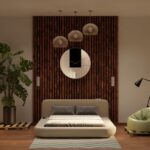
Breathable linen curtains would handle sunlight and heat well. For bedrooms in BTOs & landed properties, Japandi encourages a peaceful escape. A clean-lined platform bed, light-colored bedding in cotton or linen, and a simple wooden bedside table are common. Storage is often built-in and understated to preserve a calm vibe.
Motorized blinds or natural-fabric curtains offer seclusion & light management without adding bulk. Though Japandi focuses mainly on interiors, its ideas extend to sheltered outdoor zones like HDB and condo balconies. Durable timber decking or ceramic tiles, minimalist outdoor furniture in rattan or weatherproof wood, and thoughtfully placed greenery can form a soothing extension of the inside.
Outdoor blinds, particularly zip styles made from sturdy, breathable mesh, would blend seamlessly with the Japandi look, offering sun defense and privacy while preserving air circulation. Wabi-Sabi is a Japanese aesthetic principle that discovers elegance in flaws, impermanence, and the natural process of aging. It functions more as a surface and material philosophy than a complete design method, often incorporated into other styles. While appealing for its genuineness, its direct use in Singapore’s tropical environment requires a different approach than Japandi, especially in how materials evolve.
Wabi-Sabi values the distinct character of items that have aged, weathered, and show signs of wear. It accepts irregularity, coarseness, & simplicity, often showcasing natural textures & muted, earthy shades. The principle holds authenticity in higher regard than perfection, promoting a bond with nature & the flow of time. This admiration for the flawed can produce deeply meaningful spaces.
Wabi-Sabi’s focus on unprocessed, natural materials like raw wood, natural plaster, and aged metals can present specific challenges and perks in a humid tropical setting. The tarnishing & natural deterioration that are important to Wabi-Sabi will happen faster & more visibly in Singapore’s heat and dampness. Raw plaster surfaces, for example, might show unique moisture patterns or color shifts, which can be seen as part of the style but also call for more vigilance in upkeep.
Untreated solid timber, a favorite in Wabi-Sabi, will weather quickly, possibly developing splits or mildew if not selected or treated carefully. This quickened aging can be welcomed as part of the philosophy, but homeowners must be ready for the visual shifts and potential practical issues. Given the functional needs of the tropics, current styles in places like Singapore, Bali, and Ho Chi Minh City often apply Wabi-Sabi as an accessory rather than a core foundational look.
Many tropical homes start with a Japandi base—warm minimalism & practical design—and then add Wabi-Sabi features on top. This method lets residents enjoy Japandi’s comfort and usefulness while bringing in the soulful, imperfect textures and shapes of Wabi-Sabi. This layering might include adding handmade pottery with uneven forms, textiles with slight flaws or natural colors, or furniture made from repurposed wood that shows its history. These items introduce the wanted character without compromising the overall design’s structural or environmental soundness.
For instance, a Japandi-style living room could feature a Wabi-Sabi inspired concrete side table with a slightly rough top or a throw made from hand-woven, naturally tinted cotton. In a Japandi-themed HDB bedroom, a Wabi-Sabi touch could be a single, oddly shaped ceramic lamp or a linen duvet with a gently wrinkled appearance. In a condo dining space, a handcrafted, beautifully imperfect wooden table or artisan plates with subtle glaze variations would capture Wabi-Sabi without disrupting the practical area. For balconies, Wabi-Sabi can appear through aged terracotta pots, weathered stone pieces, or even selected plants with unusual, imperfect shapes.
When comparing Japandi and Wabi-Sabi for Singapore homes, it’s apparent that while both offer attractive looks, their practical effects in a tropical climate vary greatly. Japandi, as a complete design approach, is typically the superior fit for tropical conditions because of its inherent emphasis on function, air flow, and material durability. Wabi-Sabi, being more of a philosophical stance on materials and surfaces, works best as a supplementary feature within a more practical design structure. Japandi’s choice of processed or moisture-treated wood, rattan, ceramic, linen, and cotton means its materials are generally more capable of enduring Singapore’s humidity. These options are picked for their stability and simple upkeep in such settings, lowering the risk of bending, mildew, or fast wear.
Care usually involves routine cleaning suited to each material, helping to preserve its look & durability over time. Wabi-Sabi’s acceptance of raw, untreated materials and visible aging means that while its visual appeal is distinctive, its physical expression in the tropics calls for more deliberate maintenance. Raw plaster may require more frequent checks for dampness or staining.
Untreated woods might need specific humidity management or more thorough cleaning to avoid mold growth. The “beauty of imperfection” could easily turn into a maintenance burden if not handled proactively.
FAQs
1. Can Japandi style be adapted for tropical climates?
Yes, Japandi style can be adapted for tropical climates by incorporating natural materials, light colors, and minimalist design elements that complement the warm and humid environment.
2. How can Wabi-Sabi principles be applied in a tropical setting?
Wabi-Sabi principles can be applied in a tropical setting by embracing imperfections, using organic materials, and creating a sense of simplicity and tranquility that resonates with the natural surroundings.
3. What are some key differences between Japandi and Wabi-Sabi design styles?
Japandi style combines elements of Japanese minimalism with Scandinavian functionality, while Wabi-Sabi focuses on finding beauty in imperfection and impermanence. Japandi is more structured and modern, whereas Wabi-Sabi is more organic and rustic.
4. How can one create a harmonious blend of Japandi and Wabi-Sabi in a tropical home?
To create a harmonious blend of Japandi and Wabi-Sabi in a tropical home, one can mix clean lines and neutral colors of Japandi with the natural textures and weathered finishes of Wabi-Sabi. Incorporating indoor plants and handmade pottery can also enhance the fusion of these styles.
5. What are some practical tips for incorporating Japandi or Wabi-Sabi elements in a tropical climate?
Some practical tips for incorporating Japandi or Wabi-Sabi elements in a tropical climate include using light and airy fabrics, opting for furniture with clean lines and natural materials, embracing imperfections in decor pieces, and creating a sense of balance and tranquility in the space.