Enhancing the Comfort of Your Home: A Singaporean Comparison of Blockout and Sunscreen Designs for Sunlight & Heat Control. Homeowners in Singapore face a distinct set of difficulties due to the country’s equatorial climate, which is marked by year-round high temperatures and intense sunlight. Effective management of sunlight and heat is essential for preserving indoor comfort, lowering energy consumption, and safeguarding furniture, regardless of whether one lives in an HDB flat, a high-rise condo, a BTO unit, or a landed property. In order to provide Singaporean homeowners with useful information, this article explores the various ways that blockout and sunscreen styles tackle these issues. The way that blockout and sunscreen styles handle light and heat is the primary distinction between them.
Each has a distinct function & offers different levels of thermal performance, light control, and privacy. Blockout Styles: Superior Heat Reduction and Total Darkness. Blockout designs are designed to maximize control over heat and light. Their main purpose is to block all incoming sunlight, thereby making a space darker.
In exploring how different window treatment styles manage sunlight and heat, it’s essential to consider practical solutions for specific orientations, such as west-facing windows. For a deeper understanding of effective methods to block heat from these windows, you can refer to this informative article: How to Block Heat from West-Facing Windows. This resource provides valuable insights into various techniques and products that can enhance comfort and energy efficiency in your living spaces.
In Singapore, where direct sunlight can result in uncomfortable indoor temperatures and excessive glare, this capability is especially helpful. Total Light Blockage: Blockout materials are made with a special coating or a dense weave that keeps light from getting through. Regardless of the outside lighting, this guaranties that the space stays dark. This is crucial for getting good sleep in HDB or condo bedrooms, especially with the early morning sun. Significant Heat Gain Reduction: Blockout styles greatly reduce solar heat gain by physically obstructing direct sunlight from entering the interior. Instead of entering through windows and warming the interior, the sun’s energy is either reflected or absorbed by the fabric’s exterior.
Indoor temperatures may drop noticeably as a result of this passive cooling effect, reducing the need for air conditioning. Elimination of Glare: Glare is removed at its source thanks to blockout styles’ total light obstruction. This reduces reflections and enhances visual comfort, which is especially useful for home offices or living spaces with screens. Sunscreen Styles: Light Filtering, View Preservation, and Heat Moderation.
Sunscreen styles, on the other hand, are made to filter sunlight instead of totally block it. They provide a more sophisticated solution, striking a balance between light diffusion & the preservation of outside views—a highly desired feature in many Singaporean homes, particularly those with picturesque balconies or verdant surroundings. Controlled Light and UV Filtering: Sunscreen textiles usually have an open weave that lets in a certain amount of natural light while blocking out damaging UV rays.
When considering how different window treatment styles manage sunlight and heat, it’s interesting to explore the unique approaches of various designs. For instance, Venetian blinds are particularly effective in tropical climates, as they allow for adjustable light control while minimizing heat buildup. You can read more about this in the article on Venetian blinds in tropical climates, which discusses their benefits in detail. Understanding these differences can help you make an informed decision for your home.
| Style | Sunlight Handling | Heat Management | Typical Materials | Effectiveness in Hot Climates |
|---|---|---|---|---|
| Light-Colored Exterior | Reflects majority of sunlight, reducing heat absorption | Helps keep interiors cooler by minimizing heat gain | Light paint, reflective coatings, white or pastel finishes | Highly effective; reduces cooling costs and heat buildup |
| Dark-Colored Exterior | Absorbs more sunlight, increasing heat absorption | Can increase interior temperatures, requiring more cooling | Dark paint, wood stains, darker roofing materials | Less effective; may increase cooling needs in hot climates |
This lessens the harshness of the incoming light and shields flooring & furniture from direct sun exposure, which can fade them. View Preservation: Sunscreen styles’ capacity to preserve external visibility is one of their main benefits. This is especially appealing for HDB apartments with views of verdant landscapes or condos with expansive city views. Homeowners can take in the scenery without having to endure the sun’s full intensity.
In exploring how different styles manage sunlight and heat, it’s interesting to consider the insights shared in a related article that delves into the effectiveness of various window treatments. For instance, the article highlights how certain materials can reflect sunlight while others absorb it, ultimately impacting indoor temperatures. You can read more about this topic and its implications for energy efficiency by visiting this link. Understanding these dynamics can help homeowners make informed decisions about their window coverings.
Moderate Heat Buildup Reduction: Sunscreen textiles help reduce heat buildup, but they are not as effective as blockout styles. They keep a sizable amount of solar radiation from entering the space by filtering it. Although not to the same degree as blockout options, this aids in maintaining a more comfortable interior temperature. Glare Reduction: By dispersing direct sunlight, sunscreen designs successfully lessen glare. Because of this, they are appropriate for living spaces and study spaces where some natural light is needed but harsh reflections must be reduced.
The ability of blockout and sunscreen fabrics to control heat and sunlight is largely dependent on their color & composition. For Singaporean homes, where thermal efficiency is crucial, this is a crucial factor. Color Absorption and Reflection Science.
Fabrics used for curtains and blinds directly benefit from the concepts of light absorption and reflection. This knowledge directs the best material choice for various thermal goals. Darker Fabrics and Heat Absorption: Regardless of style, darker hues absorb more solar radiation. This means that although a dark blockout fabric will keep light out, its outside will absorb more heat, which, if improperly ventilated or insulated, may then radiate inward. Darker textiles will also absorb more heat for sunscreen styles, making the fabric feel warmer to the touch. If the blinds are exposed to prolonged, direct sunlight, this could be a factor.
Lighter Colors & Heat Reflection: On the other hand, lighter hues reflect more sunlight. Because they divert solar radiation away from the window, they are naturally colder. In blockout styles, the amount of heat absorbed and transferred indoors can be greatly decreased by using a lighter colored fabric on the outside facing the sun. Similarly, a cooler interior will result from lighter sunscreen fabrics absorbing less heat.
The composition of materials and their thermal characteristics. Beyond color, a fabric’s ability to control heat is influenced by the particular materials used and how they are constructed. Density & Weave: The ability of blockout fabrics to block heat and light is largely dependent on their dense weave or layered construction, which frequently has a thermal backing. These layers serve as a barrier of insulation. The amount of light & heat that sunscreen fabrics filter depends on the weave’s openness factor, which is usually expressed as a percentage.
Less light and heat penetration results from a lower openness factor. Specialized Coatings: A lot of contemporary sunscreen and blockout textiles have specialized coatings. These can be UV-protective coatings on sunscreen fabrics to further protect interiors or reflective coatings on the outside of blockout fabrics to improve heat rejection. Materials made to endure Singapore’s high humidity and strong UV are crucial for long-term performance in outdoor applications like zip blinds on balconies.
The degree of coverage provided by window treatments and their physical layout have a big impact on how well they control heat & sunlight. For the greatest thermal benefits, designs with solid coverage typically perform better than those with open elements. Uninterrupted protection with solid covers or shades.
The most complete defense against heat and direct sunlight is provided by solid covers, such as tightly fitting curtains, completely opaque Venetian blinds, or blockout roller blinds. Complete Barrier Formation: These designs prevent any direct solar radiation infiltration by forming an uninterrupted barrier across the window opening. This is especially important for parts of HDB and condominiums that get a lot of afternoon sun.
Enhanced Insulation: Because these covers are solid, they offer an extra layer of insulation that lessens heat transfer through the windowpane. For older windows that might have poorer thermal performance, this is especially crucial. Privacy Assurance: Solid covers provide total privacy in addition to thermal benefits, which is important for ground-floor HDB apartments or condos near other structures. Designs that are partially open balance light, airflow, and shade. Venetian blinds with movable slats, sunscreen roller blinds, & some outdoor blinds with mesh structures are examples of partially open designs that provide a balance between airflow, light control, and some shade.
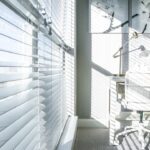
Venetian blinds offer great flexibility in terms of light and privacy, whether they are used indoors or outdoors. Homeowners can reduce glare while still allowing natural light by tilting the slats to direct sunlight either upward or downward. Although not as much as a solid blockout, they provide a respectable level of privacy and heat reduction when completely closed.
Outdoor Venetian blinds can provide shade on balconies in condos or landed properties while maintaining airflow. Controlled Filtering with Mesh/Screen Materials: Outdoor blinds that use mesh or screen materials provide partial shade, as do sunscreen fabrics. These lessen the intensity of direct sunlight while permitting airflow and outward visibility. They are perfect for places where some light & air are needed but the full force of the sun must be reduced, such as balconies in condos or landed properties.
For controlling the heat on a balcony without totally enclosing it, these kinds of outdoor blinds—including zip blinds—are especially helpful. Less Heat Blocking Compared to Solid Options: Partially open designs naturally let some heat & light in, even though they do have many advantages over uncovered windows. The need for maximum heat blocking must be weighed against the desire for view & airflow.
The specific requirements of each room in a Singaporean home should be taken into account when choosing between blockout and sunscreen styles, as well as material and color considerations. Thermal comfort & darkness should be prioritized in bedrooms. Blockout styles are usually the best option for bedrooms in HDB, condo, BTO, and landed homes. Ideal Sleep Environment: Given Singapore’s bright mornings, total darkness is necessary for restful sleep.
Roller blinds or blockout curtains work well to stop outside light from interfering with sleep cycles. Cooling Effect: Blockout fabrics’ exceptional heat-blocking qualities help keep bedrooms cooler by lowering the need for extended air conditioning use, which helps save energy. Bedrooms that are exposed to the afternoon sun should pay special attention to this. Privacy: Blockout styles offer complete privacy in crowded urban settings, which is essential for private areas. Dining areas and living rooms should balance comfort, light, and view. A combination of styles or a more adaptable approach to light control are frequently advantageous for these common areas.
Layered Solutions: Sheer curtains provide daytime privacy & diffused light in condos and landed properties, while roller blinds or blockout curtains provide evening privacy and sun protection. Sunscreen for Daytime Use: Venetian or sunscreen roller blinds work well in living rooms during the day. They let in natural light, maintain the view, and lessen glare, making the area cozy for entertaining or resting without getting too hot. Outdoor blinds can control heat & sunlight while increasing the usable space in living rooms with balconies. Consideration for Glare: Blockout or tightly closed Venetian blinds may be required to remove glare when watching TV or using laptops, particularly on sun-facing walls in HDB apartments.
Reducing glare & creating focused spaces in home offices and study spaces. Controlling glare and keeping a comfortable temperature are critical for productivity in Singaporean home offices. Glare-Free Workspace: To avoid eye strain caused by glare on computer screens, blockout options or effective sunscreen styles are essential.
Temperature Control: It’s crucial to keep the study at a comfortable temperature. Sunscreen and blockout can both be helpful, but blockout is a stronger option for prolonged exposure to the sun. Motorized Blinds/Curtains: Motorized blinds (both blockout and sunscreen) are a smart home solution for convenience and optimal light management throughout the day. They make it simple to adjust to shifting sun angles without interfering with work. Using outdoor blinds to extend living space on balconies and outdoor spaces.
Outdoor blinds, such as zip blinds and outdoor Venetian blinds, are becoming more & more popular for managing heat and sunlight in condo, HDB, and landed properties with balconies. Zip blinds are a great way to control the sun, heat, and privacy on balconies. Their side channels guaranty that there are few gaps, offering a strong defense against heat transfer and solar radiation.
Many zip blinds are available in sunscreen or blockout fabrics, so homeowners can select the type that best suits their preferred levels of light and heat. Zip blinds’ ability to reduce heat can drastically lower a balcony’s ambient temperature, improving its usability. Outdoor Venetian Blinds for Flexibility: Outdoor Venetian blinds offer sun protection & air circulation with adjustable shade and light.
For enjoying the outdoor area without being exposed to the sun, this is perfect. Humidity and Durability: To ensure longevity and durability, it’s critical to select materials for outdoor blinds that can withstand Singapore’s high humidity and intense UV exposure. All window treatments’ long-term performance and maintenance needs are impacted by Singapore’s particular climate. Mold prevention and humidity. In Singapore, high humidity is a persistent problem.
Select materials that are impervious to mold and mildew. In humid environments, polyester and synthetic blends are frequently chosen over natural fibers. Air Circulation: Ensure good air circulation, especially when blockout curtains are drawn for extended periods, to prevent moisture build-up between the window and the fabric.
Frequent Cleaning: Regular cleaning aids in preventing the buildup of dust and spores, which can cause mold to grow. severe sun exposure and fading. Fabrics may eventually fade and deteriorate due to Singapore’s strong UV radiation.
UV-Resistant Fabrics: Invest in fabrics with good UV resistance, particularly for curtains and blinds on sun-facing windows or for outdoor blinds. Lining for Curtains: For curtains, a separate lining can provide an additional layer of UV protection for the decorative fabric, extending its lifespan. Durability for Outdoor Blinds: Outdoor blinds like zip blinds must be made from robust, UV-stabilised materials to withstand prolonged exposure without significant fading or material degradation. The investment in curtains and blinds in Singapore varies significantly based on material, style, customisation, and motorisation. Price ranges (indicative in Singapore dollars).
Basic Roller Blinds (Sunscreen/Blockout): $80 – $250 per window, depending on size & fabric quality. Curtains (Blockout/Sunscreen): $150 – $600+ per window panel, depending on fabric, length, & customisation. Venetian Blinds (Aluminium/Faux Wood): $100 – $400 per window, influenced by material and slat width. Blinds outside (e.g. “g.”.
Zip Blinds, Outdoor Venetian): $800 – $3,000+ per panel/blind, highly dependent on size, material quality, and motorisation. These are usually more expensive because balconies are typically larger. Motorised Systems (for Curtains/Blinds): Adds $300 – $800+ per window, depending on motor type, system complexity, and smart home integration. These are general estimates, and actual costs can vary based on supplier, installation complexity, & specific material choices. Lifespan Issues. The lifespan of curtains and blinds in Singapore is influenced by material quality, sun exposure, usage, and maintenance.
Indoor Curtains/Blinds: Typically 5-10 years. High-quality, UV-resistant fabrics with good care can last longer. Constant direct sun exposure on cheaper fabrics will reduce their lifespan significantly. Outdoor Blinds: Generally 7-15 years for high-quality, weather-resistant materials, especially those designed for constant outdoor exposure like zip blinds.
Regular cleaning and proper operation are key to maximizing their lifespan in Singapore’s climate. Motorised Components: Motors typically have a lifespan of 5-10 years, though this can vary based on brand quality and usage frequency. Choosing between blockout and sunscreen styles, or incorporating both, requires careful consideration of Singapore’s climate, the specific needs of each room, and personal preferences for light, privacy, and view.
Whether in an HDB, condo, BTO, or landed home, optimising for sunlight and heat management through thoughtful selection of window treatments is an effective strategy for enhancing indoor comfort, reducing energy costs, and preserving the integrity of your home’s interior. By understanding the core mechanisms of each style, the impact of fabric colour & design, and the importance of climate-appropriate materials, Singaporean homeowners can make informed decisions that contribute to a more comfortable & sustainable living environment.
.
FAQs
1. How does modern architecture handle sunlight and heat?
Modern architecture often incorporates large windows and glass facades to maximize natural light and views. However, this can lead to increased heat gain, so modern buildings often use energy-efficient glazing and shading devices to control sunlight and reduce heat absorption.
2. How does traditional architecture handle sunlight and heat?
Traditional architecture typically features smaller windows and thicker walls to provide natural insulation and reduce heat gain. Buildings are often oriented to take advantage of natural shading from trees or other structures, and materials like adobe or stone help regulate indoor temperatures.
3. What are some common strategies used in modern architecture to mitigate heat from sunlight?
Some common strategies used in modern architecture to mitigate heat from sunlight include the use of low-emissivity coatings on windows, external shading devices like louvers or awnings, and green roofs or living walls to absorb heat and provide insulation.
4. How does traditional architecture adapt to extreme sunlight and heat conditions?
Traditional architecture in hot climates often features courtyards or central atriums to promote natural ventilation and cooling. Buildings may also have thick walls and small windows with deep eaves to provide shade and reduce heat gain.
5. What are the key differences in how modern and traditional architecture approach sunlight and heat?
Modern architecture tends to prioritize maximizing natural light and views, often using advanced technologies to control heat gain. In contrast, traditional architecture focuses on natural materials and passive design strategies to create comfortable indoor environments in response to local climate conditions.