Interior esthetics that emphasize serene & understated elegance are becoming more & more popular in Singaporean homes, from the expansive landed property to the small HDB flat. Among these, Wabi-Sabi & Japandi styles have become quite popular because they provide a welcome change from intricate designs. The selection of window coverings becomes crucial when designing such areas. Blinds are a great way to achieve the desired tranquility while addressing practical Singaporean concerns like heat, sun, and privacy because of their clean lines and variety of material options.
In order to ensure both esthetic coherence and practical performance in our tropical climate, this guide examines how to choose blinds that align with Wabi-Sabi and Japandi principles. Comprehending Wabi-Sabi and Japanese esthetics. Understanding the fundamentals of Wabi-Sabi and Japandi is essential for selecting window treatments. They have different subtleties that affect the choice of material and style, despite their similarities. The core of Japan.
When selecting blinds for Japandi and Wabi-Sabi interiors, it’s essential to consider the harmony of natural materials and minimalist aesthetics that define these styles. A related article that delves deeper into this topic can be found at Curtain Shop, where you can explore various options and tips for choosing the perfect window treatments that complement the serene and organic feel of your space.
Japandi is a combination of Scandinavian practicality and Japanese minimalism. It promotes simplicity, organic materials, & muted color schemes to create cozy, clutter-free environments. This translates to designs that are breathable, simple to maintain, and add to a feeling of spaciousness in Singapore, which is a valuable asset in HDB and condo living. Craftsmanship, longevity, and a simple, almost austere elegance are highlighted. The Wabi-Sabi philosophies. The Japanese philosophy of wabi-sabi honors imperfection, fleeting nature, and the beauty of natural processes.
Authenticity, asymmetry, and the delicate textures of worn materials are all embraced. Incorporating Wabi-Sabi into a Singaporean home entails selecting story-telling components, materials that age gracefully, and a general feeling of subdued respect for the natural world. Compared to Japandi, this style frequently has a softer, more organic esthetic that emphasizes the distinctive qualities of unprocessed, raw materials.
common guidelines for window treatments. Regarding blinds, both approaches agree on a number of important points. Natural materials like wood, bamboo, cotton, & linen are highly preferred. Warm gray, stone, & white are examples of soft, neutral colors that are fundamental.
When selecting blinds for Japandi and Wabi-Sabi interiors, it’s essential to consider how the natural materials and minimalist aesthetics of these styles can be complemented by the right window treatments. A great resource for understanding how different types of blinds can enhance your space is an article that discusses the benefits of Venetian blinds in tropical climates. You can read more about it here. By choosing the right blinds, you can create a harmonious balance that reflects the beauty of simplicity and nature inherent in both design philosophies.
“`html
| Blind Type | Material | Color | Texture | Light Control |
|---|---|---|---|---|
| Roman Shades | Natural fibers (e.g. bamboo, linen) | Neutral tones (e.g. beige, off-white) | Subtle, natural textures | Good light filtering |
| Bamboo Blinds | Bamboo | Earthy tones (e.g. brown, green) | Natural, rustic texture | Allows some light to filter through |
| Woven Wood Shades | Grass, reeds, bamboo | Earthy tones (e.g. tan, olive) | Organic, textured appearance | Offers varying degrees of light control |
“`
Blinds with few pleats or wave folds are examples of simple, minimalist designs that are preferred over elaborate ones. The main objective is to promote a feeling of calm and serenity in the living space, which is crucial for Singapore’s busy urban environments. Choosing Materials for a Realistic Look. Your blinds’ material is a key component in creating the Wabi-Sabi or Japandi style.
When selecting blinds for Japandi and Wabi-Sabi interiors, it’s essential to consider the harmony of natural materials and simplicity that these styles embody. A related article that delves deeper into this topic can be found here, offering insights on how to choose the perfect window treatments that complement the serene aesthetics of these design philosophies. By focusing on textures and colors that resonate with nature, you can enhance the tranquil atmosphere that defines both Japandi and Wabi-Sabi spaces.
Material selections must also be sensible and long-lasting given Singapore’s high humidity & strong sun. Cotton and linen are examples of natural textiles. Blinds made of cotton and linen work well in both Wabi-Sabi and Japandi interior design. They have a soft, organic feel because of their natural drape, light-filtering qualities, & inherent texture.
Japandi Application: For Japandi, choose solid, muted colors like off-white, light gray, or muted beige, as well as linen or cotton in clean, simple weaves. The minimalist philosophy is complemented by their tidy appearance. Application of Wabi-Sabi: Wabi-Sabi accepts the subtle flaws in natural fibers. Select cotton or linen with a slightly looser weave, possibly with small slubs or textural variations, and colors that seem a little unbleached or weathered. As a result, the material can convey its inherent qualities.
Climate Considerations: In Singapore’s humid climate, both cotton and linen provide good breathability. However, long-term exposure to intense sunlight can eventually cause fading, particularly in darker hues. Better heat and UV protection may be provided by lined options.
Maintenance: Usually simple, just the occasional dusting or light vacuuming is needed. Stains should be spot cleaned. Bamboo and natural hardwoods. For Japandi & Wabi-Sabi, wooden and bamboo blinds are classic options because they provide warmth, texture, & a direct link to the natural world. They work especially well to block the intense Singaporean sun.
Japandi Application: Pay attention to bamboo or light-colored woods with a straightforward, matte finish. Bamboo blinds with a consistent weave or horizontal wooden blinds (venetian blinds) with clean slats complement Japan’s structured yet organic esthetic. For example, venetian blinds’ simple lines provide superior solar control and a sharp appearance.
Wabi-Sabi Application: Choose wooden or bamboo blinds that showcase their inherent flaws and grain. A less consistent bamboo weave or slightly different tones within the slats can improve this effect. The best options are those that are unfinished or lightly stained to highlight the wood’s personality. Climate Considerations: One major benefit in Singapore is the ability of wooden & bamboo blinds to effectively block heat & sunlight, resulting in lower indoor temperatures. However, if solid wood is not properly treated, it may warp in high humidity over extended periods of time.
In general, bamboo can withstand changes in humidity better. Make sure the materials are treated to prevent mildew and mold growth. Upkeep: Dusting on a regular basis is essential. Use a moist cloth to wipe for a more thorough cleaning.
Steer clear of too much moisture on solid wood. Functionality and simplicity are design principles. Beyond materials, the blinds’ functionality and design are essential for attaining the intended esthetic and meeting practical requirements in Singaporean living areas.
Clean lines & simple shapes. Wabi-Sabi & Japandi both favor form simplicity. This translates to blinds that have a clean appearance.
Screen Blinds: Screen blinds are a smart option for superior solar control without sacrificing view. They are perfect for balconies or living rooms in condos & HDBs where views are valued because they block UV rays and decrease heat gain without compromising natural light. Their streamlined profile complements Japanese minimalism. Opaque Blinds: Opaque blinds are a good option when privacy & total light blockout are necessary. Their consistent color & solid surface give them a simple, unassuming appearance.
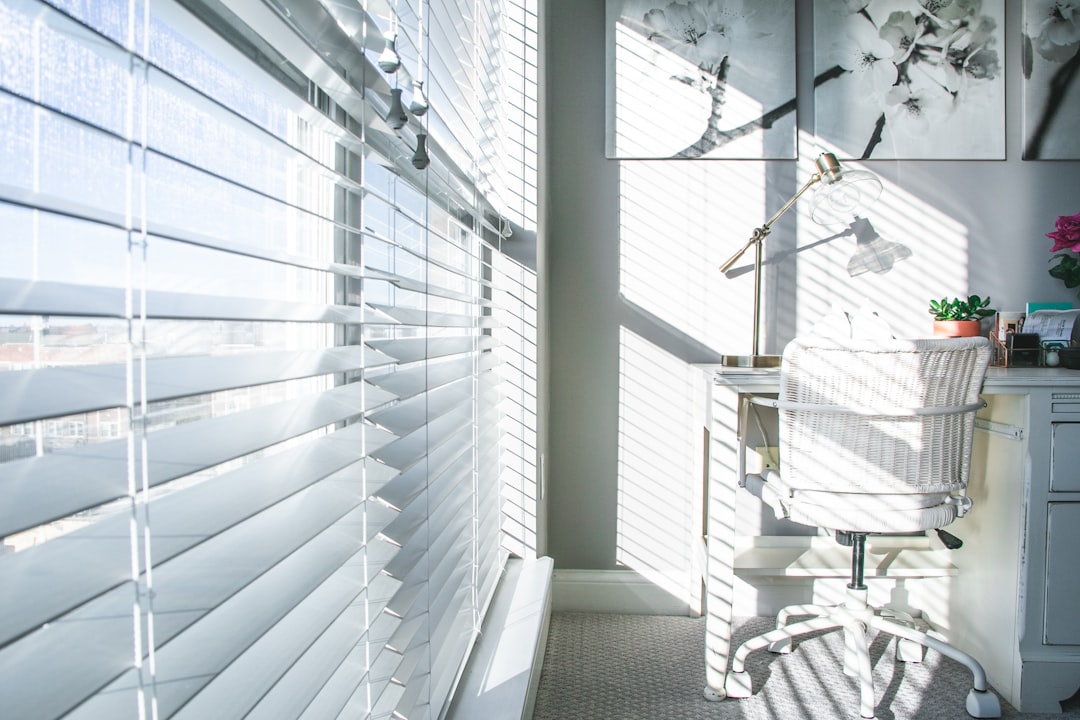
For bedrooms, these are especially helpful. Pleated Blinds: Pleated blinds have a clean silhouette and a gentle texture thanks to their soft folds. They complement both styles’ understated elegance by offering a subtle visual interest without being unduly ornamental. Venetian Blinds: In keeping with Japandi’s practicality, venetian blinds’ adjustable slats provide exact control over light & privacy. When selected in matte white or natural wood tones, they blend in perfectly.
Light and privacy are layered. Layering window treatments is a useful and widely advised strategy for Singaporean homes. This enables flexibility throughout the day to accommodate different requirements for privacy and light.
Sheer for Daytime: A layer of sheer or net (e.g. A g. Sheer roller blinds or sheer fabric blinds) provide some privacy while letting in diffused natural light during the day.
This brightens the area without creating harsh glare, which is essential for controlling the strong tropical sun. Opaque at Nite: An opaque layer (e. (g). Blackout roller blinds, opaque venetian blinds, or thicker fabric blinds) can be drawn in the evenings for total seclusion & light blocking, which is crucial for bedrooms & HDB or condo units that face the street.
Integration: By using integrated blind systems or double curtain rods, this layering technique enables each layer to function independently. Blinds are perfect for this practical layering because of their simple appearance, especially when combined with plain, plain fabric blinds. Room-Specific Uses in Singaporean Houses. The best blind option can change based on the type of Singaporean home & the room, taking into account aspects like functionality, privacy, and heat. Balconies & Living Rooms (HDB, Condo, Landed).
Japandi: A common feature in condo and HDB living, screen blinds in natural or muted tones are great for filtering sunlight and lowering heat without sacrificing views in living areas. In addition to offering accurate light control, wooden venetian blinds can create a cozy, welcoming atmosphere. Zip blinds are a sensible option for balconies, especially in landed homes or condos.
Zip blinds provide excellent protection from the sun, rain, and insects, increasing the outdoor space’s usability while upholding a tidy, contemporary style consistent with Japandi values. Durability against Singapore’s weather is ensured by their sturdy construction and elegant enclosure. Wabi-Sabi: For a softer, more natural appearance, embrace textured fabric blinds made of cotton or linen, possibly with a faint slubby texture. Also, bamboo blinds can add a handcrafted, rustic touch. The emphasis here is on materials that have an authentic, natural feel.
Muted, earthy-toned zip blinds for balconies can also complement this style by giving the impression of a protected, unadorned outdoor space. Climate & Privacy: Living rooms in Singapore frequently receive a lot of sunlight. It is crucial to have blinds that reduce heat and provide good UV protection. Privacy is also a major concern for HDB or condo units on the ground floor.
The best of both worlds can be achieved by layering opaque and sheer blinds. Landed, HDB, & condo bedrooms. Japandi: The darkness and seclusion required for sleep are provided by opaque roller blinds or thicker pleated blinds in muted hues. Their plain surface adds to a peaceful, uncluttered bedroom setting.
Natural wood-toned blockout fabric venetian blinds also provide good light control and a calm atmosphere. Wabi-Sabi: Choose blackout fabric blinds that have an obvious organic texture, such as a slightly uneven cotton or linen weave. Even in their practical function of obstructing light, comfort and a connection to natural materials are emphasized. Climate & Privacy: Complete light blockout is often desired in Singaporean bedrooms due to early sunrises and streetlights.
Blinds that effectively block light and provide thermal insulation against the heat are crucial for comfort. Kitchens and Dining Areas (HDB, Condos, Landed). Japandi: Simple roller blinds in light, clean colors or easy-to-clean venetian blinds (wood or faux wood for humidity resistance) are sensible options. Without overpowering the area, they provide light control. Wabi-Sabi: To add texture & a natural element, think about bamboo or woven wood blinds.
Venetian blinds made of faux wood that have been slightly distressed can also be used to combine functionality and an organic feel. Climate & Maintenance: Higher humidity and grease levels can occur in kitchens, particularly in HDB and condo buildings. The best blinds are ones that are moisture-resistant & simple to clean. Motorized blinds are an example of smart home integration. Smart technology integration can improve comfort and convenience in the modern Singaporean home, in line with Wabi-Sabi’s appreciation of thoughtful design and Japandi’s emphasis on functionality. Motorized blinds are convenient.
With the ability to be adjusted using a wall switch, remote control, or even a smartphone app, motorized blinds provide simple operation. Large windows, high windows in landed properties, and difficult-to-reach places will especially benefit from this. Japandi & Wabi-Sabi Harmony: The seamless operation of motorised blinds contributes to a sense of calm and order, without visible cords or chains that might detract from the minimalist aesthetic.
This subtle functionality blends in perfectly with both designs. Heat Management: In Singapore’s climate, automated scheduling allows blinds to close during the hottest parts of the day, even when you’re not home, significantly reducing heat gain and contributing to energy savings on air conditioning. This proactive heat control is in line with sustainable living and practicality. Privacy on Demand: With a single touch, privacy can be instantly achieved, which is invaluable for HDB and condo living where privacy might be a constant consideration. Durability: Motorisation reduces wear and tear from manual operation, potentially extending the lifespan of the blinds.
Types of Motorised Blinds. Almost all types of blinds can be motorised, including roller blinds, venetian blinds (wood or faux wood), & pleated blinds. For outdoor spaces like balconies, motorised zip blinds offer ultimate convenience and protection. Cost Ranges, Maintenance, and Lifespan in Singapore.
Understanding the practical aspects of cost, maintenance, and lifespan is crucial for Singaporean homeowners when making a long-term investment in blinds. Cost Ranges (Singapore Dollars). The cost of blinds in Singapore can vary significantly based on material, size, motorisation, & complexity. Basic Roller Blinds (Non-Motorised): Can range from S$60 – S$200 per window, depending on size & fabric quality. Fabric Blinds (Linen/Cotton, Non-Motorised): S$80 – S$300 per window, with natural fibres often being at the higher end.
Wooden/Bamboo Venetian Blinds (Non-Motorised): S$120 – S$400+ per window, depending on the wood type and finish. Zip Blinds (Outdoor, Non-Motorised): S$800 – S$2,500+ per panel, depending on size and material. For balcony spaces, these represent a substantial investment. Motorisation: Adding motorisation can increase the cost by S$200 – S$600+ per blind, depending on the motor type (wired vs.
battery) and smart home integration features. Overall: For a typical HDB 4-room flat, outfitting all windows with quality blinds (a mix of manual fabric and some wooden venetian) could range from S$1,500 to S$4,000. For a condo or landed property with more windows and potentially motorisation, costs could easily range from S$4,000 to S$15,000+. Maintenance Tips. Proper maintenance is key to prolonging the life and appearance of your blinds in Singapore’s climate.
Regular Dusting: Use a soft cloth or a vacuum cleaner with a brush attachment weekly to remove dust & prevent build-up. Spot Cleaning: For fabric blinds, use a mild detergent solution and a damp cloth to gently dab stains. Avoid harsh chemicals.
Wiping Hard Blinds: Wooden, faux wood, and bamboo venetian blinds can be wiped with a damp cloth. Ensure wooden blinds are dried immediately to prevent water damage. Humidity Control: In high-humidity areas, ensure good ventilation to prevent mould and mildew growth, especially on natural fabric blinds. Motorised Blinds: Ensure motors are kept dry.
Periodically check battery-operated motors and replace batteries as needed. Lifespan. The lifespan of blinds is influenced by material quality, usage, and maintenance.
Fabric Blinds (Roller, Pleated): 5-10 years, with higher quality fabrics lasting longer. Exposure to direct, intense sun can accelerate fading & material degradation. Wooden/Bamboo Blinds: 8-15 years. Quality wood and proper treatment against humidity & pests contribute to a longer life.
Faux Wood Blinds: 10-20 years, as they are more resistant to moisture and warping. Zip Blinds: 7-12 years, given their exposure to outdoor elements. High-quality materials & robust construction are essential for durability against sun, rain, and wind. Motorised Components: Motors typically have a lifespan of 5-10 years, depending on the brand and usage frequency. By carefully considering these factors, Singaporean homeowners can select blinds that not only elevate their Japandi or Wabi-Sabi interiors but also offer practical benefits of heat management, privacy, and durability, enriching their living experience for years to come.
.
FAQs
What are Japandi and Wabi-Sabi interiors?
Japandi is a design style that combines the modern simplicity of Scandinavian design with the timeless elegance of Japanese aesthetics. Wabi-Sabi, on the other hand, is a Japanese philosophy that embraces imperfection, simplicity, and the beauty of natural materials.
What type of blinds work best for Japandi interiors?
For Japandi interiors, it’s best to choose blinds that are simple, minimalistic, and made from natural materials such as bamboo or wood. Neutral colors like white, beige, or light gray are also ideal for maintaining the clean and uncluttered look of Japandi design.
What type of blinds work best for Wabi-Sabi interiors?
Blinds that complement Wabi-Sabi interiors are those that embrace imperfection and natural textures. Consider choosing blinds made from organic materials like linen or hemp, and opt for earthy tones such as muted greens, browns, or soft grays to enhance the Wabi-Sabi aesthetic.
How can blinds contribute to the overall aesthetic of Japandi and Wabi-Sabi interiors?
Blinds can contribute to the overall aesthetic of Japandi and Wabi-Sabi interiors by adding a sense of simplicity, natural beauty, and functionality. The right blinds can enhance the clean lines and uncluttered look of Japandi design, while also bringing in the organic and imperfect elements that define Wabi-Sabi.
What are some key considerations when choosing blinds for Japandi and Wabi-Sabi interiors?
When choosing blinds for Japandi and Wabi-Sabi interiors, it’s important to consider factors such as natural materials, simple and minimalistic designs, earthy and neutral colors, and the ability to embrace imperfection and natural textures. Additionally, consider the functionality of the blinds and how they can contribute to the overall ambiance of the space.