Singaporean homeowners, especially those living in modern condominiums, often look for interiors that combine visual appeal with practical utility. The design concepts of Japandi and Wabi-Sabi have become quite popular, offering distinct yet complementary ways to create peaceful living spaces. Although both value simplicity & natural materials, how they work, particularly within a condo’s constraints, shows key differences that need careful thought. In 2026, Japandi remains a strong choice for its practical nature, while modern Wabi-Sabi has evolved to become a more workable option for balancing raw beauty with everyday life in small layouts.
Understanding the Core Ideas
To fully grasp the differences between Japandi and modern Wabi-Sabi, it’s important to explore their basic principles. Both styles draw from Eastern aesthetics, but their interpretations lead to different results in a condo setting. Japandi: Mixing Scandinavian Warmth with Japanese Orderliness
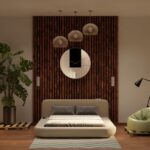
Japandi is a design blend that combines the cozy minimalism of Scandinavian interiors with the calm, tidy elegance of Japanese style. It aims to create a peaceful yet warm environment, emphasizing usefulness, natural materials, & simple lines.
When exploring the design aesthetics of Japandi and Wabi-Sabi for modern condos, it’s essential to consider how these styles can influence not only the interior decor but also the overall comfort of the living space. For instance, understanding how to manage natural light and heat can significantly enhance the ambiance of a condo. A related article that delves into practical solutions for maintaining a comfortable environment is available at this link, which offers insights on blocking heat from west-facing windows, a common challenge in urban living.
This mix results in spaces that feel both inviting and neatly arranged, making it a popular choice for many homes, especially small condos in Singapore. Key Traits: Japandi interiors feature muted color schemes (grays, whites, natural wood tones, soft greens), low-profile furniture, and a strong focus on natural light. Materials lean toward lighter woods, linen fabrics, & ceramics, chosen for their simple beauty and durability. The main idea is to create a sense of tranquility and order, where every item has a purpose & adds to the overall calm of the space.
Visual Appeal: The appeal of Japandi lies in its understated elegance. It avoids too much decoration, letting the natural beauty of materials & craftsmanship shine. Clean lines and uncluttered surfaces give a feeling of spaciousness, which is very helpful in condos where every square foot matters. The warmth from Scandinavian touches keeps the space from feeling cold, ensuring a comfortable & homey atmosphere.
Modern Wabi-Sabi: Accepting Imperfection with Practical Grace
Wabi-Sabi, rooted in traditional Japanese aesthetics, celebrates the beauty of imperfection, change, & natural aging. It finds beauty in asymmetry, roughness, and signs of wear. Traditionally, Wabi-Sabi might have leaned toward extreme rawness, but its modern version has adapted for contemporary living, especially in urban settings like Singaporean condos. Modern Wabi-Sabi now balances these raw, genuine textures with a more refined, functional design, making it easier for daily use.
When exploring the aesthetic appeal of modern condos, the debate between Japandi and Wabi-Sabi styles often arises, each offering unique elements that can enhance contemporary living spaces. For those interested in a deeper understanding of these design philosophies, a related article can provide valuable insights into their principles and applications. You can read more about it in this informative piece on design trends that beautifully merge functionality with artistic expression.
| Aspects | Japandi | Wabi-Sabi |
|---|---|---|
| Color Palette | Neutral colors with pops of muted tones | Earthy and organic colors |
| Materials | Wood, metal, and glass | Natural materials with imperfections |
| Furniture | Minimalist and functional | Aged and weathered pieces |
| Decor | Simple and practical | Handmade and imperfect |
| Overall Feel | Clean and organized | Relaxed and unpretentious |
Key Traits: Modern Wabi-Sabi still favors natural, unprocessed materials like unfinished wood, raw concrete, textured plaster, and handmade ceramics. However, it’s applied less as rustic abandon and more as thoughtful integration. Surfaces might be deliberately aged or textured, but within a clean and well-organized layout. There’s a subtle nod to organic shapes & natural aging, promoting a calm, poetic atmosphere. Visual Appeal: The appeal of modern Wabi-Sabi lies in its authenticity and the story each material tells.
When exploring design aesthetics for modern condos, the debate between Japandi and Wabi-Sabi often arises, each offering unique philosophies that can transform a living space. A related article discusses how these styles can be harmoniously integrated to create a serene environment that reflects both minimalism and the beauty of imperfection. For those interested in delving deeper into this topic, you can find more insights in this informative piece on design trends. Embracing elements from both styles can lead to a beautifully curated home that resonates with tranquility and elegance.
It’s an antidote to mass-produced perfection, offering a space that feels grounded and connected to nature. For condo dwellers, this means creating a sanctuary that offers a break from city life, with unique textures and subtle imperfections adding character and soul to the living space. The evolution ensures that while celebrating imperfection, the space remains comfortable and hygienic for daily life. Practicality in Small Condo Spaces
When designing for small spaces like HDB flats or condo units in Singapore, practicality and efficient use of space are key. This is where the core differences between Japandi and modern Wabi-Sabi become clear in their fit.
Japandi’s Strength in Space Optimization
Japandi is generally preferred for condos because its design principles naturally suit smaller layouts. Its focus on functionality and clean lines leads to solutions that maximize space without losing style. Low-Profile Furniture: A hallmark of Japandi is its use of low-profile furniture—sofas, beds, and tables that sit closer to the floor. This visual trick creates an illusion of higher ceilings and more open space, a big benefit in condos where vertical space may be limited. The furniture designs are typically streamlined, avoiding bulkiness that can overwhelm a small room.
Consistent Flooring and Built-in Storage: Japandi strongly supports consistent flooring throughout an open-plan condo. This unbroken visual flow helps the whole unit feel larger and more cohesive. Also, integrating smart, built-in vertical storage is a key part of Japandi design. Think minimalist shelving, built-in cabinets, and hidden storage spots that keep the uncluttered look while providing essential function. This approach reduces visual clutter, which can quickly shrink a small room, and ensures every item has a place, creating an orderly and spacious feel.
Modern Wabi-Sabi’s Evolved Approach
Traditionally, Wabi-Sabi’s material-driven, open-ended approach might have seemed less suited to small condo living. However, its modern version has made big strides in adapting to these limits, though it still needs careful planning. Balancing Rawness with Layout: In 2026, modern Wabi-Sabi has deliberately moved away from “extreme rawness” toward a more “contemporary” style.
This means while it still uses natural textures like raw concrete, textured plaster, or natural wood with visible grain, these elements are often balanced with clean layouts and functional design. For example, a textured feature wall might be paired with a minimalist, custom-built console that offers practical storage. The focus is on tactile experiences without losing everyday usability. Strategic Material Application: Instead of widespread raw textures, modern Wabi-Sabi in a condo might use these elements more sparingly—perhaps a custom dining table with an organic, imperfect finish, or deliberately aged ceramic planters.
The key is to introduce moments of imperfection & nature’s beauty without creating visual chaos. Open-ended layouts are still desirable, but they are carefully curated to ensure the visual weight of raw materials doesn’t overwhelm the space. The evolution means designers are better at integrating the beauty of imperfection within a structured, functional framework, making it more suitable for BTOs and modern condo living where every square foot is valuable. Cost and Upkeep Considerations for Condos
The initial investment and ongoing care are important factors for any Singaporean homeowner, especially when planning a condo renovation. Both Japandi and modern Wabi-Sabi have different cost structures & maintenance philosophies.
Japandi: Predictable Costs & Managed Wear
Japandi renovations tend to be more predictable and often more affordable, mainly due to the wide availability of its key materials and focus on manufactured consistency. Cost-Effectiveness: Renovation costs for a Japandi interior are generally more manageable. This is largely because of the use of engineered timber, commonly available furniture, and standard quality finishes. While custom pieces can be added, the core look relies on well-designed, mass-produced items that follow clean lines and minimalist forms. The predictability in material sourcing & standard construction methods helps keep project budgets stable.
Maintenance Philosophy: Japandi aims to control wear through consistent care. The philosophy is to keep materials & surfaces in pristine condition for as long as possible. This means regular cleaning, gentle handling of wooden surfaces to prevent scratches or fading, and quickly addressing any wear and tear. The goal is to maintain the smooth, uncluttered, & immaculate appearance of the space, reflecting the Japanese principle of order & the Scandinavian value of longevity through care. Modern Wabi-Sabi: Higher Investment and Embraced Imperfection
Modern Wabi-Sabi, despite its evolution, often involves a higher upfront cost & a different approach to maintenance, accepting rather than fighting natural wear.
Higher Cost Due to Artisanal Sourcing: The distinctive look of modern Wabi-Sabi often comes at a premium. Achieving its authentic, imperfect beauty frequently requires artisanal sourcing for custom joinery, hand-finished plaster, natural stone with specific patinas, or custom furniture pieces made from raw, sometimes irregular, materials. These unique elements and the craftsmanship involved in their creation and installation contribute to a significantly higher overall renovation cost compared to the more standardized elements of Japandi. The intentional irregularities & unique textures cannot always be mass-produced efficiently, requiring more specialized skills and procurement.
FAQs
What is Japandi style?
Japandi is a design style that combines elements of Japanese minimalism with Scandinavian functionality. It emphasizes clean lines, natural materials, and a neutral color palette.
What is Wabi-Sabi style?
Wabi-Sabi is a Japanese aesthetic that focuses on embracing imperfection and impermanence. It values simplicity, authenticity, and the beauty of natural materials that show signs of wear and aging.
How do Japandi and Wabi-Sabi styles differ?
Japandi style combines Japanese and Scandinavian design elements to create a modern, minimalist look, while Wabi-Sabi embraces imperfection and impermanence, focusing on the beauty of natural materials and the passage of time.
Which style is better suited for modern condos?
Both Japandi and Wabi-Sabi styles can work well in modern condos, but Japandi may be more popular due to its clean lines, functionality, and neutral color palette, which can create a sense of calm and simplicity in a small space.
How can I incorporate Japandi or Wabi-Sabi style into my condo?
To incorporate Japandi style, focus on clean lines, natural materials, and a neutral color palette. For Wabi-Sabi, embrace imperfection, use natural materials, and incorporate elements that show signs of wear and aging, such as distressed wood or handmade ceramics.