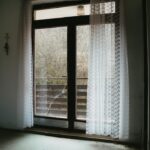
Singaporean homes with balconies, especially those in HDBs and condos, provide useful outdoor living space. However, because of their close proximity to nearby apartments or high-rise vantage points, they frequently pose privacy issues. For homeowners who want to enjoy their balcony to the fullest while keeping their privacy and comfort, these issues must be resolved. Given Singapore’s distinct climate and common living arrangements, this article examines both practical and aesthetically pleasing ways to improve balcony privacy.
Because of the high-density living in HDB apartments and condos that characterize Singapore’s urban landscape, balconies are often overlooked by nearby buildings or higher floors. This close proximity makes careful consideration of privacy solutions necessary. In addition to visual intrusion, heat & direct sunlight can also affect comfort, so multifaceted solutions are frequently more suitable.
Even though they might have more space, homeowners on landed properties might still want seclusion from nearby properties or street-level views. Visual Secrecy vs. Light and airflow. The balance between visual blockade & the preservation of natural light and airflow is an important factor to take into account when selecting balcony privacy solutions. While completely covering a balcony may provide the most privacy, it may also result in a stuffy, dark area.
In Singapore’s tropical climate, solutions that provide some degree of transparency or customizable privacy are frequently favored. Also helpful in reducing heat accumulation are materials that permit some air circulation. Climate Considerations.
The humid, tropical climate of Singapore requires particular material selections & design considerations. Materials need to be strong, weatherproof, and able to tolerate regular rain, sun, and humidity without deteriorating quickly. Resistance to mildew and mold is another important consideration. Also, solutions that help lower heat gain are very beneficial, promoting both internal comfort and energy efficiency. To accommodate different privacy requirements, aesthetic preferences, and financial constraints, a variety of options are available.
| Privacy Solutions for Balcony Windows | Features | Benefits |
|---|---|---|
| Frosted Glass Film | Easy to apply, affordable | Provides privacy, diffuses light |
| Outdoor Curtains | Weather-resistant, customizable | Adds decorative touch, blocks view |
| Balcony Privacy Screens | Durable, easy to install | Blocks wind, provides privacy |
Natural and technological approaches, as well as soft and hard applications, can be used to broadly classify these solutions. Flexible privacy with soft furnishings. Soft furnishings allow for adjustable light control and a softer appearance, making them a flexible and frequently renter-friendly solution for balcony privacy.
Sheer shades and outdoor curtains. On balconies, layered outdoor curtains and shades offer a versatile solution for controlling light and privacy. Tension-rod mounted sheer and canvas layers are especially helpful for people who live in BTOs or rented apartments where drilling might not be allowed. The heavier canvas layer offers complete visual obstruction when necessary, while the sheer layer can provide some privacy and diffuse harsh sunlight. These systems are simple to open & close, adjusting to different times of day or privacy needs.
Advantages: Extremely versatile, aesthetically beautiful, customizable light control, & frequently renter-friendly (tension rod options). Easily removed for storage or cleaning. Cons: May need frequent adjustment, may be vulnerable to strong winds, and requires frequent cleaning due to outdoor exposure. Maintenance: To stop the growth of mold and mildew, regular washing is crucial. Cost range (Singapore): S$150 to S$800+ per run, depending on size, installation complexity, and material quality.
Depending on the material, sun exposure, and upkeep, the lifespan ranges from two to five years. Shade Canopies and Sails. Although the main purpose of tensioned fabric structures like shade sails and canopies is to protect against the sun, they can also improve privacy by blocking sightlines from upper windows. When paired with plant trellises or side curtains, their ability to improve privacy is significantly increased. For larger condo or landed property balconies, these work especially well.
Advantages include good sun protection, a comfortable shaded area, & the ability to provide substantial overhead privacy. Cons: Water collection if improperly sloped; semi-permanent installation; may not provide total side privacy. Maintenance: The fabric is occasionally cleaned. Depending on size, material, and installation complexity, the price range (Singapore) is S$300 to S$1,500+. Lifespan: 5 to 10 years, contingent on weather exposure & material quality. Structural components can be incorporated into the balcony design for more durable & reliable privacy solutions.
These choices frequently offer increased durability and necessitate more extensive installation. Privacy Panels and Screens. Modular visual barriers with a variety of material options are available for outdoor privacy screens and panels to accommodate a range of functional and aesthetic requirements. Panels of wood lattice.
A traditional option, wood lattice creates a semi-private barrier that permits some light & airflow. Supporting climbing plants is a great way to improve privacy and green aesthetics. Treated wood or composite wood substitutes are better for Singapore’s climate because they can withstand rot and insect infestation. Advantages: allows for airflow, is aesthetically pleasing, & supports plants well.
Cons: Needs to be sealed or treated for durability against humidity; if neglected, it may rot easily. Maintenance: Cleaning on a regular basis & sealing every few years. Price range (Singapore): S$80 to S$300 per panel (material only); installation is an additional expense.
Lifespan: 5 to 15 years, depending on the kind of wood, how it is treated, & how it is maintained. Bamboo or slatted screens. Tall bamboo or layered slatted screens provide a well-balanced approach to light, ventilation, & privacy. Materials with superior low-maintenance qualities, such as color-stable composites, can resemble wood or bamboo while withstanding fading & deterioration in Singapore’s sun and rain. For HDB or condo balconies looking for a contemporary yet organic appearance, these are appropriate.
Advantages: Excellent airflow, good light diffusion, modern appearance, and, if composite, low maintenance. Cons: Depending on the distance between slats, it might not completely block vision; dust can build up. Maintenance: Regular cleaning. Depending on the material and height, the price range in Singapore is S$100 to S$400 per linear metre. Lifespan: 5 to 15 years for natural bamboo or treated wood; 10 to 20 years for composites.
Panels made of metal and composite. Strong and long-lasting visual barriers are provided by freestanding or mountable metal, composite, or fabric panels. These can be made specifically to blend in with the balcony’s current architectural style. Because of their resistance to weather and variety of aesthetic options, composite panels in particular are becoming more & more popular.
They are perfect for areas with a lot of exposure or for a more modern appearance. Advantages: Strong visual privacy, a variety of designs, weather resistance, & high durability. Cons: If solid, it may limit airflow, be heavier, and be more expensive.
Maintenance: Very minimal, sporadic cleaning. Depending on the material, size, and design, each panel can cost anywhere from S$200 to S$800+ in Singapore.
15 to 30 years is the lifespan, depending on the material and quality. A cooler and cozier atmosphere can be created by adding plants and greenery, which also provides an enticing & sustainable way to improve balcony privacy. Vertical gardens and living walls.
Natural privacy screens can be created in a small amount of space by using living walls or vertical gardens. They can effectively block views, enhance aesthetics, and improve air quality by planting thick foliage. These are becoming more popular in condo balconies & HDBs with constrained horizontal space.
Advantages: Great for privacy, aesthetically pleasing, helps cool the area, and enhances air quality. Cons: Needs frequent watering and upkeep; may draw insects; may be expensive to set up initially. Maintenance includes pest control, daily watering, and pruning. S$100 to S$400 per square meter (system only) plus plant expenses is the cost range in Singapore. Lifespan: Usually continuous, dependent on plant health and system upkeep.
Green screens for balconies featuring climbers & planters. Natural barriers that are quick and compact can be created with slim trough planters that have freestanding trellises & climbers like edible plants, ivy, or jasmine. These thrive with enough sunlight and water, making them especially well-suited to Singapore’s climate.
They create a lush, private haven while letting in some light and air. Advantages include natural beauty, a cooler microclimate, and adaptability. Cons: Needs regular maintenance, takes time for plants to reach full maturity, & occasionally draws insects. Maintenance includes routine pest control, fertilization, pruning, and watering. Planters and trellises plus plant costs range in price from S$50 to S$200 per linear metre in Singapore.
Lifespan: Continued with appropriate maintenance; plants may eventually need to be replaced. Singaporean homeowners now have access to more advanced and comprehensive privacy solutions for their balconies as technology advances. technology for smart glasses. Homeowners can change privacy on demand with this innovative switchable smart glass for balconies. With the flick of a switch, this technology can instantly provide privacy without blocking light when not in use by turning transparent glass panes into opaque ones.
Although it is a high-end choice, it is at the forefront of modern home balcony privacy solutions. Advantages include instant privacy, full light retention when clear, a sleek, modern appearance, & the elimination of the need for physical screens. Cons: Expensive upfront, needs electrical installation, and may require maintenance experts for infrequent problems.
Maintenance: Similar to ordinary glass, this requires basic cleaning. Depending on type and installation, the price range in Singapore is between S$800 and S$2,000+ per square meter. The electronic components have a lifespan of 10 to 15 years; the glass itself is long-lasting. Zip blinds and motorized blinds.
For balcony privacy, sun control, & heat reduction, motorized external blinds—including zip blinds—offer a very practical and efficient solution, particularly in high-rise condos or landed properties with large balcony openings. In particular, zip blinds offer complete enclosure, complete visual privacy when lowered, & protection from the sun, rain, and insects. Easy operation is made possible by motorization, which frequently integrates with smart home systems. Advantages include excellent heat and sun blocking, total privacy when lowered, insect and rain protection (zip blinds), and integration with smart homes. Cons: Requires professional installation, depends on electricity, & is initially more expensive than manual systems.
Maintenance includes routine checks of the motor and tracks as well as sporadic cleaning of the fabric. S$1,000 to S$4,000+ per unit, depending on size, fabric, & motorization features, is the price range in Singapore. Lifespan: 8 to 15 years for the system; depending on sun exposure, the fabric may have a shorter lifespan. The system, materials, and balcony size all have a significant impact on the cost of balcony privacy solutions. While homeowners in condos or landed properties might think about making larger investments in zip blinds, smart glass, or custom structural panels, those in HDB apartments looking for more affordable options might prefer layered curtains or straightforward plant screens. Layered shades and curtains: S$150 to S$800+; 2–5 years of life.
Shade sails & canopies cost between S$300 & S$1,500+, and they last five to ten years. Wood lattice screens cost between S$80 & S$300 per panel (material), and they last for five to fifteen years. Bamboo or slatted screens cost between S$100 and S$400 per linear meter and last five to twenty years. Metal and composite panels cost between S$200 and S$800+ each, & they last for 15 to 30 years. Living Walls/Vertical Gardens: S$100 to S$400 per square meter (system), continuous lifespan.
Green screens with planters cost between S$50 and S$200 per linear meter (planters/trellis), with a continuous lifespan. Switchable Smart Glass: S$800 to S$2,000+ per square meter; electronics last 10 to 15 years. Zip blinds and motorized blinds cost between S$1,000 & S$4,000+ each, and they last eight to fifteen years. These ranges are only suggestions and may change depending on particular material grades, customizations, and installation complexity that are particular to Singapore’s market.
It is crucial to choose long-lasting, low-maintenance solutions because of Singapore’s high humidity and intense sun. Frequent Cleaning: To avoid mold, mildew, and the buildup of dust and pollutants, regular cleaning is essential for fabric-based solutions like outdoor curtains and motorized blinds. Material Selection: For all outdoor installations, choose weather-resistant materials. Superior longevity is provided by composites, UV-stabilized textiles, treated woods, and marine-grade metals.
Pest Control: In order to preserve plant health and avoid infestations that might harm the balcony area, continuous pest management is required for natural green solutions. Structural Integrity: Regular inspections of the frames and fasteners for screens and panels are necessary to guarantee stability, particularly following periods of intense rain or wind. Motorized Systems: A qualified technician’s routine inspection of the motor and tracks for motorized blinds and zip blinds can help maintain peak performance and increase longevity. Singaporean homeowners can choose and install balcony privacy solutions that not only improve their living area but also withstand the harsh local climate, guaranteeing long-term comfort and peace of mind, by carefully weighing these factors.
.
FAQs
1. What are some privacy solutions for balcony windows?
Some privacy solutions for balcony windows include installing window films, using outdoor curtains or blinds, adding privacy screens or panels, and planting tall shrubs or trees.
2. How do window films provide privacy for balcony windows?
Window films are a popular privacy solution for balcony windows as they are easy to install and come in various designs. These films provide privacy by obstructing the view from outside while still allowing natural light to enter the space.
3. What are the benefits of using outdoor curtains or blinds for balcony windows?
Outdoor curtains or blinds can provide privacy for balcony windows while also offering protection from the sun, wind, and rain. They come in a variety of materials and colors, allowing for customization to suit the aesthetic of the balcony.
4. How do privacy screens or panels enhance privacy for balcony windows?
Privacy screens or panels can be installed on balcony railings or directly on the windows to create a barrier that obstructs the view from outside. These screens or panels come in different materials such as wood, metal, or PVC, and can be customized to fit the specific dimensions of the balcony.
5. What are some natural privacy solutions for balcony windows?
Natural privacy solutions for balcony windows include planting tall shrubs, trees, or climbing plants around the balcony. These natural elements not only provide privacy but also contribute to a greener and more aesthetically pleasing outdoor space.