Whether a Singaporean homeowner lives in an HDB flat, a condominium, a BTO unit, or a landed property, choosing the right window furnishings is an important choice. The selection of curtains & blinds goes beyond simple aesthetics in Singapore’s tropical climate, which is marked by intense heat, intense sun, and widespread humidity. It also takes into account important factors like heat control, light management, privacy, and long-term durability.
With a focus on the unique requirements and difficulties faced by Singaporean households, this guide seeks to offer a thorough & useful summary of the different window furnishing options available. Recognizing the climate in Singapore & how it affects window furnishings. The equatorial climate of Singapore poses particular difficulties and factors for window treatments.
Materials and designs that can endure the year-round high temperatures and humidity without deteriorating are essential. Since intense solar radiation greatly increases indoor heat gain, controlling energy use & preserving interior comfort require effective sun protection. Another important factor is privacy, especially for HDB apartments & condominiums in crowded neighborhoods where it’s typical to be close to other apartments. Sun and Heat Control. Singapore’s unrelenting sun can quickly raise indoor temperatures, increasing the need for air conditioning and raising electricity costs. In order to prevent solar heat and UV rays, which can also cause furniture & flooring to fade, effective window coverings are essential.
Sunlight-reflecting materials or those with good insulation qualities are very advantageous. Durability and Humidity. Certain materials may suffer from high humidity levels, which can cause warping, discoloration, or the growth of mildew. For durability and ease of upkeep, choosing materials and parts that are resistant to moisture is crucial.
Another crucial element is durability against continuous exposure to the elements, particularly for outdoor applications. High-density living with privacy. Many homes in Singapore’s urban area have windows that look directly into other residences.
| Room | Window Type | Recommended Treatment |
|---|---|---|
| Living Room | Large windows | Floor-to-ceiling curtains or blinds |
| Bedroom | Privacy needed | Roman shades or blackout curtains |
| Kitchen | Moisture-prone area | Water-resistant blinds or shades |
| Bathroom | Small windows | Cafe curtains or frosted window film |
A vital layer of privacy is provided by curtains and blinds, enabling residents to enjoy their interior spaces without feeling vulnerable. Depending on the room’s orientation, different levels of privacy may be necessary. Investigating Window Furnishings for Singaporean Residences. There are many different options for window furnishings, each with unique qualities, benefits, & perfect uses in a Singaporean home. Curtains: Classic Style with Contemporary Changes.
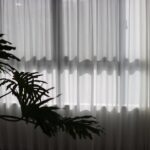
With their extensive selection of fabric, patterns, & hanging styles, curtains continue to be a popular option. Choosing the right materials is crucial for homes in Singapore. Fabric Selections & Their Effectiveness. Sheer curtains: These airy materials provide a moderate amount of privacy during the day while letting in diffused light.
When natural light is desired but direct glare needs to be mitigated, they are perfect for living and dining spaces. For improved privacy and heat control, they can be layered with block-out curtains. Day and Night Curtains: This layered technique consists of a heavier, block-out or dim-out outer layer and a sheer inner layer. This offers flexibility, enabling total privacy & darkness at night and light filtering during the day.
This arrangement works very well for living rooms and bedrooms in HDBs and condos. Block-out Curtains: Designed to totally block out sunlight and UV rays, these curtains are made of thick or specially coated fabrics. They work great in media rooms, bedrooms, & any other area that needs to be as dark and heat-resistant as possible.
Their thermal qualities help to reduce indoor temperatures, which is a big advantage in Singapore’s hot climate. Moisture-Resistant Fabrics: Fabrics made of synthetic materials like polyester or treated for moisture resistance are better suited for spaces like kitchens and balconies where curtains may be subjected to higher humidity or sporadic splashes. These are simpler to clean and resistant to mildew growth. Hardware as Design Statements: Rods & Tracks.
Singapore’s current trends call for integrated hardware & curved cornices. For longevity & usability, particularly with heavier block-out curtains, strong rods and smooth-gliding tracks are crucial. Blinds: Flexible and Useful Options. Blinds provide precise control over light and privacy, making them a sleek, modern substitute for curtains.
They are appropriate for smaller windows or spaces where curtains might not be feasible due to their small size. Roller Blinds: Easy & Effective. A single piece of fabric that neatly rolls up into a cassette at the top of the window frame makes up a roller blind.
Variety of Materials: Dim-out, block-out, screen, and sheer fabrics are available. Screen roller blinds are especially useful for living rooms or balconies because they provide privacy and sun protection during the day without sacrificing the view. For bedrooms, block-out roller blinds are great. Heat Reduction: For windows facing the afternoon sun, some roller blind fabrics are a good choice because they are made with reflective backings that effectively reduce heat transmission. Moisture Resistance: Roller blinds made of polyester and PVC are very resistant to moisture, making them ideal for bathrooms and kitchens where humidity is an issue.
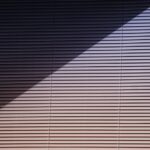
Venetian Blinds: Modifiable Lighting and Ventilation. Horizontal slats on Venetian blinds can be tilted to control the flow of light and air. Aluminum Venetian Blinds: Aluminum venetian blinds are a sensible option for Singapore because they are incredibly strong, resistant to moisture, & simple to maintain. They work especially well in bathrooms, kitchens, and even outdoor spaces (if they are protected).
They are useful for controlling heat because of their ability to reflect light. Faux Wood Venetian Blinds: These blinds have a timeless appearance and resemble real wood without being prone to warping in high humidity. They offer good light control and privacy but are heavier than aluminum.
In HDBs and condos, they look great in living rooms and bedrooms. Roman blinds are soft and have clean lines. Roman blinds have clean lines and a more ornamental appearance than roller blinds because they fold up into soft pleats when raised. Fabric Options: Roman blinds, like curtains, are available in a range of textiles, including block-out & sheer.
This enables personalization to fit privacy requirements and interior design. Aesthetic Appeal: Because of their tailored appearance, they are appropriate for living rooms and bedrooms that call for a softer, more sophisticated window treatment. Living areas can be expanded with outdoor blinds. Outdoor blinds are becoming more and more popular for improving usability and comfort in landed homes with outdoor spaces, condos with patios, and HDBs with balconies.
The Best Outdoor Solution is Zip Blinds. Zip blinds, sometimes referred to as Ziptrak or track-guided blinds, are made to enclose outdoor areas and offer excellent protection from the sun, rain, wind, and insects. Enhanced Balcony Use: Zip blinds turn the outdoor space on HDB & condo balconies into a useful addition to the interior living area. They are essential for keeping rain out during monsoon seasons & provide great privacy from adjacent units. Heat and UV Protection: Zip blinds’ specialized screen fabrics significantly reduce heat transfer and offer UV protection, allowing balconies to be used even in the hottest parts of the day.
Durability and Wind Resistance: Made to endure Singapore’s weather, zip blinds have strong tracking systems that keep the fabric taut & stop it from flapping in high winds. Their longevity & dependability are improved as a result. Maintenance: Usually requires little upkeep, just the occasional dust and grime wipe. Outdoor Roller Blinds.
Some weather-resistant outdoor roller blinds can provide shade and privacy for smaller balconies or patios at a lower cost, but they are not as sturdy as zip blinds. Compared to zip blinds, they are less effective at preventing wind and rain from entering. The Smart Home Evolution: Motorized Blinds & Curtains. Smart home technology is now incorporated into window furnishings, providing unmatched efficiency and convenience. Homeowners in Singapore are becoming more interested in motorized blinds and curtains, which is consistent with the automation trend of 2026.
Accessibility and practicality. Easy Operation: Motorized systems make it simple to open and close curtains and blinds using a remote control, wall switch, or even a smartphone app. This makes them perfect for large or difficult-to-reach windows.
Programmable Schedules: Smart home integration enables scheduling, allowing blinds or curtains to automatically open in the morning and close at night. This can improve security by simulating occupancy when residents are not present. Integration with Smart Home Systems: It is possible to integrate motorized window furnishings with current smart home ecosystems (e.g. “g.”. Google Home, Amazon Alexa), enabling smooth automation with additional smart devices and voice control. increased efficiency in terms of energy.
Automated Climate Control: Motorized systems can automatically reduce solar heat gain by programming curtains and blinds to close during the hottest parts of the day. This greatly reduces the need for air conditioning, which in turn reduces electricity consumption. This is an effective feature for Singapore’s heat control. Optimized Light Management: By minimizing the need for artificial lighting & increasing comfort, automated adjustments can maximize natural light throughout the day. Durability and safety.
Child & Pet Safety: One important safety feature of HDBs and landed homes is the lack of dangling cords, which removes a possible risk to small children and pets. Smoother Operation: Compared to manual systems, motors offer smoother & more reliable operation that lessens wear and tear on the fabric and mechanisms, potentially extending their lifespan. Cost-related factors. The long-term advantages of energy savings, convenience, and possibly higher property value make motorized options a worthwhile investment for future-proofed homes, even though the initial cost is higher than that of manual systems.
Depending on the type of furnishing, motor quality, and integration complexity, the cost range for motorized solutions can vary greatly. Climate considerations & room-based use cases. Given the particular difficulties posed by Singapore’s climate, the best option for window furnishings frequently depends on the particular room and its orientation. Living and dining areas. The objective is to strike a balance between heat control, privacy, and natural light.
Suggestions: Sheer curtains for daytime privacy and diffused light, layered with block-out or dim-out curtains for sun protection and privacy at night. Both screen and dim-out roller blinds are great for reducing heat and modern aesthetics. Venetian blinds provide exact control over light. Outdoor zip blinds or weather-resistant roller blinds on the balcony can significantly increase the living space’s usability in condos and HDBs with balconies. Climate Tip: Give preference to solutions that let in natural light without producing a lot of heat.
rooms for sleeping. Maximum seclusion, darkness, and efficient heat insulation for restful sleep are the objectives. Suggestions: It is imperative to use block-out roller blinds or curtains.
Curtains with layers for day and night provide versatility. In addition to offering good privacy, faux wood venetian blinds can have a timeless appearance. Convenience is improved by motorized options, particularly in the morning. Climate Tip: To keep the space dark and cool, use materials with good thermal qualities. restrooms & kitchens.
The objectives are privacy, ease of cleaning, & moisture resistance. Suggestions: Because aluminum venetian blinds are water resistant and require little upkeep, they are very useful. PVC or polyester roller blinds that are resistant to moisture are also appropriate. Steer clear of fabric-heavy options as they can absorb moisture and cause mildew. Climate Tip: Easy cleaning and resilience to humidity are crucial.
Patios and Balconies (HDB, Condo, Landed). The objective is to increase living space while providing protection from the sun, rain, wind, insects, and improved privacy. Suggestions: Because they provide complete protection and longevity, zip blinds are the best option. For basic shade and privacy, outdoor roller blinds can be an affordable option.
Climate Tip: To survive Singapore’s harsh sun & frequent rain, materials need to be extremely weather-resistant and UV-stable. Singapore’s price ranges. In Singapore, the price of window furnishings varies greatly based on the product type, material quality, customization, and whether or not motorization is included. For reference, the approximate price ranges listed below do not include installation, which is frequently covered by custom quotes.
Curtains: (per foot run). SGD 15 to SGD 30+ for sheer only. Block-out/dim-out: SGD 25 to SGD 60+. Layered Day & Night: SGD 40 to SGD 100+.
Roller Blinds: (per square foot). SGD 8 to SGD 20+ for screen/dim-out. Block-out: SGD 10–SGD 25+. Venetian Blinds: per square foot. Aluminum: SGD 8–SGD 20+.
Faux Wood: SGD 15–SGD 35+. Roman blinds range from SGD 20 to SGD 50+ per square foot, depending on the type of fabric. Zip blinds cost between SGD 25 and SGD 60+ per square foot (higher end for robust systems and customization). Without smart home integration hubs, motorization (per motor/blind) costs between SGD 200 and SGD 600+ per unit. These numbers are only estimates and may change depending on the state of the market, new materials, & the demands of particular projects.
Getting several quotes is always a good idea so you can compare them. Lifespan and Maintenance Advice. The lifespan of window furnishings is greatly increased with proper maintenance, particularly in Singapore’s harsh climate.
general medical care. Frequent Dusting: To avoid dust accumulation, which can be made worse by humidity, dust curtains and blinds on a regular basis using a gentle cloth or a vacuum cleaner with a brush attachment. Spot Cleaning: Use a mild soap & water solution or a gentle fabric cleaner right away to clean spills or stains while adhering to fabric care guidelines.
Different Types of Maintenance. Curtains: If the fabric allows, most curtains can be dry cleaned or machine washed. Always read the care label to prevent damage or shrinkage.
It’s usually advised to have heavy block-out curtains professionally cleaned. Roman and roller blinds: Use a moist cloth and a mild detergent to clean the fabrics. Steer clear of harsh chemicals that could harm coatings.
Venetian Blinds: A moist cloth can be used to clean aluminum & faux wood slats with ease. The blinds can be taken down and cleaned in a bathtub for a more thorough cleaning. Dust and dirt can be removed from outdoor blinds (zip blinds) by periodically hosing down the fabric. For tough stains, use a gentle brush & a little soapy water. For smooth operation, make sure there is no debris on the tracks. Lifespan Factors.
The quality of the materials, exposure to sunlight and humidity, & upkeep all affect how long window furnishings last in Singapore. Curtains: 5–10 years, with better materials lasting longer. Over time, fading and deterioration may result from frequent exposure to the sun. Indoor blinds: 5–15 years, with premium faux wood venetians and aluminum at the upper end.
If fabric blinds are exposed to direct, intense sunlight, their lifespan may be shortened. Depending on the fabric, motor, and track system quality, outdoor blinds (zip blinds) can last anywhere from seven to fifteen years. Longevity depends on UV-stabilized textiles. Frequent examinations for indications of deterioration, particularly for outdoor installations, can help resolve problems before they worsen. Final thoughts.
For a Singaporean home, choosing window furnishings requires striking a balance between practical factors related to the local climate, aesthetics, and functionality. Homeowners in HDBs, condos, BTOs, & landed properties can create cozy, private, and energy-efficient living spaces by carefully weighing options like curtains, roller blinds, venetian blinds, zip blinds, and the advantages of motorization. In this tropical setting, putting durability, heat & sun protection, and ease of maintenance first will guarantee that the selected window treatments fulfill their intended function for many years to come.
.
FAQs
What are the different types of window furnishings available for Singapore homes?
There are various types of window furnishings available for Singapore homes, including curtains, blinds, shades, and shutters. Each type offers different levels of light control, privacy, and aesthetic appeal.
What factors should be considered when choosing window furnishings for Singapore homes?
When choosing window furnishings for Singapore homes, factors to consider include the amount of natural light in the room, the desired level of privacy, the overall interior design style, and the specific needs of the occupants, such as children or pets.
How can window furnishings help with energy efficiency in Singapore homes?
Window furnishings can help with energy efficiency in Singapore homes by providing insulation against heat and cold, reducing the need for air conditioning and heating. Additionally, certain types of window furnishings can also help to block out harmful UV rays, protecting furniture and flooring from fading.
What are the popular trends in window furnishings for Singapore homes?
Popular trends in window furnishings for Singapore homes include the use of sheer curtains for a light and airy feel, motorized blinds for convenience and modern appeal, and eco-friendly materials such as bamboo or organic cotton for a sustainable and natural look.
How can I maintain and clean window furnishings in Singapore homes?
The maintenance and cleaning of window furnishings in Singapore homes depend on the type of material and construction. Generally, regular dusting and vacuuming can help keep window furnishings clean, while specific cleaning instructions should be followed for each type of window furnishing, such as professional dry cleaning for curtains or spot cleaning for blinds and shades.