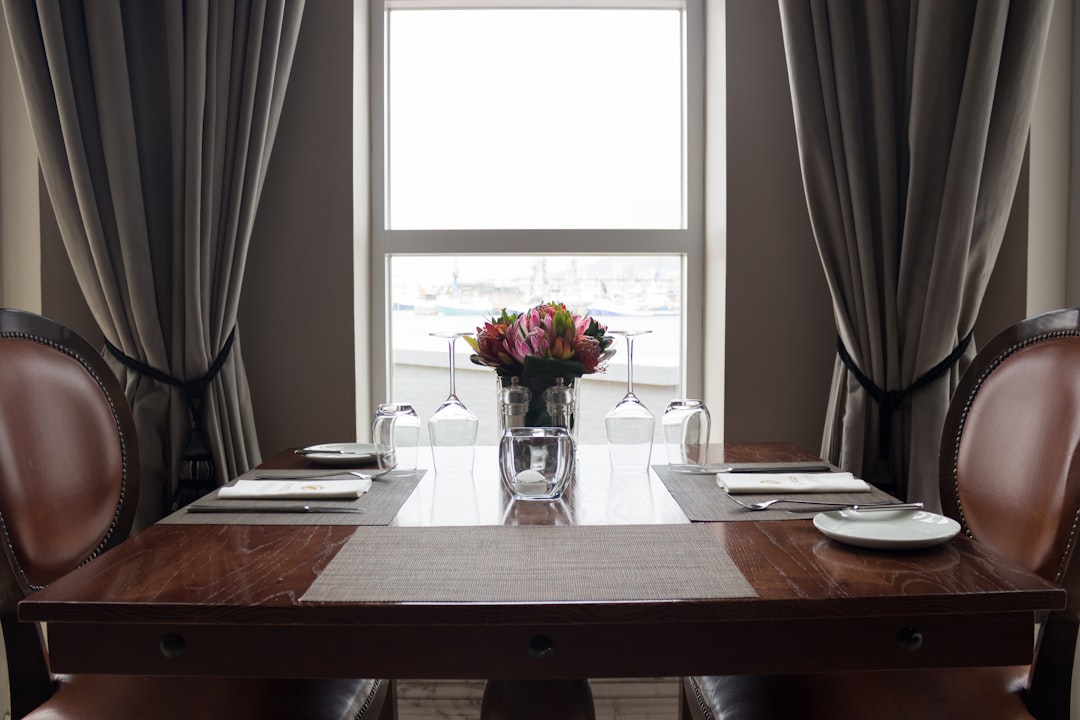
In Singapore’s tropical climate, choosing between day and blackout curtains is essential to making the most of your living area. Although they have different functions, their full potential is frequently realized when combined. From the brightest mornings to the darkest nights, you can create an environment that meets your needs for rest, relaxation, and functionality by knowing their individual strengths and how they can be layered effectively.
Knowing the Fundamentals: Day versus Blackout Curtains. Day curtains & blackout curtains are fundamentally intended to control light. They address different needs in a home, but their methods and results are very different. The protectors of darkness are blackout curtains.
Blackout curtains, also known as night curtains, are designed to accomplish one powerful goal: total obliteration of outside light. This is usually accomplished by either adding an extra layer of material—typically a particular coating or backing—that has light-blocking qualities or by using a dense weave that physically prevents light penetration. Their ability to block almost all incoming light is used to gauge their effectiveness. Because of this, they are essential in circumstances where complete darkness is crucial. Their main advantage is that they can use light to create a true sanctuary.
For healing sleep, this is essential. The ability of blackout curtains to maintain a dark sleeping environment, even at midday, is invaluable for people who work night shifts, have young children who need naps, or simply value uninterrupted rest in Singapore’s environment, where daylight can be intense and early. They are crucial for controlling body temperature in addition to sleep. They keep a significant amount of solar radiation out of your house by blocking direct sunlight, which helps to keep the interior cooler and may lessen the need for air conditioning. Blackout curtains are advantageous.
Total Light Blockage: Perfect for media rooms and sleeping areas, this method produces total darkness. Significant Heat Reduction: Reduces interior temperatures by successfully blocking solar heat gain. Enhanced Privacy: Offers complete seclusion because no activities or silhouettes are visible from the outside.
| Comparison | Blackout Curtains | Day Curtains |
|---|---|---|
| Light Blocking | Blocks out 99% of light | Filters natural light |
| Insulation | Provides thermal insulation | Minimal insulation |
| Privacy | Offers complete privacy | Partial privacy |
| Energy Efficiency | Reduces energy costs | Allows natural light in, reducing the need for artificial lighting |
| Combination | Can be combined with day curtains for both light control and aesthetics | Can be combined with blackout curtains for added insulation and privacy |
UV Protection: Prevents UV-induced fading of flooring and furniture. Noise Dampening: There is some sound insulation provided by the thick fabric. Blackout curtains have drawbacks.
Limited Natural Light: Makes rooms feel always dark by preventing natural light from entering, even when it is wanted. Design Restrictions: The variety of fabric patterns, textures, and drape styles may be limited by the dense, frequently lined nature. Can Feel Heavy: Due to their construction, they may appear visually heavier and take center stage in the design of a space. Day curtains: Light filters.
Day curtains, sometimes referred to as sheers or light-filtering curtains, on the other hand, take a different approach. They are meant to modulate light, not to destroy it. Usually, voile, linen blends, or thin cotton are used to create these curtains because they are lighter and more translucent. They are made to diffuse natural light, turning harsh glare into a gentle, ambient glow. They can filter out a considerable amount of light, usually between 90 and 95 percent, depending on the fabric’s composition & weave, even though they do not completely block it.
In Singaporean homes, day curtains serve a variety of purposes. They provide a certain amount of privacy during the day without totally cutting off contact with the outside world. The degree to which others can see in is lessened, but you can see out. Because of this, they’re great for spaces like living rooms, dining rooms, and even kitchens that want to feel light and airy.
Also, they lessen the direct intensity of the sun’s rays by filtering the light, which can still help cool the house more successfully than uncovered windows, though not as much as blackout curtains. Also, their lighter appearance increases the perceived size and brightness of spaces by giving them an airy, open feel. Day curtains have several advantages.
Softens Glare: Diffuses intense sunlight to produce a cozy and pleasant ambiance. Maintains Daytime Brightness: Rooms are kept well-lit by allowing plenty of natural light to enter. Daytime Privacy: Provides some privacy without making the space feel enclosed. Lightweight Aesthetic: Adds to the impression of airiness and space.
Adaptable Design Options: Comes in a variety of hues, patterns, and textures. Day curtains have drawbacks. Limited Light Blocking: Unsuitable for sleeping in bright environments; does not offer total darkness. Less Effective Heat Blocking: Although they filter light, blackout curtains provide a greater degree of heat insulation. Reduced Privacy at Night: When interior lights are on after dark, provide very little privacy. Can Display Dust/Dirt: Lighter textiles are more likely to display dust and discoloration.
The Power of Layering for Synergy. Choosing between these two types of curtains is not the true art of window treatment in Singapore; rather, it is about utilizing their combined strengths through layering. This method, which frequently makes use of a dual rod system or specially made tracks, enables you to create the ideal lighting and privacy conditions day or night.
A triumvirate of control is the traditional dual rod system. This is perhaps the most traditional & versatile method of combining curtains. Installing two different curtain rods, one in front of the other, is the process. The front rod closest to the window is where the day curtains, which are made of sheers or light-filtering materials, are hung.
The blackout curtains (night curtains) are installed behind them on the rear rod. This configuration provides a dynamic trio of control. Daytime: Sheers Only: You can let the day curtains do their job by pulling back the blackout curtains. Diffused natural light fills the space, creating a soft veil of privacy while preserving a bright and welcoming ambiance.
This is perfect for living spaces during the day or bedrooms where you want to gently awaken in the morning light. Daytime: Both sets of curtains can be partially or fully drawn for times when you need to greatly reduce glare while still appreciating some ambient light or when additional privacy is needed during the day. The blackout curtains behind provide an extra layer of diffusion and light blocking, while the sheers soften any residual direct light. Nighttime: Blackout Curtains Only: The day curtains are pulled aside and only the blackout curtains are used as night falls and complete darkness is desired. They guarantee that your bedroom stays a dark sanctuary by offering the total light blockage necessary for restful sleep. Dual rod layering has the following advantages.
Maximum Flexibility: Enables various privacy & lighting setups. Enhanced Insulation: Interiors are kept cooler by the extra thermal insulation provided by the air gap between the two layers of fabric. Better Acoustics: Compared to a single layer, two layers of fabric may reduce noise more effectively. Aesthetic Depth: The layered appearance gives your window treatments more texture and visual appeal.
Dual rod layering has drawbacks. Needs More Room: The dual rod system can look bulkier & requires more wall space. Increased Cost: It costs more to buy and install a double rod & two sets of curtains. More Complicated Operation: Using a single system can be more convenient than managing two sets of curtains.
Roller blinds & curtains are integrated systems. Modern window treatments provide integrated solutions that go beyond conventional fabric layering. Combining decorative curtains with blackout roller blinds is a common technique.
The blackout roller blind is mounted on the wall or inside the window recess, where it is closest to the glass. When lowered, this blind offers an almost perfect light-blocking seal. Sheer or ornamental curtains can be hung over it or next to it on a different rod.
Light leaks are a common problem with curtains alone, but this combination works wonders at fixing them. Even the tightest woven fabric may have tiny gaps at the edges or a “halo effect” where light seeps through when a blackout curtain is drawn. These possible light entry points are effectively sealed by a precisely fitted blackout roller blind placed directly against the glass.
Combinations of blinds & curtains have advantages. Superior Light Control: By creating a strong barrier, the blind reduces light leaks. Aesthetic Versatility: While the blind takes care of the practical part, the curtains can be chosen for their aesthetic appeal. Enhanced Privacy: When combined, the two layers provide complete privacy.
Possibility of Smart Integration: To make them easier to operate, roller blinds can be motorized. Cons of Blinds and Curtain Combinations:. Cost: Because of the blinds and possibly motorization, this may be a more costly option.
Aesthetic Considerations: Depending on the installation, the blind may be visible when the curtains are open. Maintenance: Both the curtains and the blind mechanism need to be taken care of. Going Beyond the Fundamentals: Singapore’s Climate and Particular Needs.
The climate in Singapore makes window treatments particularly difficult. The main issues for homeowners are high humidity, strong sun, and the requirement for efficient heat management. Maintenance and Humidity Considerations. Humidity is a constant because of Singapore’s tropical climate. The lifespan & upkeep needs of your window treatments may be impacted by this.
Fabric Selection: Take into account fabrics that have been treated to prevent mold and mildew for both blackout and day curtains. Despite their beauty, natural fibers like linen have the ability to absorb moisture. It might be more sensible to use synthetic blends or fabrics treated with particular antimicrobials. If not properly maintained, the lining of blackout curtains may be especially vulnerable to moisture. Ventilation: It’s important to keep your home properly ventilated. Especially when the humidity is high, open the windows and use fans to move the air.
This lessens the accumulation of moisture on textiles. Cleaning: Because of their thick lining and construction, blackout curtains can be more difficult to completely clean. Many can be professionally dry cleaned or spot cleaned. Because they are lighter, day curtains are frequently simpler to wash at home, though hiring a cleaning service is always an option.
Regular dusting and wiping with a moist cloth are usually adequate for roller blinds. For precise cleaning instructions for curtains and blinds, always refer to the manufacturer’s instructions. Energy Efficiency and Heat. Controlling heat gain through windows has a big impact on energy use and home comfort in a city like Singapore.
Blackout curtains serve as thermal barriers in addition to their primary purpose of obstructing light. They can significantly lessen the strain on your air conditioning system by keeping direct sunlight from warming your interiors, potentially resulting in energy savings. A fabric’s effectiveness as a thermal barrier increases with its density and light-blocking capacity. The Subtle Role of Day Curtains: Day curtains have a role, but they are not as effective as blackout curtains. They can lessen the strength of incoming heat by dispersing direct sunlight.
A stronger barrier against outside temperatures is produced when blackout curtains are layered. Thermal performance is further enhanced by the air gap between layered curtains, which functions as an insulating layer. Sealed Tracks for Maximum Efficiency: Take into account window treatments with sealed tracks or channels for the best heat & light control.
This is especially important for roller blinds that are intended to be used with curtains. By reducing light leakage around the edges, these systems stop cool air from escaping and hot air from entering. Also, they maximize the advantages of blackout capabilities by creating a more comprehensive seal against sunlight.
Singaporean cost implications. The price of window treatments in Singapore will differ depending on a number of factors for landed properties, condos, & HDB apartments. Type and Quality of Fabric: Premium sheer fabrics for day curtains or high-performance, treated fabrics for blackout curtains will cost more. Size of Windows: Naturally, larger windows require more fabric and possibly more complicated installations, which raises the total cost. Layering System: If a dual rod system is chosen, two sets of curtains and hardware must be purchased, which is more costly than a single set.
The cost of integrated blind & curtain solutions is also increased. Motorization: Adding motorized systems for blinds or curtains will greatly raise the initial cost, but the convenience is unmatched. Installation: For many systems, professional installation is advised, particularly for accurate fitting and optimal operation, which raises the overall cost. For a typical HDB flat window, a single layer of high-quality day curtains could typically cost between S$100 and S$300. Depending on the fabric and lining, a single layer of blackout curtains could cost between S$150 and S$400 or more.
Depending on the size & quality, a dual rod system with both kinds of curtains could easily cost between S$300 and S$800 or more per window. The cost of motorized options is significantly higher; automated blinds and curtains typically start at S$500 per window and go up from there. Durability and longevity. Your window treatments’ anticipated lifespan is largely dependent on the materials they are made of, how well they are maintained, how much sunlight & humidity they receive, & the quality of their construction. Day Curtains: Despite their beauty, lighter fabrics are susceptible to wear and tear, particularly from frequent handling and UV exposure, which can eventually weaken fibers.
High-quality day curtains can last five to ten years with routine maintenance and cleaning. Blackout Curtains: Over time, the lining or coating on blackout curtains may deteriorate, particularly if they are exposed to heat and direct sunlight for extended periods of time. This could result in flaking or discoloration. Nonetheless, the thicker fabric is frequently quite resilient. When properly maintained and kept out of direct sunlight, a well-made blackout curtain can last anywhere from seven to fifteen years, with the lining being the most likely part to show signs of deterioration.
Roller Blinds: The fabric and mechanisms of roller blinds are typically long-lasting. Nevertheless, the motor or spring mechanism may eventually deteriorate. Roller blinds can last eight to fifteen years if they are used and maintained properly.
Smart Home Integration and Room-Specific Use. Every room in your Singaporean home can have its functionality and atmosphere completely changed with the thoughtful application of blackout and day curtains. Bedrooms: The Haven of Rest. Sleep is the main priority for bedrooms. Blackout curtains are necessary to guarantee uninterrupted sleep, particularly in light of Singapore’s intense daylight.
They make it possible to fall asleep deeply at any time of day. Layering for Gentle Wake-ups: Although blackout is essential at night, you might want to layer them with sheer or light-filtering curtains on a different rod. This makes it possible to pull back the blackout curtains in the morning & allow diffused light to enter through the sheers, making waking up softer and more organic.
Motorization for Convenience: The ultimate luxury in a bedroom is provided by motorized blackout curtains. Imagine waking up & seeing the curtains slide open to let in the morning light with a voice command or a tap on your phone. This is especially helpful for larger windows or for people who have trouble reaching the curtains. Light and privacy in living and dining areas should be balanced.
These public areas necessitate a different strategy that places an emphasis on ambience and comfort. Day Curtains by Default: Living and dining spaces are best suited for sheer or light-filtering curtains. They create a soft barrier for privacy while allowing plenty of natural light to flood the room, making it feel bright and inviting during the day.
Supplementing with Blackout for Particular Needs: Even during the day, direct sunlight can cause significant heat gain and glare in some living rooms, particularly those with large windows facing west. When necessary, blackout curtains placed behind ornamental sheers can provide an extra degree of heat control & light reduction without permanently lowering the brightness of the space. Smart Controls for Daily Use: A smart home system may incorporate motorized sheers or light-filtering blinds. To control glare on movie nights, program them to open at sunrise & close at sunset. You can also remotely adjust them. Specialized solutions for balconies and outdoor spaces.
Balconies are extensions of homes in Singapore because of the country’s humid climate & prevalent open-plan lifestyles. Although the focus of this article is on indoor curtains, it’s important to remember that outdoor blinds that provide UV and heat protection follow similar guidelines. The curtains covered here will apply if your balcony has windows. For balconies that are open or partially enclosed, roller blinds or specialty outdoor zip blinds are frequently the best option for controlling UV, heat, and rain.
Conclusion: Creating the Perfect Home Space. The decision between blackout & day curtains, as well as the creative way they are blended, is essential to designing a practical, cozy, and beautiful living area in Singapore. Blackout curtains are essential for rest and substantial heat reduction because they act as the guardians of darkness. Day curtains serve as expert diffusers, maintaining your rooms’ brightness & coziness while providing some privacy.
You can attain unmatched control over light, heat, and privacy by comprehending their unique characteristics and embracing the idea of layering, whether through conventional dual rods or integrated blind & curtain systems. Given Singapore’s particular climate, this flexibility is crucial. A customized approach is made possible by taking into account the unique requirements of every room, from the sleeping haven of the bedroom to the social center of the living area. Also, controlling these window treatments can be as simple as a voice command thanks to the growing integration of smart home technology, further improving your comfort & way of life.
When these components are carefully chosen and combined, your home can become one that is perfectly suited to both the demands of the tropical environment & your daily routines.
.
FAQs
What are blackout curtains and day curtains?
Blackout curtains are made of heavy, opaque fabric that blocks out light and provides privacy. Day curtains, on the other hand, are made of sheer or lightweight fabric that allows natural light to filter through while still providing some level of privacy.
What are the benefits of using blackout curtains?
Blackout curtains are ideal for bedrooms, home theaters, and any other space where you want to block out light and create a dark, cozy atmosphere. They also help to insulate the room, reducing energy costs and outside noise.
What are the benefits of using day curtains?
Day curtains are perfect for living rooms, dining rooms, and other areas where you want to let in natural light while still maintaining some level of privacy. They also add a soft, elegant touch to the decor of a room.
How can blackout curtains and day curtains be combined correctly?
To combine blackout curtains and day curtains, you can use a double curtain rod to hang them separately. This allows you to easily adjust the amount of light and privacy in the room by opening or closing the curtains as needed.
What are some tips for choosing the right blackout and day curtains for a room?
When choosing blackout and day curtains, consider the color, fabric, and length to complement the decor and function of the room. It’s also important to measure the windows accurately to ensure the curtains fit properly.